
Universal Design Principles
Universal Design Principles are a set of guidelines that aim to make products, environments, and services accessible and usable by everyone, regardless of their age, ability, or disability. The concept of inclusive design is central to Univ…
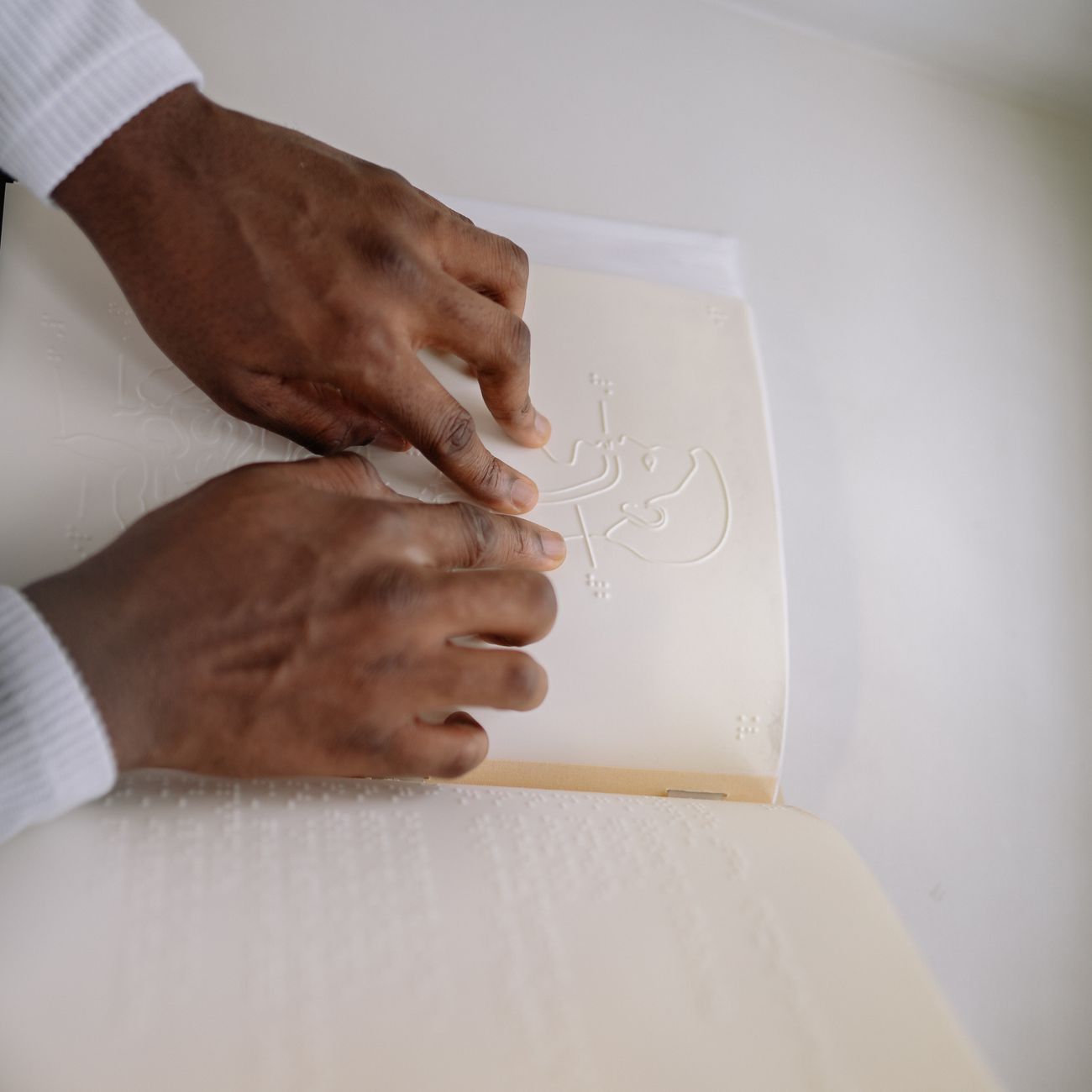
Universal Design Principles are a set of guidelines that aim to make products, environments, and services accessible and usable by everyone, regardless of their age, ability, or disability. The concept of inclusive design is central to Universal Design Principles, as it emphasizes the importance of designing for diversity and promoting equal access to information and opportunities. The seven principles of Universal Design, which were developed by Ronald Mace and his colleagues, provide a framework for designers to create products and environments that are accessible, usable, and appealing to a wide range of users.
The first principle of Universal Design is equitable use, which means that the design should be useful and marketable to people with diverse abilities. This principle emphasizes the importance of designing products and environments that are accessible and usable by everyone, regardless of their age, ability, or disability. For example, a building with a ramp or elevator that is accessible to people with mobility impairments is an example of equitable use. The design of the building should not stigmatize or segregate any group of users, and it should provide the same level of dignity and respect to all users.
The second principle of Universal Design is flexibility in use, which means that the design should accommodate a wide range of individual preferences and abilities. This principle emphasizes the importance of designing products and environments that can be used in different ways and that provide users with choices and options. For example, a website that provides text-to-speech functionality and adjustable font sizes is an example of flexibility in use. The design of the website should allow users to customize the display and navigation to suit their individual needs and preferences.
The third principle of Universal Design is perceptible information, which means that the design should communicate necessary information effectively to the user, regardless of the user's sensory abilities. This principle emphasizes the importance of designing products and environments that provide clear and consistent information to users, and that use multiple modes of communication, such as visual, auditory, and tactile. For example, a public transportation system that provides audio announcements and visual displays of upcoming stops is an example of perceptible information. The design of the system should provide users with clear and consistent information about the route and schedule, regardless of their sensory abilities.
The fourth principle of Universal Design is tolerance for error, which means that the design should minimize hazards and adverse consequences of accidental or unintended actions. This principle emphasizes the importance of designing products and environments that are safe and forgiving, and that minimize the risk of injury or harm to users. For example, a medication packaging system that uses child-resistant caps and clear labeling is an example of tolerance for error. The design of the system should prevent users from accidentally taking the wrong medication or overdose, and it should provide clear instructions and warnings to users.
The fifth principle of Universal Design is low physical effort, which means that the design should be used efficiently and with a minimum of fatigue. This principle emphasizes the importance of designing products and environments that are easy to use and that do not require excessive physical effort or stamina. For example, a door handle that is easy to grasp and turn is an example of low physical effort. The design of the door handle should allow users to open and close the door with minimal physical effort, regardless of their age or ability.
The sixth principle of Universal Design is size and space for approach and use, which means that the design should provide adequate space for approach, reach, manipulation, and use, regardless of the user's body size, posture, or mobility. This principle emphasizes the importance of designing products and environments that are accessible and usable by users with different body types and abilities. For example, a kitchen that is designed with adequate clearance and reach ranges for users with mobility impairments is an example of size and space for approach and use. The design of the kitchen should provide users with enough space to move around and use the appliances and fixtures safely and comfortably.
The seventh principle of Universal Design is minimal cognitive load, which means that the design should be easy to understand, regardless of the user's cognitive abilities. This principle emphasizes the importance of designing products and environments that are intuitive and easy to use, and that minimize the cognitive load on users. For example, a website that uses clear and simple language and provides intuitive navigation is an example of minimal cognitive load. The design of the website should allow users to quickly and easily find the information they need, regardless of their cognitive abilities.
Universal Design Principles have numerous benefits, including improved accessibility, usability, and marketability. By designing products and environments that are accessible and usable by everyone, designers can create a more inclusive and equitable society. Universal Design Principles can also help to reduce costs and improve efficiency, as designing for accessibility and usability can reduce the need for retrofits and modifications. Additionally, Universal Design Principles can help to promote social sustainability, as designing for diversity and promoting equal access to information and opportunities can help to reduce social and economic inequalities.
One of the key challenges of implementing Universal Design Principles is the need for a collaborative approach to design. Universal Design requires designers to work with stakeholders from diverse backgrounds and with different abilities, to ensure that the design meets the needs of all users. This can be a challenging and time-consuming process, as it requires designers to be flexible and adaptable, and to be willing to make changes and adjustments based on user feedback. However, the benefits of Universal Design far outweigh the challenges, as it can help to create a more inclusive and equitable society.
Another challenge of implementing Universal Design Principles is the need for cultural sensitivity. Universal Design requires designers to be aware of the cultural and social context of the design, and to be sensitive to the needs and preferences of diverse users. This can be a challenging task, as cultural and social norms can vary widely, and designers may need to conduct extensive research and consultation to ensure that the design is culturally sensitive. However, cultural sensitivity is essential for creating a design that is accessible and usable by everyone, regardless of their cultural background or identity.
In addition to the challenges of implementing Universal Design Principles, there are also several barriers to adoption. One of the main barriers is the lack of awareness and understanding of Universal Design Principles, particularly among designers and stakeholders. Many designers may not be aware of the benefits of Universal Design, or may not know how to implement Universal Design Principles in their design practice. Additionally, there may be a lack of resources and support for implementing Universal Design, particularly in terms of funding and personnel. However, there are many organizations and resources available that can provide support and guidance for implementing Universal Design Principles.
Despite the challenges and barriers to adoption, there are many successful examples of Universal Design in practice. For example, the design of the OXO Good Grips kitchen utensils is an example of Universal Design in practice. The utensils are designed with comfortable grips and easy-to-use handles, making them accessible and usable by people with arthritis and other mobility impairments. Another example is the design of the Apple iPhone, which includes features such as text-to-speech functionality and adjustable font sizes, making it accessible and usable by people with visual impairments.
In terms of practical applications, Universal Design Principles can be applied to a wide range of fields, including architecture, product design, graphic design, and software development. For example, architects can use Universal Design Principles to design buildings that are accessible and usable by everyone, regardless of their age or ability. Product designers can use Universal Design Principles to design products that are easy to use and accessible, such as kitchen utensils and appliances. Graphic designers can use Universal Design Principles to design visual displays and communications that are clear and easy to understand, such as signage and wayfinding systems.
In addition to the practical applications of Universal Design Principles, there are also many theoretical frameworks that underpin the concept of Universal Design. One of the main theoretical frameworks is the Social Model of Disability, which emphasizes the importance of designing for accessibility and usability, and promoting equal access to information and opportunities. Another theoretical framework is the Activity-Centered Design approach, which emphasizes the importance of designing for the needs and preferences of users, and promoting user-centered design practices.
In terms of future directions, there are many opportunities for Universal Design to continue to evolve and improve. One of the main future directions is the development of new technologies that can support Universal Design, such as artificial intelligence and virtual reality. These technologies can provide new opportunities for designing accessible and usable products and environments, and can help to promote equal access to information and opportunities. Another future direction is the development of new design methods and tools that can support Universal Design, such as design thinking and human-centered design approaches.
Overall, Universal Design Principles provide a framework for designing products and environments that are accessible and usable by everyone, regardless of their age, ability, or disability. By applying Universal Design Principles, designers can create a more inclusive and equitable society, and can promote equal access to information and opportunities. While there are challenges and barriers to adoption, there are also many successful examples of Universal Design in practice, and many opportunities for future development and improvement. By continuing to evolve and improve Universal Design Principles, we can create a more just and equitable society, where everyone has the opportunity to participate and contribute.
Inclusive design is a design approach that considers the needs and preferences of all users, regardless of their age, ability, or disability. It involves designing products and environments that are accessible, usable, and appealing to a wide range of users, and that promote equal access to information and opportunities.
Inclusive design is closely related to the concept of universal accessibility, which refers to the design of products and environments that are accessible and usable by everyone, regardless of their age or ability. Universal accessibility is a key principle of Universal Design, as it emphasizes the importance of designing for accessibility and usability, and promoting equal access to information and opportunities. By designing for universal accessibility, designers can create products and environments that are usable by everyone, regardless of their age or ability.
The concept of accessibility is also closely related to Universal Design Principles, as it refers to the design of products and environments that are usable by people with disabilities. Accessibility is a key principle of Universal Design, as it emphasizes the importance of designing for usability and accessibility, and promoting equal access to information and opportunities. By designing for accessibility, designers can create products and environments that are usable by people with disabilities, and that promote equal access to information and opportunities.
In addition to the concept of accessibility, the concept of usability is also closely related to Universal Design Principles. Usability refers to the design of products and environments that are easy to use and understand, and that promote efficient and effective use. Usability is a key principle of Universal Design, as it emphasizes the importance of designing for usability and accessibility, and promoting equal access to information and opportunities. By designing for usability, designers can create products and environments that are easy to use and understand, and that promote efficient and effective use.
The concept of user experience is also closely related to Universal Design Principles, as it refers to the design of products and environments that provide a positive and engaging experience for users. User experience is a key principle of Universal Design, as it emphasizes the importance of designing for usability and accessibility, and promoting equal access to information and opportunities. By designing for user experience, designers can create products and environments that provide a positive and engaging experience for users, and that promote equal access to information and opportunities.
In terms of design methods, there are many approaches that can be used to apply Universal Design Principles. One of the main design methods is human-centered design, which emphasizes the importance of designing for the needs and preferences of users. Human-centered design involves conducting user research and testing, and using the results to inform the design process. Another design method is design thinking, which emphasizes the importance of designing for creativity and innovation. Design thinking involves using a range of design tools and techniques, such as brainstorming and prototyping, to generate and develop design ideas.
In addition to design methods, there are also many design tools that can be used to apply Universal Design Principles. One of the main design tools is personas, which are used to represent the needs and preferences of different user groups. Personas involve creating detailed descriptions of users, including their goals, behaviors, and motivations. Another design tool is user journeys, which are used to map the user's experience of a product or environment. User journeys involve creating a visual representation of the user's experience, including the steps they take and the interactions they have.
The concept of co-design is also closely related to Universal Design Principles, as it refers to the design of products and environments that are created in collaboration with users. Co-design involves working with users to design and develop products and environments that meet their needs and preferences. By using co-design approaches, designers can create products and environments that are accessible, usable, and appealing to a wide range of users, and that promote equal access to information and opportunities.
In terms of future research directions, there are many opportunities for Universal Design to continue to evolve and improve. One of the main research directions is the development of new design methods and tools that can support Universal Design. This could involve the development of new design approaches, such as co-design and participatory design, or the development of new design tools, such as personas and user journeys. Another research direction is the investigation of the impact of Universal Design on users and society. This could involve conducting research on the benefits of Universal Design, such as improved accessibility and usability, and the impact of Universal Design on social and economic outcomes.
The concept of universal accessibility is also closely related to Universal Design Principles, as it refers to the design of products and environments that are accessible and usable by everyone, regardless of their age or ability.
In addition to the concept of universal accessibility, the concept of accessibility is also closely related to Universal Design Principles, as it refers to the design of products and environments that are usable by people with disabilities.
The concept of usability is also closely related to Universal Design Principles, as it refers to the design of products and environments that are easy to use and understand, and that promote efficient and effective use.
In terms of design methods, there are many approaches that can be used to apply Universal Design Principles. One of the main design methods is human-centered design, which emphasizes the importance of designing for the needs and preferences of users.
In addition to the concept of inclusive design, the concept of universal accessibility is also closely related to Universal Design Principles. Universal accessibility refers to the design of products and environments that are accessible and usable by everyone, regardless of their age or ability.
Key takeaways
- The seven principles of Universal Design, which were developed by Ronald Mace and his colleagues, provide a framework for designers to create products and environments that are accessible, usable, and appealing to a wide range of users.
- This principle emphasizes the importance of designing products and environments that are accessible and usable by everyone, regardless of their age, ability, or disability.
- The second principle of Universal Design is flexibility in use, which means that the design should accommodate a wide range of individual preferences and abilities.
- This principle emphasizes the importance of designing products and environments that provide clear and consistent information to users, and that use multiple modes of communication, such as visual, auditory, and tactile.
- The fourth principle of Universal Design is tolerance for error, which means that the design should minimize hazards and adverse consequences of accidental or unintended actions.
- This principle emphasizes the importance of designing products and environments that are easy to use and that do not require excessive physical effort or stamina.
- For example, a kitchen that is designed with adequate clearance and reach ranges for users with mobility impairments is an example of size and space for approach and use.