
Risk Management in Commodity Trading
Welcome to this episode of the Advanced Certificate in Commodity Trading in Oil and Gas, a podcast produced by London School of International Business, or LSIB. Today, we're going to dive into one of the most critical aspects of commodity t…
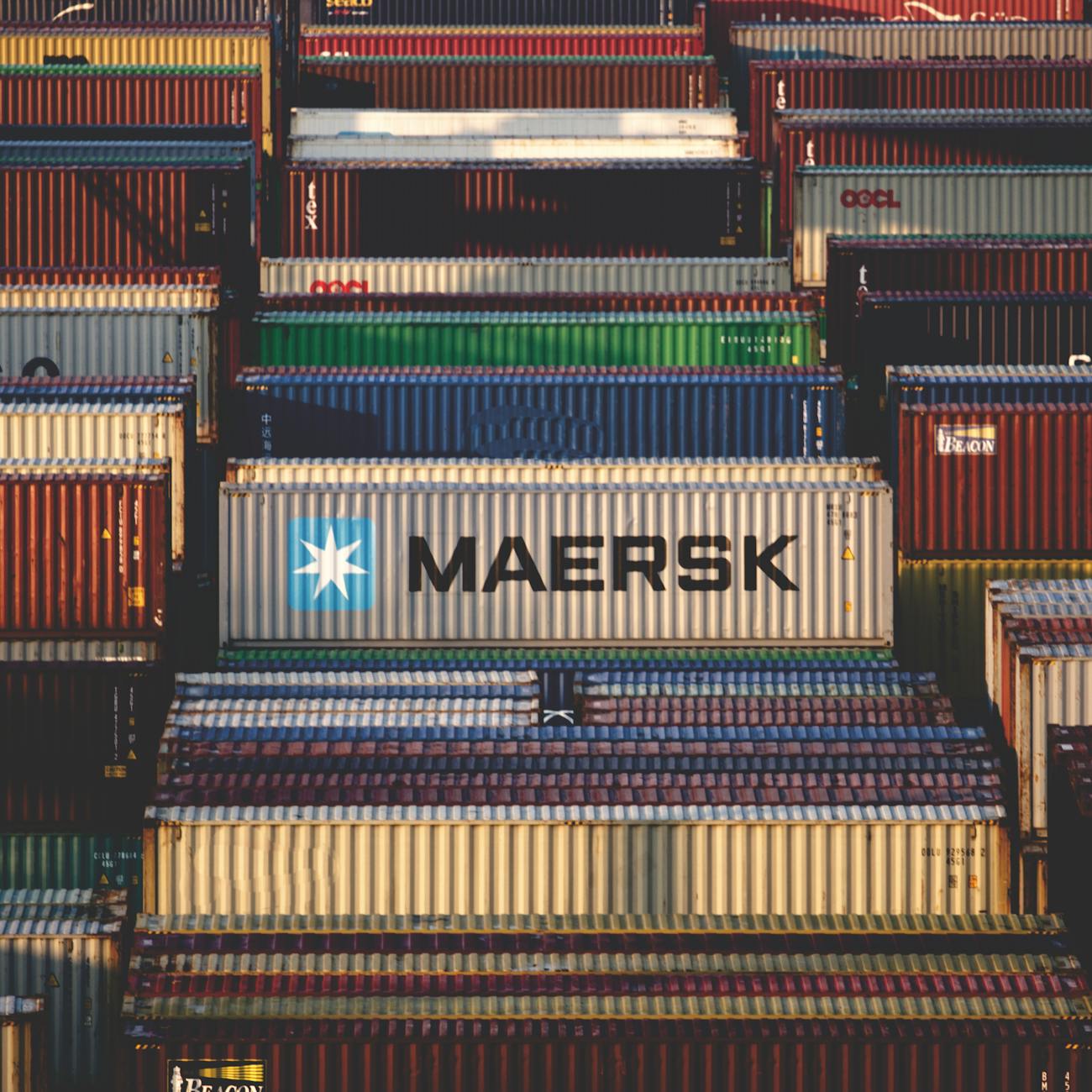
Photo from Pexels
Welcome to this episode of the Advanced Certificate in Commodity Trading in Oil and Gas, a podcast produced by London School of International Business, or LSIB. Today, we're going to dive into one of the most critical aspects of commodity trading: Risk Management in Commodity Trading. This unit is all about understanding the potential risks involved in commodity trading and learning how to mitigate them. As we explore this topic, you'll discover why risk management is essential for anyone involved in commodity trading, whether you're a seasoned trader or just starting out.
To set the stage, let's take a brief look at the history of commodity trading. From ancient civilizations trading spices and textiles to modern-day electronic platforms, commodity trading has evolved significantly over time. However, one thing remains constant: the presence of risk. Whether it's price volatility, geopolitical events, or unexpected changes in supply and demand, risks are inherent in commodity trading. In recent years, we've seen several high-profile examples of companies and individuals suffering significant losses due to poor risk management. This highlights the importance of having a solid understanding of risk management strategies and techniques.
So, what can you do to manage risk in commodity trading? One key strategy is to diversify your portfolio. By spreading your investments across different commodities, you can reduce your exposure to any one particular market. Another approach is to use hedging techniques, such as futures contracts or options, to lock in prices and minimize potential losses. It's also essential to stay up-to-date with market trends and analysis, using tools like technical indicators and fundamental analysis to inform your trading decisions.
Now, let's talk about some common pitfalls to avoid. One of the most significant mistakes traders make is failing to set clear goals and risk tolerance levels. Without a clear understanding of what you're trying to achieve and how much risk you're willing to take, it's easy to get caught up in the excitement of trading and lose sight of your objectives. Another pitfall is not having a solid risk management plan in place. This can lead to impulsive decisions, such as over-leveraging or holding onto losing positions for too long.
Without a clear understanding of what you're trying to achieve and how much risk you're willing to take, it's easy to get caught up in the excitement of trading and lose sight of your objectives.
To avoid these pitfalls, it's crucial to develop a disciplined approach to trading. This means setting clear goals, establishing a risk management plan, and sticking to it. It's also essential to continuously monitor and evaluate your performance, making adjustments as needed. By taking a proactive and informed approach to risk management, you can minimize potential losses and maximize your gains.
As we conclude this episode, I want to leave you with an inspiring message. Risk management in commodity trading is not just about mitigating losses; it's also about creating opportunities for growth and success. By understanding and applying the strategies and techniques we've discussed, you can take your trading to the next level and achieve your goals. So, don't be afraid to take the next step and continue your journey of growth. If you found this episode informative and engaging, be sure to subscribe to our podcast and share it with your network. You can also engage with us on social media, using the hashtag #LSIB, to join the conversation and stay up-to-date with the latest insights and analysis from London School of International Business. Thanks for tuning in, and we look forward to welcoming you to our next episode.
Key takeaways
- As we explore this topic, you'll discover why risk management is essential for anyone involved in commodity trading, whether you're a seasoned trader or just starting out.
- From ancient civilizations trading spices and textiles to modern-day electronic platforms, commodity trading has evolved significantly over time.
- It's also essential to stay up-to-date with market trends and analysis, using tools like technical indicators and fundamental analysis to inform your trading decisions.
- Without a clear understanding of what you're trying to achieve and how much risk you're willing to take, it's easy to get caught up in the excitement of trading and lose sight of your objectives.
- By taking a proactive and informed approach to risk management, you can minimize potential losses and maximize your gains.
- You can also engage with us on social media, using the hashtag #LSIB, to join the conversation and stay up-to-date with the latest insights and analysis from London School of International Business.