
Patient Privacy and Data Security in Maternity Care
Welcome to this episode of our podcast, brought to you by HealthCareCourses (An LSIB brand), or HCC for short. Today, we're diving into a crucial aspect of healthcare that affects us all, particularly in the sensitive and life-changing cont…
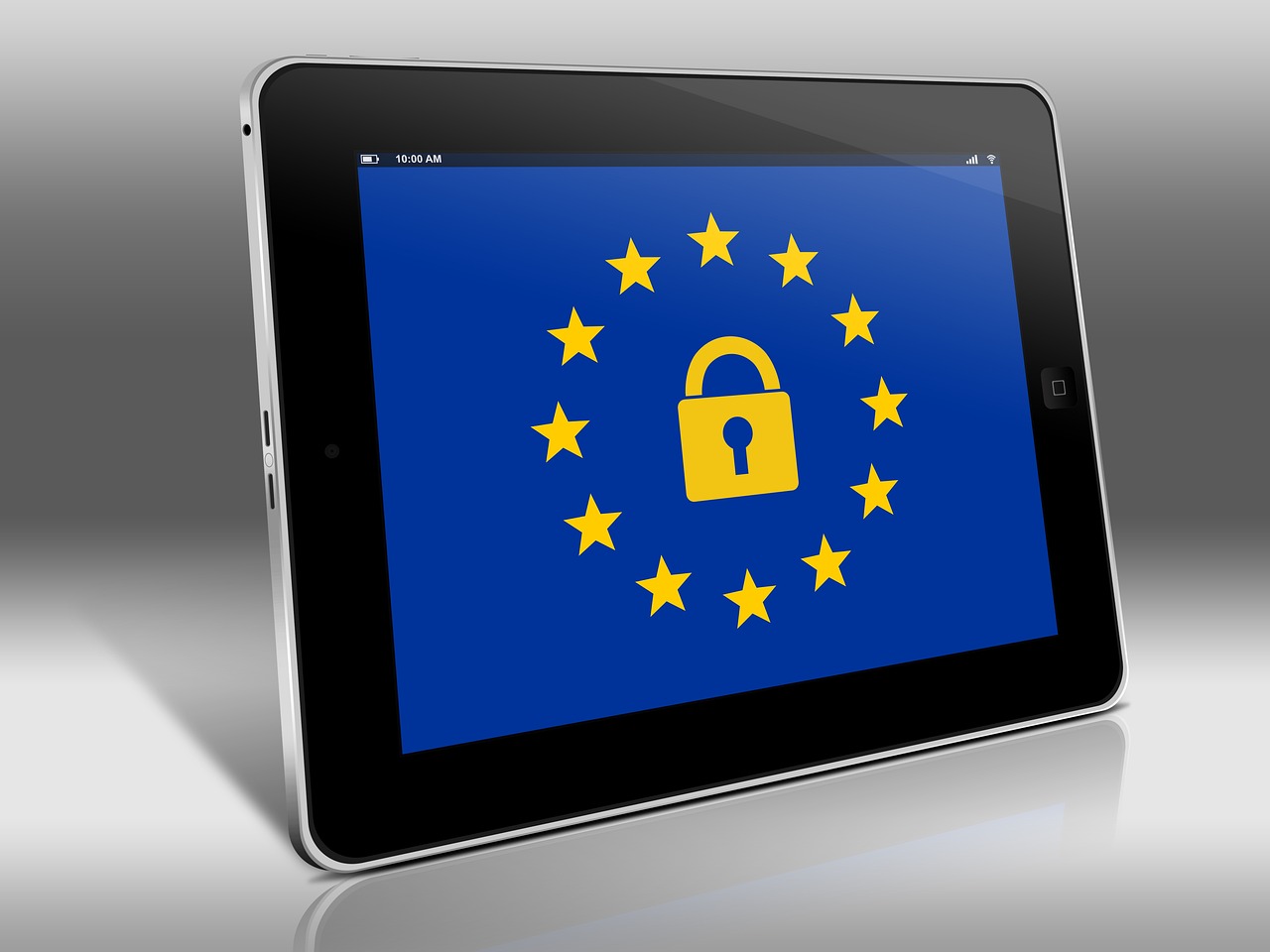
Photo from Pexels
Welcome to this episode of our podcast, brought to you by HealthCareCourses (An LSIB brand), or HCC for short. Today, we're diving into a crucial aspect of healthcare that affects us all, particularly in the sensitive and life-changing context of maternity care: Patient Privacy and Data Security. This topic is more than just a regulatory requirement; it's a fundamental right that every patient deserves, and it's our responsibility as healthcare professionals to protect it.
The journey to where we are today in patient privacy and data security has been long and winding. Historically, patient information was often shared freely among healthcare providers without much thought to the consequences. However, with the advent of digital technology and the subsequent increase in data breaches, it became clear that stricter measures were needed to safeguard patient information. The introduction of regulations such as HIPAA in the United States marked a significant turning point, setting a higher standard for patient data protection. Despite these advancements, challenges persist, especially in maternity care, where the sensitivity of the information and the vulnerability of the patients can make data security even more complex.
So, how do we apply the principles of patient privacy and data security in the real world of maternity care? It starts with understanding that every interaction with a patient, from the first prenatal visit to postpartum care, involves the collection, storage, and transmission of sensitive information. This means that every healthcare provider, from doctors and nurses to administrative staff, must be vigilant about protecting patient data. Simple yet effective strategies include using secure communication channels for patient information, limiting access to patient records to only those who need it, and ensuring that all electronic devices used to store or transmit patient data are encrypted and password-protected.
However, despite best intentions, pitfalls can occur. One common mistake is the use of personal devices or unsecured networks to discuss patient care, which can expose patient information to unauthorized access. Another is not properly disposing of documents containing patient information, which can lead to data breaches. To avoid these pitfalls, healthcare providers must stay educated on the latest security measures and technologies, such as secure messaging apps and electronic health record systems designed with privacy and security in mind.
It starts with understanding that every interaction with a patient, from the first prenatal visit to postpartum care, involves the collection, storage, and transmission of sensitive information.
In maternity care, where the emotional and physical well-being of both mother and child are at stake, the importance of maintaining patient trust through robust data security measures cannot be overstated. By prioritizing patient privacy and data security, healthcare providers not only comply with regulatory requirements but also build a foundation of trust with their patients, which is essential for high-quality care.
As we conclude this episode, remember that patient privacy and data security are not just legal obligations but ethical imperatives. Every healthcare professional has a role to play in safeguarding patient information, and by doing so, we contribute to a healthcare system that is not only compliant but compassionate and trustworthy. We hope that the insights and strategies shared today inspire you to take action, whether it's by implementing new security protocols in your workplace or simply being more mindful of how you handle patient information in your daily practice.
If you found this episode informative and engaging, we invite you to subscribe to our podcast for more insightful discussions on healthcare risk management and other critical topics in healthcare. Share this episode with your colleagues and peers, and join the conversation on social media using the hashtags related to patient privacy and data security. At HealthCareCourses (An LSIB brand), or HCC, we are committed to providing you with the knowledge and tools you need to excel in your career and make a positive impact in the lives of your patients. Until next time, thank you for listening, and we look forward to continuing this journey of growth and learning together.
Key takeaways
- Today, we're diving into a crucial aspect of healthcare that affects us all, particularly in the sensitive and life-changing context of maternity care: Patient Privacy and Data Security.
- Despite these advancements, challenges persist, especially in maternity care, where the sensitivity of the information and the vulnerability of the patients can make data security even more complex.
- It starts with understanding that every interaction with a patient, from the first prenatal visit to postpartum care, involves the collection, storage, and transmission of sensitive information.
- To avoid these pitfalls, healthcare providers must stay educated on the latest security measures and technologies, such as secure messaging apps and electronic health record systems designed with privacy and security in mind.
- By prioritizing patient privacy and data security, healthcare providers not only comply with regulatory requirements but also build a foundation of trust with their patients, which is essential for high-quality care.
- Every healthcare professional has a role to play in safeguarding patient information, and by doing so, we contribute to a healthcare system that is not only compliant but compassionate and trustworthy.
- At HealthCareCourses (An LSIB brand), or HCC, we are committed to providing you with the knowledge and tools you need to excel in your career and make a positive impact in the lives of your patients.