
Plant Toxicology Principles
Welcome to this episode of our podcast, where we're exploring the fascinating world of toxicology, specifically the Undergraduate Certificate in Toxicology of Plants, offered by HealthCareCourses (An LSIB brand) or HCC. Today, we're diving …
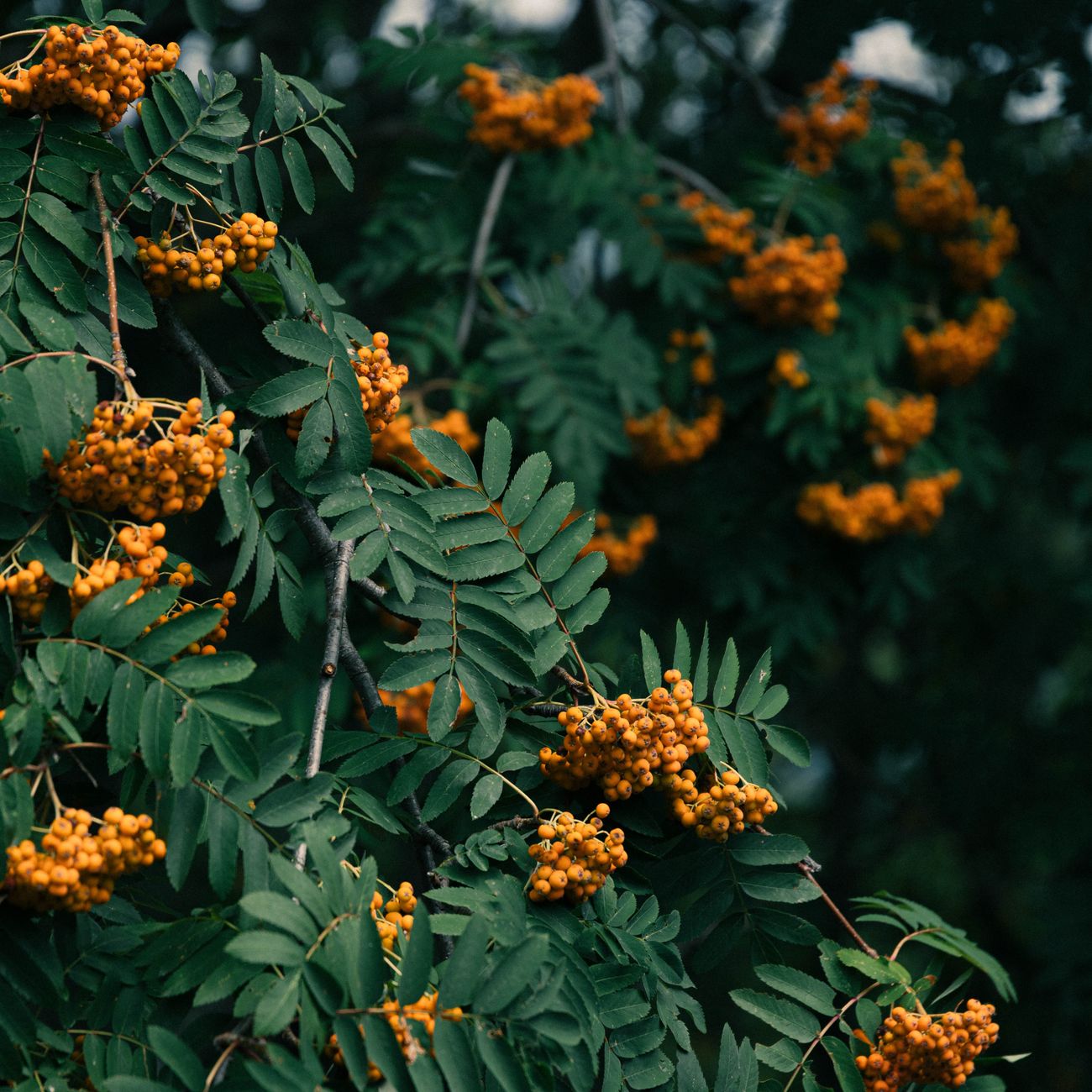
Photo from Pexels
Welcome to this episode of our podcast, where we're exploring the fascinating world of toxicology, specifically the Undergraduate Certificate in Toxicology of Plants, offered by HealthCareCourses (An LSIB brand) or HCC. Today, we're diving into the fundamental principles of Plant Toxicology, a topic that's not only intriguing but also crucial for our well-being and the environment. As we embark on this journey, you'll discover how plants, which are often perceived as harmless, can actually pose significant health risks to humans and animals.
To set the stage, let's take a brief look back at history. The study of plant toxicology dates back thousands of years, with ancient civilizations recognizing the potential dangers of certain plants. From the poisonous plants used in medieval witch hunts to the modern-day concerns about plant-based toxins in our food and environment, the importance of understanding plant toxicology has only grown. The evolution of this field has been remarkable, with advancements in science and technology enabling us to better comprehend the complex interactions between plants, humans, and the environment.
Now, let's delve into the practical applications of Plant Toxicology Principles. Whether you're a healthcare professional, a botanist, or simply a nature enthusiast, understanding how plants can be toxic is essential for making informed decisions about your health and the health of those around you. For instance, did you know that some plants, like the castor bean, contain toxins that can be fatal if ingested? On the other hand, certain plants, such as the foxglove, have been used to develop life-saving medications. By grasping the principles of plant toxicology, you can learn how to identify potential risks, handle plants safely, and even harness their medicinal properties.
As we explore the practical applications, it's also important to highlight common pitfalls to avoid. One of the most significant mistakes people make is underestimating the potency of plant toxins. For example, the beautiful and seemingly harmless oleander plant is actually one of the most toxic plants in the world, with even small amounts of its leaves or flowers being capable of causing severe illness or death. By being aware of these potential dangers, you can take steps to protect yourself and others, such as wearing protective gear when handling plants, keeping toxic plants out of reach of children and pets, and being cautious when foraging for wild plants.
Whether you're a healthcare professional, a botanist, or simply a nature enthusiast, understanding how plants can be toxic is essential for making informed decisions about your health and the health of those around you.
Throughout this episode, we've shared actionable strategies, tips, and examples to help you navigate the complex world of plant toxicology. As you continue on your journey of growth and exploration, remember that knowledge is power, and by applying what you've learned, you can make a positive impact on your life and the lives of those around you. So, don't be afraid to get curious, ask questions, and seek out more information about the fascinating world of toxicology.
Before we wrap up, we want to thank you for tuning in to this episode of our podcast, brought to you by HealthCareCourses (An LSIB brand) or HCC. If you found this episode informative and engaging, please subscribe to our podcast, share it with your friends and family, and join the conversation on social media using the hashtag #HCCpodcast. By doing so, you'll not only stay up-to-date with the latest episodes and topics but also become part of a community that's passionate about learning and growth. Until next time, stay curious, keep exploring, and remember that the world of toxicology is full of surprises – and by being informed, you can stay safe and thrive.
Key takeaways
- Welcome to this episode of our podcast, where we're exploring the fascinating world of toxicology, specifically the Undergraduate Certificate in Toxicology of Plants, offered by HealthCareCourses (An LSIB brand) or HCC.
- From the poisonous plants used in medieval witch hunts to the modern-day concerns about plant-based toxins in our food and environment, the importance of understanding plant toxicology has only grown.
- Whether you're a healthcare professional, a botanist, or simply a nature enthusiast, understanding how plants can be toxic is essential for making informed decisions about your health and the health of those around you.
- For example, the beautiful and seemingly harmless oleander plant is actually one of the most toxic plants in the world, with even small amounts of its leaves or flowers being capable of causing severe illness or death.
- As you continue on your journey of growth and exploration, remember that knowledge is power, and by applying what you've learned, you can make a positive impact on your life and the lives of those around you.
- If you found this episode informative and engaging, please subscribe to our podcast, share it with your friends and family, and join the conversation on social media using the hashtag #HCCpodcast.