
Introduction To Artificial Intelligence
Welcome to the Professional Certificate in AI for Commodities Trading podcast, produced by London School of International Business, or LSIB. I'm your host, and I'm excited to dive into the fascinating world of artificial intelligence, speci…
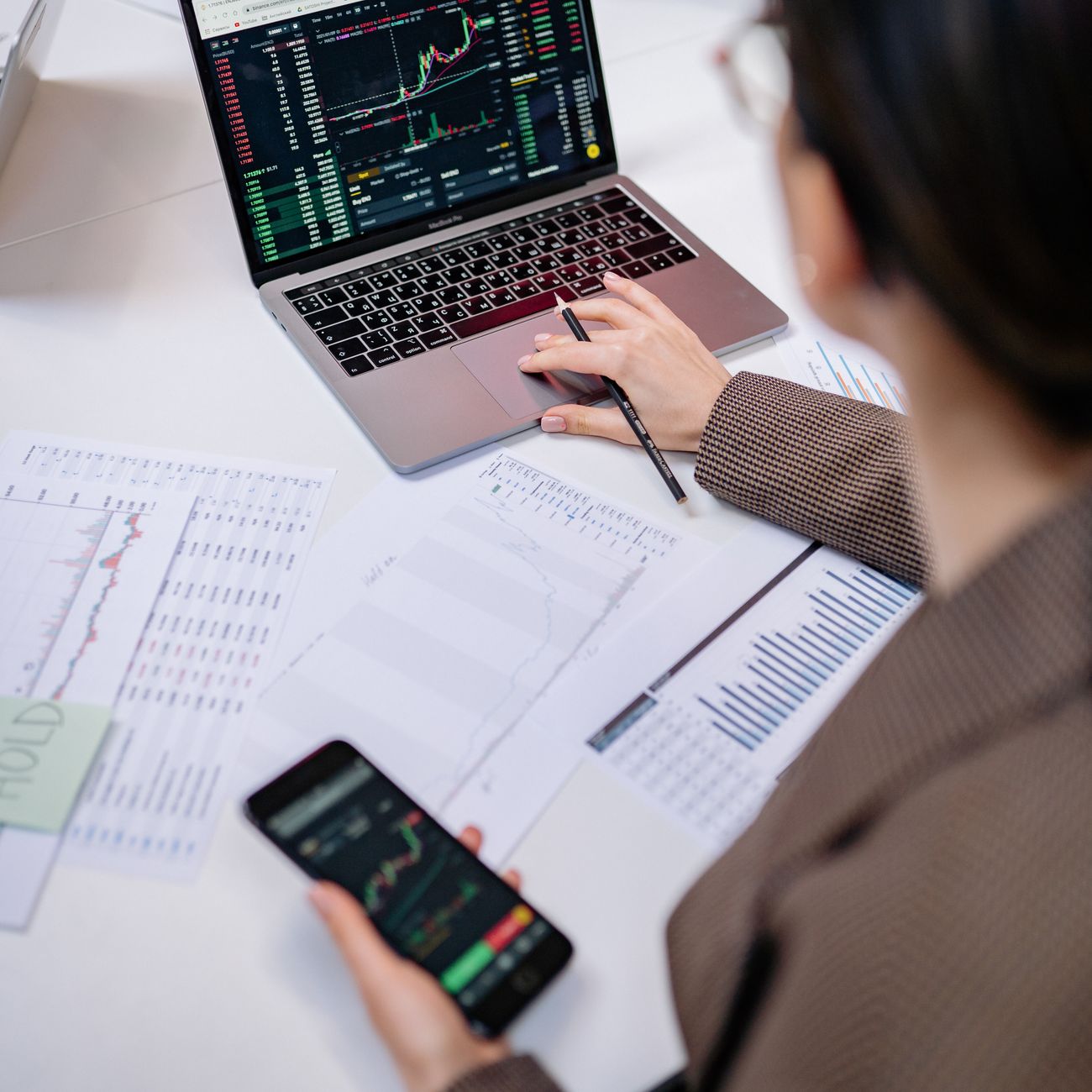
Welcome to the Professional Certificate in AI for Commodities Trading podcast, produced by London School of International Business, or LSIB. I'm your host, and I'm excited to dive into the fascinating world of artificial intelligence, specifically the unit Introduction To Artificial Intelligence. Today, we're going to explore the foundations of AI, its evolution, and most importantly, its practical applications in the commodities trading space.
You might be wondering, what's the big deal about artificial intelligence? Well, let me tell you, AI has been around for decades, but it's only recently that we've seen an explosion of innovation and adoption in various industries. From self-driving cars to personalized product recommendations, AI is transforming the way we live and work. In the context of commodities trading, AI can help you make data-driven decisions, identify patterns, and stay ahead of the competition.
To set the stage, let's take a brief look at the history of AI. The term "artificial intelligence" was coined in the 1950s by computer scientist John McCarthy, and since then, we've seen significant advancements in machine learning, natural language processing, and computer vision. Fast forward to today, and we have AI-powered systems that can analyze vast amounts of data, learn from experience, and adapt to new situations.
So, how can you apply AI in your commodities trading journey? One key area is predictive modeling. By analyzing historical data and market trends, AI algorithms can help you forecast price movements and make informed trading decisions. Another area is risk management. AI can help you identify potential risks and opportunities, allowing you to adjust your strategies and minimize losses. For instance, you can use AI-powered tools to monitor market sentiment, detect anomalies, and receive alerts when unusual activity occurs.
Now, I know some of you might be thinking, "But I'm not a tech expert, how can I possibly use AI in my trading?" Fear not, my friends, because AI is more accessible than ever. With the rise of cloud computing, machine learning frameworks, and user-friendly interfaces, you can start leveraging AI without needing to be a coding genius. Of course, there are also potential pitfalls to avoid, such as over-reliance on automation or ignoring human intuition. The key is to strike a balance between technology and human judgment.
The term "artificial intelligence" was coined in the 1950s by computer scientist John McCarthy, and since then, we've seen significant advancements in machine learning, natural language processing, and computer vision.
To give you a real-life example, let's consider a trader who uses AI to analyze market trends and identify potential entry and exit points. By combining AI insights with their own experience and market knowledge, they can make more informed decisions and maximize their returns. On the other hand, if they rely solely on AI without considering other factors, they might miss out on valuable opportunities or fall into common traps.
As we conclude this episode, I want to leave you with an inspiring message: the world of AI is full of possibilities, and it's up to you to harness its power. Whether you're a seasoned trader or just starting out, AI can help you take your skills to the next level. So, don't be afraid to experiment, learn from your mistakes, and stay curious. Remember, the journey to mastering AI is just as important as the destination.
If you enjoyed this episode, be sure to subscribe to our podcast, produced by London School of International Business, or LSIB, and share it with your friends and colleagues. Join our community to stay updated on the latest trends and insights in AI for commodities trading. You can also engage with us on social media, ask questions, and provide feedback. Together, let's explore the exciting world of AI and unlock new opportunities for growth and success. Thanks for tuning in, and we'll catch you in the next episode!
Key takeaways
- I'm your host, and I'm excited to dive into the fascinating world of artificial intelligence, specifically the unit Introduction To Artificial Intelligence.
- Well, let me tell you, AI has been around for decades, but it's only recently that we've seen an explosion of innovation and adoption in various industries.
- The term "artificial intelligence" was coined in the 1950s by computer scientist John McCarthy, and since then, we've seen significant advancements in machine learning, natural language processing, and computer vision.
- For instance, you can use AI-powered tools to monitor market sentiment, detect anomalies, and receive alerts when unusual activity occurs.
- With the rise of cloud computing, machine learning frameworks, and user-friendly interfaces, you can start leveraging AI without needing to be a coding genius.
- On the other hand, if they rely solely on AI without considering other factors, they might miss out on valuable opportunities or fall into common traps.
- As we conclude this episode, I want to leave you with an inspiring message: the world of AI is full of possibilities, and it's up to you to harness its power.