
Medical Equipment Selection and Procurement
Welcome to this exciting episode of our podcast, where we delve into the world of Medical Equipment Selection and Procurement. This topic is crucial for anyone involved in healthcare management, and its relevance extends to anyone who uses …
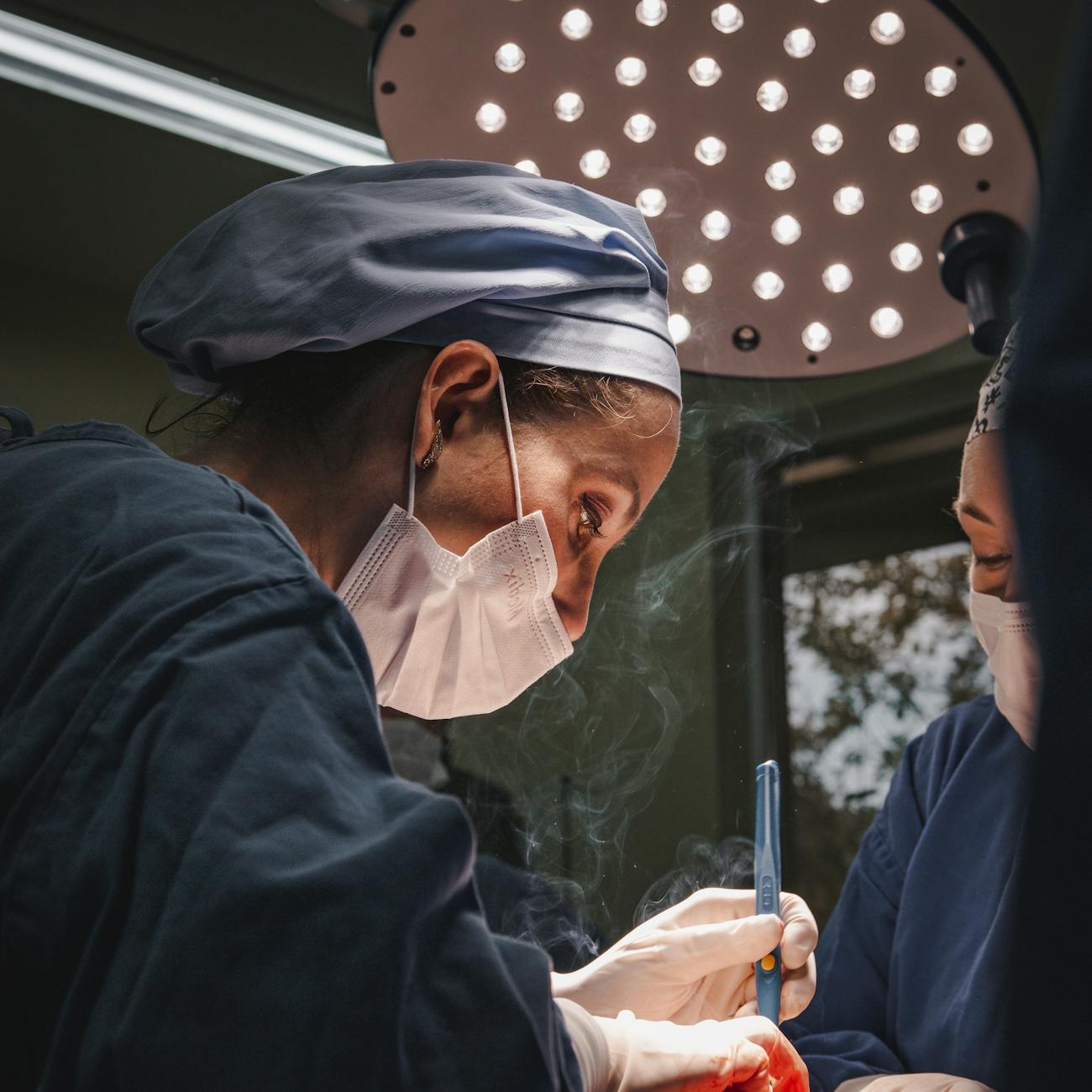
Photo from Pexels
Welcome to this exciting episode of our podcast, where we delve into the world of Medical Equipment Selection and Procurement. This topic is crucial for anyone involved in healthcare management, and its relevance extends to anyone who uses or benefits from medical equipment.
Imagine a world without medical equipment - no life-saving devices, no diagnostic tools, and no way to monitor patient health. The evolution of medical equipment has been a game-changer in the medical field, transforming healthcare from a mere observation-based practice to a technology-driven industry. The selection and procurement of this equipment, however, is an art that requires careful consideration, strategic planning, and meticulous execution.
In this unit, we'll explore the practical applications of Medical Equipment Selection and Procurement, sharing actionable strategies, tips, and examples that you can use in your own lives or work. Let's start with the basics.
When selecting medical equipment, it's essential to consider the needs of your patients, the capabilities of your staff, and the constraints of your facility. It's like buying a car - you wouldn't buy a sports car if you need to transport a family of five, just as you wouldn't buy a minivan if you're a single person who enjoys racing.
One common pitfall in medical equipment selection is focusing solely on the initial cost. While it's crucial to stay within budget, it's equally important to consider the long-term costs, such as maintenance, training, and potential upgrades.
For instance, let's say you're deciding between two ventilators. Ventilator A costs $10,000 less than Ventilator B, but Ventilator B has a lower maintenance cost, requires less training, and is more energy-efficient. Over time, Ventilator B could save you more money than Ventilator A, making it a more cost-effective choice despite the higher upfront cost.
Now, let's move on to procurement. Once you've selected the right equipment, it's time to acquire it. This process involves researching vendors, negotiating prices, and ensuring timely delivery. It's like planning a vacation - you wouldn't book the first flight you find without checking other airlines, looking for discounts, and considering the travel time.
While it might be tempting to choose the cheapest vendor or rush the process, these shortcuts can lead to issues down the line, such as poor quality equipment, delayed delivery, or hidden costs.
In procurement, it's essential to avoid cutting corners. While it might be tempting to choose the cheapest vendor or rush the process, these shortcuts can lead to issues down the line, such as poor quality equipment, delayed delivery, or hidden costs.
To illustrate this, let's consider the procurement of an ultrasound machine. Vendor A offers the machine at a lower price, but Vendor B has a better reputation for quality and customer service. By choosing Vendor B, you might pay more initially, but you'll likely receive a higher quality machine, better support, and fewer headaches in the long run.
In conclusion, the selection and procurement of medical equipment is a complex yet fascinating process. By understanding the basics, avoiding common pitfalls, and applying strategic thinking, you can make informed decisions that benefit your patients, your staff, and your facility.
As you continue your journey in Medical Equipment Management, remember that every challenge is an opportunity for growth. Apply what you've learned, stay curious, and keep pushing the boundaries of what's possible.
And before we go, we'd like to ask for your support. If you enjoyed this episode, please subscribe to our podcast, share it with your friends and colleagues, and leave us a review. Your engagement helps us continue creating valuable content for the Medical Equipment Management community.
Thank you for joining us, and we look forward to continuing this journey together. Until next time, stay curious, and keep learning!
Key takeaways
- This topic is crucial for anyone involved in healthcare management, and its relevance extends to anyone who uses or benefits from medical equipment.
- The evolution of medical equipment has been a game-changer in the medical field, transforming healthcare from a mere observation-based practice to a technology-driven industry.
- In this unit, we'll explore the practical applications of Medical Equipment Selection and Procurement, sharing actionable strategies, tips, and examples that you can use in your own lives or work.
- It's like buying a car - you wouldn't buy a sports car if you need to transport a family of five, just as you wouldn't buy a minivan if you're a single person who enjoys racing.
- While it's crucial to stay within budget, it's equally important to consider the long-term costs, such as maintenance, training, and potential upgrades.
- Ventilator A costs $10,000 less than Ventilator B, but Ventilator B has a lower maintenance cost, requires less training, and is more energy-efficient.
- It's like planning a vacation - you wouldn't book the first flight you find without checking other airlines, looking for discounts, and considering the travel time.