
Quality Control in Pharmaceutical Formulation
Hey there, welcome to another episode of our Global Certificate Course in Pharmaceutical Formulation Techniques. Today, we're diving into the fascinating world of Quality Control in Pharmaceutical Formulation.
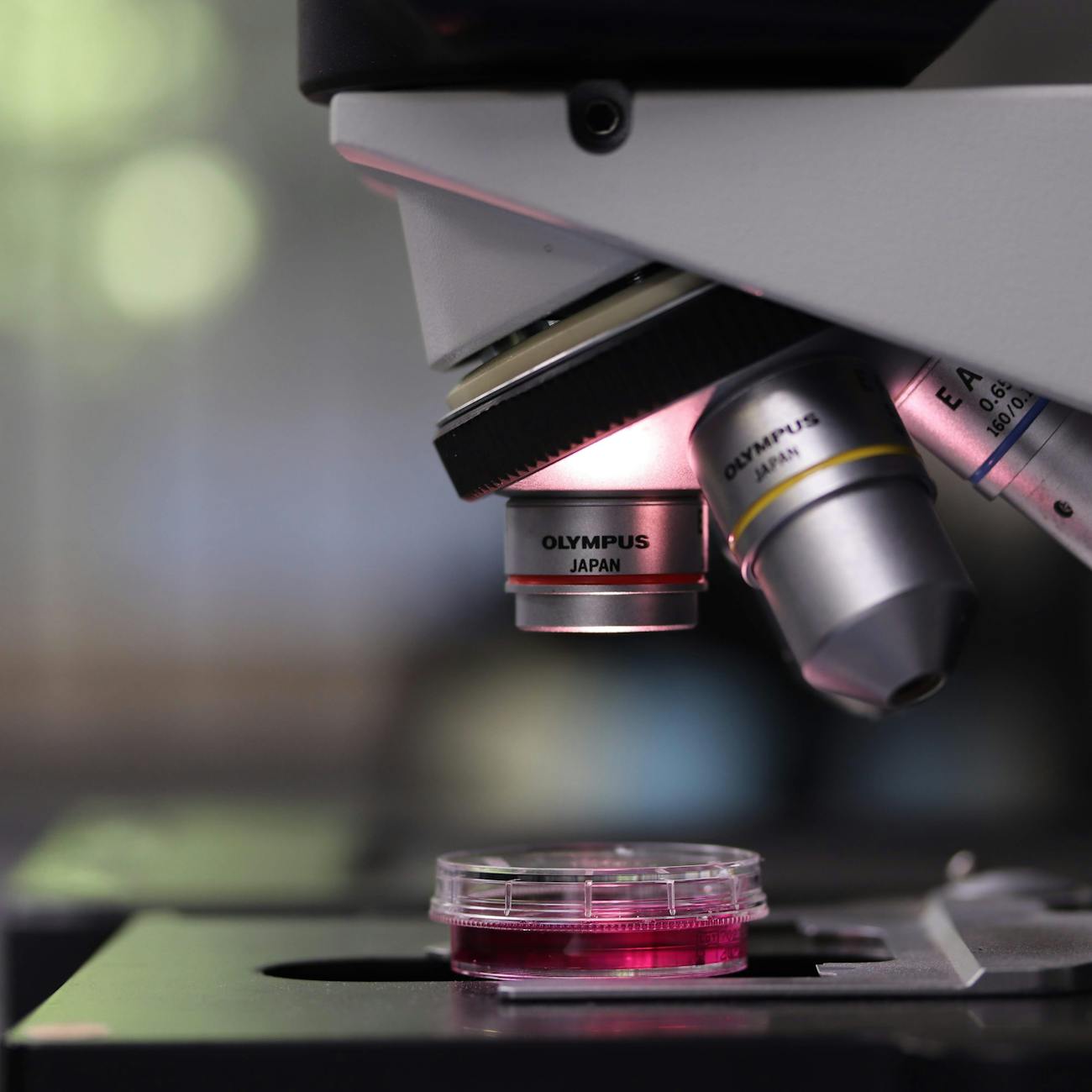
Photo from Pexels
Hey there, welcome to another episode of our Global Certificate Course in Pharmaceutical Formulation Techniques. Today, we're diving into the fascinating world of Quality Control in Pharmaceutical Formulation.
Quality Control is at the heart of ensuring that pharmaceutical products are safe, effective, and of high quality. It's a critical aspect of the formulation process that can make or break the success of a product. Think of it as the quality assurance checkpoint that ensures everything is up to standard before the product reaches the hands of consumers.
But how did we get here? Quality Control in pharmaceutical formulation has come a long way over the years, evolving alongside advancements in technology and science. From simple visual inspections to sophisticated analytical techniques, the field has seen tremendous growth and improvement.
Now, let's talk practical applications. So, how can you ensure quality control in your own pharmaceutical formulations? One key strategy is to establish robust quality control checkpoints throughout the formulation process. This can involve thorough testing, documentation, and analysis to identify any potential issues early on.
It's also important to be aware of common pitfalls in quality control. For example, overlooking key parameters during testing or relying too heavily on automated systems. By being proactive and vigilant, you can avoid these pitfalls and ensure that your formulations meet the highest standards.
Quality Control in pharmaceutical formulation has come a long way over the years, evolving alongside advancements in technology and science.
As we wrap up, I want to leave you with this thought: Quality Control is not just a box to check off, it's a mindset. By approaching your work with a commitment to quality and excellence, you can make a real difference in the lives of patients who rely on pharmaceutical products.
So, I encourage you to take what you've learned today and apply it in your own work. Together, we can raise the bar for quality control in pharmaceutical formulation and make a positive impact on the healthcare industry.
If you enjoyed this episode, don't forget to subscribe for more content like this. And be sure to share it with others who may benefit from learning about Quality Control in Pharmaceutical Formulation. Thanks for tuning in, and until next time, keep raising the standard for quality in everything you do.
Key takeaways
- Hey there, welcome to another episode of our Global Certificate Course in Pharmaceutical Formulation Techniques.
- Think of it as the quality assurance checkpoint that ensures everything is up to standard before the product reaches the hands of consumers.
- Quality Control in pharmaceutical formulation has come a long way over the years, evolving alongside advancements in technology and science.
- This can involve thorough testing, documentation, and analysis to identify any potential issues early on.
- By being proactive and vigilant, you can avoid these pitfalls and ensure that your formulations meet the highest standards.
- By approaching your work with a commitment to quality and excellence, you can make a real difference in the lives of patients who rely on pharmaceutical products.
- Together, we can raise the bar for quality control in pharmaceutical formulation and make a positive impact on the healthcare industry.