
Athlete-Centered Coaching
Welcome to another episode of our podcast series for the Professional Certificate in Adaptive Sports Coaching. Today, we're diving into the fascinating topic of Athlete-Centered Coaching, a key unit in our course that is all about putting t…
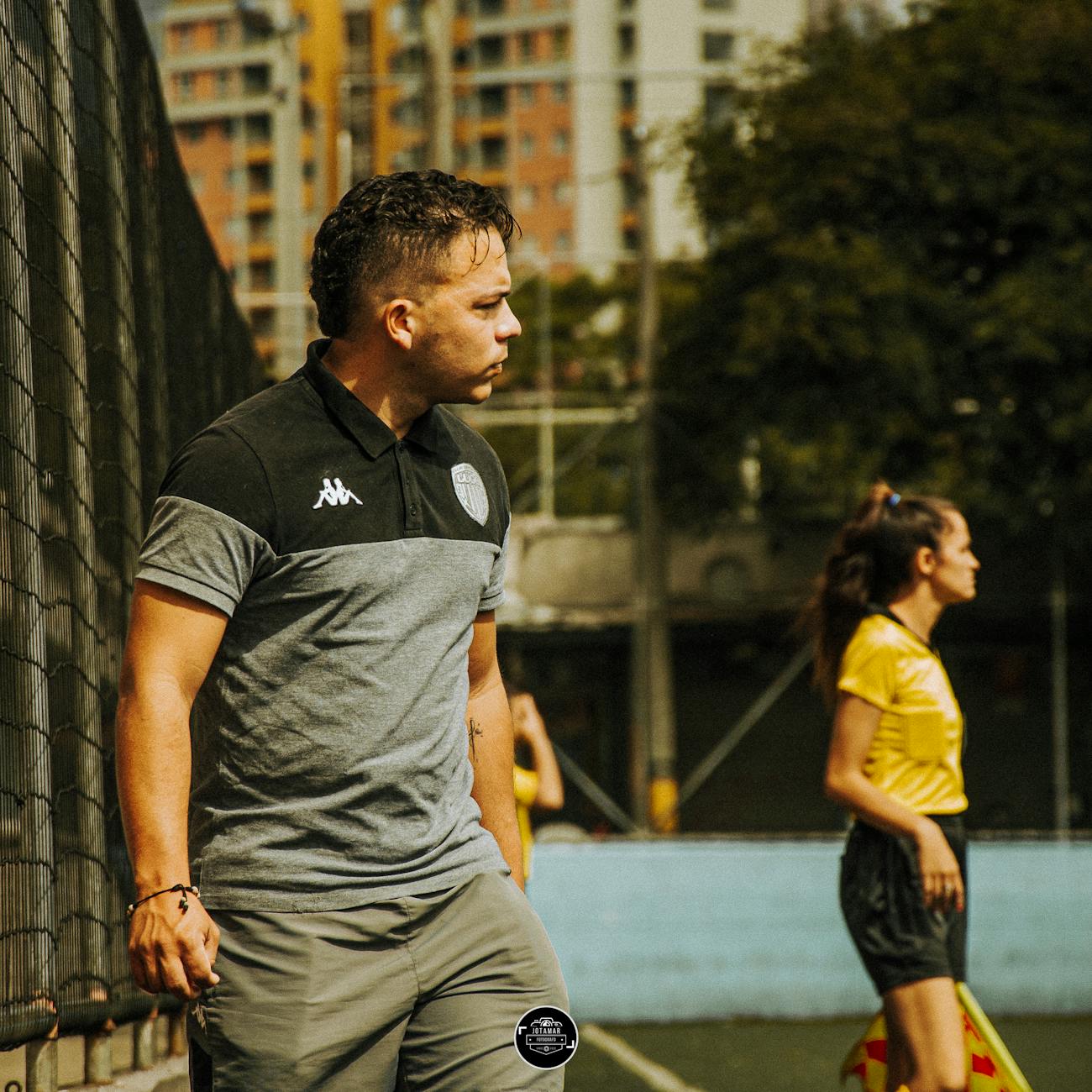
Photo from Pexels
Welcome to another episode of our podcast series for the Professional Certificate in Adaptive Sports Coaching. Today, we're diving into the fascinating topic of Athlete-Centered Coaching, a key unit in our course that is all about putting the athlete at the heart of the coaching process.
Athlete-Centered Coaching is not just a trend or a buzzword – it's a fundamental shift in the way coaches approach their work. It's about moving away from a one-size-fits-all approach and instead, tailoring coaching strategies to meet the unique needs and goals of each individual athlete.
But where did this concept come from? Athlete-Centered Coaching has its roots in the recognition that every athlete is different, with their own strengths, weaknesses, and preferences. It's about empowering athletes to take ownership of their development and creating a partnership between coach and athlete.
So, how can you put Athlete-Centered Coaching into practice? One key strategy is to involve athletes in the decision-making process, allowing them to have a say in their training plans and goals. This not only increases motivation and engagement but also leads to better results.
Another important aspect of Athlete-Centered Coaching is building strong relationships with your athletes. By getting to know them on a personal level, you can better understand their motivations, fears, and aspirations, and tailor your coaching accordingly.
Of course, there are also pitfalls to avoid when implementing Athlete-Centered Coaching. One common mistake is assuming that all athletes want the same thing. It's essential to take the time to listen to each athlete and adapt your approach accordingly.
By getting to know them on a personal level, you can better understand their motivations, fears, and aspirations, and tailor your coaching accordingly.
As we wrap up today's episode, I want to leave you with this thought: Athlete-Centered Coaching is not just a methodology – it's a mindset. It's about putting the athlete first in everything you do and empowering them to reach their full potential.
So, I encourage you to take what you've learned today and apply it in your own coaching practice. And remember, the journey of growth and learning is ongoing. Keep exploring, keep evolving, and keep striving to be the best coach you can be.
If you enjoyed today's episode, don't forget to subscribe to our podcast, share it with your colleagues, and engage with us on social media. Together, we can create a community of passionate and dedicated coaches who are committed to making a difference in the world of adaptive sports.
Thanks for tuning in, and until next time, keep coaching with heart and purpose.
Key takeaways
- Today, we're diving into the fascinating topic of Athlete-Centered Coaching, a key unit in our course that is all about putting the athlete at the heart of the coaching process.
- It's about moving away from a one-size-fits-all approach and instead, tailoring coaching strategies to meet the unique needs and goals of each individual athlete.
- Athlete-Centered Coaching has its roots in the recognition that every athlete is different, with their own strengths, weaknesses, and preferences.
- One key strategy is to involve athletes in the decision-making process, allowing them to have a say in their training plans and goals.
- By getting to know them on a personal level, you can better understand their motivations, fears, and aspirations, and tailor your coaching accordingly.
- It's essential to take the time to listen to each athlete and adapt your approach accordingly.
- As we wrap up today's episode, I want to leave you with this thought: Athlete-Centered Coaching is not just a methodology – it's a mindset.