
Fleet Procurement and Disposal
Welcome to another episode of our podcast series for the Professional Certificate in Vehicle Fleet Management. Today, we're diving into the fascinating world of Fleet Procurement and Disposal - a crucial aspect of fleet management that can …
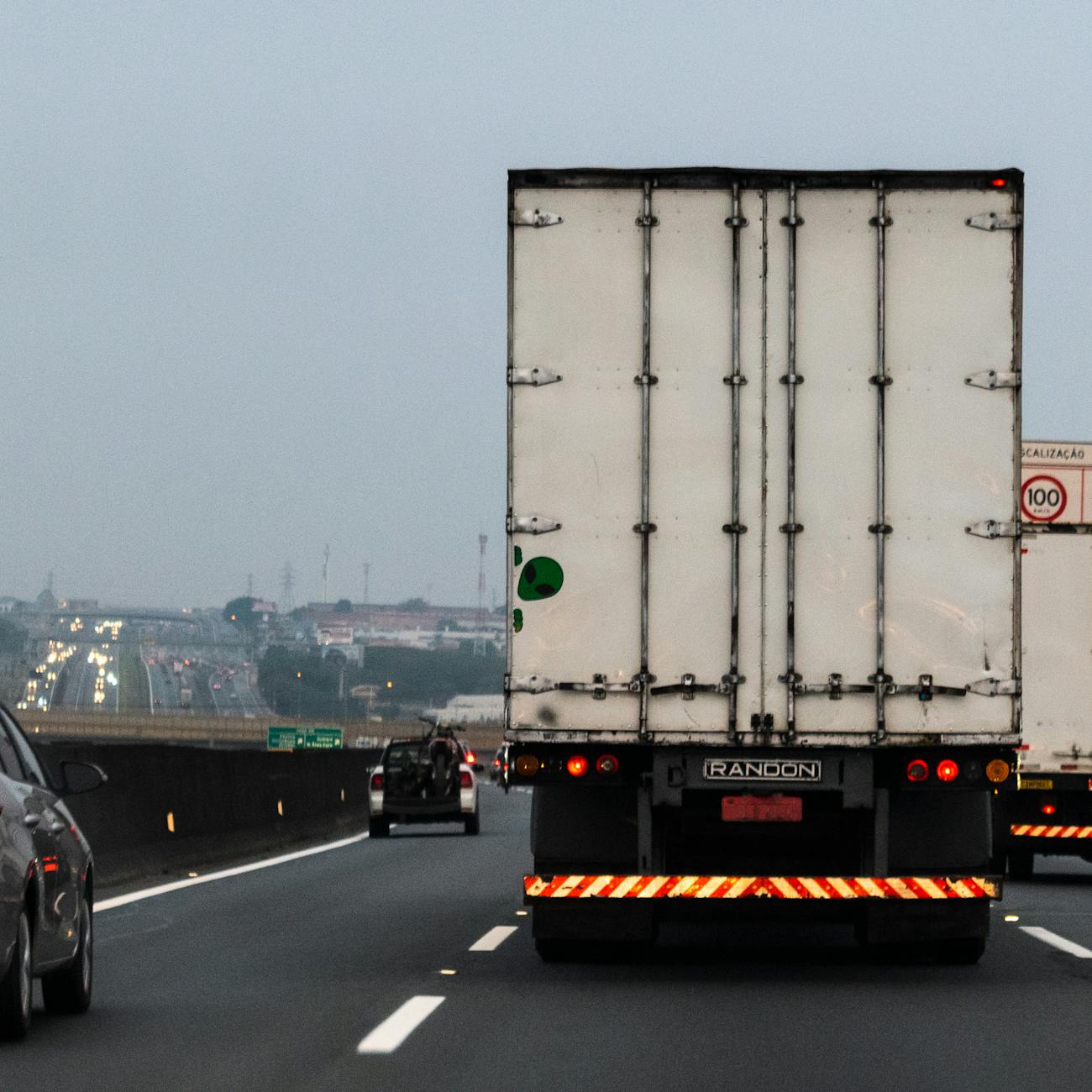
Photo from Pexels
Welcome to another episode of our podcast series for the Professional Certificate in Vehicle Fleet Management. Today, we're diving into the fascinating world of Fleet Procurement and Disposal - a crucial aspect of fleet management that can make or break the efficiency and effectiveness of your operations.
Fleet Procurement and Disposal is more than just buying and selling vehicles - it's about strategic decision-making, cost management, and ensuring you have the right vehicles for the job. Throughout the history of fleet management, we've seen how this process has evolved from simple transactions to complex, data-driven strategies that can drive success for your organization.
So, why is Fleet Procurement and Disposal so important? Well, it's all about maximizing value for your fleet while minimizing costs and risks. By understanding the best practices and techniques in this area, you can ensure that your fleet is always operating at its peak performance.
Let's get practical. When it comes to Fleet Procurement, it's essential to conduct thorough research, negotiate effectively, and consider factors like total cost of ownership and lifecycle analysis. By taking a strategic approach to procurement, you can make informed decisions that benefit your bottom line and your fleet's performance.
On the flip side, Fleet Disposal requires careful planning and execution to ensure that you're getting the best return on your investment. Whether you're selling off old vehicles or upgrading your fleet, it's crucial to consider factors like depreciation, market trends, and environmental impact to make the most of your assets.
Whether you're selling off old vehicles or upgrading your fleet, it's crucial to consider factors like depreciation, market trends, and environmental impact to make the most of your assets.
But beware of common pitfalls in Fleet Procurement and Disposal - from overpaying for vehicles to neglecting proper maintenance or resale strategies. By learning from these mistakes and implementing best practices, you can avoid costly errors and drive success for your fleet.
As we wrap up today's episode, remember that Fleet Procurement and Disposal is a dynamic and ever-changing field. By staying informed, being proactive, and continuously improving your strategies, you can take your fleet management to the next level.
So, take action today. Apply what you've learned, share your insights with others, and keep striving for excellence in your fleet management journey. And don't forget to subscribe to our podcast, share it with your colleagues, and join the conversation on social media.
Thanks for tuning in, and until next time, keep on driving towards success in fleet management!
Key takeaways
- Today, we're diving into the fascinating world of Fleet Procurement and Disposal - a crucial aspect of fleet management that can make or break the efficiency and effectiveness of your operations.
- Throughout the history of fleet management, we've seen how this process has evolved from simple transactions to complex, data-driven strategies that can drive success for your organization.
- By understanding the best practices and techniques in this area, you can ensure that your fleet is always operating at its peak performance.
- When it comes to Fleet Procurement, it's essential to conduct thorough research, negotiate effectively, and consider factors like total cost of ownership and lifecycle analysis.
- Whether you're selling off old vehicles or upgrading your fleet, it's crucial to consider factors like depreciation, market trends, and environmental impact to make the most of your assets.
- But beware of common pitfalls in Fleet Procurement and Disposal - from overpaying for vehicles to neglecting proper maintenance or resale strategies.
- By staying informed, being proactive, and continuously improving your strategies, you can take your fleet management to the next level.