
Equine Musculoskeletal System
Expert-defined terms from the Advanced Skill Certificate in Equine Biomechanics course at LearnUNI. Free to read, free to share, paired with a professional course.
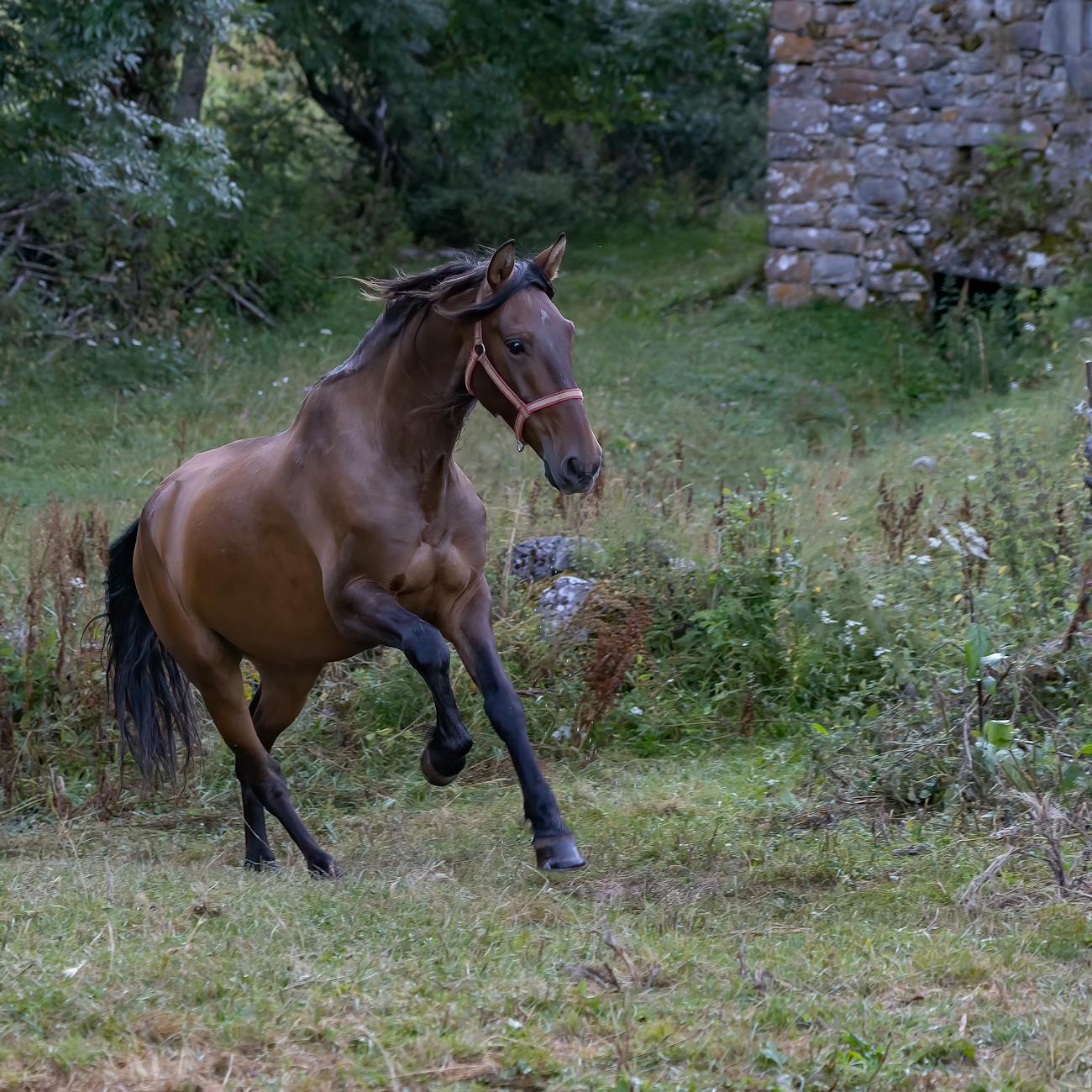
Equine Musculoskeletal System #
Equine Musculoskeletal System
The equine musculoskeletal system refers to the structure and function of the mu… #
It plays a crucial role in the movement, support, and protection of the horse's body. Understanding the equine musculoskeletal system is essential for horse owners, trainers, riders, and veterinarians to maintain the horse's overall health and performance.
Types of Muscles #
Types of Muscles
Muscles in the equine musculoskeletal system can be categorized into three main… #
Muscles in the equine musculoskeletal system can be categorized into three main types: skeletal muscles, smooth muscles, and cardiac muscles.
- Skeletal Muscles: Skeletal muscles are attached to the bones and are re… #
- Skeletal Muscles: Skeletal muscles are attached to the bones and are responsible for voluntary movements, such as walking, running, and jumping.
- Smooth Muscles: Smooth muscles are found in the internal organs, blood… #
They are responsible for involuntary movements, such as digestion and circulation.
- Cardiac Muscles: Cardiac muscles are unique to the heart and are respon… #
- Cardiac Muscles: Cardiac muscles are unique to the heart and are responsible for pumping blood throughout the horse's body.
Functions of the Musculoskeletal System #
Functions of the Musculoskeletal System
The equine musculoskeletal system performs several essential functions, includin… #
The equine musculoskeletal system performs several essential functions, including:
- Movement: Muscles work together with bones and joints to produce coordi… #
- Movement: Muscles work together with bones and joints to produce coordinated movements in horses.
- Support: The musculoskeletal system provides structural support to the… #
- Support: The musculoskeletal system provides structural support to the horse's body, allowing it to maintain posture and balance.
- Protection: Muscles and bones protect vital organs and tissues from ext… #
- Protection: Muscles and bones protect vital organs and tissues from external injuries.
- Temperature Regulation: Muscles generate heat during exercise, helping… #
- Temperature Regulation: Muscles generate heat during exercise, helping the horse regulate its body temperature.
- Metabolism: Muscles play a significant role in energy metabolism, stori… #
- Metabolism: Muscles play a significant role in energy metabolism, storing and utilizing nutrients for muscle contraction.
Components of the Equine Musculoskeletal System #
Components of the Equine Musculoskeletal System
The equine musculoskeletal system is composed of several key components, includi… #
The equine musculoskeletal system is composed of several key components, including:
- Bones: The skeletal system provides the framework for the horse's body… #
Bones are connected by joints and are essential for movement.
- Muscles: Muscles are responsible for generating force and producing mov… #
They work in pairs to contract and relax, allowing the horse to perform various activities.
- Joints: Joints are the connection points between bones and provide flex… #
They are crucial for smooth movement and shock absorption.
- Tendons: Tendons are tough, fibrous tissues that connect muscles to bon… #
They transmit forces generated by muscles to the bones, allowing movement.
- Ligaments: Ligaments are strong bands of connective tissue that connect… #
- Ligaments: Ligaments are strong bands of connective tissue that connect bones to bones, providing stability and support to the joints.
- Cartilage: Cartilage is a smooth, flexible tissue that covers the ends… #
It acts as a cushion and reduces friction during movement.
- Synovial Fluid: Synovial fluid is a lubricating fluid found in joints t… #
- Synovial Fluid: Synovial fluid is a lubricating fluid found in joints that helps reduce friction and provide nutrients to the cartilage.
- Bursae: Bursae are small, fluid-filled sacs located near joints that ac… #
- Bursae: Bursae are small, fluid-filled sacs located near joints that act as cushions and reduce friction between tendons and bones.
Common Musculoskeletal Disorders #
Common Musculoskeletal Disorders
Several musculoskeletal disorders can affect horses, leading to pain, lameness,… #
Some common musculoskeletal disorders include:
- Arthritis: Arthritis is the inflammation of the joints, leading to pain… #
- Arthritis: Arthritis is the inflammation of the joints, leading to pain, stiffness, and reduced mobility.
- Tendonitis: Tendonitis is the inflammation of the tendons, often caused… #
- Tendonitis: Tendonitis is the inflammation of the tendons, often caused by overuse or trauma.
- Ligament Injuries: Ligament injuries can occur due to sudden trauma or… #
- Ligament Injuries: Ligament injuries can occur due to sudden trauma or repetitive stress, leading to instability and lameness.
- Bone Fractures: Bone fractures can result from trauma or excessive load… #
- Bone Fractures: Bone fractures can result from trauma or excessive loading, causing severe pain and immobility.
- Muscle Strains: Muscle strains occur when muscles are stretched or torn… #
- Muscle Strains: Muscle strains occur when muscles are stretched or torn, leading to pain and weakness.
Assessment of the Equine Musculoskeletal System #
Assessment of the Equine Musculoskeletal System
Assessing the equine musculoskeletal system is essential for diagnosing and trea… #
Several tools and techniques can be used to evaluate the musculoskeletal system in horses, including:
- Physical Examination: A thorough physical examination can help identify… #
- Physical Examination: A thorough physical examination can help identify signs of pain, swelling, or abnormalities in the musculoskeletal system.
- Lameness Evaluation: Lameness exams involve observing the horse's movem… #
- Lameness Evaluation: Lameness exams involve observing the horse's movement at different gaits to identify signs of pain or asymmetry.
- Diagnostic Imaging: X-rays, ultrasound, MRI, and CT scans can provide d… #
- Diagnostic Imaging: X-rays, ultrasound, MRI, and CT scans can provide detailed images of bones, joints, and soft tissues, helping to diagnose musculoskeletal disorders.
- Joint Flexion Tests: Flexion tests involve flexing specific joints to a… #
- Joint Flexion Tests: Flexion tests involve flexing specific joints to assess pain or stiffness in the affected area.
- Nerve Blocks: Nerve blocks can be used to localize the source of pain i… #
- Nerve Blocks: Nerve blocks can be used to localize the source of pain in the musculoskeletal system by temporarily numbing specific nerves.
- Endoscopy: Endoscopy can be used to visualize internal structures, such… #
- Endoscopy: Endoscopy can be used to visualize internal structures, such as joints or tendons, to diagnose injuries or abnormalities.
Management of Musculoskeletal Disorders #
Management of Musculoskeletal Disorders
Managing musculoskeletal disorders in horses involves a comprehensive approach t… #
Managing musculoskeletal disorders in horses involves a comprehensive approach that may include:
- Rest: Rest is essential for allowing injured tissues to heal and recove… #
- Rest: Rest is essential for allowing injured tissues to heal and recover from musculoskeletal disorders.
- Physical Therapy: Physical therapy techniques, such as stretching, mass… #
- Physical Therapy: Physical therapy techniques, such as stretching, massage, and hydrotherapy, can help improve flexibility, strength, and mobility.
- Medications: Anti-inflammatory medications, pain relievers, and joint s… #
- Medications: Anti-inflammatory medications, pain relievers, and joint supplements may be prescribed to manage pain and inflammation in musculoskeletal disorders.
- Surgery: In severe cases, surgical intervention may be required to repa… #
- Surgery: In severe cases, surgical intervention may be required to repair damaged tissues or stabilize fractures.
- Rehabilitation: Rehabilitation programs tailored to the individual hors… #
- Rehabilitation: Rehabilitation programs tailored to the individual horse's needs can help restore function and performance after musculoskeletal injuries.
- Preventive Care: Proper nutrition, regular exercise, and adequate hoof… #
- Preventive Care: Proper nutrition, regular exercise, and adequate hoof care can help prevent musculoskeletal disorders in horses.
In conclusion, the equine musculoskeletal system is a complex and vital componen… #
Understanding the structure and function of the musculoskeletal system is essential for maintaining the overall health and performance of horses. By recognizing common musculoskeletal disorders, assessing the musculoskeletal system accurately, and implementing appropriate management strategies, horse owners, trainers, riders, and veterinarians can ensure the well-being and longevity of their equine partners.