
Equine Conformation and Movement
Expert-defined terms from the Advanced Skill Certificate in Equine Biomechanics course at LearnUNI. Free to read, free to share, paired with a professional course.
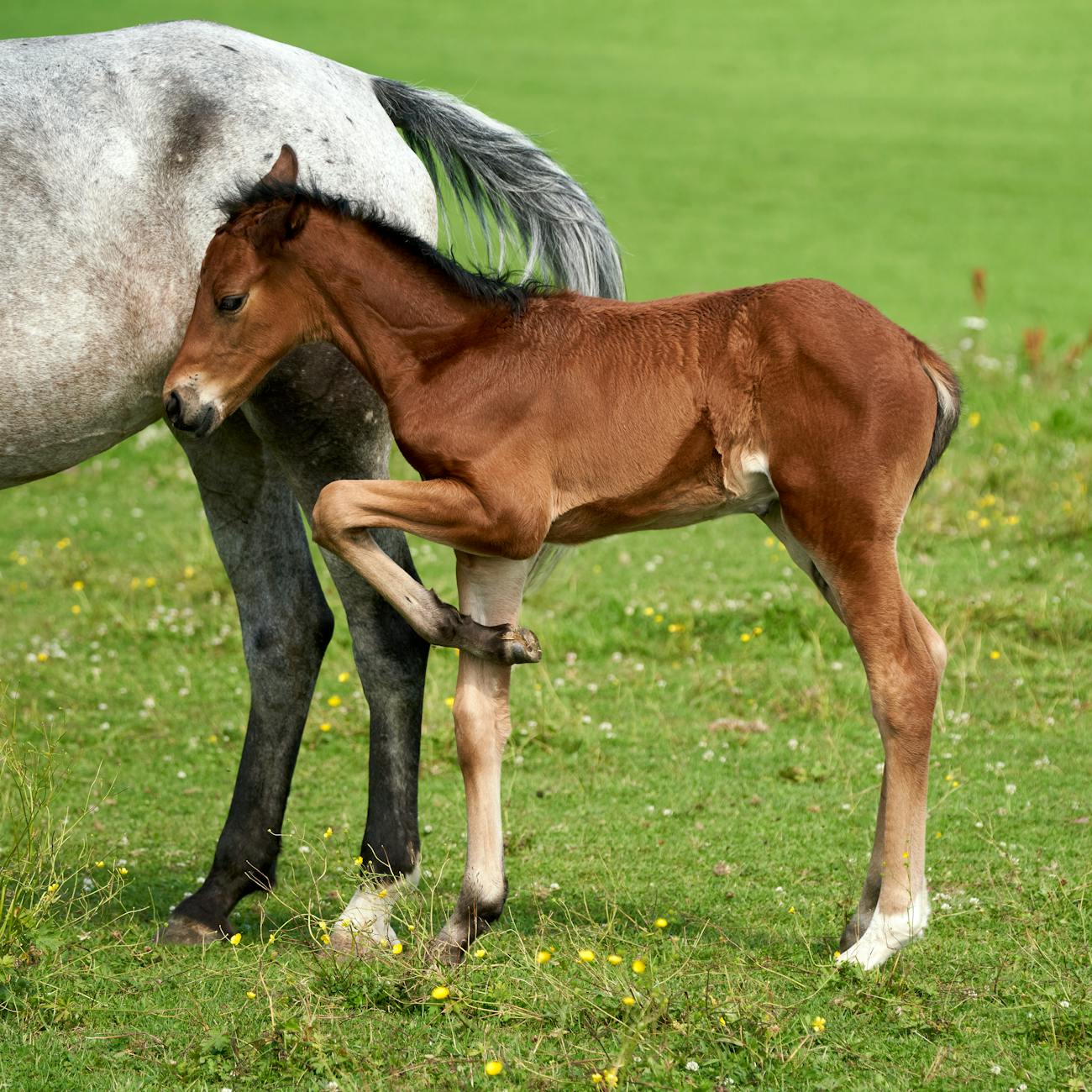
Equine Conformation and Movement #
Equine conformation refers to the physical structure and appearance of a horse,… #
Conformation plays a crucial role in determining a horse's athletic ability, soundness, and overall performance potential. Movement, on the other hand, refers to how a horse physically moves, including its gait, stride length, balance, and coordination. Understanding equine conformation and movement is essential for assessing a horse's suitability for specific disciplines, identifying potential performance limitations, and optimizing training programs.
Alignment #
Alignment in equine conformation refers to the correct positioning of the horse'… #
Proper alignment is essential for optimal movement, balance, and performance. Deviations from ideal alignment can lead to gait abnormalities, lameness, and reduced athletic ability. Assessing alignment involves evaluating the horse's stance, posture, and movement patterns to identify any asymmetries or irregularities that may impact its overall conformation and performance.
Anatomy #
Anatomy in equine biomechanics refers to the study of the horse's physical struc… #
Understanding equine anatomy is essential for assessing conformation, movement, and biomechanical principles. Knowledge of anatomy allows horse owners, trainers, and veterinarians to identify potential issues, design effective training programs, and prevent injuries. Anatomical knowledge also plays a crucial role in evaluating the impact of different training methods, equipment, and environmental factors on a horse's overall biomechanics.
Balance #
Balance in equine movement refers to the horse's ability to distribute its weigh… #
Proper balance is essential for efficient movement, coordination, and performance. Imbalances in a horse's conformation or muscle development can affect its ability to maintain balance, leading to compensatory movements, gait abnormalities, and performance limitations. Improving a horse's balance through targeted exercises, training techniques, and physical therapy can enhance its athletic ability and overall biomechanical function.
Biomechanics #
Biomechanics in equine science refers to the study of how a horse's body moves a… #
Equine biomechanics combines principles of physics, anatomy, physiology, and engineering to analyze the mechanics of horse movement, conformation, and performance. By understanding the biomechanics of equine locomotion, professionals can optimize training programs, enhance athletic performance, and prevent injuries. Applying biomechanical principles to horse training and management can improve overall welfare and longevity.
Collection #
Collection in equine movement refers to the ability of a horse to engage its hin… #
Collection is essential for advanced movements, such as piaffe, passage, and flying changes, as well as for enhancing overall performance and athleticism. Achieving proper collection requires strength, balance, and coordination from the horse, as well as skillful riding and training from the rider. Developing collection through exercises, transitions, and suppling techniques can improve a horse's flexibility, responsiveness, and overall biomechanical function.
Conformation #
Conformation in equine anatomy refers to the physical structure and appearance o… #
Evaluating conformation involves assessing the horse's stance, posture, and movement patterns to identify strengths, weaknesses, and potential performance limitations. Ideal conformation varies depending on the horse's breed, discipline, and intended use. Good conformation is generally associated with soundness, athleticism, and longevity, while poor conformation can lead to gait abnormalities, lameness, and reduced performance potential.
Extension #
Extension in equine movement refers to the lengthening of a horse's stride, part… #
Extension is commonly seen in dressage movements, such as extended trot and extended canter, where the horse demonstrates power, reach, and suspension in its movement. Developing extension requires strength, balance, and suppleness from the horse, as well as precise aids and timing from the rider. Improving extension through exercises, transitions, and gymnastic work can enhance a horse's overall athleticism, expression, and biomechanical function.
Flexion #
Flexion in equine movement refers to the bending of a horse's joints, particular… #
Proper flexion allows the horse to round its back, elevate its forehand, and engage its hindquarters, leading to improved collection, balance, and impulsion. Developing flexion requires relaxation, elasticity, and responsiveness from the horse, as well as clear communication and timing from the rider. Improving flexion through lateral work, bending exercises, and transitions can enhance a horse's overall flexibility, responsiveness, and biomechanical function.
Gait #
Gait in equine movement refers to the specific sequence of footfalls and movemen… #
Common gaits include walk, trot, canter, gallop, and various lateral movements, such as leg yield, shoulder-in, and haunches-in. Each gait has unique characteristics, footfall patterns, and biomechanical requirements that impact the horse's balance, impulsion, and collection. Understanding the mechanics of each gait is essential for optimizing training programs, improving performance, and preventing injuries. Developing a horse's gait through exercises, transitions, and gymnastic work can enhance its athleticism, expression, and overall biomechanical function.
Impulsion #
Impulsion in equine movement refers to the energy, power, and forward momentum g… #
Proper impulsion is essential for fluid, expressive movement, as well as for executing advanced maneuvers, such as extended trot, canter pirouette, and flying changes. Developing impulsion requires strength, suppleness, and responsiveness from the horse, as well as correct aids and timing from the rider. Improving impulsion through exercises, transitions, and gymnastic work can enhance a horse's overall athleticism, expression, and biomechanical function.
Lameness #
Lameness in equine movement refers to an abnormality or irregularity in a horse'… #
Lameness can manifest as a limp, uneven stride, head bobbing, stiffness, or resistance during work. Detecting lameness early and accurately is crucial for identifying the underlying cause, implementing appropriate treatment, and preventing further damage. Evaluating lameness involves observing the horse at rest and in motion, performing flexion tests, and conducting diagnostic imaging, such as radiographs or ultrasound. Managing lameness through rest, rehabilitation, and veterinary care can improve the horse's comfort, soundness, and overall biomechanical function.
Longitudinal Balance #
Longitudinal balance in equine movement refers to the horse's ability to distrib… #
Proper longitudinal balance is essential for achieving collection, impulsion, and responsiveness in various movements and exercises. Deviations from ideal longitudinal balance can lead to stiffness, resistance, and asymmetry in the horse's conformation and movement. Improving longitudinal balance through exercises, transitions, and suppling techniques can enhance the horse's overall flexibility, responsiveness, and biomechanical function.
Piaffe #
Piaffe is a highly collected and elevated trot performed in place, where the hor… #
Piaffe requires a high degree of collection, balance, and impulsion from the horse, as well as precision, timing, and skill from the rider. Developing piaffe involves strengthening the horse's hindquarters, engaging its core muscles, and refining its responsiveness to subtle aids. Training piaffe can improve the horse's collection, balance, and overall biomechanical function, as well as showcase its athleticism, expression, and precision in dressage competitions.
Suppleness #
Suppleness in equine movement refers to the elasticity, flexibility, and respons… #
Proper suppleness is essential for achieving collection, engagement, and impulsion in various exercises and disciplines. Lack of suppleness can lead to stiffness, resistance, and tension in the horse's conformation and movement. Improving suppleness through stretching, bending, and relaxation exercises can enhance the horse's overall flexibility, responsiveness, and biomechanical function. Developing suppleness is particularly important for young, green, or stiff horses to prepare them for more advanced training and performance.
Transitions #
Transitions in equine movement refer to the smooth, balanced, and timely changes… #
Proper transitions require coordination, balance, and impulsion from the horse, as well as clear aids and timing from the rider. Well-executed transitions improve the horse's collection, engagement, and responsiveness, as well as enhance its overall biomechanical function. Practicing transitions regularly through exercises, patterns, and sequences can improve the horse's adjustability, agility, and athleticism in various disciplines and movements.
Vertical Balance #
Vertical balance in equine movement refers to the horse's ability to distribute… #
Proper vertical balance is essential for achieving collection, impulsion, and responsiveness in various exercises and disciplines. Deviations from ideal vertical balance can lead to heaviness on the forehand, hollowing of the back, or lack of engagement in the hindquarters. Improving vertical balance through exercises, transitions, and suppling techniques can enhance the horse's overall self-carriage, elevation, and biomechanical function. Vertical balance is particularly important for dressage movements, such as half-pass, pirouette, and passage, where collection and engagement are crucial for performance success.