
Regulatory Compliance and Standards
Expert-defined terms from the Certificate in Vessel Performance Management (India) course at LearnUNI. Free to read, free to share, paired with a professional course.
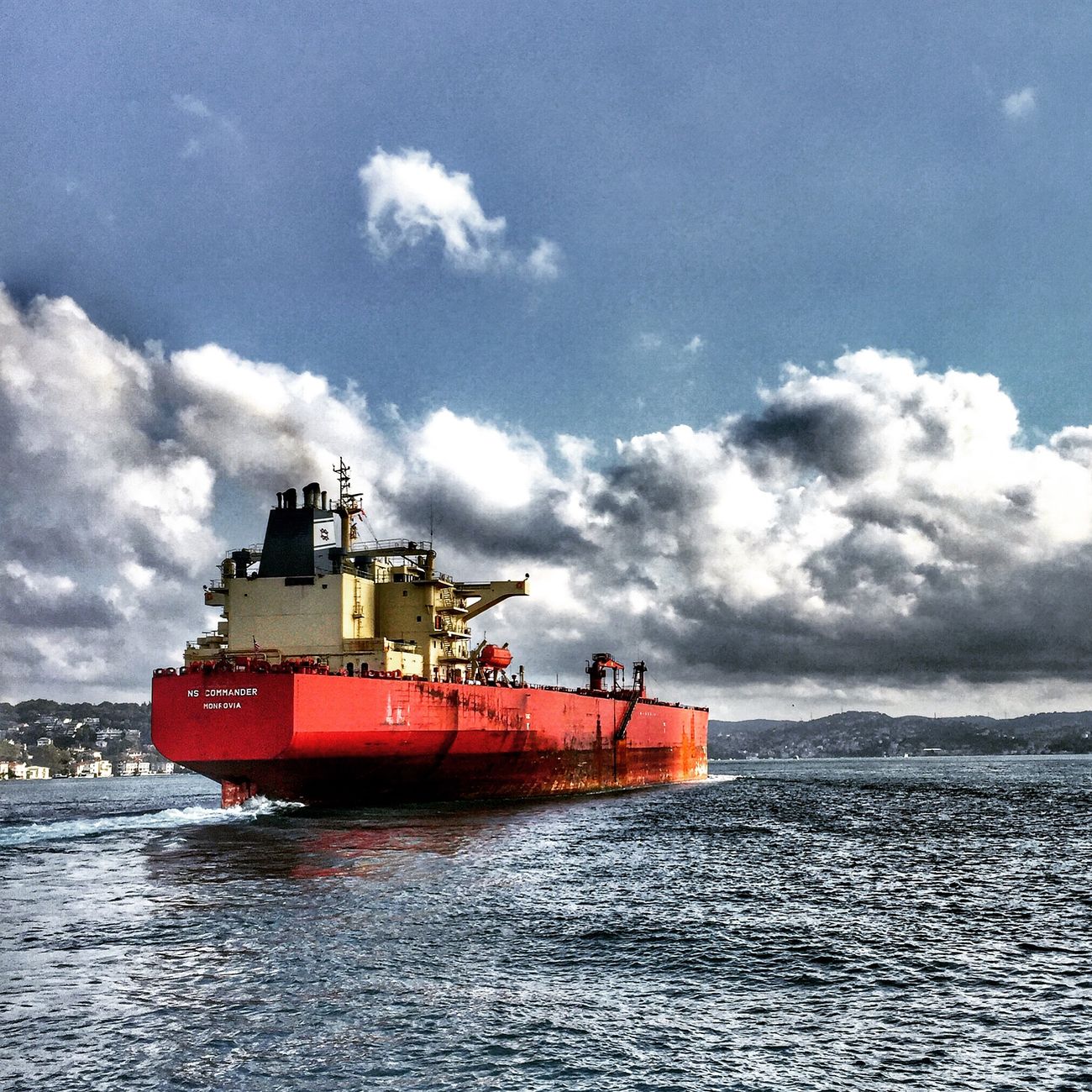
Aframax #
The term Aframax refers to a type of oil tanker that is designed to carry a maximum of 120,000 deadweight tons of cargo, typically crude oil. Related terms include Suezmax, Panamax, and VLCC. The Aframax is a widely used ship design due to its versatility and ability to navigate through most major shipping lanes. Regulatory compliance for Aframax vessels involves adherence to international standards for safety and environmental protection, such as those set by the International Maritime Organization (IMO).
Air Quality #
Air quality refers to the measure of the cleanliness of the air in a given environment, typically measured by the levels of pollutants such as particulate matter, nitrogen oxides, and sulfur dioxide. In the context of vessel performance management, air quality is an important consideration due to the emissions generated by ships. Regulatory compliance for air quality involves adherence to standards such as the IMO's Sulphur Cap regulation, which limits the amount of sulfur that can be emitted by ships.
Ballast Water Management #
Ballast water management refers to the process of managing the water that is taken on board a ship to maintain its stability and balance. This is an important consideration for vessel performance management due to the risk of invasive species being introduced to new environments through ballast water. Regulatory compliance for ballast water management involves adherence to standards such as the IMO's Ballast Water Management Convention, which requires ships to implement treatment systems to remove harmful organisms from ballast water.
Bunker Fuel #
Bunker fuel refers to the type of fuel that is used to power ships, typically heavy oil or marine diesel. In the context of vessel performance management, bunker fuel is an important consideration due to its impact on fuel efficiency and emissions. Regulatory compliance for bunker fuel involves adherence to standards such as the IMO's Sulphur Cap regulation, which limits the amount of sulfur that can be emitted by ships.
Cargo Operation #
Cargo operation refers to the process of loading and unloading cargo from a ship. This is an important consideration for vessel performance management due to the impact on safety and efficiency. Regulatory compliance for cargo operation involves adherence to standards such as the IMO's International Safety Management Code, which requires ships to implement safety management systems to ensure the safe handling of cargo.
Certificate of Compliance #
A certificate of compliance is a document that is issued to a ship to confirm that it meets the requirements of a particular regulation or standard. In the context of vessel performance management, certificates of compliance are an important consideration due to the need to demonstrate regulatory compliance. Related terms include certificate of survey and certificate of inspection.
Charter Party #
A charter party is a contract between a shipowner and a charterer that outlines the terms and conditions of the charter, including the duration of the charter, the hire rate, and the obligations of the parties. In the context of vessel performance management, charter parties are an important consideration due to the impact on commercial performance and regulatory compliance.
Class Society #
A class society is an organization that is responsible for classifying ships and verifying their compliance with regulatory requirements. In the context of vessel performance management, class societies play an important role in ensuring the safety and environmental sustainability of ships. Related terms include classification society and marine surveyor.
Clean Bill of Health #
A clean bill of health is a certificate that is issued to a ship to confirm that it is free from defects and meets the requirements of a particular regulation or standard. In the context of vessel performance management, clean bills of health are an important consideration due to the need to demonstrate regulatory compliance and ensure the safety of the ship and its crew.
Coasting Trade #
Coasting trade refers to the transportation of goods or passengers along a coastline, typically within the waters of a single country. In the context of vessel performance management, coasting trade is an important consideration due to the impact on commercial performance and regulatory compliance. Related terms include cabotage and domestic trade.
Collision Regulations #
Collision regulations refer to the rules and guidelines that govern the behavior of ships in the event of a collision or near-collision. In the context of vessel performance management, collision regulations are an important consideration due to the need to ensure the safety of the ship and its crew. Related terms include collision avoidance and maritime safety.
Commercial Management #
Commercial management refers to the process of managing the commercial performance of a ship, including its revenue, expenses, and profitability. In the context of vessel performance management, commercial management is an important consideration due to the need to optimize revenue and minimize costs. Related terms include financial management and chartering.
Condition Assessment #
A condition assessment is a process of evaluating the condition of a ship or its components, typically to identify defects or areas for improvement. In the context of vessel performance management, condition assessments are an important consideration due to the need to ensure the safety and efficiency of the ship. Related terms include inspection and survey.
Convention #
A convention is a treaty or agreement between countries that outlines the rules and guidelines for a particular aspect of maritime law or regulation. In the context of vessel performance management, conventions are an important consideration due to the need to comply with international standards and regulations. Related terms include protocol and accord.
Corporate Social Responsibility #
Corporate social responsibility refers to the obligation of a company to act in a responsible and ethical manner, including its impact on the environment and society. In the context of vessel performance management, corporate social responsibility is an important consideration due to the need to minimize the environmental impact of shipping and ensure the welfare of seafarers.
Crude Oil Washing #
Crude oil washing is a process of cleaning the tanks of a oil tanker using crude oil itself, typically to remove residues and contaminants. In the context of vessel performance management, crude oil washing is an important consideration due to the need to ensure the safety and efficiency of the ship. Related terms include tank cleaning and de-slopping.
Damage Stability #
Damage stability refers to the ability of a ship to withstand damage or flooding and remain afloat and stable. In the context of vessel performance management, damage stability is an important consideration due to the need to ensure the safety of the ship and its crew. Related terms include intact stability and survivability.
Deadweight Tonnage #
Deadweight tonnage refers to the maximum amount of weight that a ship can carry, including its cargo, fuel, and stores. In the context of vessel performance management, deadweight tonnage is an important consideration due to the need to optimize cargo capacity and minimize operating costs. Related terms include gross tonnage and net tonnage.
Detention #
Detention refers to the action of holding a ship in port or detention due to non-compliance with regulations or standards. In the context of vessel performance management, detention is an important consideration due to the need to minimize delays and costs. Related terms include arrest and seizure.
Diesel Engine #
A diesel engine is a type of engine that uses diesel fuel to generate power for a ship. In the context of vessel performance management, diesel engines are an important consideration due to the need to optimize fuel efficiency and minimize emissions. Related terms include propulsion system and engine maintenance.
Dredging #
Dredging refers to the process of removing sediment or material from the seabed or waterway, typically to maintain navigational channels or berthing areas. In the context of vessel performance management, dredging is an important consideration due to the need to ensure the safety and efficiency of shipping operations.
Dry Docking #
Dry docking refers to the process of placing a ship in a dry dock for maintenance, repairs, or conversions. In the context of vessel performance management, dry docking is an important consideration due to the need to minimize downtime and costs. Related terms include shipyard and refurbishment.
EEDI #
EEDI stands for Energy Efficiency Design Index, which is a measure of the energy efficiency of a ship, typically calculated based on its design and operational characteristics. In the context of vessel performance management, EEDI is an important consideration due to the need to minimize fuel consumption and emissions. Related terms include energy efficiency and carbon footprint.
Emissions #
Emissions refer to the release of pollutants or greenhouse gases into the atmosphere, typically as a result of human activities such as shipping. In the context of vessel performance management, emissions are an important consideration due to the need to minimize the environmental impact of shipping. Related terms include air pollution and climate change.
Energy Efficiency #
Energy efficiency refers to the ability of a ship to minimize its energy consumption and operating costs, typically through the use of efficient technologies and operational practices. In the context of vessel performance management, energy efficiency is an important consideration due to the need to minimize fuel consumption and emissions. Related terms include energy management and sustainability.
Environmental Impact #
Environmental impact refers to the effect of human activities, such as shipping, on the environment, including its ecosystems and natural resources. In the context of vessel performance management, environmental impact is an important consideration due to the need to minimize the negative effects of shipping on the environment. Related terms include sustainability and conservation.
Flag State #
Flag state refers to the country in which a ship is registered and flagged, typically responsible for regulating and enforcing maritime laws and regulations. In the context of vessel performance management, flag state is an important consideration due to the need to comply with national regulations and international standards. Related terms include port state and classification society.
Fuel Efficiency #
Fuel efficiency refers to the ability of a ship to minimize its fuel consumption and operating costs, typically through the use of efficient technologies and operational practices. In the context of vessel performance management, fuel efficiency is an important consideration due to the need to minimize emissions and operating costs. Related terms include energy efficiency and sustainability.
Garbage Management #
Garbage management refers to the process of handling and disposing of waste generated on board a ship, typically to minimize the environmental impact of shipping. In the context of vessel performance management, garbage management is an important consideration due to the need to comply with regulations and standards for waste management. Related terms include waste disposal and pollution prevention.
Gross Tonnage #
Gross tonnage refers to the total volume of a ship, including its hull, superstructure, and cargo spaces. In the context of vessel performance management, gross tonnage is an important consideration due to the need to optimize cargo capacity and minimize operating costs. Related terms include net tonnage and deadweight tonnage.
Hull Maintenance #
Hull maintenance refers to the process of inspecting, repairing, and maintaining the hull of a ship, typically to ensure its integrity and seaworthiness. In the context of vessel performance management, hull maintenance is an important consideration due to the need to minimize downtime and costs. Related terms include dry docking and shipyard.
International Maritime Organization #
The International Maritime Organization (IMO) is a specialized agency of the United Nations responsible for regulating and coordinating international maritime activities, including safety, security, and environmental protection. In the context of vessel performance management, the IMO is an important consideration due to the need to comply with international regulations and standards. Related terms include maritime law and convention.
ISPS Code #
The ISPS Code stands for International Ship and Port Facility Security Code, which is a set of regulations aimed at enhancing the security of ships and port facilities against threats such as terrorism and piracy. In the context of vessel performance management, the ISPS Code is an important consideration due to the need to ensure the safety and security of the ship and its crew. Related terms include security measures and threat assessment.
ISP #
ISP stands for International Safety Management, which is a code of practice aimed at ensuring the safety of ships and preventing accidents and pollution. In the context of vessel performance management, ISP is an important consideration due to the need to comply with regulations and standards for safety management. Related terms include safety management system and risk assessment.
Load Line #
Load line refers to the mark on a ship's hull that indicates the maximum draft to which the ship can be loaded safely. In the context of vessel performance management, load line is an important consideration due to the need to ensure the safety and stability of the ship. Related terms include freeboard and stability.
MARPOL #
MARPOL stands for Marine Pollution, which is a convention aimed at preventing pollution of the marine environment by ships. In the context of vessel performance management, MARPOL is an important consideration due to the need to comply with regulations and standards for pollution prevention. Related terms include pollution prevention and environmental protection.
Maritime Law #
Maritime law refers to the body of law that governs maritime activities, including shipping, navigation, and marine commerce. In the context of vessel performance management, maritime law is an important consideration due to the need to comply with regulations and standards for maritime activities. Related terms include admiralty law and marine insurance.
Mooring #
Mooring refers to the process of securing a ship to a berth or mooring point, typically using ropes or chains. In the context of vessel performance management, mooring is an important consideration due to the need to ensure the safety and security of the ship. Related terms include berthing and anchoring.
Net Tonnage #
Net tonnage refers to the volume of a ship's cargo spaces, typically used to calculate tonnage and taxation. In the context of vessel performance management, net tonnage is an important consideration due to the need to optimize cargo capacity and minimize operating costs. Related terms include gross tonnage and deadweight tonnage.
Offshore Operation #
Offshore operation refers to the process of conducting operations at sea, typically in support of oil and gas production, fishing, or other maritime activities. In the context of vessel performance management, offshore operation is an important consideration due to the need to ensure the safety and efficiency of operations. Related terms include offshore drilling and platform management.
Oil Spill Response #
Oil spill response refers to the process of responding to and mitigating the effects of an oil spill, typically using equipment and techniques such as booms and skimmers. In the context of vessel performance management, oil spill response is an important consideration due to the need to minimize the environmental impact of shipping. Related terms include oil spill prevention and emergency response.
Performance Monitoring #
Performance monitoring refers to the process of tracking and analyzing the performance of a ship, typically using data and metrics such as speed, consumption, and emissions. In the context of vessel performance management, performance monitoring is an important consideration due to the need to optimize efficiency and minimize costs. Related terms include performance analysis and benchmarking.
Port Facility Security #
Port facility security refers to the measures and procedures in place to protect a port facility from threats such as terrorism and piracy. In the context of vessel performance management, port facility security is an important consideration due to the need to ensure the safety and security of the ship and its crew. Related terms include port security and maritime security.
Port State Control #
Port state control refers to the authority of a port state to inspect and enforce regulations on ships visiting its ports, typically to ensure compliance with international standards for safety and environmental protection. In the context of vessel performance management, port state control is an important consideration due to the need to comply with regulations and standards for ship operations. Related terms include flag state and classification society.
Propulsion System #
Propulsion system refers to the mechanism or system used to propel a ship through the water, typically using engines or thrusters. In the context of vessel performance management, propulsion system is an important consideration due to the need to optimize efficiency and minimize costs. Related terms include engine maintenance and fuel efficiency.
Quality Management #
Quality management refers to the process of ensuring the quality of a ship's operations and services, typically through the use of standards and procedures such as ISO 9001. In the context of vessel performance management, quality management is an important consideration due to the need to ensure the safety and efficiency of shipping operations. Related terms include quality control and total quality management.
Risk Assessment #
Risk assessment refers to the process of identifying and evaluating the risk associated with a particular activity or operation, typically to minimize the likelihood and impact of accidents or incidents. In the context of vessel performance management, risk assessment is an important consideration due to the need to ensure the safety and security of the ship and its crew. Related terms include hazard identification and mitigation measures.
Safety Management #
Safety management refers to the process of ensuring the safety of a ship and its crew, typically through the use of procedures and practices such as safety protocols and emergency response plans. In the context of vessel performance management, safety management is an important consideration due to the need to minimize the risk of accidents and incidents. Related terms include safety culture and safety training.
Ship Repair #
Ship repair refers to the process of repairing or maintaining a ship, typically to ensure its seaworthiness and efficiency. In the context of vessel performance management, ship repair is an important consideration due to the need to minimize downtime and costs. Related terms include dry docking and shipyard.
Shipyard #
Shipyard refers to a facility where ships are built, repaired, or maintained, typically equipped with equipment and expertise for ship construction and repair. In the context of vessel performance management, shipyard is an important consideration due to the need to minimize downtime and costs. Related terms include dry docking and ship repair.
SOLAS #
SOLAS stands for Safety of Life at Sea, which is a convention aimed at ensuring the safety of ships and their crew, typically through the implementation of regulations and standards for safety equipment and procedures. In the context of vessel performance management, SOLAS is an important consideration due to the need to comply with regulations and standards for safety management. Related terms include safety management system and risk assessment.
STCW #
STCW stands for Standards of Training, Certification and Watchkeeping, which is a convention aimed at ensuring the competence of seafarers, typically through the implementation of training and certification requirements for crew members. In the context of vessel performance management, STCW is an important consideration due to the need to ensure the competence and effectiveness of the ship's crew. Related terms include crew training and certification.
Survey #
Survey refers to the process of inspecting and evaluating the condition of a ship, typically to identify defects or areas for improvement. In the context of vessel performance management, survey is an important consideration due to the need to ensure the safety and efficiency of the ship. Related terms include inspection and condition assessment.
Tonnage #
Tonnage refers to the measure of a ship's size or capacity, typically used to calculate taxation and regulatory requirements. In the context of vessel performance management, tonnage is an important consideration due to the need to optimize cargo capacity and minimize operating costs. Related terms include gross tonnage and net tonnage.
Vessel Traffic Management #
Vessel traffic management refers to the process of managing the movement of ships in a port or waterway, typically to ensure the safety and efficiency of shipping operations. In the context of vessel performance management, vessel traffic management is an important consideration due to the need to minimize delays and costs. Related terms include port management and maritime traffic management.
Waste Management #
Waste management refers to the process of handling and disposing of waste generated on board a ship, typically to minimize the environmental impact of shipping. In the context of vessel performance management, waste management is an important consideration due to the need to comply with regulations and standards for waste management. Related terms include garbage management and pollution prevention.