
Energy Efficiency Technologies
Expert-defined terms from the Certificate in Vessel Performance Management (India) course at LearnUNI. Free to read, free to share, paired with a professional course.
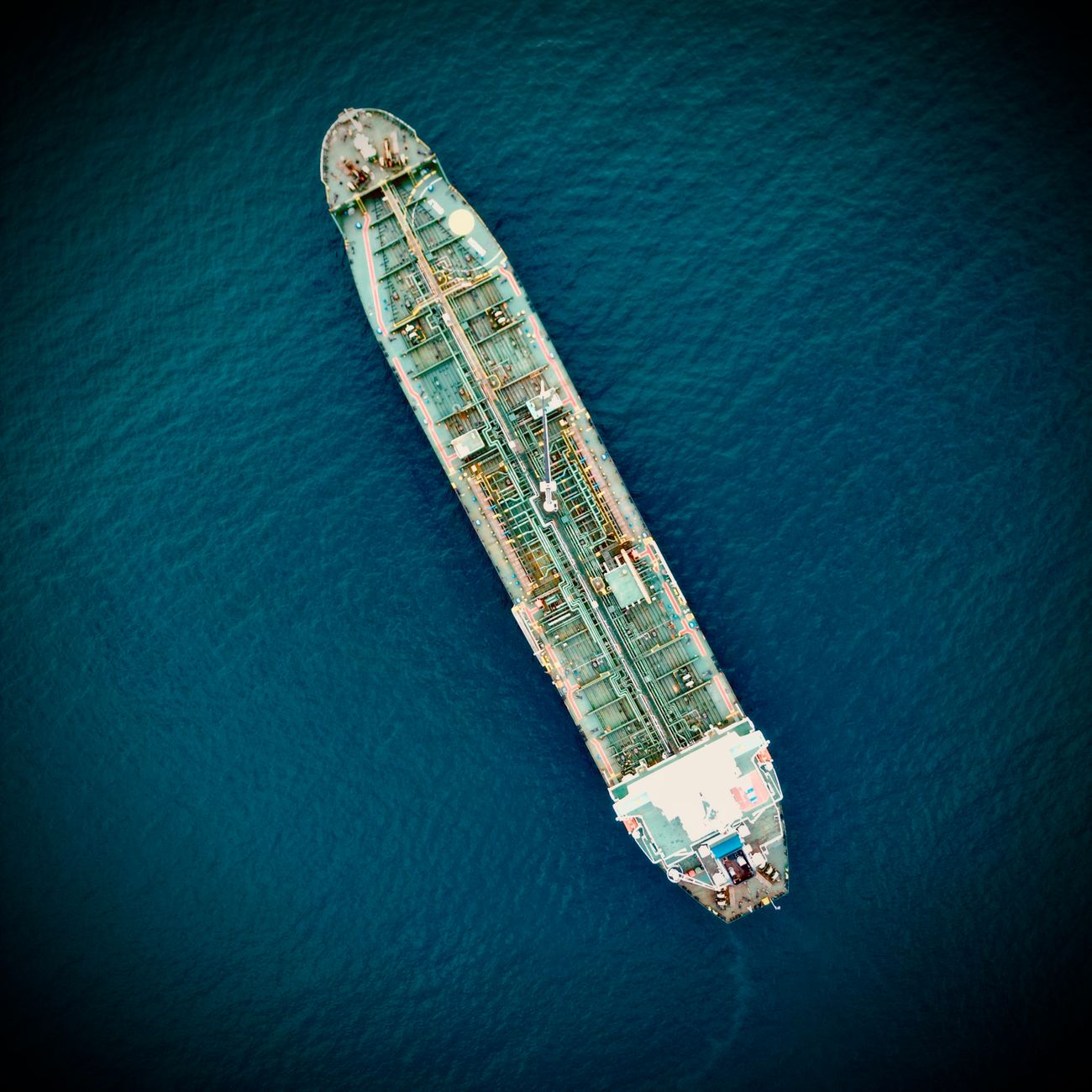
Aerodynamic Resistance refers to the force opposing the motion of a vesse… #
Related terms include Air Resistance and Drag Reduction. Aerodynamic resistance is an important consideration in the design and operation of vessels, as it can significantly impact fuel consumption and emissions. For example, a vessel with a streamlined hull design can reduce aerodynamic resistance and improve energy efficiency.
Auxiliary Power Unit (APU) is a device that provides power to a vessel wh… #
Related terms include Auxiliary Power System and Power Generation. The APU is an important component of a vessel's energy efficiency system, as it can reduce fuel consumption and emissions by providing power during periods of low energy demand. For example, an APU can be used to power a vessel's lighting and communication systems when the main engines are shut down.
Ballast Water Management (BWM) refers to the process of managing ballast… #
Related terms include Ballast Water Treatment and Environmental Protection. BWM is an important consideration in vessel performance management, as it can impact the energy efficiency of a vessel and reduce its environmental impact. For example, a vessel with a ballast water management system can reduce the risk of invasive species and minimize the environmental impact of its operations.
Carbon Emissions Reduction (CER) refers to the process of reducing carbon… #
Related terms include Carbon Footprint and Greenhouse Gas Emissions. CER is an important consideration in vessel performance management, as it can impact the energy efficiency of a vessel and reduce its environmental impact. For example, a vessel with a carbon emissions reduction system can reduce its carbon footprint and minimize the environmental impact of its operations.
Computer #
Based Training (CBT) refers to the use of computer-based training programs to educate vessel operators on energy efficiency and performance management. Related terms include Computer-Based Learning and Training Simulation. CBT is an important tool in vessel performance management, as it can provide vessel operators with the knowledge and skills needed to optimize energy efficiency and reduce emissions. For example, a CBT program can provide vessel operators with training on energy-efficient operating practices and procedures.
Diesel Engine Performance refers to the optimization of diesel engine per… #
Related terms include Diesel Engine Management and Engine Optimization. Diesel engine performance is an important consideration in vessel performance management, as it can significantly impact fuel consumption and emissions. For example, a diesel engine with optimized performance can reduce fuel consumption and minimize the environmental impact of its operations.
Energy Audit refers to the process of evaluating the energy efficiency of… #
Related terms include Energy Assessment and Energy Efficiency Analysis. An energy audit is an important tool in vessel performance management, as it can provide vessel operators with a comprehensive understanding of their energy usage and identify opportunities for improvement. For example, an energy audit can identify areas where energy-efficient technologies can be implemented to reduce fuel consumption and emissions.
Energy Efficiency Technologies refer to the use of technologies to improv… #
Related terms include Energy-Saving Technologies and Green Technologies. Energy efficiency technologies are an important consideration in vessel performance management, as they can significantly impact fuel consumption and emissions. For example, energy-efficient lighting and propulsion systems can reduce energy consumption and minimize the environmental impact of a vessel's operations.
Energy Management System (EMS) refers to the system used to manage and op… #
Related terms include Energy Management Software and Energy Optimization. An EMS is an important tool in vessel performance management, as it can provide vessel operators with real-time data and analytics to optimize energy efficiency and reduce emissions. For example, an EMS can provide vessel operators with data on energy consumption and identify areas for improvement.
Environmental Protection refers to the process of protecting the environm… #
Related terms include Environmental Sustainability and Conservation Efforts. Environmental protection is an important consideration in vessel performance management, as it can significantly impact the environmental impact of a vessel's operations. For example, a vessel with a ballast water management system can reduce the risk of invasive species and minimize the environmental impact of its operations.
Fuel Consumption Optimization refers to the process of optimizing fuel co… #
Related terms include Fuel Efficiency and Fuel Savings. Fuel consumption optimization is an important consideration in vessel performance management, as it can significantly impact fuel consumption and emissions. For example, a vessel with optimized fuel consumption can reduce fuel costs and minimize the environmental impact of its operations.
Greenhouse Gas Emissions (GHG) refer to the emissions of gases that contr… #
Related terms include GHG Reduction and Climate Change Mitigation. GHG emissions are an important consideration in vessel performance management, as they can significantly impact the environmental impact of a vessel's operations. For example, a vessel with a carbon emissions reduction system can reduce its GHG emissions and minimize the environmental impact of its operations.
Hull Design Optimization refers to the process of optimizing hull design… #
Related terms include Hull Form Optimization and Hull Shape Optimization. Hull design optimization is an important consideration in vessel performance management, as it can significantly impact fuel consumption and emissions. For example, a vessel with an optimized hull design can reduce fuel consumption and minimize the environmental impact of its operations.
International Maritime Organization (IMO) refers to the organization resp… #
Related terms include IMO Regulations and Maritime Law. The IMO is an important organization in vessel performance management, as it provides guidelines and regulations for vessel operators to follow. For example, the IMO has implemented regulations to reduce GHG emissions from vessels and improve energy efficiency.
KPIs (Key Performance Indicators) refer to the metrics used to measure an… #
Related terms include Performance Metrics and Dashboard Indicators. KPIs are an important tool in vessel performance management, as they can provide vessel operators with a comprehensive understanding of their vessel's performance and identify areas for improvement. For example, KPIs can be used to track fuel consumption, emissions, and energy efficiency.
Lean Management refers to the approach of managing vessel operations to m… #
Related terms include Lean Principles and Operational Excellence. Lean management is an important consideration in vessel performance management, as it can significantly impact fuel consumption and emissions. For example, a vessel with a lean management approach can reduce waste and minimize the environmental impact of its operations.
Maintenance Optimization refers to the process of optimizing maintenance… #
Related terms include Maintenance Scheduling and Maintenance Planning. Maintenance optimization is an important consideration in vessel performance management, as it can significantly impact fuel consumption and emissions. For example, a vessel with optimized maintenance activities can reduce fuel consumption and minimize the environmental impact of its operations.
Marine Diesel Oil (MDO) refers to the type of fuel used in vessel operati… #
Related terms include Marine Fuel and Fuel Oil. MDO is an important consideration in vessel performance management, as it can significantly impact fuel consumption and emissions. For example, a vessel with a fuel-efficient engine can reduce MDO consumption and minimize the environmental impact of its operations.
Ocean #
Going Vessel refers to the type of vessel that operates in the open ocean. Related terms include Ocean-Going Ship and Deep Sea Vessel. Ocean-going vessels are an important consideration in vessel performance management, as they can significantly impact fuel consumption and emissions. For example, an ocean-going vessel with a fuel-efficient engine can reduce fuel consumption and minimize the environmental impact of its operations.
Performance Monitoring refers to the process of monitoring and evaluating… #
Related terms include Performance Analysis and Performance Optimization. Performance monitoring is an important tool in vessel performance management, as it can provide vessel operators with a comprehensive understanding of their vessel's performance and identify areas for improvement. For example, performance monitoring can be used to track fuel consumption, emissions, and energy efficiency.
Propulsion System refers to the system used to propel a vessel through th… #
Related terms include Propulsion Equipment and Propeller System. A propulsion system is an important consideration in vessel performance management, as it can significantly impact fuel consumption and emissions. For example, a vessel with a fuel-efficient propulsion system can reduce fuel consumption and minimize the environmental impact of its operations.
Renewable Energy refers to the source of energy that is replenished natur… #
Related terms include Renewable Energy Systems and Sustainable Energy. Renewable energy is an important consideration in vessel performance management, as it can significantly impact fuel consumption and emissions. For example, a vessel with a renewable energy system can reduce fuel consumption and minimize the environmental impact of its operations.
Ship Energy Efficiency Management Plan (SEEMP) refers to the plan used to… #
Related terms include SEEMP Implementation and Energy Efficiency Plan. A SEEMP is an important tool in vessel performance management, as it can provide vessel operators with a comprehensive plan to optimize energy efficiency and reduce emissions. For example, a SEEMP can provide vessel operators with a plan to implement energy-efficient technologies and practices.
Speed Optimization refers to the process of optimizing vessel speed to im… #
Related terms include Speed Reduction and Speed Management. Speed optimization is an important consideration in vessel performance management, as it can significantly impact fuel consumption and emissions. For example, a vessel with optimized speed can reduce fuel consumption and minimize the environmental impact of its operations.
Sustainability refers to the principle of operating a vessel in a way tha… #
Related terms include Sustainable Operations and Environmental Sustainability. Sustainability is an important consideration in vessel performance management, as it can significantly impact the environmental impact of a vessel's operations. For example, a vessel with sustainable operations can reduce its environmental impact and promote social responsibility.
Trim Optimization refers to the process of optimizing vessel trim to impr… #
Related terms include Trim Reduction and Trim Management. Trim optimization is an important consideration in vessel performance management, as it can significantly impact fuel consumption and emissions. For example, a vessel with optimized trim can reduce fuel consumption and minimize the environmental impact of its operations.
Vessel Performance Management refers to the process of managing and optim… #
Related terms include Vessel Operations and Performance Optimization. Vessel performance management is an important consideration in the maritime industry, as it can significantly impact fuel consumption and emissions. For example, a vessel with optimized performance can reduce fuel consumption and minimize the environmental impact of its operations.
Vessel Traffic Management refers to the system used to manage and coordin… #
Related terms include Vessel Traffic Services and Navigation Management. Vessel traffic management is an important consideration in vessel performance management, as it can significantly impact fuel consumption and emissions. For example, a vessel with optimized traffic management can reduce fuel consumption and minimize the environmental impact of its operations.
Waste Heat Recovery (WHR) refers to the process of recovering waste heat… #
Related terms include WHR Systems and Heat Recovery. WHR is an important consideration in vessel performance management, as it can significantly impact fuel consumption and emissions. For example, a vessel with a WHR system can reduce fuel consumption and minimize the environmental impact of its operations.
Wind Assistance refers to the use of wind to assist vessel propulsion and… #
Related terms include Wind-Assisted Propulsion and Wind Power. Wind assistance is an important consideration in vessel performance management, as it can significantly impact fuel consumption and emissions. For example, a vessel with wind assistance can reduce fuel consumption and minimize the environmental impact of its operations.
Zero Emissions Vessel refers to the type of vessel that produces zero emi… #
Related terms include Zero Emissions Ship and Green Vessel. Zero emissions vessels are an important consideration in vessel performance management, as they can significantly impact the environmental impact of vessel operations. For example, a zero emissions vessel can reduce its environmental impact and promote social responsibility.