
Dry Dock Repair
Expert-defined terms from the Dry Dock Management course at LearnUNI. Free to read, free to share, paired with a professional course.
Afloat Repair #
Afloat repair refers to the maintenance and repair of a vessel while it is still watertight and afloat. This type of repair is often done to minimize downtime and reduce costs. Related terms include dry docking, ship repair, and vessel maintenance. Afloat repair can be done at a pier, in a harbor, or while the vessel is underway.
Aft #
The aft of a vessel refers to the stern or rear section. This term is often used to describe the location of equipment, compartments, or damage on a vessel. Related terms include forward, midship, and port.
Anchorage #
An anchorage is a designated area where vessels can anchor safely. This can be a natural harbor, a designated anchorage area, or a spot where vessels can drop anchor to wait for repairs or maintenance.
Ballast #
Ballast refers to the weight or material used to stabilize a vessel. This can include water, concrete, or other materials. Ballast is used to maintain the vessel's stability and balance.
Berth #
A berth is a designated location where a vessel can moor or dock. This can be a pier, a wharf, or a slip in a marina. Berths can be assigned to vessels for repair, maintenance, or storage.
Block #
A block is a wooden or metal pulley system used to lift and move heavy loads. Blocks are often used in ship repair and dry docking to lift vessels or move equipment.
Bollard #
A bollard is a post or pillar used to secure vessels to a dock or pier. Bollards can be made of wood, metal, or concrete and are often used to tie up vessels for repair or maintenance.
Caulking #
Caulking refers to the process of sealing gaps or joints on a vessel using a waterproof material. Caulking is often done to prevent leaks and maintain the vessel's watertight integrity.
Cathodic Protection #
Cathodic protection is a method used to prevent corrosion on metal surfaces. This is often done using anodes or sacrificial metals that protect the vessel's hull and other metal components.
Chain #
A chain is a series of metal links used to secure a vessel to a dock or anchor. Chains can be made of steel or other metals and are often used to moor vessels in a harbor or at sea.
Classification Society #
A classification society is an organization that sets and enforces standards for vessel design, construction, and maintenance. These societies often inspect vessels and provide certification for compliance with international regulations.
Coating #
A coating is a layer of material applied to a vessel's surface to protect it from corrosion or wear. Coatings can be made of paint, epoxy, or other materials and are often used to maintain the vessel's integrity.
Commissioning #
Commissioning refers to the process of preparing a vessel for service or operation. This can include testing systems, training crew, and conducting sea trials.
Condition Assessment #
A condition assessment is an evaluation of a vessel's condition and status. This can include inspections, testing, and analysis to determine the vessel's fitness for service.
Conventional Dry Dock #
A conventional dry dock is a type of dry dock that uses gates or caissons to flood and drain the dock. This type of dry dock is often used for larger vessels and can be more cost-effective than other types of dry docks.
Cradle #
A cradle is a support system used to hold a vessel in place during dry docking. Cradles can be made of wood or metal and are often used to support the vessel's hull and keel.
Crew #
The crew of a vessel refers to the people who operate and maintain the vessel. This can include officers, engineers, and other personnel responsible for the vessel's safety and operation.
Damage Control #
Damage control refers to the measures taken to mitigate or repair damage to a vessel. This can include emergency repairs, patching holes, or stabilizing the vessel.
Deck #
A deck is a level or surface on a vessel that provides a working or living space. Decks can be made of wood, metal, or other materials and are often used to support equipment or superstructures.
Derrick #
A derrick is a type of crane or hoist used to lift and move heavy loads. Derricks are often used in ship repair and dry docking to lift vessels or move equipment.
Design #
The design of a vessel refers to the plans or specifications for its construction and operation. This can include the vessel's layout, systems, and equipment.
Dock #
A dock is a structure or facility used to support and maintain vessels. Docks can be used for repair, maintenance, or storage and are often equipped with cranes, winches, and other equipment.
Docking Plan #
A docking plan is a document or scheme that outlines the procedure for docking a vessel. This can include measurements, calculations, and instructions for safe and efficient docking.
Draft #
The draft of a vessel refers to its depth or immersion in the water. This can be affected by the vessel's load, ballast, and trim.
Dry Dock #
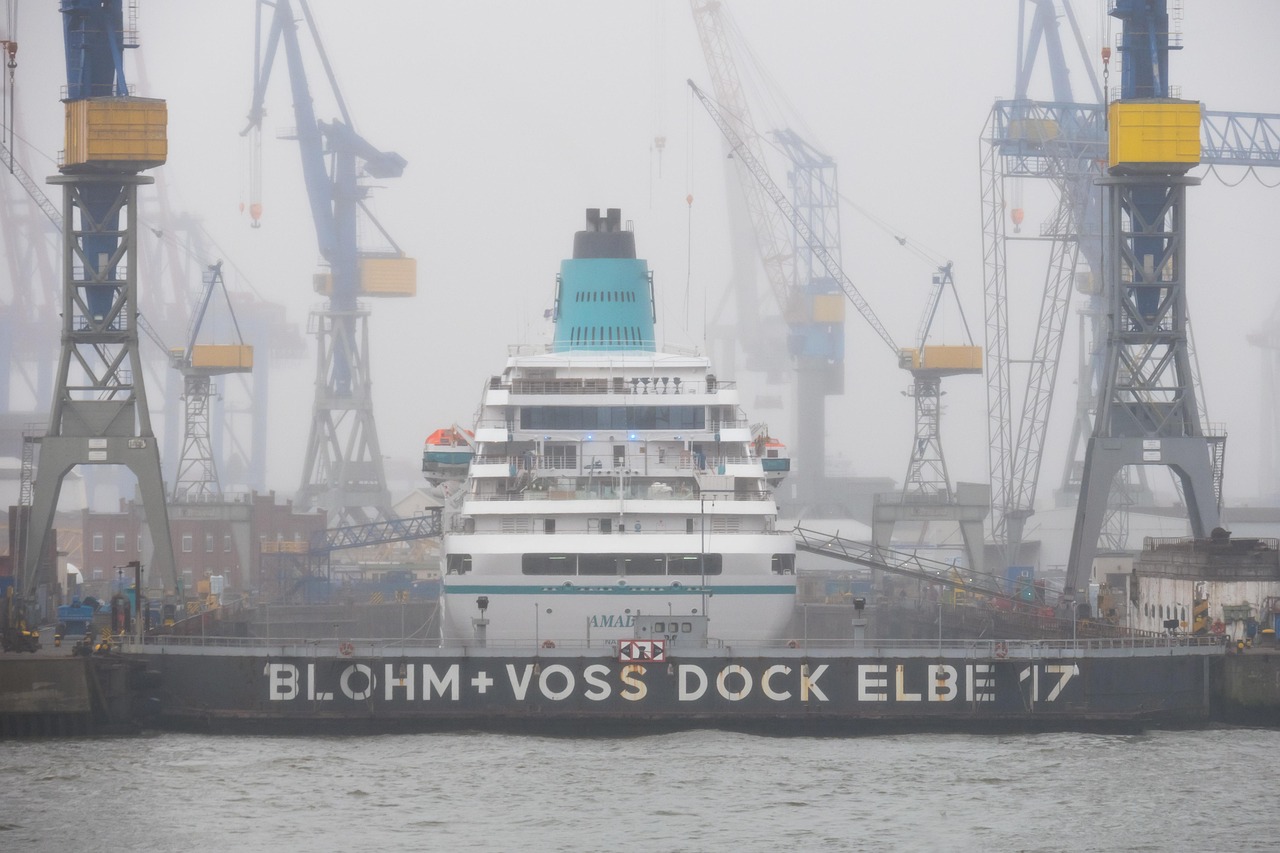
A dry dock is a facility or structure used to support and maintain vessels out of the water. Dry docks can be used for repair, maintenance, or construction and are often equipped with cranes, winches, and other equipment.
Electrical System #
The electrical system of a vessel refers to its power generation, distribution, and utilization systems. This can include generators, circuit breakers, and motors.
Emergency Repair #
An emergency repair is a urgent or critical repair needed to maintain a vessel's safety or operation. This can include patching holes, replacing parts, or stabilizing the vessel.
Engine #
The engine of a vessel refers to its power plant or propulsion system. This can include diesel engines, gas turbines, or other types of engines.
Epoxy #
Epoxy is a type of coating or adhesive used to protect and bond materials. Epoxy can be used to seal leaks, repair damage, or reinforce structures.
Fender #
A fender is a protective device or pad used to absorb impact or shock when a vessel is docking or mooring. Fenders can be made of rubber, plastic, or other materials.
Fire Protection #
Fire protection refers to the measures taken to prevent or mitigate fires on a vessel. This can include fire extinguishers, smoke detectors, and fire-resistant materials.
Float #
A float is a structure or device used to support a vessel in the water. Floats can be made of metal, wood, or other materials and are often used to stabilize or support the vessel.
Forward #
The forward of a vessel refers to its bow or front section. This term is often used to describe the location of equipment, compartments, or damage on a vessel.
Fuel System #
The fuel system of a vessel refers to its fuel storage, transfer, and utilization systems. This can include tanks, pumps, and filters.
Gantry #
A gantry is a type of crane or hoist used to lift and move heavy loads. Gantry cranes are often used in ship repair and dry docking to lift vessels or move equipment.
Hatch #
A hatch is an opening or cover used to access a vessel's hold or compartment. Hatches can be made of metal, wood, or other materials and are often used to load or unload cargo.
Hydraulic System #
The hydraulic system of a vessel refers to its fluid power generation, transmission, and utilization systems. This can include pumps, motors, and cylinders.
Inspection #
An inspection is a visual or physical examination of a vessel or its components. Inspections can be done to evaluate the vessel's condition, identify damage, or verify compliance with regulations.
Keel #
The keel of a vessel refers to its bottom or centerline structure. The keel provides stability and support to the vessel and is often used as a reference point for measurements and calculations.
Layup #
A layup is a period of time when a vessel is not in operation or service. This can be due to maintenance, repair, or storage and can be used to extend the vessel's life or reduce costs.
Life Raft #
A life raft is a emergency device or craft used to rescue or evacuate people from a vessel in distress. Life rafts can be inflatable or rigid and are often equipped with provisions and emergency equipment.
Load Line #
A load line is a mark or indicator used to show the maximum or minimum draft of a vessel. Load lines can be used to prevent overloading or underloading the vessel.
Maintenance #
Maintenance refers to the routine or scheduled work done to maintain a vessel's condition and performance. This can include cleaning, lubricating, and replacing parts.
Mast #
A mast is a vertical or upright structure used to support antennas, lights, or other equipment on a vessel. Masts can be made of metal, wood, or other materials.
Mooring #
Mooring refers to the process or system used to secure a vessel to a dock, pier, or anchor. Mooring can include lines, chains, or other devices used to hold the vessel in place.
Outfitting #
Outfitting refers to the process or stage of equipping a vessel with systems, equipment, and fixtures. This can include installation of engines, electrical systems, and plumbing.
Pier #
A pier is a structure or facility used to support and maintain vessels. Piers can be used for repair, maintenance, or storage and are often equipped with cranes, winches, and other equipment.
Piping System #
The piping system of a vessel refers to its fluid transport and distribution systems. This can include tubes, hoses, and valves used to transport fuel, water, or other fluids.
Plan #
A plan is a document or scheme that outlines the procedure or process for a particular task or project. Plans can be used to guide maintenance, repair, or construction work.
Pneumatic System #
The pneumatic system of a vessel refers to its air power generation, transmission, and utilization systems. This can include compressors, tanks, and valves used to power tools or equipment.
Portable #
Portable refers to equipment or devices that can be easily moved or transported. Portable equipment can be used to support maintenance, repair, or construction work.
Propeller #
A propeller is a rotating or spinning device used to propel a vessel through the water. Propellers can be made of metal, wood, or other materials and are often used to drive the vessel's thrusters or engines.
Pump #
A pump is a device or machine used to transfer or move fluids. Pumps can be used to circulate coolant, fuel, or other fluids on a vessel.
Repair #
Repair refers to the process or work done to fix or correct damage to a vessel or its components. Repair can include welding, patching, or replacing parts.
Rigging #
Rigging refers to the process or system used to support or move heavy loads on a vessel. Rigging can include cranes, winches, and other equipment used to lift or move cargo or equipment.
Safety Equipment #
Safety equipment refers to the devices or systems used to protect or prevent harm to people or the vessel. This can include life rafts, fire extinguishers, and emergency beacons.
Scheduling #
Scheduling refers to the process or plan used to coordinate and manage maintenance, repair, or construction work. Scheduling can be used to optimize resources, reduce downtime, and improve efficiency.
Sea Trial #
A sea trial is a test or evaluation of a vessel's performance and seaworthiness. Sea trials can be used to identify problems, evaluate systems, and certify the vessel for operation.
Shaft #
A shaft is a rod or axle used to connect or transmit power between components on a vessel. Shafts can be made of metal, wood, or other materials and are often used to drive propellers or pumps.
Shipyard #
A shipyard is a facility or location where vessels are built, repaired, or maintained. Shipyards can be used for new construction, repair, or conversion work.
Slip #
A slip is a berth or location where a vessel can be moored or docked. Slips can be used for repair, maintenance, or storage and are often equipped with cranes, winches, and other equipment.
Sounding #
A sounding is a measurement or reading of the depth or level of a liquid or material on a vessel. Soundings can be used to monitor tank levels, bilge levels, or other fluid levels.
Spool #
A spool is a cylindrical or round device used to store or hold rope, wire, or other materials. Spools can be used to manage cables, hoses, or other lines on a vessel.
Stability #
Stability refers to a vessel's ability or capacity to resist or withstand forces or loads. Stability can be affected by the vessel's design, load, and ballast.
Steering System #
The steering system of a vessel refers to its control or directional systems. This can include rudders, propellers, and thrusters used to steer the vessel.
Stern #
The stern of a vessel refers to its rear or back section. This term is often used to describe the location of equipment, compartments, or damage on a vessel.
Structural #
Structural refers to the framework or components that provide support or strength to a vessel. This can include beams, girders, and plates used to construct the vessel's hull or superstructure.
Superstructure #
The superstructure of a vessel refers to its upper or above-deck components. This can include cabins, bridges, and masts used to support the vessel's operations or crew.
Survey #
A survey is a visual or physical examination of a vessel or its components. Surveys can be done to evaluate the vessel's condition, identify damage, or verify compliance with regulations.
Tank #
A tank is a container or vessel used to store or hold liquids or gases. Tanks can be used to store fuel, water, or other fluids on a vessel.
Thruster #
A thruster is a device or system used to propel or maneuver a vessel. Thrusters can be used to assist with docking, undocking, or station-keeping.
Tonnage #
Tonnage refers to a vessel's size or capacity. This can be measured in gross tons, net tons, or deadweight tons.
Trim #
The trim of a vessel refers to its balance or orientation in the water. Trim can be affected by the vessel's load, ballast, and design.
Ullage #
Ullage refers to the space or volume between the liquid surface and the top of a tank. Ullage can be used to measure the level of a liquid or gas in a tank.
Valve #
A valve is a device or component used to control or regulate the flow of fluids on a vessel. Valves can be used to direct water, fuel, or other fluids to systems or components.
Vessel #
A vessel is a ship, boat, or other craft used for transportation, commerce, or recreation. Vessels can be manned or unmanned and can be used for a variety of purposes.
Warranty #
A warranty is a guarantee or promise that a vessel or its components will be free from defects or malfunctions. Warranties can be provided by manufacturers, suppliers, or repairers.
Watertight #
Watertight refers to a vessel's ability or capacity to resist or withstand water pressure. Watertight integrity can be affected by the vessel's design, construction, and maintenance.
Winch #
A winch is a device or machine used to lift or move heavy loads on a vessel. Winches can be used to support cranes, rigging, or other equipment used for lifting or moving cargo or equipment.
Workboat #
A workboat is a vessel or craft used to support or assist with maintenance, repair, or construction work. Workboats can be used to transport equipment, personnel, or materials to and from a vessel or shore.
Yard #
A yard is a facility or location where vessels are built, repaired, or maintained. Yards can be used for new construction, repair, or conversion work and are often equipped with cranes, winches, and other equipment.
Zinc #
Zinc is a metal or material used to protect or coat other metals from corrosion. Zinc can be used to galvanize steel or other metals to extend their life and durability.