
Structural Analysis and Design
Structural Analysis and Design is a critical aspect of Civil Engineering and Architecture, focusing on the study of forces and behaviors of structures to ensure their safety, stability, and functionality. This course provides students with …
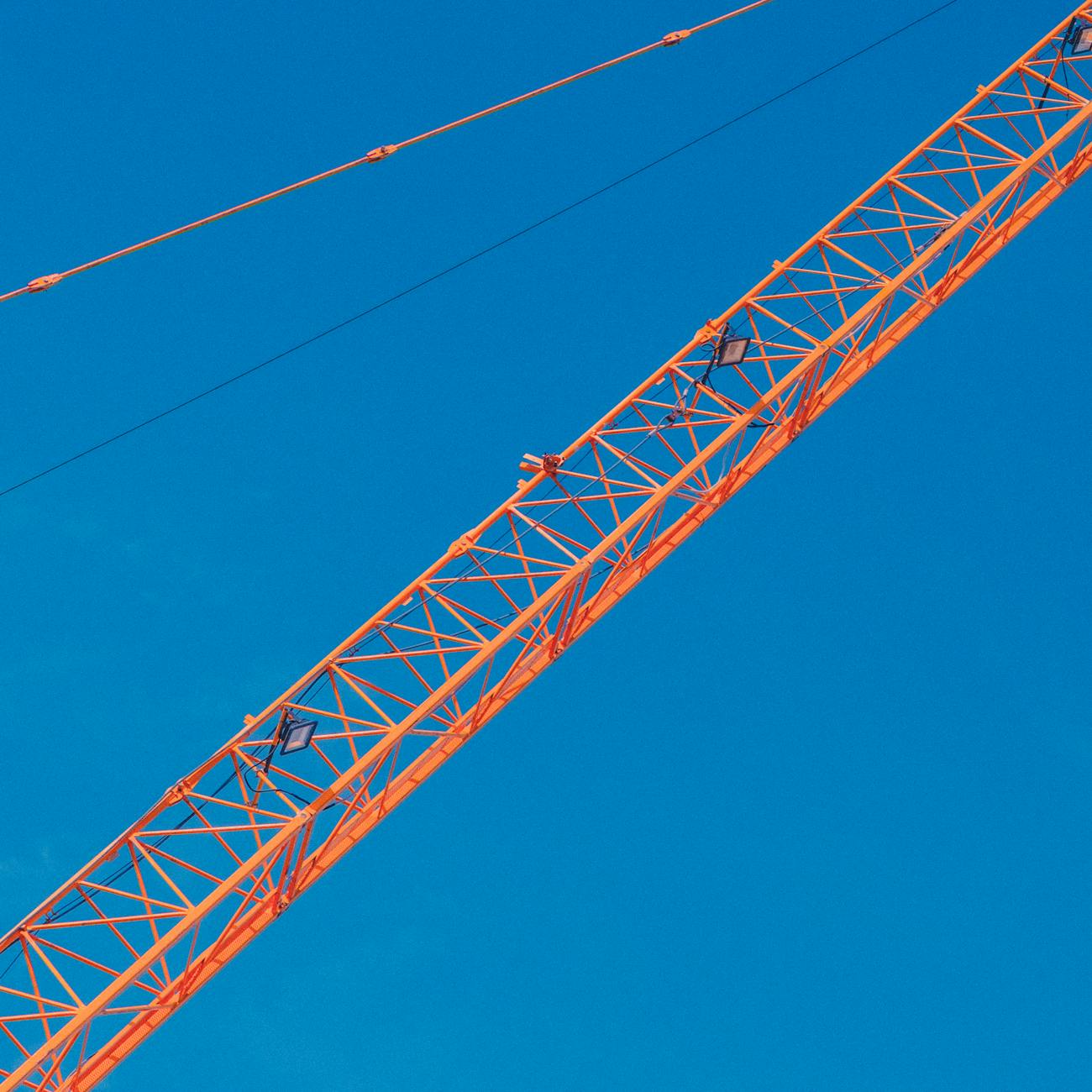
Structural Analysis and Design is a critical aspect of Civil Engineering and Architecture, focusing on the study of forces and behaviors of structures to ensure their safety, stability, and functionality. This course provides students with the necessary knowledge and skills to analyze and design various structural elements, including beams, columns, trusses, and frames. To fully grasp the concepts of Structural Analysis and Design, it is essential to understand key terms and vocabulary that are commonly used in this field.
1. **Structural Analysis**: Structural Analysis is the process of predicting the performance of a structure under different loading conditions. It involves calculating internal forces, stresses, and deformations within the structure to ensure that it can support the applied loads safely. Structural Analysis is essential for determining the structural integrity and stability of a building or bridge.
2. **Structural Design**: Structural Design is the process of creating a safe and efficient structure that can withstand the anticipated loads and environmental conditions. It involves selecting appropriate materials, dimensions, and configurations to ensure the structural integrity and durability of the building or bridge.
3. **Structural Element**: A Structural Element is a component of a structure that carries loads and transfers forces. Examples of structural elements include beams, columns, slabs, walls, and foundations. Each structural element plays a specific role in supporting the overall structure.
4. **Load**: A Load is a force acting on a structure that causes it to deform or move. There are different types of loads, including dead loads (permanent loads like the weight of the structure itself), live loads (temporary loads like occupants and furniture), snow loads, wind loads, and seismic loads. Understanding the magnitude and distribution of loads is crucial for designing a safe and stable structure.
5. **Force**: A Force is a push or pull acting on a structure that causes it to move or deform. Forces can be either external (applied to the structure) or internal (resulting from the structure's own weight or reactions). Common types of forces include compression (pushing together), tension (pulling apart), and shear (parallel forces acting in opposite directions).
6. **Stress**: Stress is the internal resistance of a material to deformation caused by applied loads. It is calculated as force per unit area and is expressed in units of pressure (e.g., pounds per square inch or pascals). Understanding stress is essential for ensuring that a structure can safely support the applied loads without exceeding its material limits.
7. **Strain**: Strain is the measure of deformation in a material caused by stress. It is calculated as the change in length divided by the original length of the material. Strain helps engineers assess the structural performance and behavior of materials under different loading conditions.
8. **Deformation**: Deformation is the change in shape or size of a structure due to applied loads. It can be elastic (reversible deformation that disappears when the load is removed) or plastic (permanent deformation that remains even after the load is removed). Understanding deformation is crucial for predicting the behavior of structures and ensuring their safety.
9. **Equilibrium**: Equilibrium is a state in which the forces and moments acting on a structure are balanced, resulting in no net movement or rotation. Structures must be in equilibrium to remain stable and safe. The principles of equilibrium are essential for analyzing and designing structures.
10. **Shear Force**: Shear Force is the internal force that acts parallel to the cross-section of a structural element. It is caused by lateral loads or by the application of external forces. Shear forces are critical in the design of beams and other structural elements to ensure their stability and strength.
11. **Bending Moment**: Bending Moment is the internal moment that causes a structural element to bend. It is calculated as the product of the force and the distance from the point of application. Bending moments are essential for analyzing and designing beams, columns, and other structures subjected to bending loads.
12. **Deflection**: Deflection is the bending or deformation of a structural element under load. It is measured as the displacement of a point on the structure from its original position. Deflection is a crucial consideration in structural design to ensure that the structure meets performance criteria and remains functional.
13. **Reactions**: Reactions are the external forces and moments exerted by a structure's supports to maintain equilibrium. They counteract the applied loads and ensure that the structure remains stable. Understanding reactions is essential for analyzing the behavior of structures under different loading conditions.
14. **Support**: Support is a structural element or mechanism that resists movement or deformation of a structure. Common types of supports include fixed supports (fully restrain movement), pin supports (allow rotation but no translation), and roller supports (allow translation but no rotation). Proper support design is critical for ensuring the stability and safety of a structure.
15. **Beam**: A Beam is a horizontal structural element that carries loads perpendicular to its longitudinal axis. Beams are commonly used in buildings, bridges, and other structures to support floors, roofs, and walls. Understanding the behavior of beams under different loading conditions is essential for structural analysis and design.
16. **Column**: A Column is a vertical structural element that carries loads primarily in compression. Columns are essential for supporting the vertical loads of a structure and transferring them to the foundation. Proper column design is crucial for ensuring the stability and safety of a building or bridge.
17. **Truss**: A Truss is a structure composed of straight members connected at joints to form a series of triangles. Trusses are used to support roof structures, bridges, and towers. The analysis and design of trusses involve determining the internal forces in each member to ensure structural stability and efficiency.
18. **Frame**: A Frame is a structure composed of beams and columns connected at joints to form a rigid framework. Frames are commonly used in buildings and bridges to resist lateral loads such as wind and earthquakes. Frame analysis and design involve considering the stability and strength of the entire structure under different loading conditions.
19. **Foundation**: A Foundation is the substructure that supports a building or other structure and transfers its loads to the ground. Foundations can be shallow (spread footings, mat foundations) or deep (piers, piles) depending on the soil conditions and structural requirements. Proper foundation design is essential for ensuring the stability and durability of a structure.
20. **Concrete**: Concrete is a composite material made of cement, aggregates (sand, gravel), and water. It is widely used in construction for its strength, durability, and versatility. Concrete is commonly used in beams, columns, slabs, and foundations for its ability to withstand compressive loads and provide long-term structural performance.
21. **Steel**: Steel is a high-strength alloy made primarily of iron and carbon. It is commonly used in construction for its excellent tensile strength, ductility, and durability. Steel is widely used in beams, columns, trusses, and frames for its ability to resist bending and tensile forces, making it a versatile material for structural applications.
22. **Timber**: Timber is a natural material derived from trees used in construction for its renewable and sustainable properties. It is commonly used in beams, columns, trusses, and frames for its strength, flexibility, and aesthetic appeal. Timber structures require careful design and maintenance to ensure their long-term performance and stability.
23. **Masonry**: Masonry is a construction technique using brick, stone, or concrete blocks bonded together with mortar. Masonry structures are commonly used for walls, columns, and foundations for their durability and fire resistance. Proper design and construction practices are essential for ensuring the structural integrity of masonry buildings.
24. **Seismic Design**: Seismic Design is the process of designing structures to resist earthquake forces and minimize damage during seismic events. It involves considering the seismic forces, soil conditions, and building materials to ensure the safety and stability of buildings in earthquake-prone regions. Seismic design principles are crucial for protecting lives and property in seismic zones.
25. **Wind Design**: Wind Design is the process of designing structures to resist wind loads and prevent wind-induced damage. It involves considering the wind speed, direction, and building geometry to ensure the stability and performance of buildings in windy areas. Wind design principles are essential for safeguarding structures against wind-related hazards.
26. **Load Path**: Load Path is the route through which loads are transferred from the point of application to the supports of a structure. It involves analyzing the flow of forces through the structural elements to ensure that the loads are safely distributed and supported. Understanding load paths is essential for designing efficient and stable structures.
27. **Safety Factor**: Safety Factor is the ratio of the maximum load a structure can safely carry to the actual load applied. It is used to account for uncertainties in material properties, construction practices, and loading conditions. A higher safety factor indicates a greater margin of safety against failure.
28. **Serviceability**: Serviceability is the ability of a structure to fulfill its functional requirements without excessive deflection, vibration, or deformation. It involves ensuring that the structure remains usable and comfortable for occupants under normal operating conditions. Serviceability criteria are essential for designing structures that meet performance expectations.
29. **Durability**: Durability is the ability of a structure to withstand environmental conditions, wear, and aging without significant deterioration. It involves selecting durable materials, detailing connections properly, and providing adequate maintenance to ensure the long-term performance of the structure. Durability considerations are crucial for ensuring the sustainability of buildings and infrastructure.
30. **Finite Element Analysis (FEA)**: Finite Element Analysis is a numerical method used to analyze the behavior of complex structures by dividing them into smaller elements. It is widely used in structural engineering to simulate the response of structures to different loading conditions and optimize their design. FEA software allows engineers to perform detailed analyses and make informed design decisions.
In conclusion, mastering the key terms and vocabulary of Structural Analysis and Design is essential for students pursuing a Postgraduate Certificate in Civil Engineering & Architecture. By understanding these concepts, students can effectively analyze and design structures, ensuring their safety, stability, and functionality. Through practical applications, examples, and challenges, students can apply these principles to real-world engineering projects and develop the skills needed to excel in the field of structural engineering.
Key takeaways
- Structural Analysis and Design is a critical aspect of Civil Engineering and Architecture, focusing on the study of forces and behaviors of structures to ensure their safety, stability, and functionality.
- It involves calculating internal forces, stresses, and deformations within the structure to ensure that it can support the applied loads safely.
- **Structural Design**: Structural Design is the process of creating a safe and efficient structure that can withstand the anticipated loads and environmental conditions.
- **Structural Element**: A Structural Element is a component of a structure that carries loads and transfers forces.
- There are different types of loads, including dead loads (permanent loads like the weight of the structure itself), live loads (temporary loads like occupants and furniture), snow loads, wind loads, and seismic loads.
- Common types of forces include compression (pushing together), tension (pulling apart), and shear (parallel forces acting in opposite directions).
- Understanding stress is essential for ensuring that a structure can safely support the applied loads without exceeding its material limits.