
Sustainable Building Design
Sustainable Building Design
Sustainable Building Design
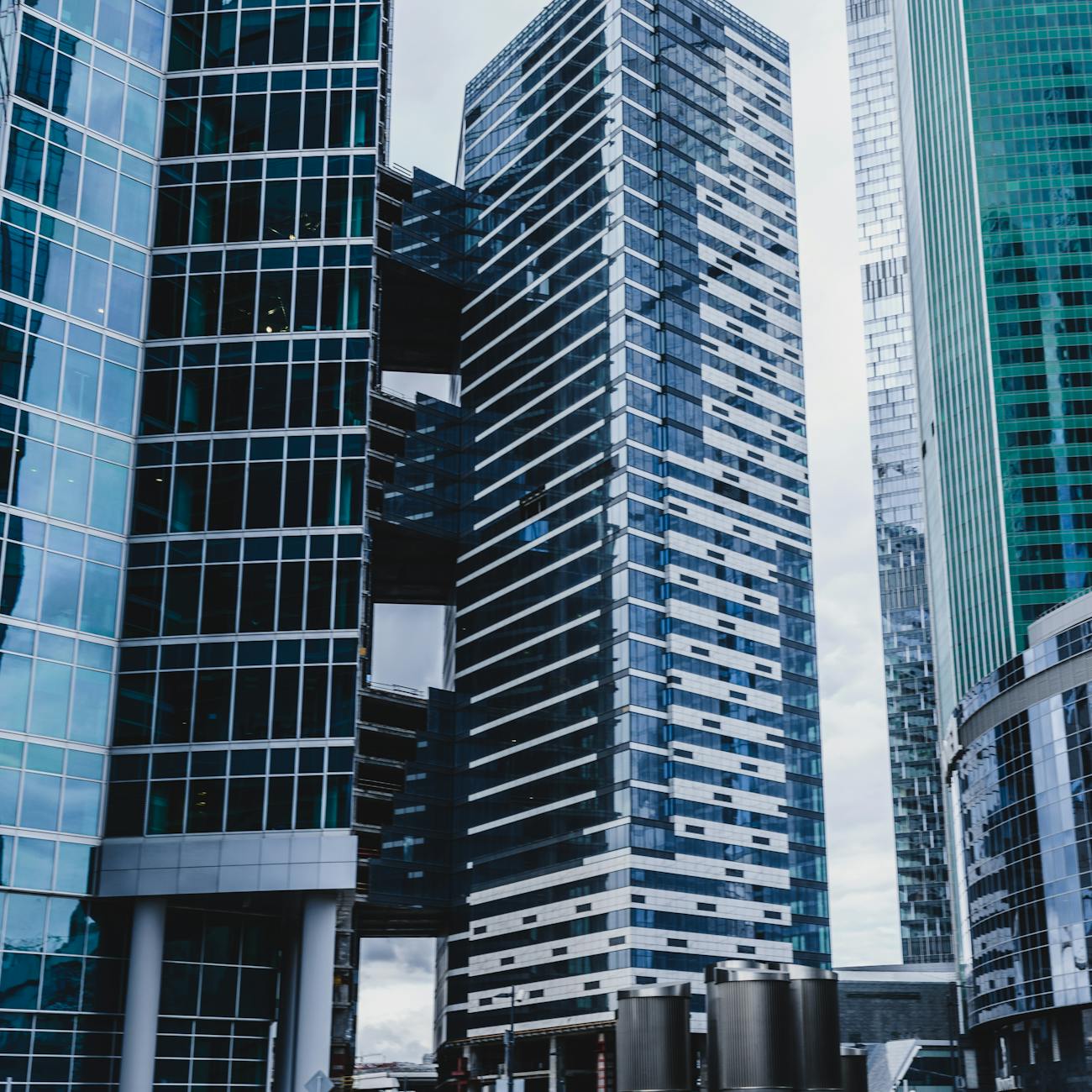
Sustainable building design refers to the process of designing and constructing buildings that are environmentally responsible, efficient in their use of resources, and provide a healthy and comfortable environment for occupants. It encompasses various principles and strategies aimed at reducing the negative impacts of buildings on the environment while optimizing their performance and functionality.
Key Terms and Vocabulary
1. Sustainability: Sustainability is the ability to meet the needs of the present without compromising the ability of future generations to meet their own needs. In the context of building design, sustainability involves considering environmental, social, and economic factors to create long-lasting and efficient buildings.
2. Green Building: Green building refers to the practice of designing, constructing, and operating buildings in an environmentally responsible and resource-efficient manner. This includes using sustainable materials, reducing energy consumption, and minimizing waste generation.
3. Energy Efficiency: Energy efficiency is the use of technology and design strategies to reduce the amount of energy required to operate a building. This can include using energy-efficient appliances, lighting, and HVAC systems, as well as incorporating passive design features to maximize natural light and ventilation.
4. Renewable Energy: Renewable energy is energy that is generated from natural resources that are replenished on a human timescale, such as sunlight, wind, and geothermal heat. Incorporating renewable energy sources into building design can help reduce reliance on fossil fuels and lower greenhouse gas emissions.
5. LEED Certification: Leadership in Energy and Environmental Design (LEED) certification is a globally recognized rating system for green building design and construction. Buildings can earn points across several categories, such as energy efficiency, water conservation, and indoor air quality, to achieve different levels of certification.
6. Life Cycle Assessment: Life cycle assessment (LCA) is a method for evaluating the environmental impacts of a product or building over its entire life cycle, from raw material extraction to end-of-life disposal. LCA helps designers make informed decisions to minimize environmental impacts and optimize resource use.
7. Passive Design: Passive design involves using natural elements, such as sunlight, wind, and thermal mass, to regulate indoor temperatures and reduce the need for mechanical heating and cooling systems. Passive design strategies can help improve energy efficiency and occupant comfort.
8. Green Roof: A green roof is a vegetated surface installed on top of a building, which can help reduce stormwater runoff, improve air quality, and provide insulation to reduce heating and cooling costs. Green roofs also create green spaces in urban environments and enhance biodiversity.
9. Water Conservation: Water conservation involves using water efficiently and minimizing waste in buildings. Strategies can include installing low-flow fixtures, capturing and reusing rainwater, and implementing water-efficient landscaping to reduce water consumption and protect water resources.
10. Carbon Footprint: A carbon footprint is the total amount of greenhouse gases, primarily carbon dioxide, emitted directly or indirectly by an individual, organization, or product. Buildings contribute to carbon emissions through energy consumption, construction materials, and transportation, making it important to reduce their carbon footprint.
11. Net Zero Energy Building: A net zero energy building is a structure that generates as much energy as it consumes over the course of a year. This is achieved through a combination of energy-efficient design, renewable energy systems, and energy conservation measures to offset energy use.
12. Cradle to Cradle Design: Cradle to Cradle design is an approach that aims to create products and buildings that are designed for disassembly and recycling at the end of their life cycle. By considering the entire life cycle of materials, designers can create more sustainable and circular systems.
13. Biophilic Design: Biophilic design incorporates natural elements, such as plants, water, and natural light, into the built environment to create a connection to nature and improve occupant well-being. Biophilic design can enhance productivity, reduce stress, and promote overall health and happiness.
14. Daylighting: Daylighting is the practice of maximizing natural light in buildings to reduce the need for artificial lighting and create a more visually appealing and healthy indoor environment. Proper daylighting design can improve energy efficiency, occupant comfort, and productivity.
15. Thermal Comfort: Thermal comfort refers to the state of mind that expresses satisfaction with the thermal environment. Sustainable building design aims to provide thermal comfort to occupants through proper insulation, ventilation, and passive design strategies to minimize the need for mechanical heating and cooling.
16. Embodied Carbon: Embodied carbon refers to the carbon dioxide emissions associated with the manufacturing, transportation, and construction of building materials. Designers can reduce embodied carbon by selecting low-carbon materials, optimizing material use, and considering alternative construction methods.
17. Adaptive Reuse: Adaptive reuse is the practice of repurposing existing buildings for new functions to extend their life cycle and reduce the environmental impact of demolition and new construction. Adaptive reuse can preserve historic buildings, retain cultural heritage, and promote sustainable development.
18. Indoor Air Quality: Indoor air quality refers to the cleanliness and healthiness of indoor air within buildings. Sustainable building design focuses on providing adequate ventilation, controlling pollutants, and using non-toxic materials to create a healthy indoor environment for occupants.
19. Resilient Design: Resilient design involves designing buildings to withstand and recover from natural disasters, climate change impacts, and other disruptions. Resilient buildings can improve safety, reduce damage, and ensure continuity of operations in the face of unforeseen events.
20. Smart Building: A smart building is a structure that uses advanced technology, sensors, and automation to optimize energy use, improve occupant comfort, and enhance building performance. Smart buildings can monitor and adjust systems in real-time to maximize efficiency and sustainability.
Practical Applications
1. Energy-Efficient Lighting: Installing LED lighting fixtures and daylight sensors can reduce energy consumption and improve lighting quality in buildings. By optimizing lighting design, designers can enhance visual comfort, reduce operating costs, and lower carbon emissions.
2. Water-Efficient Fixtures: Incorporating low-flow toilets, faucets, and showers can significantly reduce water usage and wastewater generation in buildings. Water-efficient fixtures help conserve water resources, lower utility bills, and promote sustainable water management practices.
3. Solar Photovoltaic Panels: Installing solar panels on rooftops or facades can generate clean and renewable electricity to power buildings. Solar photovoltaic systems can reduce reliance on the grid, lower energy costs, and offset carbon emissions, making them a valuable investment in sustainable building design.
4. Green Building Materials: Using eco-friendly materials, such as recycled content, rapidly renewable resources, and low-emission products, can minimize environmental impacts and improve indoor air quality. Green building materials can contribute to LEED certification and create healthier and more sustainable buildings.
5. Vegetated Roof Systems: Green roofs and vegetated roof systems can provide multiple benefits, including stormwater management, urban heat island reduction, and biodiversity enhancement. Vegetated roofs can extend the lifespan of roof membranes, improve energy efficiency, and create green spaces in urban areas.
6. Passive Solar Design: Orienting buildings to maximize solar exposure, incorporating thermal mass, and using shading devices can optimize passive solar design. Passive solar strategies can reduce heating and cooling loads, enhance occupant comfort, and lower energy consumption without relying on mechanical systems.
7. Rainwater Harvesting: Collecting and storing rainwater for non-potable uses, such as irrigation, toilet flushing, and cooling systems, can conserve water and reduce demand on municipal supplies. Rainwater harvesting systems can supplement water resources, lower utility costs, and promote sustainable water practices.
8. Bio-based Insulation: Using insulation made from natural and renewable materials, such as cellulose, wool, or cork, can improve thermal performance and indoor air quality. Bio-based insulation materials are non-toxic, biodegradable, and energy-efficient, making them a sustainable choice for building envelopes.
9. High-Performance Windows: Installing energy-efficient windows with low U-values, high solar heat gain coefficients, and insulated frames can improve thermal comfort and energy efficiency. High-performance windows can reduce heating and cooling costs, minimize condensation, and enhance daylighting in buildings.
10. Wind Turbines: Integrating small-scale wind turbines into buildings or on-site can generate renewable electricity and reduce reliance on the grid. Wind turbines can complement solar photovoltaic systems, provide a source of clean energy, and contribute to achieving net zero energy goals in sustainable building design.
Challenges
1. Cost Considerations: Sustainable building design often requires upfront investments in energy-efficient systems, green materials, and renewable technologies, which can increase construction costs. Balancing environmental benefits with financial constraints can be a challenge for developers, designers, and building owners.
2. Complex Regulations: Compliance with building codes, zoning ordinances, and green building standards can be complex and time-consuming, especially for projects seeking LEED certification or other sustainability credentials. Navigating regulatory requirements and obtaining permits for sustainable features can present challenges during the design and construction process.
3. Technical Expertise: Implementing sustainable building design strategies requires specialized knowledge and expertise in areas such as energy modeling, life cycle assessment, and green building certification. Design teams may need to collaborate with sustainability consultants, engineers, and contractors to integrate sustainable solutions effectively.
4. Behavioral Change: Encouraging occupants to adopt sustainable practices, such as energy conservation, waste reduction, and water efficiency, can be a challenge in buildings. Education, engagement, and feedback mechanisms are essential to promote sustainable behaviors and ensure the long-term success of sustainable building initiatives.
5. Resilience Planning: Designing buildings to withstand climate change impacts, natural disasters, and other risks requires careful planning and consideration of resilience strategies. Integrating resilient design features, such as flood-proofing, seismic retrofitting, and backup systems, can add complexity and cost to sustainable building projects.
6. Supply Chain Management: Ensuring the sustainability of building materials and products throughout the supply chain, from sourcing to manufacturing to disposal, can be a challenge for designers and builders. Selecting environmentally responsible suppliers, verifying material certifications, and tracking product life cycles are essential for achieving sustainable building goals.
7. Performance Monitoring: Monitoring and evaluating the performance of sustainable building features, such as energy systems, water conservation measures, and indoor air quality, is crucial to ensure that design intentions are met. Implementing building automation systems, sensors, and data analytics can help track performance metrics and identify areas for improvement.
8. Occupant Comfort: Balancing energy efficiency with occupant comfort and well-being is a key challenge in sustainable building design. Designers must consider factors such as thermal comfort, indoor air quality, natural light, and acoustics to create healthy and productive indoor environments that meet the needs of occupants.
9. Community Engagement: Engaging with local communities, stakeholders, and residents throughout the design and construction process can foster support for sustainable building initiatives and address concerns about environmental impacts, aesthetics, and livability. Building trust, soliciting feedback, and incorporating community input are essential for successful sustainable projects.
10. Policy and Incentives: Government policies, incentives, and regulations can influence the adoption of sustainable building practices and drive market demand for green buildings. Understanding and leveraging policy tools, such as tax credits, grants, and rebates, can help incentivize sustainable design and accelerate the transition to a low-carbon built environment.
Conclusion
Sustainable building design is a multifaceted and dynamic field that requires a holistic approach to address environmental, social, and economic challenges. By incorporating key principles and strategies, such as energy efficiency, renewable energy, and green materials, designers can create buildings that are resilient, efficient, and healthy for occupants. Overcoming challenges, such as cost considerations, technical expertise, and regulatory compliance, requires collaboration, innovation, and a commitment to sustainability. By embracing sustainable building design practices and promoting a culture of sustainability, the built environment can play a crucial role in mitigating climate change, enhancing quality of life, and creating a more sustainable future for all.
Key takeaways
- Sustainable building design refers to the process of designing and constructing buildings that are environmentally responsible, efficient in their use of resources, and provide a healthy and comfortable environment for occupants.
- Sustainability: Sustainability is the ability to meet the needs of the present without compromising the ability of future generations to meet their own needs.
- Green Building: Green building refers to the practice of designing, constructing, and operating buildings in an environmentally responsible and resource-efficient manner.
- This can include using energy-efficient appliances, lighting, and HVAC systems, as well as incorporating passive design features to maximize natural light and ventilation.
- Renewable Energy: Renewable energy is energy that is generated from natural resources that are replenished on a human timescale, such as sunlight, wind, and geothermal heat.
- LEED Certification: Leadership in Energy and Environmental Design (LEED) certification is a globally recognized rating system for green building design and construction.
- Life Cycle Assessment: Life cycle assessment (LCA) is a method for evaluating the environmental impacts of a product or building over its entire life cycle, from raw material extraction to end-of-life disposal.