
Hyperbaric Safety and Emergency Procedures
Hyperbaric chamber – a sealed enclosure that can be pressurised above atmospheric pressure to deliver therapeutic or research gases to a patient or subject. Chambers are classified as mono‑place (single occupant) or multi‑place (multiple oc…
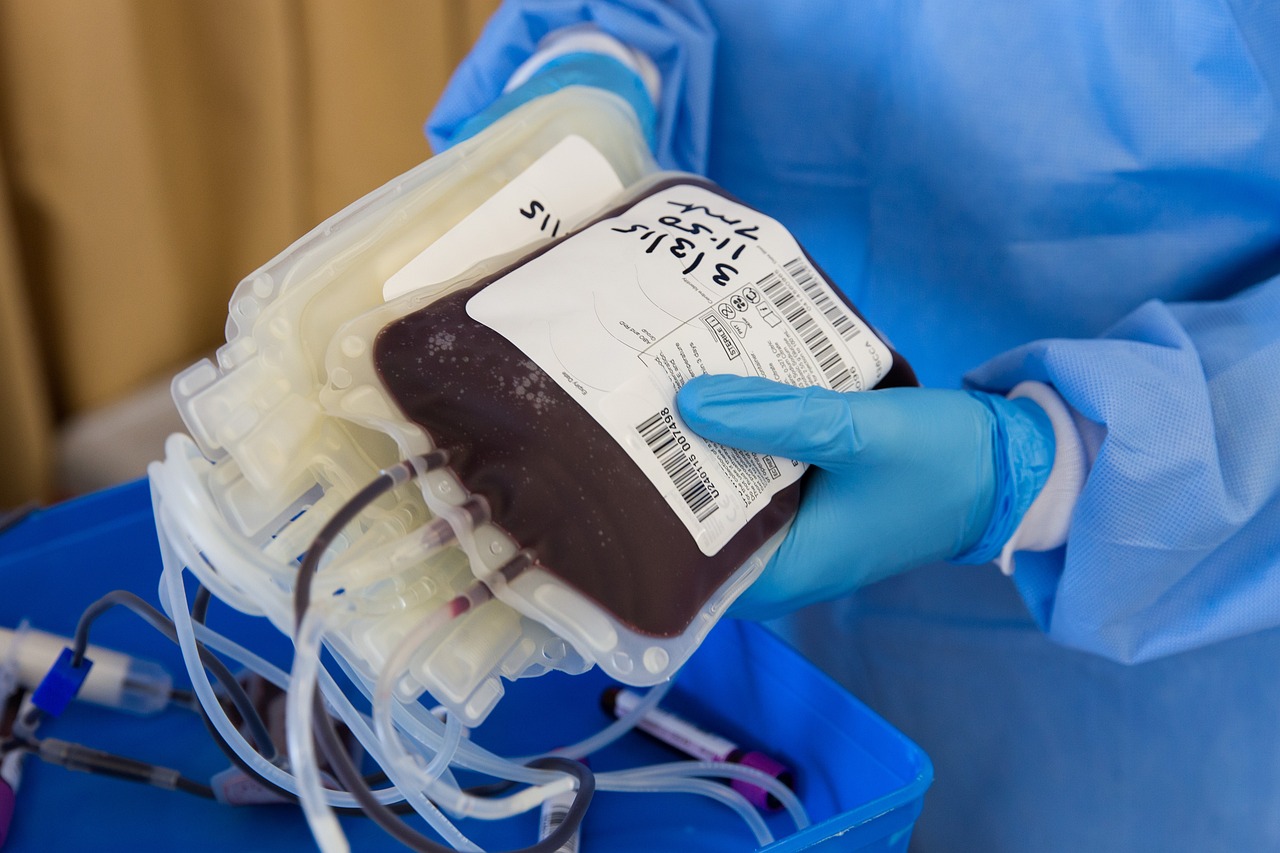
Hyperbaric chamber – a sealed enclosure that can be pressurised above atmospheric pressure to deliver therapeutic or research gases to a patient or subject. Chambers are classified as mono‑place (single occupant) or multi‑place (multiple occupants) and may be either hard‑sided (steel or aluminium) or soft‑sided (fabric). Understanding the structural limitations of a specific chamber type is essential for safe operation because the vessel must withstand the maximum working pressure without deformation or failure.
Absolute pressure – the total pressure measured from a perfect vacuum, expressed in units such as kilopascals (kPa) or atmospheres absolute (ATA). In hyperbaric practice the reference point is always absolute pressure, not gauge pressure, because physiological effects are related to the total pressure exerted on body tissues. For example, a chamber set to 2.0 ATA contains one atmosphere of ambient air plus one additional atmosphere of pressurised gas.
Gauge pressure – the pressure reading above ambient atmospheric pressure, commonly displayed on most chamber gauges. A gauge reading of 1.0 ATA indicates that the chamber interior is one atmosphere above the surrounding air pressure. Operators must be able to convert between gauge and absolute pressure, particularly when calibrating equipment or consulting safety standards that reference absolute values.
Ambient pressure – the pressure of the surrounding environment, typically 1.0 ATA at sea level. Changes in ambient pressure, such as those caused by altitude or weather systems, affect the starting point for chamber pressurisation and must be recorded before each treatment session.
Therapeutic oxygen – medical‑grade oxygen supplied at concentrations of 100 % for hyperbaric oxygen therapy (HBOT). The high partial pressure of oxygen in the chamber accelerates tissue healing, promotes angiogenesis, and enhances the killing of certain anaerobic bacteria. The term also distinguishes this oxygen from industrial‑grade or compressed‑air mixtures that may contain contaminants.
Partial pressure – the contribution of a single gas to the total pressure within the chamber, expressed in units such as mmHg or ATA. In HBOT the partial pressure of oxygen (pO₂) is the primary therapeutic variable; a typical treatment at 2.5 ATA delivers a pO₂ of 2.5 ATA, which is five times the normal atmospheric pO₂.
Decompression sickness (DCS) – a condition caused by the formation of inert gas bubbles in tissues and blood when pressure is reduced too quickly. Symptoms range from joint pain and skin rash to neurological deficits and cardiovascular collapse. In hyperbaric safety training, DCS is the most critical adverse event that emergency procedures aim to prevent or mitigate.
Barotrauma – injury resulting from pressure differentials across air‑filled spaces such as the middle ear, sinuses, or lungs. During pressurisation, failure to equalise these cavities can lead to pain, ruptured eardrums, or pulmonary over‑expansion. Proper equalisation techniques and pre‑treatment screening are essential to reduce barotrauma incidence.
Oxygen toxicity – a dose‑dependent adverse effect of high oxygen partial pressures on the central nervous system (CNS) and pulmonary system. CNS oxygen toxicity may manifest as seizures, visual disturbances, or nausea, whereas pulmonary toxicity appears as cough, chest pain, and reduced lung compliance. The seizure threshold is a key concept; it varies among individuals and can be lowered by factors such as fatigue, alcohol, or certain medications.
Fire risk – the combination of an oxidiser (oxygen), an ignition source, and a fuel. In a hyperbaric environment, even a small spark can ignite a fire that spreads rapidly because oxygen enrichment lowers the ignition temperature and increases flame velocity. Strict control of electrical equipment, elimination of combustible materials, and continuous monitoring of oxygen concentration are mandated by UK safety regulations.
Pressure vessel – a container designed to hold gases at pressures higher than atmospheric. Hyperbaric chambers are classified as pressure vessels and must comply with the Pressure Equipment Directive (PED) and the UK’s Health and Safety at Work etc. Act 1974. Regular inspection, certification, and maintenance are required to ensure structural integrity.
Leak detection – the systematic process of identifying unintended releases of gas from the chamber or associated piping. Common methods include acoustic emission testing, pressure decay testing, and the use of helium detectors. Prompt detection and repair of leaks prevent loss of therapeutic pressure, reduce fire hazard, and protect staff from exposure to high‑pressure oxygen.
Emergency decompression – a rapid reduction of chamber pressure to atmospheric levels in response to a critical event such as fire, imminent structural failure, or medical emergency. The procedure must balance the need for swift evacuation against the risk of precipitating DCS. Protocols typically include a staged decompression schedule that limits pressure drop to no more than 0.3 ATA per minute, if time permits.
Rescue protocol – a set of pre‑planned actions to retrieve a patient or staff member who becomes incapacitated inside the chamber. The protocol outlines the use of a rescue cradle, the sequence of depressurisation, and the roles of each team member. Training drills are conducted at least quarterly to ensure competence and coordination.
Fire drill – a scheduled exercise that simulates a fire scenario within the hyperbaric facility. Participants practice activating fire suppression systems, evacuating the chamber, and accounting for all occupants. Documentation of each drill, including time taken for evacuation and any deficiencies identified, is required for regulatory compliance.
Oxygen monitor – a sensor device that continuously measures the concentration of oxygen in the chamber atmosphere. Modern monitors provide audible and visual alarms when concentrations exceed safe limits, typically set at 23 % for a hard‑sided chamber. Calibration of monitors before each operational day is mandatory.
Scrubber – a component of the gas‑recycling system that removes carbon dioxide (CO₂) from exhaled breath. In closed‑circuit chambers, scrubbers use chemical media such as soda lime or lithium hydroxide. The efficiency and lifespan of the scrubber are critical to maintaining safe CO₂ levels, which if elevated can cause hypercapnia and respiratory acidosis.
Compressor – the machine that increases the pressure of supplied gas before it enters the chamber. Compressors used for HBOT must be oil‑free and equipped with filtration systems to prevent particulate contamination. Routine maintenance includes checking for wear, verifying pressure output, and ensuring that safety shut‑off valves function correctly.
Rebreather – a closed‑circuit breathing apparatus that recirculates exhaled gas after CO₂ removal and oxygen replenishment. While more common in diving, rebreathers are occasionally employed in hyperbaric research to minimise gas consumption. Operators must be trained in the specific hazards of rebreather use, including hypoxia, hyperoxia, and CO₂ buildup.
Pressure relief valve – a safety device that automatically releases excess pressure to prevent chamber over‑pressurisation. Valves are calibrated to open at a predetermined pressure, often 0.2 ATA above the maximum working pressure. Regular testing of valve operation is a core component of the chamber safety checklist.
Medical clearance – the process of evaluating a patient’s suitability for hyperbaric treatment based on medical history, current health status, and contraindications. Contraindications include untreated pneumothorax, certain chemotherapy agents, and uncontrolled seizures. Documentation of medical clearance must be retained for the duration of the patient’s treatment course.
Contraindication – a specific condition or factor that increases the risk of adverse outcomes from hyperbaric therapy. Absolute contraindications preclude treatment entirely, whereas relative contraindications may be managed with additional precautions. Knowledge of contraindications is essential for risk assessment and informed consent.
Informed consent – a process whereby the patient receives comprehensive information about the benefits, risks, alternatives, and procedural details of HBOT, and then voluntarily agrees to proceed. The consent form must be signed and dated, and the discussion should be documented in the patient’s record.
Risk assessment – a systematic evaluation of potential hazards associated with a specific hyperbaric procedure, including equipment failure, fire, DCS, and staff injury. The assessment identifies control measures, assigns responsibility, and establishes monitoring procedures. A written risk assessment is required for each new protocol or significant change in practice.
Standard operating procedure (SOP) – a detailed, step‑by‑step guide that describes how to safely perform routine tasks such as chamber pressurisation, patient loading, and emergency response. SOPs are reviewed annually and after any incident that reveals a procedural deficiency.
Ventilation – the movement of air within the chamber to dilute and remove excess oxygen and CO₂. Adequate ventilation reduces fire risk and maintains gas composition within safe limits. In multi‑place chambers, ventilation systems are often integrated with the gas supply line and controlled automatically by the chamber management console.
Fire suppression system – a collection of devices designed to extinguish a fire quickly and safely. In hyperbaric environments, inert gas extinguishers (e.G., CO₂) are preferred because they do not rely on water, which could damage electrical components, and they do not introduce additional oxygen. System activation must be coordinated with chamber depressurisation to avoid rapid pressure changes.
Electrical safety – the set of practices that prevent electrical hazards in a high‑oxygen environment. All electrical equipment used inside or near the chamber must be rated for oxygen‑enriched atmospheres (often identified by “O₂‑compatible” markings). Regular inspection for damaged insulation, proper grounding, and correct voltage rating is mandatory.
Personal protective equipment (PPE) – items worn by staff to protect against hazards such as high‑temperature fire, oxygen‑rich atmospheres, and chemical exposure. Typical PPE includes flame‑resistant clothing, safety glasses, hearing protection, and non‑conductive gloves. PPE must be inspected before each use and replaced when any damage is observed.
Oxygen‑compatible material – any material that will not ignite, support combustion, or degrade when exposed to elevated oxygen concentrations. Examples include stainless steel, certain polymers, and specially treated fabrics. Using non‑compatible materials in or around the chamber is a common source of fire incidents.
Pressure equalisation – the act of balancing pressure across air‑filled cavities in the body during changes in chamber pressure. Techniques include the Valsalva maneuver, Toynbee maneuver, and chewing. Training patients to equalise early and often reduces the incidence of barotrauma.
Pre‑breath – the practice of breathing 100 % oxygen for a defined period before ascent to reduce nitrogen load and minimise DCS risk. In hyperbaric settings, pre‑breathing may be employed when rapid decompression is required, as it accelerates the elimination of inert gases.
Decompression schedule – a prescribed plan for reducing chamber pressure in a controlled manner to avoid DCS. Schedules are often based on published tables such as the US Navy or Royal Navy decompression tables, and may be adjusted for depth, exposure time, and patient condition. Modern chambers use computer‑controlled decompression algorithms that automatically adjust the rate of pressure change.
Thermal imaging – the use of infrared cameras to detect heat signatures that may indicate a fire source or equipment overheating. Thermal imaging devices are valuable during fire drills and real emergencies because they can locate hidden hotspots within the chamber structure.
Medical emergency kit – a collection of supplies required to manage acute medical events inside the chamber. The kit typically contains oxygen masks, a defibrillator, emergency medications (e.G., Anticonvulsants, bronchodilators), and a suction device. The kit must be readily accessible and regularly inspected for expiry dates.
Resuscitation equipment – tools such as a bag‑valve‑mask, airway adjuncts, and a cardiac monitor that enable staff to provide cardiopulmonary resuscitation (CPR) within the hyperbaric environment. Equipment must be rated for use in high‑oxygen atmospheres and be compatible with the chamber’s internal layout.
Patient monitoring – continuous observation of vital signs, including heart rate, blood pressure, oxygen saturation, and level of consciousness. Monitoring devices must be non‑invasive, oxygen‑compatible, and capable of transmitting data to the external control room without compromising chamber integrity.
Control room – the external area from which the chamber is operated, monitored, and where the primary emergency response team is stationed. The control room contains the chamber console, communication system, fire alarm panel, and medical monitoring displays. Staff in the control room must maintain a clear line of sight to the chamber and be trained in both routine and emergency procedures.
Communication system – the set of devices that allow two‑way voice contact between occupants and the external team. Systems may be intercoms, wireless headsets, or hard‑wired telephone lines. Redundancy is essential; a backup communication method must be available in case the primary system fails.
Alarm hierarchy – a structured set of audible and visual signals that indicate the severity of an incident. Typical hierarchy levels include “caution,” “warning,” and “danger,” each associated with a specific response time and action. Operators must be familiar with each alarm’s meaning and the corresponding procedural steps.
Oxygen enrichment – an increase in the percentage of oxygen in the chamber atmosphere above the normal 21 % found in ambient air. Enrichment occurs intentionally during therapy but can also happen unintentionally due to leaks or equipment malfunction. Continuous monitoring prevents unsafe enrichment levels.
Venturi effect – the phenomenon whereby gas velocity increases as it passes through a constricted section, causing a drop in pressure. In hyperbaric systems, the Venturi effect is exploited in certain oxygen delivery devices, but it also poses a risk of creating low‑pressure zones that could lead to gas flow disturbances.
Gas mixing – the process of combining compressed gases to achieve a desired composition, such as a specific oxygen fraction for a therapeutic protocol. Accurate gas mixing requires calibrated flow meters, proper valve sequencing, and verification with gas analysers. Errors in mixing can result in hypoxic or hyperoxic conditions.
Oxygen analyser – an instrument that measures the fractional concentration of oxygen in a gas mixture. Analysers are used before each treatment session to confirm that the supplied gas meets the prescribed therapeutic specifications. Calibration against known standards is required at regular intervals.
Pressure transducer – a sensor that converts pressure into an electrical signal for display and control purposes. Transducers are integral to the chamber’s control system, providing real‑time data on internal pressure, rate of change, and valve status. Faulty transducers can lead to inaccurate pressure readings and unsafe operations.
Valve actuation – the mechanism by which a valve is opened or closed, either manually or automatically. In hyperbaric chambers, valve actuation is often pneumatic or electric, with fail‑safe designs that default to the safe position (usually closed) in the event of power loss.
Fail‑safe design – an engineering principle that ensures that, if a component fails, the system defaults to a condition that does not cause harm. Examples include pressure relief valves that open on over‑pressurisation and interlocks that prevent chamber entry when the pressure is above a safe threshold.
Interlock system – a series of safety switches that prevent certain actions unless predefined conditions are met. Common interlocks include door locks that engage when the chamber is pressurised, and gas supply locks that prevent flow unless the chamber is sealed. Interlocks must be regularly tested for proper operation.
Control algorithm – the computer program that governs the chamber’s pressurisation and depressurisation profile, including ramp rates, hold times, and safety limits. Algorithms are validated against established decompression models and must be updated when new research or regulatory guidance is issued.
Calibration – the process of adjusting an instrument’s output to match a known standard. Calibration of pressure gauges, oxygen analysers, and temperature sensors is required at intervals specified by the manufacturer or regulatory body. Documentation of each calibration event is part of the quality assurance record.
Quality assurance – a systematic approach to ensuring that all aspects of hyperbaric operation meet defined standards. QA activities include equipment maintenance logs, staff training records, incident investigations, and audit of procedural compliance. A robust QA program reduces the likelihood of accidents and supports continuous improvement.
Incident report – a written account of any event that deviates from normal operation, including near‑misses, equipment failures, and patient adverse reactions. The report details the circumstances, actions taken, outcomes, and recommendations for corrective measures. Incident reports are reviewed by the safety committee and may trigger regulatory notification.
Root‑cause analysis – a methodical investigation technique used to uncover the underlying factors that contributed to an incident. Techniques such as the “5 Whys” or fishbone diagram help identify systemic issues rather than focusing solely on immediate causes. Findings guide the development of corrective actions and preventive strategies.
Corrective action – a remedial step taken to eliminate the cause of a detected non‑conformity or incident. Corrective actions may involve equipment repair, procedural revision, additional training, or changes to the safety management system. Effectiveness of corrective actions is verified through follow‑up audits.
Preventive maintenance – scheduled servicing of equipment to reduce the probability of failure. For hyperbaric chambers, preventive maintenance includes inspection of seals, testing of pressure relief valves, cleaning of compressors, and verification of gas‑mixing systems. Maintenance intervals are defined by the manufacturer’s recommendations and regulatory requirements.
Safety culture – the collective attitudes, values, and behaviours that determine an organisation’s commitment to safety. A strong safety culture encourages reporting of hazards, supports continuous learning, and prioritises patient and staff wellbeing over operational expediency.
Regulatory body – the authority responsible for overseeing hyperbaric practice and ensuring compliance with legislation. In the United Kingdom, key bodies include the Health and Safety Executive (HSE), the Care Quality Commission (CQC), and the Medicines and Healthcare products Regulatory Agency (MHRA). Each agency has distinct responsibilities ranging from workplace safety inspections to clinical governance oversight.
Legislation – the body of laws and regulations that govern hyperbaric operations. Relevant statutes include the Pressure Systems Safety Regulations (PSSR), the Control of Substances Hazardous to Health (COSHH), and the Fire Safety Order. Compliance requires regular risk assessments, documentation, and staff training aligned with these legal frameworks.
Standard operating environment – the typical conditions under which the chamber is used, including temperature, humidity, and ambient oxygen levels. Maintaining a consistent environment reduces variability in treatment outcomes and supports equipment reliability. Environmental monitoring devices record temperature and humidity at regular intervals.
Thermal stress – the strain placed on chamber components due to temperature fluctuations. Rapid heating or cooling can cause expansion or contraction of metal parts, potentially leading to cracks or seal failures. Monitoring ambient temperature and allowing adequate acclimatization time before pressurisation mitigates thermal stress.
Seal integrity – the condition of the gaskets and O‑rings that prevent gas leakage from the chamber. Seal materials may degrade over time due to exposure to high‑pressure oxygen, chemical cleaners, or mechanical wear. Routine inspection for cracks, compression set, and discoloration is essential to maintain seal integrity.
Compression set – the permanent deformation of an elastomeric seal after prolonged exposure to pressure. A seal with high compression set may not reseal properly, leading to leaks. Replacement schedules for seals are based on manufacturer recommendations and observed wear patterns.
Gas supply line – the conduit that delivers compressed gas from the source (compressor or cylinder bank) to the chamber. Lines must be rated for the maximum operating pressure and be compatible with oxygen‑rich environments. Proper routing avoids sharp bends, mechanical damage, and exposure to heat sources.
Cylinder bank – a storage area for high‑pressure gas cylinders used as a backup or primary source of oxygen or air. Cylinder banks must be secured, ventilated, and equipped with appropriate fire‑suppression measures. Regular cylinder inspection includes checking for corrosion, valve integrity, and pressure gauge accuracy.
Gas cylinder valve – the mechanism that controls the flow of gas from a cylinder. Valves must be operable with one hand, have a pressure‑relief feature, and be clearly marked to indicate the gas type. Improper valve operation can result in rapid depressurisation or uncontrolled gas release.
Pressure gauge – an instrument that displays the pressure inside the chamber or gas line. Gauges may be analog (dial) or digital, and should be calibrated against a known standard. Redundant gauges (primary and secondary) provide verification and enhance safety.
Pressure gradient – the difference in pressure between two points within the chamber system. Maintaining appropriate pressure gradients is essential for controlled gas flow and for preventing turbulence that could disturb the patient.
Hydraulic system – the set of components that use fluid pressure to operate mechanical devices such as door actuators or valve mechanisms. Hydraulic fluid must be compatible with the chamber’s environment and be regularly inspected for leaks or contamination.
Mechanical lockout – a physical device that prevents operation of a system while maintenance or inspection is being performed. Lockout devices are part of the broader lockout‑tagout (LOTO) procedure, which protects staff from accidental energisation of equipment.
Lockout‑tagout – a safety protocol that ensures equipment is de‑energised and cannot be restarted until the lockout device is removed. LOTO procedures are mandatory during any work that could expose staff to pressurised gas, moving parts, or electrical hazards.
Emergency power supply – an uninterruptible power source that maintains operation of critical safety systems, such as alarms, communication devices, and pressure relief valves, during a mains outage. Batteries or generators must be tested regularly to guarantee reliability.
Fire extinguisher classification – categorisation of extinguishers according to the type of fire they are designed to combat. In hyperbaric settings, Class B (flammable liquids) and Class C (electrical) extinguishers are common, but the use of water‑based extinguishers is discouraged because water can conduct electricity and increase the risk of short‑circuits.
Fire blanket – a fire‑resistant fabric used to smother small flames. Fire blankets are stored near the chamber entry points and can be deployed quickly if a spark ignites a combustible item. Training includes proper unfolding and covering techniques.
Oxygen‑rich atmosphere – a condition where the proportion of oxygen exceeds the normal 21 % level, typically defined as >23 % for safety purposes. In such atmospheres, the flammability of materials is increased, and ignition temperatures are lowered. Continuous oxygen monitoring and strict control of ignition sources are required.
Ignition source – any device or condition that can initiate combustion, such as electrical equipment, static discharge, or open flames. Hyperbaric facilities enforce a policy of “no open flame” and require that all equipment be tested for suitability in oxygen‑rich environments.
Static discharge – the sudden flow of electricity between two objects with different electrical potentials. In a high‑oxygen environment, static discharge can ignite flammable vapours or powders. Antistatic measures include grounding of personnel, use of antistatic clothing, and humidity control.
Airlock – a chamber or vestibule that separates the hyperbaric environment from the external area, allowing personnel to pass without compromising pressure. Airlocks are equipped with interlocks that prevent opening both doors simultaneously, thereby maintaining the pressure differential.
Decompression stop – a prescribed pause at a specific pressure level during ascent, allowing inert gases to off‑load from tissues. The duration of a stop is based on the depth and exposure time, and may be adjusted for patient age, fitness, or presence of pre‑existing conditions.
Therapeutic dive profile – the specific schedule of pressurisation, treatment time at depth, and decompression that defines a hyperbaric session. Profiles are selected based on the clinical indication, such as wound healing, carbon monoxide poisoning, or radiation‑induced tissue injury. Accurate adherence to the profile is necessary for efficacy and safety.
Medical supervision – the presence or availability of a qualified medical professional who can assess patient status, respond to emergencies, and make clinical decisions during treatment. In many UK facilities, a doctor or hyperbaric specialist is required on‑site for certain high‑risk protocols.
Training simulation – a realistic scenario that replicates an emergency situation, such as a fire or rapid decompression, allowing staff to practice response actions without endangering patients. Simulations use mock equipment, role‑players, and timed drills to evaluate proficiency and identify gaps.
Simulation fidelity – the degree to which a training simulation replicates real‑world conditions. High‑fidelity simulations include authentic alarm sounds, realistic pressure changes, and actual medical equipment. The more accurate the simulation, the better the transfer of skills to real emergencies.
Scenario debrief – a structured discussion following a training simulation in which participants review performance, discuss decision‑making, and propose improvements. Debriefs are essential for reinforcing correct actions and correcting misconceptions.
Documentation – the written records that capture all aspects of hyperbaric operation, including treatment logs, equipment maintenance, incident reports, and training certificates. Documentation must be stored securely, be readily retrievable, and comply with data protection regulations.
Logbook – a specific type of documentation where daily activities, such as chamber runs, pressure readings, and personnel on duty, are recorded. Logbooks provide traceability and are often reviewed during audits.
Audit trail – a chronological record of system actions, such as changes to pressure set‑points, valve activations, and alarm acknowledgements. Electronic audit trails are generated by the chamber’s control software and support investigations by providing objective evidence of system behaviour.
Incident command system – a hierarchical framework used to manage emergency response, assigning roles such as Incident Commander, Safety Officer, and Communications Officer. The system ensures coordinated actions, clear communication, and efficient resource allocation during a hyperbaric emergency.
Patient positioning – the arrangement of the patient within the chamber to optimise comfort and safety. Positions may include supine, prone, or seated, depending on the treatment protocol. Correct positioning helps prevent pressure points, facilitates airway management, and assists with pressure equalisation.
Airway management – techniques used to maintain an open airway, such as head‑tilt‑chin‑lift, insertion of an oral airway, or use of a laryngeal mask. In hyperbaric emergencies, airway management must be performed quickly while considering the increased fire risk associated with oxygen‑rich environments.
Seizure protocol – a set of actions to be taken when a patient experiences a seizure, likely due to oxygen toxicity. The protocol includes immediate depressurisation to the lowest safe pressure, administration of an anticonvulsant (e.G., Diazepam), and continuous monitoring of vital signs. The protocol also outlines post‑event evaluation to determine if therapy should be modified.
Hypoxia – a condition where tissue oxygen levels are insufficient to meet metabolic demand. In hyperbaric settings, hypoxia may result from equipment failure, gas mixing errors, or accidental interruption of oxygen supply. Symptoms include confusion, cyanosis, and loss of consciousness. Prompt restoration of adequate oxygen delivery is critical.
Hypercapnia – elevated carbon dioxide levels in the blood, often caused by inadequate CO₂ removal in closed‑circuit systems. Clinical signs include headache, dyspnoea, and altered mental status. Hypercapnia is mitigated by ensuring scrubber functionality, monitoring CO₂ concentrations, and providing fresh gas flow as needed.
Pressure‑induced fatigue – a phenomenon where prolonged exposure to elevated pressure can lead to muscular or neurological fatigue, potentially compromising a patient’s ability to perform pressure equalisation. Monitoring patient comfort and allowing scheduled relief periods helps reduce fatigue.
Patient education – the process of informing patients about the therapy, safety procedures, and what to expect during treatment. Education includes instruction on equalisation techniques, signs of DCS, and the importance of reporting any discomfort immediately. Well‑informed patients are more likely to cooperate and report issues early.
Risk mitigation – the implementation of strategies designed to reduce the probability or impact of identified hazards. Examples include installing automatic fire suppression, enforcing strict PPE use, and limiting treatment duration to reduce oxygen toxicity risk.
Safety checklist – a concise list of items that must be verified before each chamber run. Checklists typically cover equipment status, oxygen concentration, patient consent, and emergency equipment availability. Completion of the checklist is signed off by the operator and serves as a final barrier against oversight.
Operator competency – the demonstration of knowledge, skills, and attitudes required to safely manage hyperbaric equipment. Competency is assessed through a combination of theoretical examinations, practical demonstrations, and periodic re‑assessment. Maintaining competency is a regulatory requirement.
Continuing professional development (CPD) – ongoing education activities that enable staff to stay current with advances in hyperbaric medicine, safety standards, and emergency response techniques. CPD may include workshops, conferences, online modules, and internal training sessions.
Incident investigation – a systematic inquiry into the causes of an adverse event. The investigation follows a predefined methodology, collects evidence, interviews witnesses, and produces a report that outlines findings and recommendations. The goal is to prevent recurrence through corrective actions.
Corrective action plan – a documented strategy that outlines specific steps, responsible parties, and timelines for addressing the root causes identified in an incident investigation. The plan is monitored for completion and effectiveness, and outcomes are reported to senior management.
Preventive action – proactive measures taken to eliminate potential hazards before they result in an incident. Preventive actions may involve redesigning a process, adding engineering controls, or updating training curricula.
Medical record – a comprehensive account of a patient’s medical history, treatment details, and outcomes. In hyperbaric medicine, the record includes pre‑treatment assessment, prescribed dive profile, monitoring data, and any adverse events experienced. Accurate records support clinical decision‑making and legal compliance.
Adverse event – any undesirable occurrence that results in injury, illness, or unintended physiological response during hyperbaric treatment. Adverse events are reported in the same manner as incidents, and each event triggers an investigation to determine causality.
Safety data sheet (SDS) – a document that provides information on the properties, hazards, handling, and emergency measures for chemicals used in the hyperbaric facility, such as cleaning agents or scrubber media. SDSs are required to be readily accessible to all staff.
Emergency evacuation plan – a detailed map and set of instructions that describe routes, assembly points, and responsibilities for evacuating the hyperbaric suite in case of fire, structural failure, or other threats. The plan must be posted prominently and rehearsed regularly.
Assembly point – the designated location where staff and patients gather after evacuating the hyperbaric area. Attendance is taken at the assembly point to confirm that everyone has been accounted for.
Rescue team – a group of trained personnel responsible for retrieving occupants from the chamber during an emergency. The team includes individuals with expertise in pressure vessel operation, medical emergency response, and fire management.
Rescue cradle – a specialised device used to support a patient while they are extracted from the chamber. The cradle is designed to maintain spinal alignment, protect against further injury, and allow for rapid transport to a medical area.
Medical triage – the process of prioritising patients based on the severity of their condition during an emergency. Triage categories (e.G., Immediate, delayed, minimal) guide the allocation of resources and determine the order in which patients receive care.
Oxygen‑compatible fire extinguisher – a fire suppression device that uses a non‑oxygen‑based agent, such as a dry‑chemical powder, to extinguish fires without adding oxygen to the environment. These extinguishers are safe for use inside a hyperbaric chamber because they do not exacerbate the fire hazard.
Fire-resistant clothing – garments made from materials that do not ignite easily and can provide a barrier against heat. In hyperbaric emergencies, staff may don fire‑resistant clothing before entering a chamber where a fire is suspected.
Pressure‑induced hearing loss – a potential auditory injury caused by rapid pressure changes that damage the inner ear structures. Equalisation techniques and controlled pressurisation rates help protect hearing.
Decompression protocol for pediatric patients – a modified schedule that accounts for the physiological differences in children, such as higher metabolic rates and different tissue solubility characteristics. Pediatric protocols often include slower ascent rates and extended decompression stops.
High‑altitude chamber operation – the practice of using hyperbaric equipment at locations where ambient pressure is already reduced, such as mountain hospitals. Altitude affects the baseline pressure, so the chamber’s pressure settings must be adjusted accordingly, and the risk of DCS may be heightened.
Gas purity verification – testing the supplied oxygen or air for contaminants such as moisture, hydrocarbons, or particulates. Gas purity is verified using gas chromatographs or specialised analyzers, and results are recorded before each treatment series.
Pressure‑relief valve testing – a procedure that simulates over‑pressurisation to confirm that the valve opens at the correct set point and reseals properly after activation. The test is performed with the chamber empty and under controlled conditions.
Oxygen enrichment alarm – an audible and visual signal that activates when oxygen concentration exceeds the safe threshold. The alarm prompts immediate investigation and corrective action, such as increasing ventilation or stopping oxygen flow.
Ventilation rate adjustment – the modification of airflow within the chamber to maintain target gas concentrations. Rate adjustments may be required when patient load changes, when a leak is detected, or during a fire event to dilute combustible gases.
Fire‑drill response time – the interval measured from the activation of the fire alarm to the complete evacuation of the chamber. Regulatory guidelines often specify a maximum allowable response time, and drills are used to verify compliance.
Oxygen‑compatible lubricants – greases and oils formulated to resist ignition in oxygen‑rich atmospheres. These lubricants are used on moving parts such as valve stems and door hinges to ensure smooth operation without compromising fire safety.
Electrical conduit rating – the classification of wiring protection that indicates suitability for use in oxygen‑enriched environments. Conduits must be non‑metallic, non‑flammable, and free of contaminants that could act as fuel.
Key takeaways
- Understanding the structural limitations of a specific chamber type is essential for safe operation because the vessel must withstand the maximum working pressure without deformation or failure.
- In hyperbaric practice the reference point is always absolute pressure, not gauge pressure, because physiological effects are related to the total pressure exerted on body tissues.
- Operators must be able to convert between gauge and absolute pressure, particularly when calibrating equipment or consulting safety standards that reference absolute values.
- Changes in ambient pressure, such as those caused by altitude or weather systems, affect the starting point for chamber pressurisation and must be recorded before each treatment session.
- The high partial pressure of oxygen in the chamber accelerates tissue healing, promotes angiogenesis, and enhances the killing of certain anaerobic bacteria.
- Partial pressure – the contribution of a single gas to the total pressure within the chamber, expressed in units such as mmHg or ATA.
- Decompression sickness (DCS) – a condition caused by the formation of inert gas bubbles in tissues and blood when pressure is reduced too quickly.