
Patient Assessment in Hyperbaric Medicine
Patient assessment in hyperbaric medicine is a critical process that involves evaluating the patient's suitability for hyperbaric oxygen therapy. This assessment is crucial to ensure that the patient can safely withstand the increased press…
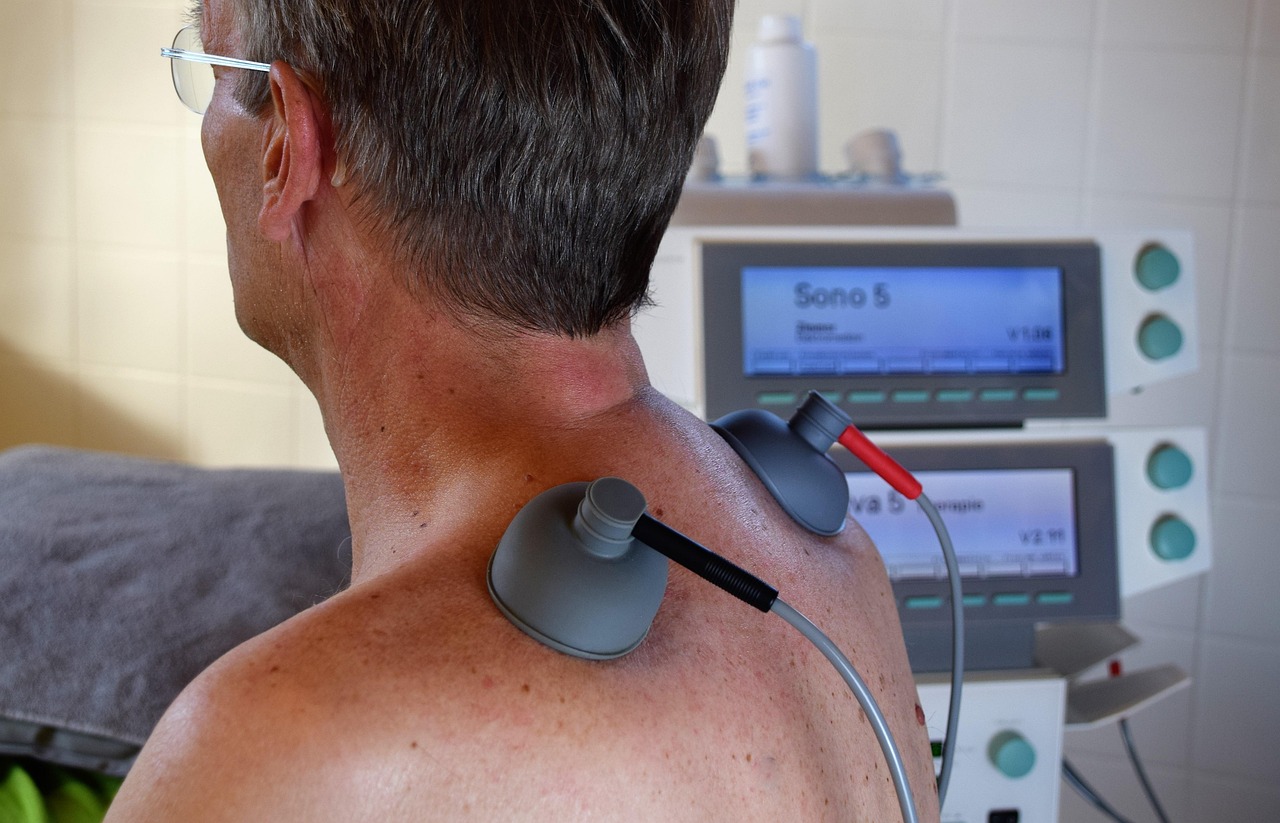
Patient assessment in hyperbaric medicine is a critical process that involves evaluating the patient's suitability for hyperbaric oxygen therapy. This assessment is crucial to ensure that the patient can safely withstand the increased pressure and oxygen levels in the hyperbaric chamber. The first step in patient assessment is to gather relevant information about the patient's medical history, including any previous illnesses, injuries, or surgeries. This information is used to identify potential risks and contraindications for hyperbaric oxygen therapy. For example, patients with a history of lung disease may be at risk of experiencing lung damage due to the increased pressure in the hyperbaric chamber.
The next step in patient assessment is to perform a physical examination, which includes evaluating the patient's vital signs, such as blood pressure, heart rate, and respiratory rate. The patient's physical condition, including any signs of injury or infection, is also evaluated. The patient's neurological status, including their level of consciousness and cognitive function, is also assessed. This information is used to determine the patient's overall health status and to identify any potential risks or complications associated with hyperbaric oxygen therapy.
In addition to the physical examination, the patient's psychological status is also evaluated. This includes assessing the patient's anxiety and stress levels, as well as their ability to cope with the hyperbaric environment. Patients who are claustrophobic or have a history of anxiety disorders may require additional support and monitoring during hyperbaric oxygen therapy.
The patient's medication history is also evaluated, including any prescription medications or over-the-counter medications they are currently taking. This information is used to identify potential interactions between the patient's medications and hyperbaric oxygen therapy. For example, patients taking blood thinners may be at risk of experiencing bleeding complications during hyperbaric oxygen therapy.
The patient's social history is also evaluated, including their smoking status and alcohol use. This information is used to identify potential risks and complications associated with hyperbaric oxygen therapy. For example, patients who smoke may be at risk of experiencing respiratory complications due to the increased oxygen levels in the hyperbaric chamber.
The patient's family medical history is also evaluated, including any history of genetic disorders or inherited conditions. This information is used to identify potential risks and complications associated with hyperbaric oxygen therapy. For example, patients with a family history of sickle cell disease may be at risk of experiencing sickle cell crisis during hyperbaric oxygen therapy.
Once the patient's medical, physical, psychological, medication, social, and family history has been evaluated, the patient is then assessed for their suitability for hyperbaric oxygen therapy. This assessment includes evaluating the patient's diagnosis and treatment plan, as well as their informed consent to undergo hyperbaric oxygen therapy. The patient's medical stability is also evaluated, including their ability to withstand the increased pressure and oxygen levels in the hyperbaric chamber.
The patient's physical limitations are also evaluated, including any physical disabilities or mobility issues that may affect their ability to undergo hyperbaric oxygen therapy. For example, patients with spinal cord injuries may require additional support and monitoring during hyperbaric oxygen therapy.
In addition to the patient's physical limitations, their cognitive abilities are also evaluated, including their ability to follow instructions and understand the hyperbaric oxygen therapy process. Patients with cognitive impairments or learning disabilities may require additional support and monitoring during hyperbaric oxygen therapy.
The patient's emotional stability is also evaluated, including their ability to cope with the hyperbaric environment and any potential anxiety or stress associated with the therapy. Patients with a history of anxiety disorders or post-traumatic stress disorder may require additional support and monitoring during hyperbaric oxygen therapy.
The patient's social support is also evaluated, including their access to family and friends who can provide emotional support during the hyperbaric oxygen therapy process. Patients who are socially isolated or have limited social support may require additional support and monitoring during hyperbaric oxygen therapy.
Once the patient has been assessed for their suitability for hyperbaric oxygen therapy, they are then prepared for the therapy process. This preparation includes educating the patient about the hyperbaric oxygen therapy process, including the benefits and risks associated with the therapy. The patient is also informed about the potential side effects of hyperbaric oxygen therapy, including ear barotrauma and sinus barotrauma.
The patient is also prepared for the hyperbaric environment, including the use of comfort measures such as music and temperature control to reduce anxiety and stress. The patient is also monitored during the hyperbaric oxygen therapy process, including the use of vital sign monitoring and electrocardiogram monitoring to ensure their safety and well-being.
In addition to the patient's preparation, the hyperbaric chamber is also prepared for the patient, including the use of safety equipment such as fire extinguishers and emergency oxygen supplies. The hyperbaric chamber is also maintained regularly, including the use of quality control measures to ensure the safety and efficacy of the hyperbaric oxygen therapy process.
The hyperbaric oxygen therapy process is also monitored during the therapy session, including the use of pressure gauges and oxygen monitors to ensure the safety and efficacy of the therapy. The patient is also monitored during the therapy session, including the use of vital sign monitoring and electrocardiogram monitoring to ensure their safety and well-being.
The patient's response to the hyperbaric oxygen therapy is also monitored during the therapy session, including the use of symptom assessment tools to evaluate the patient's symptom severity and response to the therapy. The patient's progress is also monitored during the therapy session, including the use of outcome measures to evaluate the efficacy of the hyperbaric oxygen therapy.
The patient's discharge from the hyperbaric oxygen therapy session is also planned, including the use of discharge criteria to evaluate the patient's readiness for discharge. The patient is also educated about the post-therapy instructions, including the use of medications and follow-up appointments to ensure their safety and well-being.
In addition to the patient's discharge, the hyperbaric oxygen therapy session is also documented, including the use of medical records to document the patient's therapy session and response to the therapy. The patient's progress is also documented, including the use of outcome measures to evaluate the efficacy of the hyperbaric oxygen therapy.
The hyperbaric oxygen therapy session is also evaluated, including the use of quality control measures to ensure the safety and efficacy of the hyperbaric oxygen therapy process. The patient's feedback is also evaluated, including the use of patient satisfaction surveys to evaluate the patient's satisfaction with the hyperbaric oxygen therapy process.
The patient's follow-up care is also planned, including the use of follow-up appointments to evaluate the patient's progress and response to the hyperbaric oxygen therapy. The patient's medications are also evaluated, including the use of medication management to ensure the patient's safety and well-being.
In addition to the patient's follow-up care, the hyperbaric oxygen therapy process is also continuously evaluated, including the use of quality improvement measures to ensure the safety and efficacy of the hyperbaric oxygen therapy process. The patient's outcomes are also evaluated, including the use of outcome measures to evaluate the efficacy of the hyperbaric oxygen therapy.
The hyperbaric oxygen therapy process is also regulated, including the use of regulatory agencies to ensure the safety and efficacy of the hyperbaric oxygen therapy process. The patient's rights are also protected, including the use of informed consent to ensure the patient's autonomy and self-determination.
In addition to the patient's rights, the hyperbaric oxygen therapy process is also guided by ethics, including the use of ethical principles to ensure the safety and well-being of the patient. The patient's dignity is also respected, including the use of cultural sensitivity to ensure the patient's cultural needs are met.
The hyperbaric oxygen therapy process is also supported by evidence-based practice, including the use of research to evaluate the efficacy of the hyperbaric oxygen therapy. The patient's care is also coordinated, including the use of interdisciplinary teams to ensure the patient's comprehensive care needs are met.
In addition to the patient's care, the hyperbaric oxygen therapy process is also continuously improved, including the use of quality improvement measures to ensure the safety and efficacy of the hyperbaric oxygen therapy process. The patient's feedback is also encouraged, including the use of patient feedback to evaluate the patient's satisfaction with the hyperbaric oxygen therapy process.
The hyperbaric oxygen therapy process is also standardized, including the use of protocols to ensure the safety and efficacy of the hyperbaric oxygen therapy process. The patient's care is also individualized, including the use of personalized care plans to ensure the patient's unique needs are met.
In addition to the patient's care, the hyperbaric oxygen therapy process is also cost-effective, including the use of cost-benefit analysis to evaluate the cost-effectiveness of the hyperbaric oxygen therapy. The patient's access to the hyperbaric oxygen therapy is also facilitated, including the use of insurance coverage to ensure the patient's access to the hyperbaric oxygen therapy.
The hyperbaric oxygen therapy process is also regulated by government agencies, including the use of regulations to ensure the safety and efficacy of the hyperbaric oxygen therapy process. The patient's rights are also protected by laws, including the use of laws to ensure the patient's autonomy and self-determination.
In addition to the patient's rights, the hyperbaric oxygen therapy process is also guided by professional standards, including the use of professional guidelines to ensure the safety and efficacy of the hyperbaric oxygen therapy process. The patient's care is also coordinated by healthcare teams, including the use of interdisciplinary teams to ensure the patient's comprehensive care needs are met.
The hyperbaric oxygen therapy process is also supported by education and training, including the use of educational programs to ensure the competence of the healthcare providers. The patient's care is also evaluated by quality improvement teams, including the use of quality improvement measures to ensure the safety and efficacy of the hyperbaric oxygen therapy process.
In addition to the patient's care, the hyperbaric oxygen therapy process is also continuously improved by research and development, including the use of research studies to evaluate the efficacy of the hyperbaric oxygen therapy. The patient's feedback is also encouraged by patient advocacy groups, including the use of patient feedback to evaluate the patient's satisfaction with the hyperbaric oxygen therapy process.
The hyperbaric oxygen therapy process is also standardized by professional organizations, including the use of standards to ensure the safety and efficacy of the hyperbaric oxygen therapy process. The patient's care is also individualized by healthcare providers, including the use of personalized care plans to ensure the patient's unique needs are met.
In addition to the patient's care, the hyperbaric oxygen therapy process is also cost-effective by healthcare systems, including the use of cost-benefit analysis to evaluate the cost-effectiveness of the hyperbaric oxygen therapy. The patient's access to the hyperbaric oxygen therapy is also facilitated by insurance companies, including the use of insurance coverage to ensure the patient's access to the hyperbaric oxygen therapy.
The hyperbaric oxygen therapy process is also regulated by government agencies, including the use of regulations to ensure the safety and efficacy of the hyperbaric oxygen therapy process. The patient's rights are also protected by laws, including the use of laws to ensure the patient's autonomy and self-determination.
In addition to the patient's rights, the hyperbaric oxygen therapy process is also guided by professional standards, including the use of professional guidelines to ensure the safety and efficacy of the hyperbaric oxygen therapy process. The patient's care is also coordinated by healthcare teams, including the use of interdisciplinary teams to ensure the patient's comprehensive care needs are met.
The hyperbaric oxygen therapy process is also supported by education and training, including the use of educational programs to ensure the competence of the healthcare providers. The patient's care is also evaluated by quality improvement teams, including the use of quality improvement measures to ensure the safety and efficacy of the hyperbaric oxygen therapy process.
The hyperbaric oxygen therapy process is a complex and multifaceted process that requires careful planning, coordination, and evaluation to ensure the safety and efficacy of the therapy. The patient's care is the top priority, and the hyperbaric oxygen therapy process is designed to meet the patient's unique needs and ensure their well-being. The hyperbaric oxygen therapy process is also continuously improved through research and development, quality improvement, and patient feedback to ensure that the patient receives the best possible care.
Key takeaways
- For example, patients with a history of lung disease may be at risk of experiencing lung damage due to the increased pressure in the hyperbaric chamber.
- The next step in patient assessment is to perform a physical examination, which includes evaluating the patient's vital signs, such as blood pressure, heart rate, and respiratory rate.
- Patients who are claustrophobic or have a history of anxiety disorders may require additional support and monitoring during hyperbaric oxygen therapy.
- The patient's medication history is also evaluated, including any prescription medications or over-the-counter medications they are currently taking.
- For example, patients who smoke may be at risk of experiencing respiratory complications due to the increased oxygen levels in the hyperbaric chamber.
- For example, patients with a family history of sickle cell disease may be at risk of experiencing sickle cell crisis during hyperbaric oxygen therapy.
- Once the patient's medical, physical, psychological, medication, social, and family history has been evaluated, the patient is then assessed for their suitability for hyperbaric oxygen therapy.