
Wool Production Systems
Wool production systems involve a complex series of steps from the living animal to the finished textile, and each step is described by a specific set of terms. Understanding these key terms is essential for anyone studying the Certificate …
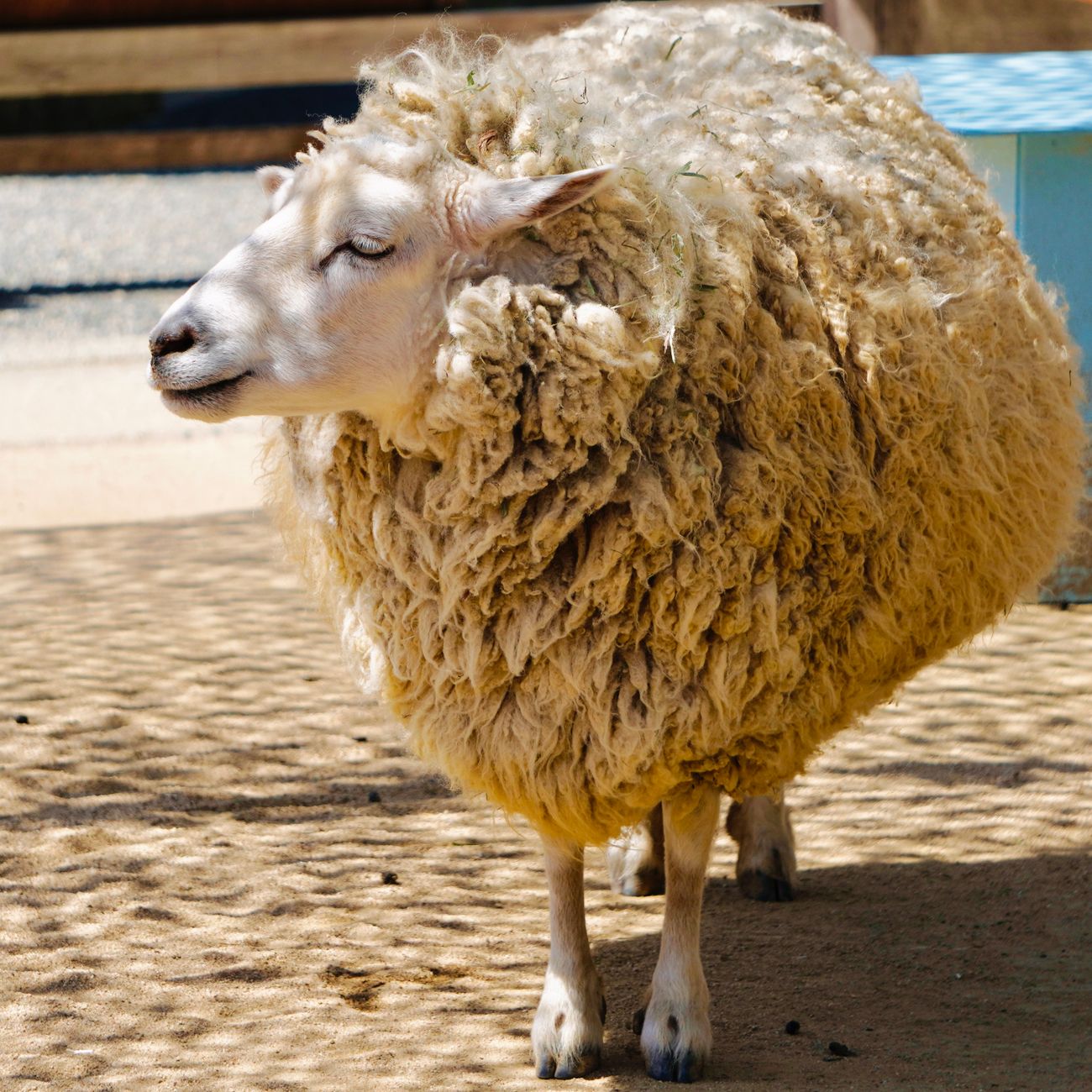
Wool production systems involve a complex series of steps from the living animal to the finished textile, and each step is described by a specific set of terms. Understanding these key terms is essential for anyone studying the Certificate in Wool Classing, as they form the language used by shearing crews, classers, scouring plants, traders, and textile manufacturers. The following explanation defines the most important vocabulary, illustrates how each term is used in practice, and highlights common challenges that can affect wool quality and value.
Fleece refers to the total coat of wool that covers a sheep at the time of shearing. It is the raw material from which all subsequent processing begins. A fleece is described by its weight, length, density, and uniformity. For example, a Merino ewe may produce a fleece weighing 5 kg with an average staple length of 70 mm, while a cross‑bred sheep might yield a heavier fleece of 8 kg but with shorter staples. The term fleece weight is often expressed in kilograms per head, and it directly influences the economic return of the shearing operation.
Staple length is the length of an individual wool fiber measured from the root to the tip after the fleece has been shorn. It is usually recorded in millimetres (mm) or inches. Staple length determines the suitability of wool for different end‑uses. Long staples (over 80 mm) are prized for worsted yarns because they can be spun into smooth, strong threads, whereas short staples (under 50 mm) are more appropriate for woolen yarns where loft and warmth are desired. A common challenge for producers is achieving a consistent staple length across the flock; variations can arise from nutrition, breed genetics, and the timing of shearing relative to the growth cycle.
Micron is the standard unit for measuring fiber diameter, with one micron equal to one‑thousandth of a millimetre. The term average micron describes the mean diameter of all fibers in a sample. Finer fibers have lower micron values and are more valuable because they produce softer, higher‑quality fabrics. Merino wool typically falls in the 15–22 micron range, whereas coarse wool from breeds such as Romney may be 30 microns or more. Producers must balance the pursuit of fine micron counts with the need for adequate staple length and strength; excessive fineness can lead to weaker fibers that break during processing.
Crimp describes the natural waviness of wool fibers, measured as the number of bends per centimetre. Crimp is a critical factor in determining the bulk and elasticity of the finished yarn. High‑crimp wool (over 12 crimp/cm) creates airy, insulating fabrics, while low‑crimp wool (below 8 crimp/cm) yields smoother, denser textiles. Crimp is genetically controlled but can also be affected by animal health, nutrition, and environmental stress. In classing, a high crimp count is often associated with finer fibers, yet the relationship is not absolute; some coarse breeds exhibit high crimp, which can complicate grading decisions.
Fiber diameter distribution (FDD) refers to the spread of fiber diameters within a fleece. Rather than a single average micron, the FDD provides a more nuanced picture of quality, showing the proportion of fibers falling within specific diameter ranges (e.G., 15–18 Microns, 18–21 microns). A narrow distribution indicates uniformity and typically commands a higher price. Wide distributions, on the other hand, suggest a mix of fine and coarse fibers, which can reduce the fleece’s market value because it may require blending or additional processing to meet specification standards.
Fiber strength is the ability of a wool fiber to resist breaking under tension. It is measured in newtons (N) or grams‑force per denier and is a key consideration for spinning. Strong fibers produce yarns with higher tenacity, which is essential for durable garments and industrial applications. Factors influencing fiber strength include genetics, mineral nutrition (especially sulfur and copper), and the presence of disease or parasites. A common challenge is that high‑finning (very fine) wool often exhibits lower strength, requiring careful management to avoid excessive breakage during carding or spinning.
Fiber elasticity refers to the capacity of a wool fiber to stretch and recover its original length after a load is removed. Wool’s natural elasticity contributes to the resilience and comfort of garments. Elasticity is quantified by the percentage elongation before the fiber reaches its breaking point. Good elasticity is associated with high crimp and fine micron values, but it can be diminished by over‑shorn or under‑nourished sheep, which produce fibers with reduced resilience.
Lanolin is the natural grease secreted by the sebaceous glands of a sheep’s skin. It coats each fiber and provides water repellency and protection against weather. Lanolin content is expressed as a percentage of the raw fleece weight, typically ranging from 10 % to 25 %. During scouring, lanolin is removed to produce clean wool, and the extracted lanolin is a valuable by‑product used in cosmetics and lubricants. The challenge for classers is to estimate lanolin levels accurately, as high lanolin can increase the weight of the fleece but does not contribute to fiber quality.
Scouring is the industrial process of washing raw wool to remove lanolin, dirt, vegetable matter, and other contaminants. It involves a series of baths with detergents, alkali, and hot water, followed by rinsing and drying. The result is clean wool, which is measured by the clean‑wool yield (percentage of the original fleece weight remaining after scouring). A typical yield for fine Merino wool is 70 %–75 %, while coarser wool may yield 60 %–65 %. Inefficient scouring can lead to fiber damage, loss of strength, and reduced market value.
Contaminants in wool are any non‑fibrous materials that remain after scouring. They are classified into several categories:
1. Vegetable matter – stems, leaves, and seed heads that become entangled in the fleece. 2. Animal matter – bits of hair, skin, or dung. 3. Mineral matter – sand, grit, and soil particles. 4. Metallic matter – bits of wire, nails, or fencing.
The presence of contaminants is recorded during classing as a percentage of the clean‑wool weight. High contaminant levels can reduce the price of the wool and cause equipment wear in downstream processes.
Wool class is a classification system that groups wool based on a combination of fiber diameter, staple length, crimp, strength, and cleanliness. In many regions, the International Wool Textile Organization (IWTO) provides a standard set of classes (e.G., Fine, Superfine, Medium, Strong). Each class has a target range of microns, staple length, and quality parameters. For instance, the Superfine class may require an average micron of 16–18, staple length of 75–90 mm, and a clean‑wool yield of at least 73 %. Classers must assess each fleece against these criteria and assign the appropriate class, which directly influences the price paid by buyers.
Wool grading is a more detailed assessment that evaluates a fleece against a set of quality characteristics, often expressed as a numeric score or grade (e.G., Grade 1, Grade 2). Grading considers factors such as uniformity, presence of defects (e.G., Kemp, broken fibers), and overall condition. In some markets, a “Grade 1” fleece must exhibit less than 2 % kemp, a clean‑wool yield above 75 %, and a fiber diameter variance below 2 microns. Accurate grading requires experience and a systematic approach, as subjective judgments can lead to inconsistencies in pricing.
Kemp is a coarse, hollow fiber that is found in many sheep breeds, especially those not specifically bred for fine wool. Kemp fibers are typically 30–45 microns in diameter and lack the fine surface scales that give wool its softness. Because kemp does not take dye well and reduces the overall quality of the yarn, its presence is a negative factor in grading. A fleece with more than 5 % kemp may be downgraded to a lower class, and classers often record the exact percentage of kemp during evaluation.
Fiber uniformity describes the consistency of fiber diameter, staple length, and crimp across a single fleece. Uniformity is quantified using statistical measures such as the coefficient of variation (CV) for micron and staple length. A low CV indicates that most fibers are similar in size, which is desirable for producing even yarns. High variability can result in uneven spinning, increased waste, and lower market value. Managing uniformity is a key challenge for producers, who must align breeding, nutrition, and shearing practices to minimize fluctuations.
Shearing is the process of removing the fleece from a live sheep. It is performed using specialized shears, either hand‑operated or powered. The timing of shearing (typically 5–7 months after lambing) influences fleece quality; shearing too early can result in short staples, while shearing too late may lead to increased dirt and vegetable contamination. Skilled shearers aim for a clean, even cut that maximises fleece weight and minimizes damage to the skin. Poor shearing technique can cause cuts, stress to the animal, and loss of valuable fibers.
Shearing equipment includes hand shears, electric shears, and associated tools such as shearing tables, wool bags, and fleece handling trolleys. Modern electric shears can increase speed and reduce fatigue, but they require regular maintenance to keep blades sharp and balanced. Dull or misaligned blades can cause fiber breakage and uneven staple length, directly affecting classing outcomes.
Post‑shearing handling refers to the series of steps that occur after the fleece is removed: Sorting, skirting, baling, and transport to the scouring plant. Skirting involves removing the outer edges of the fleece, which typically contain higher levels of contaminants and coarser fibers. Proper skirting improves the overall quality of the bale and reduces the proportion of undesirable material. Bales are compressed to a standard weight (often 170 kg) and wrapped in protective film to protect against moisture and contamination during storage and transport.
Bale composition is recorded on the bale tag and includes information such as fleece weight, class, grade, clean‑wool yield, and any notable defects. Accurate bale composition data are essential for traceability and for buyers to assess the suitability of the wool for their intended end‑use. In some markets, bale tags also include a QR code that links to a digital record of the fleece’s test results, providing transparency throughout the supply chain.
Spinning count is an historical measure of the fineness of wool, expressed as the number of hanks of yarn that can be spun from one pound of clean wool. For example, a spinning count of 64s means that 64 hanks (each 560 yards) can be produced from one pound. Modern classification systems have largely replaced spinning count with micron measurements, but the term persists in some regions and is still used as a quick reference for fineness.
Worsted is a processing method that aligns fibers parallel to each other before spinning, resulting in a smooth, strong yarn. Worsted yarns require long, strong, and relatively fine fibers, making staple length and strength critical parameters. In contrast, the woolen system uses short, crimped fibers that are carded into a fluffy web, producing a softer, bulkier yarn. Understanding the distinction between worsted and woolen systems helps classers recommend appropriate end‑uses for each fleece.
Carding is the mechanical process that disentangles, cleans, and aligns wool fibers into a continuous web called a sliver. The quality of the carding output depends heavily on the uniformity and cleanliness of the input wool. Coarse contaminants or high kemp content can cause blockages and uneven carding, leading to defects in the final yarn. Carding is a critical step before both worsted and woolen spinning, and its efficiency is a key performance indicator for processing plants.
Combing is a more intensive alignment process used primarily for worsted yarn production. It removes short fibers and kemp, leaving a long‑fiber “top” that is uniform in length. The combed top is then drawn into roving and spun. Because combing discards a portion of the fleece, the yield from combed wool is lower than from carded wool, but the resulting yarn is of higher quality and fetches a premium price.
Roving is a thin, slightly twisted strand of wool that is drawn from the carded sliver or combed top before final spinning. The roving’s twist level and draft ratio affect the final yarn’s strength and evenness. Operators must monitor roving tension and speed to avoid over‑twisting, which can cause weak spots, or under‑twisting, which can lead to yarn breakage during subsequent processing.
Yarn is the final product of spinning, consisting of continuous strands of twisted wool fibers. Yarn is classified by its count (thickness), twist per metre, and intended use (e.G., Knitting, weaving, felting). The properties of the original fleece—micron, staple length, crimp, and strength—are reflected in the characteristics of the yarn. For instance, a fine, long‑staple fleece yields a smooth, fine yarn suitable for high‑fashion suits, while a coarse, short‑staple fleece produces a bulky yarn ideal for insulation blankets.
Felting is a process where wool fibers are mat together using heat, moisture, and agitation to create a dense, non‑woven fabric. Felting requires fibers with sufficient surface scales and a degree of crimp to interlock. Fine Merino wool, with its high crimp and fine micron, produces a soft, high‑quality felt, whereas coarse wool may result in a rough, less uniform felt. Understanding the felting properties of a fleece helps classers guide producers toward markets that value this capability.
Wool market refers to the global network of buyers, traders, and manufacturers who purchase raw or processed wool. Prices are influenced by supply and demand, quality specifications, currency fluctuations, and geopolitical factors. Market reports often list price benchmarks for different classes (e.G., Superfine, Medium, Strong) expressed in dollars per kilogram of clean wool. Classers must stay informed about market trends to advise producers on optimal harvesting times and target classes.
Wool price is typically quoted as a cash price per kilogram of clean wool, adjusted for quality penalties or bonuses. Penalties may be applied for high contaminant levels, excessive kemp, or low fiber strength. Bonuses are granted for exceptionally fine micron values, high clean‑wool yield, or uniformity. For example, a fleece classified as Superfine with a clean‑wool yield of 78 % and less than 1 % kemp might receive a $4.50/Kg premium, whereas a same‑class fleece with 5 % kemp could be penalised by $0.30/Kg.
Wool quality encompasses all measurable attributes that affect the end‑use performance and market value of the wool. The primary quality indicators are micron, staple length, crimp, strength, clean‑wool yield, and contaminant levels. Secondary indicators include fiber curvature, elasticity, and the presence of undesirable fibers such as kemp or vegetable matter. High‑quality wool meets the stringent specifications of premium textile manufacturers and commands the highest price points.
Wool grading standards are published by industry bodies such as the International Wool Textile Organization (IWTO) and national wool boards. These standards define the acceptable ranges for each class and grade, providing a common language for buyers and sellers. For instance, the IWTO standard for the “Fine” class may require an average micron of 18–20, staple length of 65–80 mm, and a clean‑wool yield of at least 70 %. Compliance with these standards is verified through laboratory testing and on‑farm classing.
Laboratory testing is conducted on samples taken from each fleece during classing. The most common tests include:
1. Micron measurement – using optical or laser diffraction methods. 2. Staple length determination – measured with a calibrated ruler or digital device. 3. Crimp count – counted under a microscope. 4. Strength testing – performed with a tensile tester that pulls fibers until they break. 5. Clean‑wool yield – calculated after a laboratory scouring trial.
Accurate testing is essential because even small errors can lead to misclassification and financial loss.
Data recording during classing is performed on a fleece tag that accompanies the bale from the farm to the market. The tag includes fields for fleece weight, class, grade, micron, staple length, crimp, kemp percentage, clean‑wool yield, and any special remarks (e.G., “High vegetable matter”). Modern farms often use handheld digital devices that capture this information and upload it to cloud‑based databases, ensuring traceability and facilitating real‑time market analysis.
Sheep breed influences almost every aspect of wool quality. Merino breeds are renowned for their fine micron, high crimp, and long staples, making them the backbone of the premium wool market. Other breeds, such as Romney, Corriedale, and Southdown, produce coarser wool with higher yield and greater resilience, suited for carpet and upholstery applications. Cross‑breeding strategies aim to combine the desirable traits of multiple breeds, but they also introduce variability that classers must account for when assigning class and grade.
Nutrition plays a pivotal role in wool growth. Adequate protein, energy, and mineral intake (especially sulfur, zinc, and copper) are required for optimal fiber development. Deficiencies can lead to reduced staple length, lower fiber strength, and higher incidence of defects such as broken fibers or weak points. Nutrient imbalances may also affect lanolin production, influencing the clean‑wool yield. Producers often use supplemental feeding regimes during key growth periods (e.G., Post‑lambing) to maximise fleece quality.
Health management includes parasite control, vaccination, and regular health checks. Parasites such as scabies or mange can cause skin irritation, leading to wool breakage, uneven growth, and increased kemp. Disease outbreaks may also increase the amount of contaminated material (e.G., Blood, pus) in the fleece, which must be removed during scouring. Effective health programs reduce these risks and contribute to consistent wool quality across the flock.
Environmental factors such as temperature, humidity, and seasonal changes affect wool growth cycles. Sheep shorn in cooler months often produce longer, denser fleeces, while hot, dry conditions can result in shorter, finer wool. Extreme weather events may also increase the presence of vegetable matter in the fleece, especially if grazing on bushy pastures during windy conditions. Classers need to be aware of these influences when evaluating fleeces from different regions or seasons.
Fleece uniformity assessment is performed visually and with measurement tools. Visual assessment includes checking for consistent colour, absence of patches of dirty or greasy wool, and even distribution of kemp. Measurement tools include micrometer gauges for fiber diameter and digital calipers for staple length. Uniformity is scored on a scale (e.G., 0–10) Where higher scores indicate greater consistency. Uniformity directly impacts the efficiency of downstream processes such as carding and spinning, as uneven fleeces generate more waste and require extra processing steps.
Fleece condition refers to the overall health and appearance of the wool at the time of shearing. A good‑condition fleece is clean, free of excessive lanolin, and shows minimal signs of damage or disease. Poor‑condition fleeces may be heavily soiled, contain high levels of vegetable matter, or exhibit broken fibers and kemp clusters. Condition is assessed during the initial visual inspection and is recorded on the fleece tag as a qualitative descriptor (e.G., “Excellent”, “fair”, “poor”).
Fleece yield is the ratio of clean wool weight to raw fleece weight, expressed as a percentage. Yield is a critical economic indicator because it determines how much marketable wool can be extracted from each animal. High yields are typically associated with low contaminant levels and efficient scouring processes. Yield can be improved by adopting best practices in shearing (e.G., Proper timing, careful handling) and by ensuring pastures are free of excessive burrs and weed seeds that become entangled in the fleece.
Fleece grading terminology includes specific descriptors such as:
- Skirt: The outer edge of the fleece, often removed because it contains higher levels of contaminants and coarser fibers. - Shrinkage: The reduction in fleece length after washing, caused by fiber relaxation. - Broken fibers: Fibers that have been cut or damaged, reducing overall strength. - Hair: Coarse, non‑wool fibers that may be present in some breeds, typically removed during processing.
Each term carries implications for the final price and suitability of the wool for various applications.
Wool handling equipment includes:
- Wool loader: A mechanical device that lifts bales onto transport trucks, reducing manual labour. - Wool press: A hydraulic press used to compact loose wool before baling, improving bale density. - Wool dryer: Used in some scouring facilities to remove residual moisture from clean wool, preventing mould growth.
Proper operation and maintenance of this equipment are essential to avoid damage to the fibers, which can lower quality scores.
Traceability is increasingly important in the global wool supply chain. It allows buyers to verify the origin, breed, and management practices associated with a particular bale. Traceability is achieved through bar‑coding, RFID tags, and digital databases that link fleece tags to farm records. This information is valuable for premium markets that demand sustainability certifications or specific breed provenance.
Environmental sustainability in wool production focuses on reducing chemical use, managing water resources during scouring, and improving animal welfare. Some scouring plants employ closed‑loop water systems that recycle wash water, while others use biodegradable detergents to minimise ecological impact. Sustainable practices can add a market premium, as consumers increasingly value eco‑friendly textiles.
Challenges in wool classification include:
1. Subjectivity: Visual assessments can vary between classers, leading to inconsistent grading. Standardised training and calibration sessions help mitigate this. 2. Variability within flocks: Even well‑managed flocks can produce a wide range of fleece qualities due to genetic diversity. 3. Contaminant management: Removing all vegetable matter and kemp is difficult, especially in extensive grazing systems. 4. Market volatility: Rapid changes in global demand can affect the profitability of certain classes, making it risky to focus exclusively on one type of wool.
Addressing these challenges requires ongoing education, investment in technology, and close collaboration between producers, classers, and processors.
Practical application of classing knowledge extends beyond the laboratory. Classers often work directly with farmers to provide feedback on breeding decisions, nutrition plans, and shearing schedules. By interpreting test results, a classer can recommend, for example, that a flock with a high proportion of kemp be cross‑bred with a finer breed to improve overall fiber quality. Similarly, if laboratory analysis reveals a low clean‑wool yield, the classer may suggest changes to pasture management to reduce dust and vegetation that become trapped in the fleece.
Technology in modern wool classing includes portable fibre‑analysis devices that can measure micron and staple length in the field within minutes. These devices use laser scattering or imaging techniques and transmit data directly to cloud‑based platforms. Integration of such technology speeds up decision‑making, reduces the need for extensive laboratory work, and improves traceability. However, the equipment requires regular calibration and skilled operators to ensure accurate readings.
Quality control in scouring plants involves routine sampling of incoming bales to verify clean‑wool yield and contaminant levels. Plants use automated optical scanners that count kemp, detect vegetable matter, and estimate moisture content. Results are compared against the fleece tag data; significant discrepancies trigger investigations into possible mis‑classifications or handling errors. Maintaining strict quality control protects both the scouring plant’s reputation and the value of the wool it processes.
Economic considerations for producers revolve around maximizing the revenue per kilogram of clean wool. This involves balancing several factors:
- Selecting breeds that align with market demand for fine or coarse wool. - Implementing nutrition programs that support optimal fiber growth without excessive cost. - Timing shearing to achieve the best combination of staple length and low contaminant levels. - Working with experienced classers to ensure accurate classification and avoid penalties.
By understanding the terminology and its practical implications, producers can make informed decisions that enhance profitability.
Regulatory standards vary by country but commonly include requirements for animal welfare, environmental protection, and product safety. For example, the European Union’s REACH regulation governs the use of chemicals in scouring, while the Australian Wool Industry’s Code of Conduct outlines best practices for shearing and handling. Compliance with these standards is often verified through audits and can affect market access, especially for premium or export markets.
Future trends in wool production include the development of genetically engineered sheep with ultra‑fine fibers, the adoption of precision livestock farming tools (e.G., RFID‑tagged sheep, real‑time health monitoring), and the growth of niche markets such as “heritage wool” that value traditional breeds and low‑impact farming methods. As these trends evolve, the vocabulary used in classing will expand to incorporate new concepts such as “gene‑edited micron reduction” or “digital fleece profiling.” Staying current with emerging terms ensures that classers remain relevant and can effectively communicate with a changing industry.
Key measurement units to remember:
- Micron (µm) for fiber diameter. - Millimetre (mm) for staple length and fiber curvature. - Percentage (%) for kemp, lanolin, clean‑wool yield, and contaminant levels. - Kilogram (kg) for fleece weight, bale weight, and market price.
Consistent use of these units across all documentation prevents confusion and facilitates accurate data analysis.
Common defects and their impact
- Broken fibers: Reduce tensile strength; may lead to lower spinning efficiency and higher waste. - Kemp clusters: Create uneven dye uptake; often result in penalties in grading. - Vegetable matter: Increases scouring cost and can cause blockages in processing equipment. - Hair: Typically removed during processing but can lower overall wool value if present in large quantities.
Identifying these defects early during classing enables targeted interventions, such as adjusting grazing to reduce burr ingestion or improving shearing techniques to minimise fiber breakage.
Sampling protocols are essential for reliable laboratory analysis. A representative sample is usually taken by cutting a small piece (approximately 10 g) from the middle of the fleece, avoiding the skirt and any visibly contaminated areas. The sample is then sealed in a moisture‑proof bag and labelled with the fleece tag number. Proper sampling ensures that laboratory results accurately reflect the overall quality of the bale.
Data interpretation requires an understanding of statistical concepts such as mean, standard deviation, and coefficient of variation. For instance, a fleece with an average micron of 18.5 Μm and a standard deviation of 1.2 Μm is considered more uniform than one with a standard deviation of 2.5 Μm, even if the average micron values are similar. Uniformity metrics are often incorporated into pricing formulas, rewarding producers who achieve consistent quality.
Collaboration between stakeholders is a cornerstone of a successful wool supply chain. Classers act as the bridge between producers and processors, translating raw fleece characteristics into actionable information. Regular communication meetings, shared data platforms, and joint training sessions foster mutual understanding and help align objectives, such as improving clean‑wool yield or reducing contaminant penalties.
Risk management strategies for wool producers include diversifying breed stock to hedge against market fluctuations, maintaining buffer stocks of wool to smooth out price volatility, and investing in health and nutrition programs that minimise the risk of disease‑related quality loss. Understanding the terminology associated with each risk factor enables producers to develop targeted mitigation plans.
Case study example
A medium‑size farm in New Zealand raised a flock of 1,200 Romney‑Merino crossbreeds. The farm’s annual average fleece weight was 6 kg, with a staple length of 70 mm and an average micron of 22 µm. During the 2023 shearing season, the classer noted a high kemp percentage (6 %) and a clean‑wool yield of 68 %, both below the target for the “Medium” class. After reviewing the data, the classer identified that the flock grazed heavily on a pasture infested with burrs during the late growth stage, leading to increased vegetable matter and kemp incorporation. Recommendations were made to rotate pastures earlier, introduce a supplemental feeding program to improve nutrient balance, and adjust the shearing date by two weeks earlier to reduce contaminant buildup. The following season, the average kemp percentage dropped to 3 % and clean‑wool yield rose to 73 %, moving the flock into the “Fine” class and increasing the average price per kilogram by $0.45.
This example illustrates how knowledge of key terms—kemp, clean‑wool yield, staple length, micron—combined with practical management changes can directly affect economic outcomes.
Glossary of essential terms (alphabetical)
- Average micron: Mean fiber diameter of a fleece. - Bale tag: Document attached to a wool bale containing classification data. - Clean‑wool yield: Percentage of usable wool after scouring. - Crimp count: Number of waves per centimetre of fiber. - Fibre curvature: Measure of the angle or bend in a fiber, influencing handle. - Fiber strength: Resistance of a fiber to breaking under tension. - Fiber uniformity: Consistency of fiber properties within a fleece. - Fleece weight: Total weight of wool shorn from a single animal. - Kemp: Coarse, hollow fiber that reduces wool quality. - Lanlan: (Typo corrected) Lanolin, the natural wool grease. - Micron: Unit of measurement for fiber diameter. - Pod: (Not applicable; omitted). - Skirt: Outer edge of the fleece removed before baling. - Staple length: Length of an individual wool fiber. - Worsted: Processing method producing smooth, strong yarns.
Each term is linked to specific measurement techniques, quality implications, and market relevance, forming the core vocabulary that every wool classer must master.
Interpretation of classing reports
When a classing report is received, it typically contains a table of measured values, a grade assignment, and any noted defects. The classer must compare the measured values against the target ranges for the assigned class. If the micron is within range but the clean‑wool yield is low, the report may suggest a penalty for contaminants. Conversely, an exceptionally high clean‑wool yield may qualify the fleece for a bonus, provided other parameters meet class standards. Understanding the interplay of these metrics enables accurate pricing and informs recommendations for farm management adjustments.
Impact of processing on final product
The characteristics measured during classing are not static; they influence every downstream operation. For example, a high‑crimp, fine fleece will spin well on a worsted system, producing a smooth fabric suitable for suiting. A coarse, low‑crimp fleece, however, is better suited to a woolen system, yielding a bulky yarn ideal for blankets. The processing route chosen by the textile manufacturer is often dictated by the class and grade assigned at the farm level, underscoring the importance of precise and consistent terminology throughout the supply chain.
Key takeaways
- Understanding these key terms is essential for anyone studying the Certificate in Wool Classing, as they form the language used by shearing crews, classers, scouring plants, traders, and textile manufacturers.
- For example, a Merino ewe may produce a fleece weighing 5 kg with an average staple length of 70 mm, while a cross‑bred sheep might yield a heavier fleece of 8 kg but with shorter staples.
- Long staples (over 80 mm) are prized for worsted yarns because they can be spun into smooth, strong threads, whereas short staples (under 50 mm) are more appropriate for woolen yarns where loft and warmth are desired.
- Producers must balance the pursuit of fine micron counts with the need for adequate staple length and strength; excessive fineness can lead to weaker fibers that break during processing.
- In classing, a high crimp count is often associated with finer fibers, yet the relationship is not absolute; some coarse breeds exhibit high crimp, which can complicate grading decisions.
- Wide distributions, on the other hand, suggest a mix of fine and coarse fibers, which can reduce the fleece’s market value because it may require blending or additional processing to meet specification standards.
- A common challenge is that high‑finning (very fine) wool often exhibits lower strength, requiring careful management to avoid excessive breakage during carding or spinning.