
Wool Classing Techniques
The term micron refers to the average diameter of a single wool fibre measured in millionths of a metre. It is the most fundamental indicator of wool fineness and directly influences the end‑use market value. For example, a Merino fleece wi…
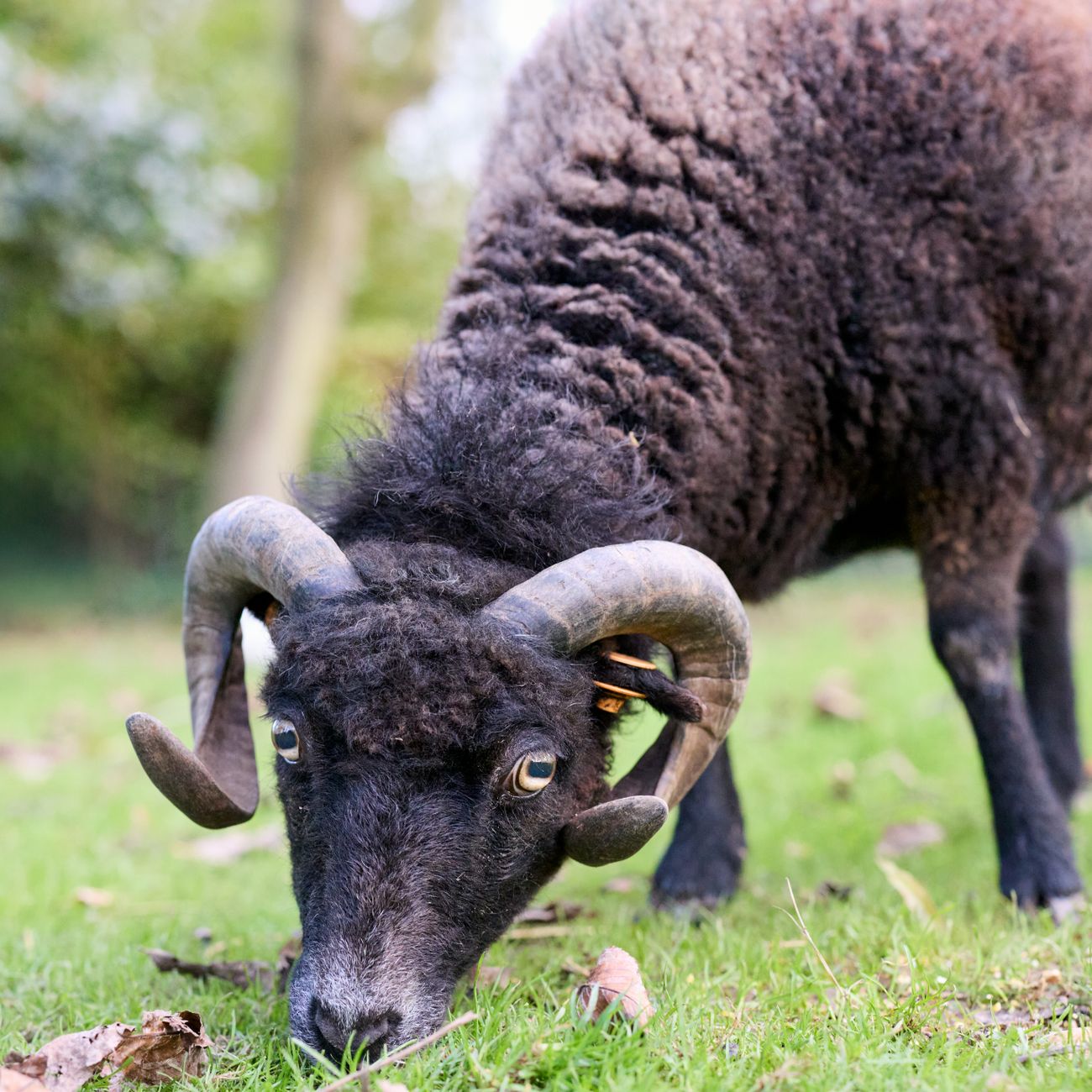
The term micron refers to the average diameter of a single wool fibre measured in millionths of a metre. It is the most fundamental indicator of wool fineness and directly influences the end‑use market value. For example, a Merino fleece with an average diameter of 18 µm is classified as super‑fine and commands a premium price in the fashion and high‑performance textile sectors. In contrast, a coarse wool of 30 µm is typically directed to carpet or upholstery applications. Classifiers must understand that micron is not a single static value but an average derived from a statistical sample of fibres taken from a bale. The measurement is performed using a laser‑based instrument such as a micronometer, which generates a distribution curve showing the proportion of fibres within defined diameter ranges. Interpreting this curve enables the classifier to assess uniformity and identify any outliers that may affect downstream processing.
The concept of crimp describes the natural waviness of wool fibres, expressed as the number of waves per centimetre or the angle between peaks. Crimp contributes to the bulkiness, elasticity, and resilience of the final yarn. A high crimp count, typically 80–100 waves per centimetre, is characteristic of fine Merino wool and provides superior stitch definition in knitted garments. Conversely, a low crimp value, such as 30–40 waves per centimetre, is common in long‑wool breeds used for felting and carpet backing. Practical measurement of crimp involves counting the number of waves across a known length of fibre under a microscope or using automated image analysis. Classifiers must note that crimp is influenced by both fibre diameter and fibre maturity; immature fibres often exhibit reduced crimp despite a fine micron count, leading to a lower quality grade.
Staple length is the length of a single wool fibre measured from the root to the tip. It is a critical factor for spinning efficiency and yarn strength. Typical staple lengths range from 30 mm in fine Merino to 100 mm in long‑wool breeds such as Corriedale. Longer staples allow for the production of finer yarns with fewer breakages during drafting, while shorter staples are more suitable for bulkier yarns used in outerwear or blankets. In the classing process, staple length is assessed by hand‑picking a representative sample from the bale and measuring with calibrated rulers or digital calipers. The average staple length is recorded, and any significant variation—such as the presence of both very short and very long fibres—may indicate uneven shearing or mixing of different fleece types, which can reduce the bale’s marketability.
The term fibre diameter distribution (FDD) refers to the spread of fibre diameters within a sample, often expressed as the standard deviation or coefficient of variation. A narrow distribution indicates uniformity, which is highly prized in high‑end textile markets because it yields consistent yarn properties and reduces the need for blending. A broad distribution, on the other hand, can cause processing challenges such as uneven dye uptake and variable yarn strength. Classifiers calculate FDD by analyzing the data from the micronometer, which provides a histogram of fibre diameters. The resulting values are compared against industry standards; for example, a coefficient of variation below 5 % is typical for premium fine wools, whereas values above 10 % are common in coarse, mixed‑breed fleeces.
Wool grade is a composite classification that integrates several key attributes, including micron, crimp, staple length, cleanliness, and strength. Grades are defined by national and international standards, such as the Australian Wool Standards and the International Wool Textile Organization (IWTO) classifications. Each grade corresponds to a specific market segment and price band. For instance, Grade A (fine, high‑crimp, long staple) may be destined for luxury apparel, while Grade C (coarse, low‑crimp, short staple) is allocated to industrial applications. The classifier must evaluate each attribute, assign a numerical score, and then map the total score to the appropriate grade. Accurate grading ensures that the wool reaches the correct downstream processor and that producers receive fair remuneration.
The concept of yield in wool classing describes the proportion of clean, usable fibre obtained after scouring relative to the raw fleece weight. Yield is expressed as a percentage and is affected by factors such as grease content, moisture, and contaminant levels. A high yield, typically above 80 %, indicates a clean fleece with minimal waste, which enhances profitability for both the producer and the processor. Conversely, a low yield, perhaps 60 % or less, suggests heavy contamination or excessive grease, requiring additional processing steps and reducing overall value. Yield is calculated during the scouring stage by weighing the scoured wool and comparing it to the original raw weight. Classifiers record this figure on the bale tag, providing essential information for buyers.
Cleanliness assesses the presence of extraneous material in the wool, such as vegetable matter, soil, dung, and synthetic contaminants. High cleanliness levels are essential for producing high‑quality yarns with uniform dye uptake and minimal defects. The assessment is performed visually and by tactile inspection, often using a standard light box to highlight foreign particles. Classifiers assign a cleanliness rating, typically on a scale from 1 (very clean) to 5 (heavily contaminated). For example, a bale with a rating of 1 may contain less than 0.5 % Foreign material, while a rating of 5 could indicate contamination exceeding 5 %. Cleanliness directly influences the scouring cost and the final price of the wool.
Grease content refers to the amount of natural wool oil, known as lanolin, present in the raw fleece. While lanolin provides protective properties to the animal, excessive grease can hinder processing, increase scouring costs, and affect fibre handling. Grease content is measured by extracting a known weight of wool with a solvent and determining the weight of the extracted oil. Values typically range from 5 % to 25 % of the raw weight, depending on breed, season, and shearing conditions. In classing, a high grease content may be noted as a deduction from the overall grade, especially for fine wools where low grease is preferred to maintain fibre quality.
The term strength in wool classing denotes the tensile capacity of individual fibres or staple bundles. It is measured in newtons (N) using a single‑fiber tensile tester that pulls the fibre until it breaks. Strength is crucial for spinning performance; fibres with low tensile strength are prone to breakage during drafting, leading to increased waste and reduced yarn quality. Typical strength values for fine Merino fibres range from 0.5 To 0.8 N, while coarser wools may exhibit higher absolute strength but lower strength-to-weight ratios. Classifiers record strength values alongside other parameters, as they influence the selection of appropriate spinning technologies and the ultimate end‑use.
Elasticity describes the ability of wool fibres to return to their original length after being stretched. This property contributes to the resilience of knitted fabrics, providing comfort and shape retention. Elasticity is expressed as a percentage elongation under a specified load and is measured using a dynamic mechanical analyzer. Fine wools often display higher elasticity (up to 30 % elongation) compared to coarse wools, which may elongate only 10–15 %. In practical terms, a high‑elasticity fibre enables the production of garments that maintain their fit over repeated wear and laundering cycles.
The term maturity reflects the developmental stage of the fibre at the time of shearing. Mature fibres have a fully developed cortex and cuticle, resulting in consistent diameter, strength, and crimp. Immature fibres, often termed “kemp,” are finer, weaker, and lack defined crimp, leading to undesirable texture and reduced processing efficiency. Maturity is assessed by microscopic examination of fibre cross‑sections, where the proportion of fully developed fibres is estimated. A maturity index above 80 % is desirable for high‑quality wools, while lower values may trigger a grade reduction or the need for blending with mature fibres to meet target specifications.
Wool follicle density quantifies the number of hair follicles per square centimetre of skin. This biological parameter influences fibre production, fineness, and overall fleece yield. Breeds with high follicle density, such as Merino, tend to produce finer, more abundant fleeces, whereas low‑density breeds generate coarser, less voluminous wools. While follicle density is not directly measured during classing, understanding its impact helps classifiers interpret variations in fibre characteristics across different breeds and management regimes.
The phrase raw wool denotes the fleece as it exists immediately after shearing, before any cleaning or processing steps. Raw wool contains wool fibre, lanolin, vegetable matter, soil, and other contaminants. It is the starting point for all classing activities, and its attributes must be recorded accurately to ensure traceability throughout the supply chain. Raw wool is typically baled in compacted form, with each bale assigned a unique identification tag that includes information on origin, breed, and preliminary quality indicators.
Scoured wool is the product of the cleaning process, where raw wool is washed in hot water and detergent to remove grease, dirt, and foreign material. The resulting fibre is substantially cleaner, lighter, and more uniform, making it suitable for carding and further processing. Scouring reduces the fibre’s moisture content to around 10–12 % and can improve fibre handle by eliminating the tackiness associated with lanolin. The scouring efficiency is reflected in the yield percentage, and the cleanliness rating is updated to reflect the reduced contaminant levels.
The term carded wool refers to wool that has been passed through a carding machine, which disentangles, aligns, and forms the fibre into a continuous web or sliver. Carding is a preparatory step before spinning, and the quality of the carded wool is influenced by the fibre’s length, fineness, and cleanliness. Uniformly carded wool exhibits consistent fibre alignment, which enhances drafting stability and reduces yarn defects. Classifiers may inspect carded wool samples to verify that the raw material characteristics have been maintained throughout the cleaning process.
Combing is a more intensive fibre alignment technique used primarily for fine wools. The process removes short fibres and any remaining neps, producing a smooth, parallel bundle of long fibres known as “top.” Combed wool is essential for producing high‑quality yarns with superior strength and uniformity. The success of combing depends on the initial fibre length distribution; fleeces with a high proportion of short fibres may yield low combing efficiency, resulting in higher waste and lower value. Classifiers must therefore consider staple length and fibre length distribution when recommending combing as a downstream operation.
The concept of neps describes small entangled knots of fibre that form during growth or handling. Neps can cause irregularities in yarn, leading to weak spots and visual defects. They are categorized by size (small, medium, large) and frequency (number per kilogram of wool). During classing, neps are counted visually under magnification, and a nep rating is assigned. A high nep count typically results in a grade deduction, especially for fine wools where smoothness and uniformity are paramount.
Fiber curvature refers to the deviation of a fibre from a straight line, measured as the angle between the fibre’s axis and its tangent at a given point. Curvature influences the tactile feel of the wool and its ability to interlock during felting. Curved fibres contribute to bulk and softness in knitted fabrics, while overly curved fibres can cause processing challenges, such as increased friction in drafting. Curvature is assessed by microscopic analysis, where the angle is measured across a defined segment of the fibre.
The term yarn denotes the continuous strand of fibres that results from the spinning of wool. Yarn properties—such as twist, strength, and evenness—are directly linked to the characteristics of the originating wool. Understanding the relationship between wool attributes and yarn performance enables classifiers to predict how a particular bale will behave in subsequent processing stages. For example, a high‑crimp, fine fibre will typically produce a yarn with excellent elasticity and softness, suitable for high‑end apparel, whereas a coarse, low‑crimp fibre may yield a sturdy yarn ideal for carpet backing.
Twist in yarn is the number of turns per unit length introduced during spinning. Twist contributes to yarn strength and stability; however, excessive twist can make yarn stiff and reduce its hand value. The appropriate twist level depends on fibre fineness, length, and crimp. Fine, long‑staple fibres require less twist to achieve sufficient strength, while coarse, short fibres need more twist to bind the fibres effectively. Classifiers must be aware of how the twist requirement interacts with fibre properties to advise processors on optimal spinning parameters.
The phrase spinning encompasses the entire set of operations that convert fibre or roving into yarn. This includes drafting (drawing out the fibres), twisting, and winding. The efficiency of spinning is influenced by fibre fineness, staple length, crimp, and strength. For instance, a batch of wool with a narrow micron distribution and high crimp will spin smoothly with minimal breakage, resulting in high yarn quality and lower production costs. Conversely, wool with a wide diameter distribution and high nep count may cause frequent interruptions, increasing labor and energy expenditure.
Roving is an intermediate product formed by further drawing and slightly twisting the carded sliver. Roving provides a more uniform and manageable feed for the spinning frame. Its quality reflects the consistency of the upstream carded wool and the effectiveness of the drafting process. Roving tension, uniformity, and fibre alignment are critical parameters that affect the final yarn’s evenness and strength. Classifiers may evaluate roving samples to confirm that the raw wool’s attributes have been preserved through the preparatory stages.
The term fiber breakage describes the occurrence of fibres snapping during processing, particularly during drafting and spinning. Breakage is often a symptom of low fibre strength or excessive brittleness, which can be caused by high grease content, over‑drying during scouring, or the presence of immature fibres. Monitoring breakage rates provides valuable feedback to classifiers about the suitability of a bale for certain end‑uses. High breakage rates may necessitate blending with stronger fibres or adjusting processing parameters to mitigate losses.
Fiber damage encompasses a range of defects including cuts, abrasion, and surface irregularities that arise from shearing, handling, or processing. Damage reduces the effective length of the fibre and can impair its ability to form a cohesive yarn. Visual inspection and microscopic analysis reveal the extent of damage, which is recorded as a damage rating. Wools with significant damage are often downgraded or directed toward low‑value applications where the impact on final product performance is minimal.
The phrase maturity index quantifies the proportion of mature fibres within a sample, typically expressed as a percentage. It is derived from microscopic evaluation of fibre cross‑sections, where the presence of a fully developed cortex and cuticle indicates maturity. A high maturity index correlates with better strength, uniformity, and dye uptake. In contrast, a low maturity index suggests a higher proportion of kemp or immature fibres, which can cause uneven dyeing and reduced yarn strength. Classifiers use the maturity index to fine‑tune grade assignments and to advise processors on potential blending strategies.
Follicle development refers to the biological growth stage of the wool follicle at the time of shearing. Fully developed follicles produce mature fibres, while underdeveloped follicles yield immature or weak fibres. Factors influencing follicle development include nutrition, genetics, and environmental conditions such as temperature and photoperiod. Understanding follicle development helps classifiers interpret variations in fibre properties across different harvests and geographic regions. For example, a flock experiencing a nutritional deficiency may produce wool with a lower maturity index, prompting a lower grade classification.
The term Wool classing station denotes the physical location where bale inspection, sampling, and analysis take place. A typical station is equipped with a weighing scale, a micronometer, microscopes, and a set of reference standards for cleanliness, greasiness, and nep count. The station also houses a computer system that records all measured parameters and generates a classing report. Efficient operation of the station is essential for maintaining throughput and ensuring that each bale is accurately evaluated before entering the market.
Standard in the context of wool classing refers to the set of agreed‑upon criteria that define quality levels, measurement methods, and grading scales. International standards, such as those published by the IWTO, provide uniformity across markets, facilitating trade and ensuring that buyers receive consistent product specifications. National standards, like the Australian Wool Standards, often incorporate additional parameters tailored to local breeds and processing capabilities. Classifiers must be familiar with both sets of standards to accurately interpret test results and assign appropriate grades.
The concept of grade deduction describes the reduction in the overall wool grade caused by the presence of undesirable attributes such as high nep count, low cleanliness, or excessive grease. Deductions are applied according to a predetermined matrix that assigns penalty points for each fault. For example, each 0.5 % Increase in foreign material may result in a one‑point deduction from the base grade. Understanding the deduction system enables classifiers to provide transparent feedback to producers, highlighting areas for improvement in herd management or shearing practices.
Yield calculation is performed after scouring by dividing the weight of the cleaned wool by the original raw weight and multiplying by 100 to obtain a percentage. This calculation is essential for estimating the economic return of a fleece. For instance, a raw fleece weighing 5 kg that yields 4 kg of clean wool after scouring has an 80 % yield. Yield is influenced by the initial grease content, moisture level, and amount of contaminant material. High‑yield fleeces are more profitable and are often prioritized by processors for further value‑adding steps.
The term fiber handle describes the tactile perception of wool when touched, encompassing attributes such as softness, smoothness, and resilience. Handle is a subjective but important quality indicator, especially for wools intended for apparel. Factors influencing handle include fibre diameter, crimp, maturity, and the presence of surface contaminants. While handle cannot be quantified precisely, experienced classifiers develop a keen sense for detecting variations, which they record as part of the overall quality assessment.
Fiber color can range from pure white to various shades of brown, black, or even red, depending on breed genetics and environmental influences. Color is a critical attribute for certain niche markets, such as natural‑dyed textiles or specialty fashion lines that value the inherent hue of the wool. Color measurement is performed using a spectrophotometer, which provides objective data on light reflectance across the visible spectrum. Classifiers note the color rating on the bale tag, as it can affect processing decisions—colored wools may require different dyeing protocols or be sold as raw colored fibre.
The phrase fiber length uniformity denotes the consistency of staple lengths within a bale. High uniformity means that most fibres fall within a narrow length range, facilitating smoother carding and more efficient spinning. Low uniformity, characterized by a mix of very short and very long fibres, can cause processing bottlenecks, increase waste, and reduce yarn quality. Uniformity is quantified by calculating the coefficient of variation of staple length measurements taken from a representative sample. Values below 5 % are considered excellent, while values above 15 % may trigger a grade reduction.
Fiber tensile modulus is a measure of the stiffness of a wool fibre, expressed as the ratio of stress to strain in the elastic region of a tensile test. It provides insight into how the fibre will behave under load during processing and in the final garment. A higher modulus indicates a stiffer fibre, which can contribute to a firmer hand in the finished fabric. Conversely, a lower modulus is associated with a softer, more pliable feel. Tensile modulus is measured using a universal testing machine, and the results are recorded alongside strength and elongation data.
The term Fiber diameter is synonymous with micron but is often used in a broader context to discuss the variability within a sample. While micron refers to the average diameter, fibre diameter can be described in terms of specific ranges (e.G., 16–20 Μm, 21–24 µm). This granularity assists classifiers in making more precise grade assignments, especially when dealing with mixed‑breed fleeces where multiple diameter bands may be present. Detailed diameter profiling helps processors decide whether blending is required to achieve a target specification.
Fiber curvature index is a calculated value that combines measurements of curvature angle and frequency to provide a single metric describing the waviness of wool fibres. This index is useful for comparing different fleeces or assessing the impact of breeding programs on fibre morphology. A higher curvature index typically correlates with increased bulk and softness in the final fabric, which is desirable for apparel. However, excessively high curvature can lead to processing difficulties, such as increased friction during drafting. Classifiers may use this index as an additional data point when evaluating overall wool quality.
The concept of Fiber follicle count involves counting the number of active hair follicles per unit area on a sheep’s skin. This biological metric influences the total fibre output per animal and the average fibre diameter. Breeds with a high follicle count, such as Merino, tend to produce finer, more abundant wool, whereas breeds with lower follicle density generate coarser, less voluminous fleeces. Although follicle count is not directly measured during classing, understanding its relationship to fibre characteristics helps classifiers interpret variations in fleece productivity and quality.
Fiber follicle diameter refers to the size of the follicle opening from which the fibre emerges. Larger follicle diameters are generally associated with coarser fibres, while smaller follicles produce finer fibres. This parameter is examined microscopically and can be correlated with measured micron values. Knowledge of follicle diameter assists in breeding decisions and in predicting the likely fineness of future fleeces from a given flock.
The phrase Fiber maturity index combines assessments of cortex development, cuticle integrity, and overall fibre structure to provide a comprehensive score of fibre maturity. This index is calculated from microscopic observations and may be expressed on a scale from 0 to 100. A high maturity index indicates fibres that are fully developed, strong, and have consistent diameter, which translates to superior processing performance and final product quality. Low maturity scores signal the presence of immature or kemp fibres, prompting either a downgrade in grade or the need for blending with mature fibres.
Fiber contamination encompasses any extraneous material that is not part of the wool fibre itself. This includes plant matter, soil, dung, synthetic fibers, and metal fragments. Contamination not only reduces the aesthetic quality of the wool but also poses challenges during scouring, as certain contaminants may be resistant to standard cleaning processes. Classifiers assess contamination through visual inspection and by using a light box to detect hidden particles. The contamination level is recorded as a percentage of the total weight, influencing both the cleanliness rating and the final market price.
The term Fiber grease is another way of describing lanolin content. While grease provides natural water‑repellent properties to the animal, excessive grease can make the wool sticky and difficult to handle during carding and spinning. Grease content is measured by solvent extraction and expressed as a percentage of the raw fleece weight. In classing, a high grease percentage may result in a penalty, especially for fine wools where low grease facilitates smoother processing and higher end‑use value.
Fiber strength index is a composite metric that combines tensile strength, elongation, and modulus to provide an overall assessment of fibre robustness. This index helps processors predict how the fibre will behave under mechanical stress during drafting and spinning. A higher strength index correlates with lower breakage rates and higher yarn quality. Classifiers calculate the index using data from tensile testing equipment and may use it to recommend suitable spinning systems (e.G., Low‑twist ring spinning for high‑strength fibres versus high‑twist rotor spinning for lower‑strength fibres).
The phrase Fiber elasticity describes the capacity of a wool fibre to recover its original length after being stretched. Elasticity is measured by elongation under a defined load, typically expressed as a percentage. High elasticity contributes to the resilience and comfort of knitted garments, allowing them to retain shape after repeated wear. Elasticity values are recorded alongside strength, as together they define the mechanical performance envelope of the fibre. Classifiers use elasticity data to guide processors toward applications that maximize the wool’s inherent properties.
Fiber uniformity is a broader term that captures the consistency of multiple fibre attributes, including diameter, length, crimp, and strength, within a single bale. High uniformity simplifies processing, reduces waste, and improves the predictability of final product characteristics. Uniformity is quantified using statistical measures such as standard deviation and coefficient of variation across the key parameters. A low coefficient of variation (e.G., <5 %) Across all measured attributes is indicative of a high‑uniformity fleece, which commands a premium grade.
The term Fiber maturity assessment involves a systematic microscopic examination of fibre cross‑sections to identify signs of full development, such as a well‑defined cortex and intact cuticle. The assessment may also involve counting the proportion of kemp fibres, which are immature or abnormal. Results are expressed as a maturity percentage, providing a clear indicator of the overall developmental stage of the fibres in the bale. A high maturity percentage supports a higher grade allocation and suggests favorable processing performance.
Fiber cleaning efficiency measures how effectively the scouring process removes grease and contaminants from raw wool. It is calculated by comparing the pre‑ and post‑scouring contamination and grease levels, expressed as a percentage reduction. High cleaning efficiency (e.G., >95 % Removal of grease) reduces downstream processing costs and improves the hand feel of the final product. Classifiers may note cleaning efficiency on the bale tag, providing processors with valuable information for planning subsequent stages.
The concept of Fiber blending involves mixing wools of different grades, fineness, or characteristics to achieve a target specification that may not be attainable with a single type of fibre. For instance, a low‑grade coarse wool may be blended with a high‑grade fine wool to produce a medium‑grade product suitable for mid‑range apparel. Blending decisions are guided by the recorded parameters of each bale, such as micron, crimp, and strength, ensuring that the final blend meets the required performance criteria. Classifiers play a crucial role in providing accurate data that underpins successful blending strategies.
Fiber market segmentation refers to the division of the wool industry into distinct market categories based on fibre attributes. Typical segments include luxury apparel (requiring super‑fine, high‑crimp wool), performance textiles (requiring fine, resilient wool with consistent elasticity), home textiles (requiring medium‑fine wool with good handle), and industrial applications (requiring coarse, durable wool). Understanding the specific requirements of each segment enables classifiers to align bale grades with market demand, optimizing profitability for producers and processors alike.
The term Fiber price premium describes the additional monetary value awarded to wools that meet or exceed the specifications of high‑end market segments. Premiums are calculated as a percentage over the base price for a given class and are directly linked to measured attributes such as micron, crimp, and cleanliness. For example, a bale with an average micron of 16 µm and a cleanliness rating of 1 may attract a 20 % premium over a comparable bale with a micron of 22 µm and a cleanliness rating of 3. Classifiers must accurately capture these parameters to ensure that producers receive the appropriate premium.
Fiber testing equipment includes a range of instruments used during classing, such as the laser micronometer for diameter measurement, the tensile tester for strength and modulus, the microscope for crimp and maturity assessment, and the spectrophotometer for colour analysis. Proper calibration and maintenance of this equipment are essential for obtaining reliable data. Classifiers are trained to operate each device according to standardized procedures, ensuring consistency across different classing stations and geographic regions.
The phrase Fiber sampling protocol outlines the systematic approach to extracting a representative sample from a bale for analysis. The protocol typically involves cutting a small, random portion of wool from the centre of the bale, ensuring that the sample reflects the overall composition. Multiple subsamples may be taken to account for potential heterogeneity. The sampled material is then prepared for each specific test (e.G., Conditioning for moisture content, aligning fibres for crimp measurement). Adhering to a rigorous sampling protocol minimizes bias and enhances the reliability of the classing results.
Fiber moisture content is the percentage of water present in the wool after scouring and conditioning. Moisture influences fibre handling, weight, and the accuracy of subsequent measurements. Standard practice is to condition wool to a constant humidity (typically 65 % relative humidity) and temperature (20 °C) before testing. Moisture content is measured by weighing a sample before and after oven drying, with the difference expressed as a percentage of the initial weight. Accurate moisture determination is essential for calculating true yield and for ensuring consistency in micron and strength measurements.
The term Fiber quality index (FQI) combines several key parameters—micron, crimp, strength, cleanliness, and maturity—into a single numerical score that provides an overall assessment of wool quality. The index is calculated using a weighted formula where each attribute contributes a predetermined proportion based on its importance for the target market. For example, a high‑value apparel market may assign greater weight to micron and crimp, whereas an industrial market may prioritize strength and cleanliness. The FQI allows processors to quickly compare bales and make informed decisions about pricing and blending.
Fiber handling challenges arise from the inherent variability of wool and the physical properties of the fibres. Common challenges include fibre entanglement during carding, excessive breakage during drafting, and uneven dye uptake caused by diameter variability. Classifiers must identify these potential issues early by noting irregularities such as high nep counts, low uniformity, or high contamination. By communicating these challenges to downstream processors, the entire supply chain can adjust processing parameters—such as reducing drafting speed or modifying scouring temperature—to mitigate defects and improve overall efficiency.
The concept of Fiber grading scale provides a standardized framework for assigning numerical grades to wool based on measured attributes. Scales may range from 1 to 10, with 10 representing the highest quality. Each grade corresponds to specific ranges of micron, crimp, staple length, and cleanliness. For instance, a grade‑9 wool might have a micron range of 15–16 µm, crimp above 80 waves per centimetre, staple length above 70 mm, and a cleanliness rating of 1. Grading scales enable consistent communication of quality across international markets and facilitate price negotiations.
Fiber processing losses refer to the reduction in usable fibre weight that occurs during each stage of the supply chain—scouring, carding, combing, and spinning. Losses are quantified as a percentage of the input weight at each stage. For example, scouring may result in a 15 % loss due to grease and contaminant removal, while combing may cause an additional 5 % loss of short fibres. Understanding these losses helps classifiers and processors estimate the final yarn yield and set realistic expectations for profitability. Reducing processing losses often involves selecting high‑quality raw material and optimizing equipment settings.
The term Fiber resilience describes the ability of a wool fabric to recover its original shape after deformation. Resilience is closely linked to fibre elasticity and crimp, as the natural waviness of wool allows it to compress and rebound. High resilience contributes to the comfort and durability of garments, especially in activewear where repeated stretching occurs. Resilience can be measured using a cyclic compression test on fabric samples, and the results are expressed as a percentage of shape recovery. Classifiers may reference resilience data when recommending wool for performance textile applications.
Fiber dye uptake is the capacity of wool fibres to absorb colourants uniformly. Dye uptake is influenced by fibre fineness, surface condition, and the presence of contaminants. Fine, clean fibres typically exhibit consistent dye absorption, resulting in vibrant, even colour. Conversely, coarser or contaminated fibres may display uneven dyeing, leading to blotches or colour variation. Dye uptake is assessed by applying a standard laboratory dye and measuring colour depth using a spectrophotometer. This information assists processors in selecting appropriate dyeing methods and in estimating the cost of colour treatment.
The phrase Fiber market demand forecast involves projecting future requirements for different wool grades based on trends in fashion, technical textiles, and consumer preferences. Accurate forecasts enable producers to align breeding programs and shearing schedules with anticipated market needs. For example, a rising demand for sustainable, high‑performance activewear may increase the demand for fine, resilient Merino wool, prompting a shift in breeding priorities. Classifiers contribute to these forecasts by providing detailed, up‑to‑date data on the quality and availability of current fleece stocks.
Fiber sustainability indicators encompass metrics that reflect the environmental and social impact of wool production. Indicators include carbon footprint per kilogram of wool, water usage during scouring, and animal welfare standards. Sustainable wool commands a premium in markets that value eco‑friendly materials. Classifiers may incorporate sustainability data into the bale documentation, allowing buyers to make informed choices and supporting certification schemes such as the Responsible Wool Standard (RWS). Emphasizing sustainability can open new market avenues and enhance the overall value chain.
The term Fiber production economics examines the cost structure associated with raising, shearing, processing, and classifying wool. Key cost drivers include feed, labor, shearing equipment, scouring chemicals, and energy consumption. By analyzing the relationship between fibre quality parameters (e.G., Micron, yield) and market price, producers can calculate the return on investment for different breeding strategies.
Key takeaways
- The measurement is performed using a laser‑based instrument such as a micronometer, which generates a distribution curve showing the proportion of fibres within defined diameter ranges.
- Classifiers must note that crimp is influenced by both fibre diameter and fibre maturity; immature fibres often exhibit reduced crimp despite a fine micron count, leading to a lower quality grade.
- The average staple length is recorded, and any significant variation—such as the presence of both very short and very long fibres—may indicate uneven shearing or mixing of different fleece types, which can reduce the bale’s marketability.
- The resulting values are compared against industry standards; for example, a coefficient of variation below 5 % is typical for premium fine wools, whereas values above 10 % are common in coarse, mixed‑breed fleeces.
- For instance, Grade A (fine, high‑crimp, long staple) may be destined for luxury apparel, while Grade C (coarse, low‑crimp, short staple) is allocated to industrial applications.
- Conversely, a low yield, perhaps 60 % or less, suggests heavy contamination or excessive grease, requiring additional processing steps and reducing overall value.
- Cleanliness assesses the presence of extraneous material in the wool, such as vegetable matter, soil, dung, and synthetic contaminants.