
Assistive Technology Integration for Literacy Improvement
Assistive Technology Integration for Literacy Improvement
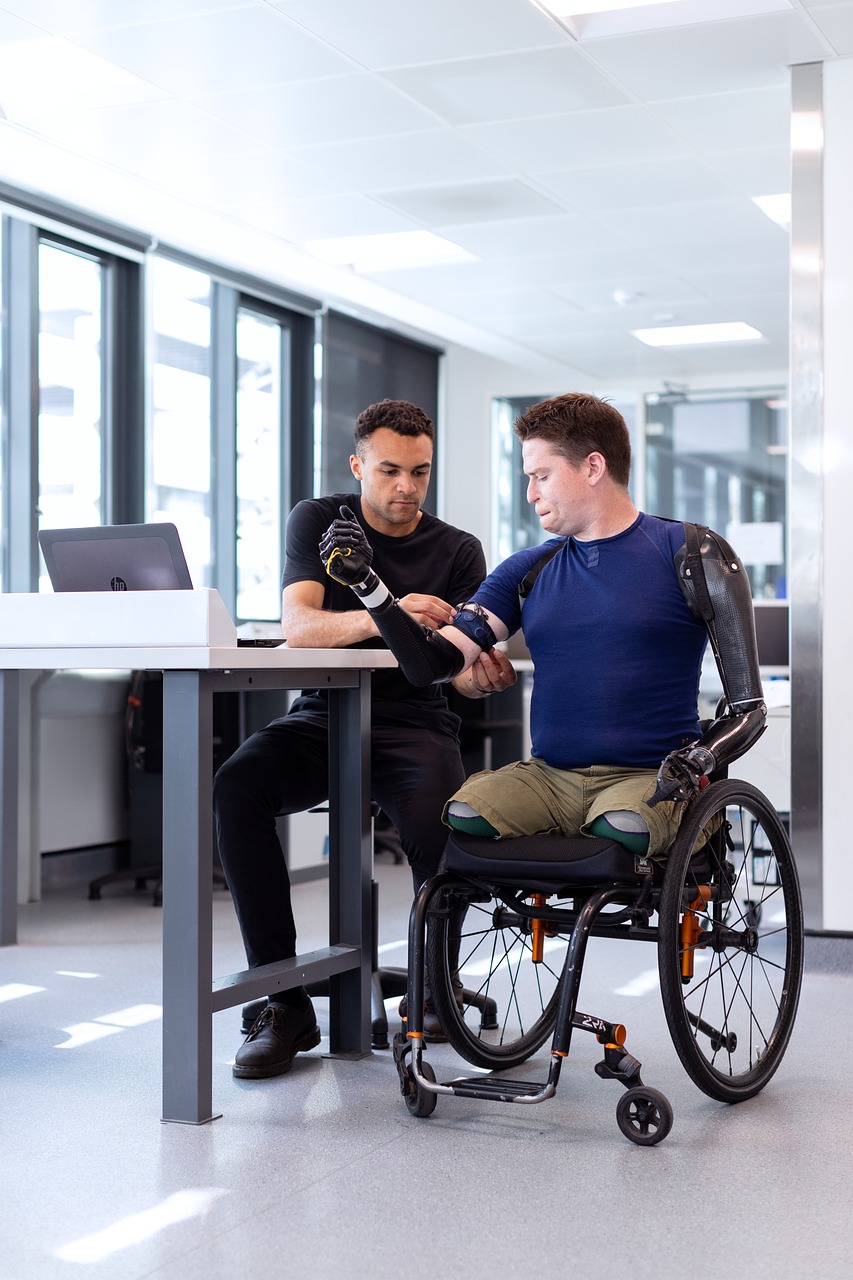
Assistive Technology Integration for Literacy Improvement
Assistive Technology (AT) refers to devices, software, or equipment that helps individuals with disabilities to perform tasks that might be difficult or impossible otherwise. When it comes to literacy improvement, AT can play a crucial role in supporting students with special needs in developing their reading, writing, and communication skills. Integrating AT into literacy instruction can enhance accessibility, engagement, and independence for learners with diverse abilities.
Literacy
Literacy is the ability to read, write, speak, and listen effectively. It is a fundamental skill that is essential for success in school, work, and daily life. Literacy encompasses both basic reading and writing skills as well as higher-order skills such as critical thinking, comprehension, and communication. For individuals with disabilities, literacy instruction may need to be adapted to meet their unique needs and challenges.
Integration
Integration refers to the process of incorporating AT tools and strategies into instructional practices to support students' learning and development. When AT is integrated effectively, it becomes seamlessly woven into the teaching and learning process, enhancing students' access to the curriculum and promoting their academic success. Integration requires careful planning, collaboration, and ongoing assessment to ensure that AT is used in a meaningful and impactful way.
Professional Certificate in AI in Special Education Literacy
The Professional Certificate in AI in Special Education Literacy is a specialized training program designed to equip educators with the knowledge and skills needed to effectively use assistive technology to support students with disabilities in developing literacy skills. The certificate program covers topics such as the use of AI-powered tools, adaptive software, and other innovative technologies to enhance literacy instruction and improve outcomes for students with special needs.
Key Terms and Vocabulary
1. Assistive Technology (AT): Devices, software, or equipment that help individuals with disabilities to perform tasks that might be difficult or impossible otherwise. 2. Literacy: The ability to read, write, speak, and listen effectively, essential for success in school, work, and daily life. 3. Integration: The process of incorporating AT tools and strategies into instructional practices to support students' learning and development. 4. Professional Certificate: Specialized training program designed to equip educators with the knowledge and skills needed to effectively use AT to support students with disabilities. 5. AI (Artificial Intelligence): Technology that enables machines to simulate human intelligence and perform tasks that typically require human intelligence, such as speech recognition, language translation, and problem-solving. 6. Special Education: Educational programs and services designed to meet the unique needs of students with disabilities, providing them with the support and accommodations they need to succeed academically. 7. Literacy Instruction: Teaching and learning activities that focus on developing reading, writing, and communication skills, tailored to meet the individual needs of students. 8. Accessibility: The degree to which a product, device, service, or environment is usable by people with disabilities, ensuring equal access and opportunities for all individuals. 9. Engagement: The level of interest, motivation, and participation that students demonstrate in their learning activities, influenced by factors such as relevance, challenge, and feedback. 10. Independence: The ability of individuals to perform tasks, make decisions, and solve problems on their own, promoting self-reliance and autonomy in learning and daily life.
Examples of Assistive Technology for Literacy Improvement
1. Text-to-Speech Software: Tools that convert written text into spoken words, helping students with reading difficulties to access and comprehend text more effectively. 2. Speech-to-Text Software: Programs that transcribe spoken words into written text, supporting students with writing challenges in capturing their thoughts and ideas. 3. Word Prediction Software: Applications that suggest words or phrases as users type, assisting students with spelling and vocabulary while enhancing writing fluency. 4. Graphic Organizers: Visual tools that help students organize and structure their ideas, supporting comprehension, planning, and writing skills. 5. Electronic Readers: Devices that allow students to listen to audio versions of text, promoting reading fluency, comprehension, and engagement. 6. Interactive Whiteboards: Digital platforms that enable educators to create interactive lessons and activities, fostering student engagement and participation in literacy instruction. 7. Augmented Reality Apps: Applications that overlay digital content onto the real world, providing immersive and interactive learning experiences for students with diverse learning needs. 8. Adaptive Learning Platforms: Online systems that personalize instruction based on students' individual needs and progress, supporting differentiated learning and skill development.
Practical Applications of AT Integration for Literacy Improvement
1. Individualized Instruction: AT allows educators to tailor instruction to meet the unique needs and learning styles of each student, providing personalized support and scaffolding for literacy development. 2. Collaborative Learning: AT tools promote collaboration among students with and without disabilities, fostering peer support, communication, and social interaction in literacy activities. 3. Data-Driven Decision Making: AT enables educators to collect and analyze data on students' progress and performance, informing instructional planning, goal setting, and intervention strategies. 4. Accessibility and Inclusion: AT enhances accessibility to the curriculum for students with disabilities, promoting inclusive practices and ensuring equal learning opportunities for all learners. 5. Multimodal Learning: AT supports multimodal learning experiences by offering diverse ways for students to engage with content, such as through audio, visual, kinesthetic, and interactive formats. 6. Skill Development and Mastery: AT helps students build foundational literacy skills and progress towards mastery through targeted practice, feedback, and reinforcement. 7. Engagement and Motivation: AT tools enhance student engagement and motivation by providing interactive, stimulating, and meaningful learning experiences that capture students' interest and attention. 8. Self-Regulation and Independence: AT fosters students' self-regulation skills and independence by empowering them to take control of their learning, set goals, monitor progress, and make informed choices.
Challenges and Considerations in AT Integration
1. Training and Professional Development: Educators may require training and ongoing support to effectively integrate AT into their instructional practices, including understanding how to select, implement, and evaluate AT tools. 2. Access and Equity: Ensuring equitable access to AT for all students, regardless of their socioeconomic status, language proficiency, or disability type, is essential to promoting inclusive education. 3. Technical Support and Maintenance: Schools need to provide adequate technical support and maintenance for AT devices and software to ensure their reliability, functionality, and usability for students and educators. 4. Data Privacy and Security: Safeguarding students' data privacy and ensuring the security of sensitive information stored on AT devices and platforms are critical considerations in AT integration. 5. Collaboration and Communication: Effective collaboration among educators, specialists, parents, and students is essential for successful AT integration, requiring clear communication, shared goals, and coordinated efforts. 6. Assessment and Evaluation: Educators need to use appropriate assessment tools and strategies to evaluate the impact of AT on students' literacy skills, learning outcomes, and overall academic performance. 7. Customization and Personalization: AT solutions should be customized and personalized to meet the specific needs, preferences, and goals of individual students, taking into account their strengths, challenges, and learning profiles. 8. Ethical and Legal Compliance: Educators must adhere to ethical guidelines and legal regulations related to the use of AT in education, including ensuring that AT practices align with students' rights, privacy laws, and educational policies.
Conclusion
In conclusion, Assistive Technology integration for literacy improvement is a powerful approach to enhancing the learning experiences and outcomes of students with disabilities. By incorporating AT tools and strategies into literacy instruction, educators can create more accessible, engaging, and inclusive learning environments that support students' diverse needs and abilities. The Professional Certificate in AI in Special Education Literacy equips educators with the knowledge and skills needed to effectively integrate AT into their instructional practices, promoting literacy development, independence, and success for all learners. By addressing key challenges and considerations in AT integration, educators can maximize the benefits of AT for students with disabilities and create more equitable and empowering educational opportunities.
Key takeaways
- Assistive Technology (AT) refers to devices, software, or equipment that helps individuals with disabilities to perform tasks that might be difficult or impossible otherwise.
- Literacy encompasses both basic reading and writing skills as well as higher-order skills such as critical thinking, comprehension, and communication.
- When AT is integrated effectively, it becomes seamlessly woven into the teaching and learning process, enhancing students' access to the curriculum and promoting their academic success.
- The certificate program covers topics such as the use of AI-powered tools, adaptive software, and other innovative technologies to enhance literacy instruction and improve outcomes for students with special needs.
- AI (Artificial Intelligence): Technology that enables machines to simulate human intelligence and perform tasks that typically require human intelligence, such as speech recognition, language translation, and problem-solving.
- Augmented Reality Apps: Applications that overlay digital content onto the real world, providing immersive and interactive learning experiences for students with diverse learning needs.
- Individualized Instruction: AT allows educators to tailor instruction to meet the unique needs and learning styles of each student, providing personalized support and scaffolding for literacy development.