
Future Trends and Innovations in AI for Special Education Literacy
Artificial Intelligence (AI) is revolutionizing the field of Special Education by offering innovative solutions to enhance literacy skills among individuals with diverse learning needs. The application of AI in Special Education literacy pr…
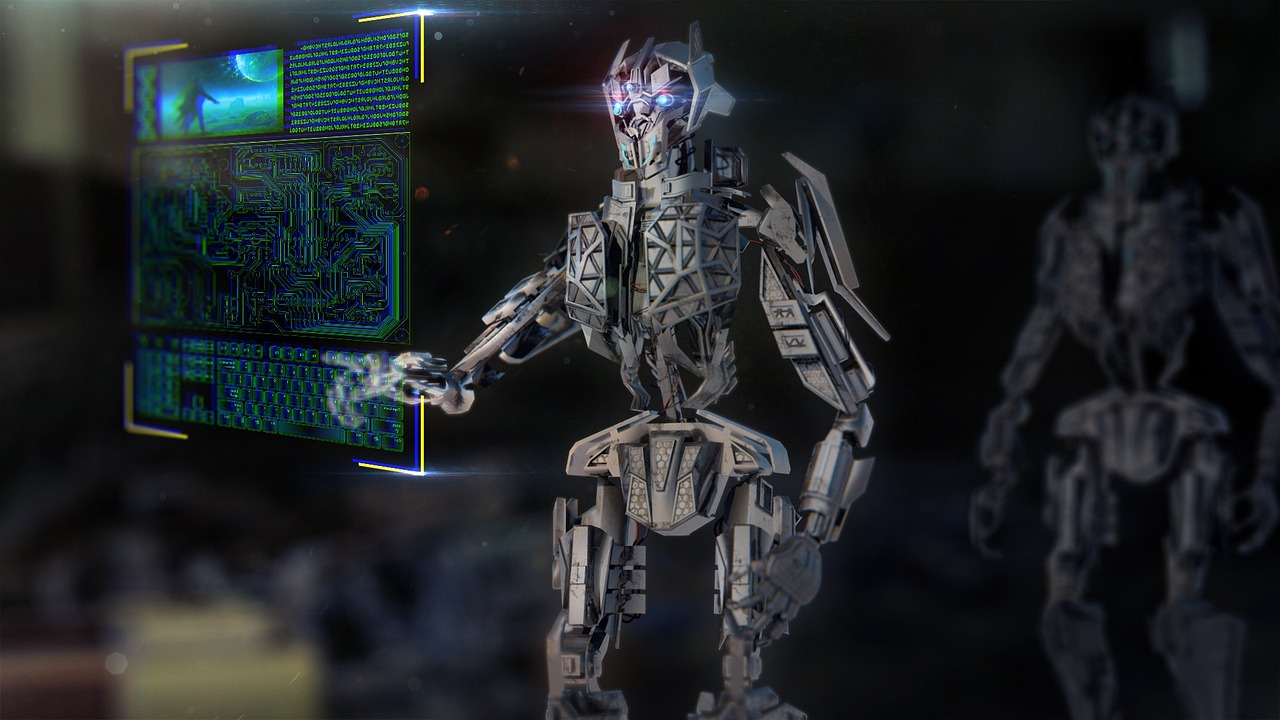
Artificial Intelligence (AI) is revolutionizing the field of Special Education by offering innovative solutions to enhance literacy skills among individuals with diverse learning needs. The application of AI in Special Education literacy programs opens up new possibilities for personalized learning, adaptive interventions, and data-driven decision-making. In this course, we will explore the future trends and innovations in AI for Special Education literacy, focusing on key terms and vocabulary essential for understanding and implementing these advancements effectively.
1. Assistive Technology: Assistive technology refers to devices, software, or equipment that help individuals with disabilities or learning differences engage in activities that may otherwise be challenging for them. In the context of Special Education literacy, assistive technology powered by AI can provide personalized support to students with various needs, such as dyslexia, visual impairments, or language processing disorders.
2. Natural Language Processing (NLP): Natural Language Processing (NLP) is a subfield of AI that focuses on the interaction between computers and human language. NLP technologies analyze, understand, and generate human language, enabling applications like speech recognition, text-to-speech, and language translation. In Special Education literacy, NLP tools can support students in reading, writing, and communication tasks through adaptive feedback and language processing capabilities.
3. Machine Learning (ML): Machine Learning (ML) is a branch of AI that enables systems to learn from data and improve their performance without being explicitly programmed. ML algorithms can analyze patterns in data, make predictions, and adapt to new information. In Special Education literacy, ML models can personalize learning experiences, identify student needs, and recommend interventions based on individual learning profiles.
4. Personalized Learning: Personalized learning involves tailoring educational experiences to meet the unique needs, preferences, and abilities of each learner. AI technologies allow for the customization of learning materials, instructional strategies, and feedback mechanisms to support students in achieving their literacy goals. By analyzing student data and behavior, AI can adapt content and activities to suit individual learning styles and pace.
5. Adaptive Learning: Adaptive learning systems use AI algorithms to adjust the difficulty level of tasks, provide targeted interventions, and offer real-time feedback to learners based on their performance. In Special Education literacy, adaptive learning platforms can assess students' strengths and weaknesses, scaffold learning activities, and promote skill development through interactive and personalized experiences.
6. Data Analytics: Data analytics involves the process of collecting, analyzing, and interpreting data to gain insights, make informed decisions, and improve outcomes. In Special Education literacy programs, AI-driven data analytics can help educators track student progress, monitor intervention effectiveness, and identify trends or patterns that inform instructional practices. By leveraging data, educators can make data-informed decisions to support students' literacy development effectively.
7. Augmented Reality (AR) and Virtual Reality (VR): Augmented Reality (AR) and Virtual Reality (VR) technologies create immersive and interactive learning experiences by overlaying digital content onto the physical world or simulating virtual environments. In Special Education literacy, AR and VR applications can enhance engagement, provide multisensory input, and offer simulations that support comprehension, vocabulary acquisition, and language development for students with diverse learning needs.
8. Gamification: Gamification integrates game design elements and mechanics into non-game contexts, such as educational activities, to motivate and engage learners. AI-powered gamification tools can make literacy learning more interactive, enjoyable, and rewarding for students by incorporating challenges, rewards, and progress tracking. By gamifying literacy tasks, educators can increase student motivation, persistence, and skill acquisition in a fun and engaging manner.
9. Speech Recognition: Speech recognition technology converts spoken language into text, enabling users to interact with devices, applications, or interfaces using voice commands. In Special Education literacy, speech recognition tools can support students with speech impairments, language processing difficulties, or writing challenges by transcribing spoken words, providing dictation support, and facilitating communication through voice-enabled interfaces.
10. Multimodal Learning: Multimodal learning involves presenting information through multiple sensory modalities, such as visual, auditory, kinesthetic, and tactile channels, to enhance learning experiences and cater to diverse learning preferences. AI technologies can facilitate multimodal learning in Special Education literacy by providing alternative formats, multimedia resources, and interactive materials that accommodate different learning styles and preferences.
11. Ethical Considerations: Ethical considerations in AI for Special Education literacy encompass concerns related to data privacy, algorithm bias, transparency, accountability, and equity in educational practices. Educators and developers must adhere to ethical guidelines, regulations, and best practices to ensure that AI technologies are used responsibly, inclusively, and ethically to benefit all learners, regardless of their abilities or backgrounds.
12. Accessibility and Inclusivity: Accessibility and inclusivity are essential principles in Special Education literacy to ensure that learning materials, technologies, and environments are designed to accommodate diverse needs and promote equal opportunities for all students. AI innovations should prioritize accessibility features, universal design principles, and inclusive practices to support learners with disabilities, learning differences, or language challenges in accessing and engaging with literacy content effectively.
13. Professional Development: Professional development initiatives provide educators, administrators, and stakeholders with training, resources, and support to enhance their knowledge, skills, and practices in integrating AI technologies into Special Education literacy programs. Continuous learning, collaboration, and reflection are key components of effective professional development efforts to empower educators in leveraging AI tools, implementing evidence-based practices, and fostering student success in literacy learning.
14. Collaboration and Partnerships: Collaboration and partnerships between educators, researchers, developers, policymakers, and industry stakeholders are crucial for advancing AI innovations in Special Education literacy. By working together, sharing expertise, and co-designing solutions, stakeholders can address challenges, exchange best practices, and co-create inclusive and effective learning environments that leverage AI technologies to support diverse learners in developing literacy skills and achieving educational outcomes.
15. Continuous Improvement: Continuous improvement involves ongoing assessment, feedback, reflection, and iteration to enhance the quality, effectiveness, and impact of AI interventions in Special Education literacy. By monitoring outcomes, collecting feedback, and analyzing data, educators can identify areas for improvement, refine instructional strategies, and adjust interventions to better meet students' needs, preferences, and learning goals. Continuous improvement processes ensure that AI technologies evolve and adapt to support the changing needs of learners in literacy education effectively.
In conclusion, understanding the key terms and vocabulary related to future trends and innovations in AI for Special Education literacy is essential for educators, researchers, developers, and stakeholders involved in enhancing literacy skills among individuals with diverse learning needs. By embracing AI technologies, personalized learning approaches, data-driven practices, and ethical considerations, educators can create inclusive, engaging, and effective literacy programs that empower all students to succeed in reading, writing, and communication. Through collaboration, professional development, and continuous improvement efforts, the field of Special Education literacy can leverage AI advancements to support learners in achieving their full potential and fostering a lifelong love for learning and literacy.
Key takeaways
- In this course, we will explore the future trends and innovations in AI for Special Education literacy, focusing on key terms and vocabulary essential for understanding and implementing these advancements effectively.
- Assistive Technology: Assistive technology refers to devices, software, or equipment that help individuals with disabilities or learning differences engage in activities that may otherwise be challenging for them.
- In Special Education literacy, NLP tools can support students in reading, writing, and communication tasks through adaptive feedback and language processing capabilities.
- Machine Learning (ML): Machine Learning (ML) is a branch of AI that enables systems to learn from data and improve their performance without being explicitly programmed.
- AI technologies allow for the customization of learning materials, instructional strategies, and feedback mechanisms to support students in achieving their literacy goals.
- In Special Education literacy, adaptive learning platforms can assess students' strengths and weaknesses, scaffold learning activities, and promote skill development through interactive and personalized experiences.
- In Special Education literacy programs, AI-driven data analytics can help educators track student progress, monitor intervention effectiveness, and identify trends or patterns that inform instructional practices.