
Military Psychology
Military Psychology: Military psychology is a subfield of psychology that focuses on understanding the psychological processes and behaviors of military personnel. It involves the study of various aspects of military life, including combat …
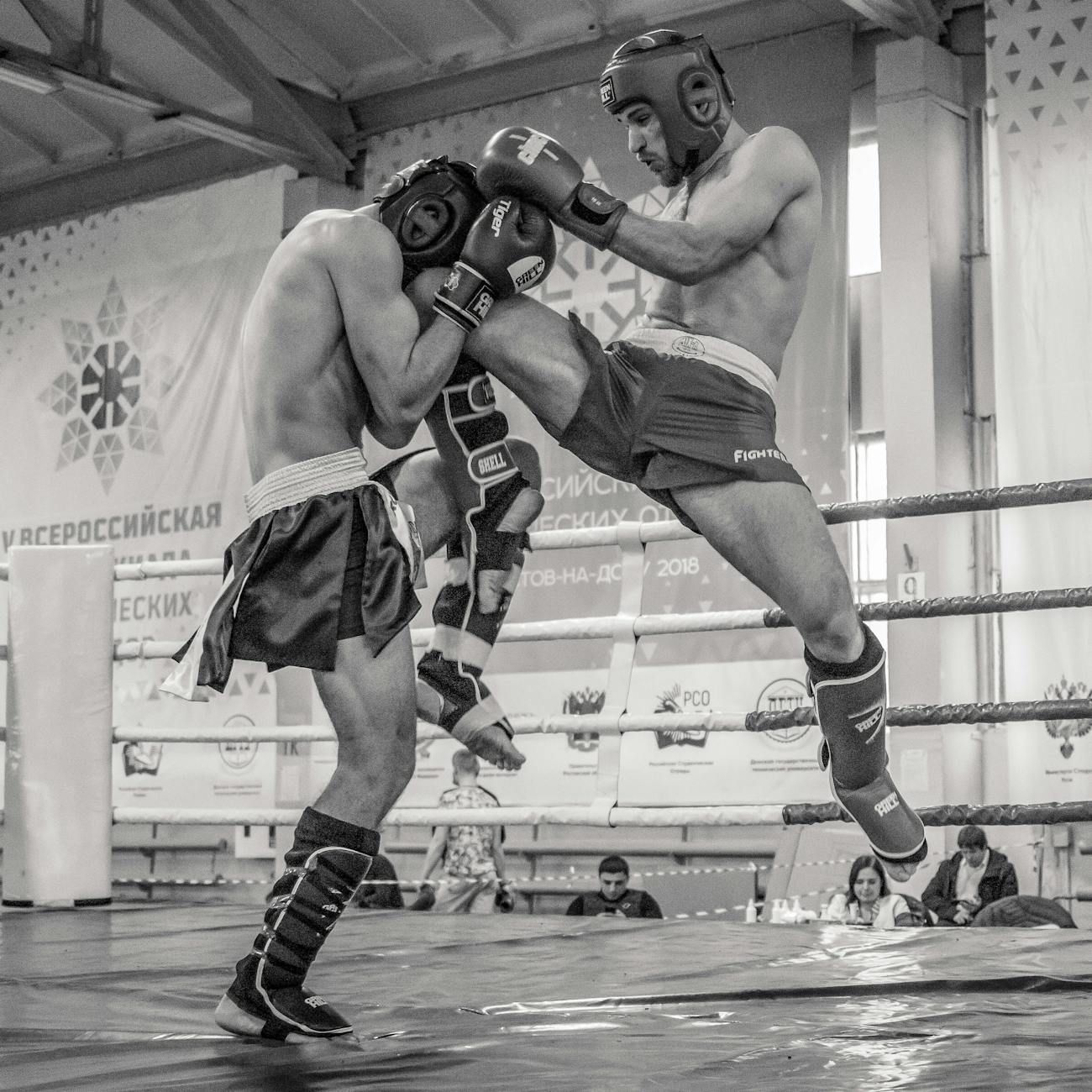
Military Psychology: Military psychology is a subfield of psychology that focuses on understanding the psychological processes and behaviors of military personnel. It involves the study of various aspects of military life, including combat stress, leadership, group dynamics, and resilience.
Combat Psychology: Combat psychology is a specialized branch of military psychology that focuses on the psychological effects of combat on soldiers. It involves studying how individuals respond to the stressors of combat, including fear, trauma, and violence.
Postgraduate Certificate in Military and Combat Psychology: A postgraduate certificate program that provides advanced training in military and combat psychology. It covers topics such as PTSD, resilience training, leadership in combat, and psychological assessment of military personnel.
PTSD (Post-Traumatic Stress Disorder): PTSD is a mental health condition that can develop after experiencing or witnessing a traumatic event, such as combat. Symptoms may include flashbacks, nightmares, severe anxiety, and uncontrollable thoughts about the event.
Resilience: Resilience is the ability to bounce back from adversity or trauma. In military psychology, resilience training aims to enhance soldiers' ability to cope with stress and trauma during combat situations.
Leadership: Leadership in military psychology refers to the ability of military personnel to inspire, motivate, and guide others in a combat setting. Effective leadership is crucial for maintaining morale and accomplishing mission objectives.
Group Dynamics: Group dynamics in military psychology refers to the interactions and relationships among members of a military unit. Understanding group dynamics is essential for building cohesive and effective teams.
Psychological Assessment: Psychological assessment in military psychology involves evaluating the mental health and psychological well-being of military personnel. It helps identify individuals who may be at risk for mental health issues or who may need additional support.
Combat Stress: Combat stress refers to the psychological and emotional strain experienced by soldiers during combat. It can manifest as anxiety, fear, anger, and other symptoms that impact soldiers' ability to function effectively.
Deployment: Deployment refers to the movement of military personnel to a specific location for a mission or operation. Deployments can involve combat situations, peacekeeping missions, or humanitarian efforts.
Resilience Training: Resilience training in military psychology involves teaching soldiers coping skills and strategies to help them deal with the stressors of combat. This training aims to enhance soldiers' ability to bounce back from adversity and maintain mental well-being.
Psychological First Aid: Psychological first aid is a form of early intervention that aims to provide immediate support to individuals who have experienced a traumatic event. It involves offering emotional support, information, and resources to help individuals cope with the crisis.
Combat Trauma: Combat trauma refers to the psychological and emotional impact of exposure to combat on soldiers. It can lead to symptoms such as PTSD, depression, and anxiety, and may require specialized mental health interventions.
Mental Health Stigma: Mental health stigma refers to negative attitudes and beliefs about mental illness that can prevent individuals from seeking help. In the military, stigma surrounding mental health issues may discourage soldiers from accessing the support they need.
Psychological Resilience: Psychological resilience is the ability to adapt and cope effectively with stress and adversity. In military psychology, psychological resilience is a key factor in determining how well soldiers can withstand the rigors of combat.
Combat Readiness: Combat readiness refers to the state of preparedness of military units for deployment and combat operations. It involves ensuring that soldiers are physically, mentally, and emotionally ready to engage in combat.
Psychological Support Services: Psychological support services in the military provide mental health care and counseling to soldiers who are experiencing psychological distress. These services may include individual therapy, group counseling, and crisis intervention.
Operational Stress Control: Operational stress control is a proactive approach to managing stress and promoting mental well-being in military personnel. It involves providing education, training, and resources to help soldiers cope with the demands of their duties.
Military Culture: Military culture refers to the unique values, beliefs, and practices that characterize the military community. Understanding military culture is essential for providing effective mental health care to service members.
Combat Fatigue: Combat fatigue, also known as battle fatigue or shell shock, refers to the physical and mental exhaustion experienced by soldiers in combat situations. It can impair soldiers' ability to function effectively and may require rest and recuperation.
Military Families: Military families are the relatives of service members who may also be impacted by the demands of military life. Supporting military families is important for maintaining the well-being of service members and their loved ones.
Psychological Resilience Training: Psychological resilience training involves teaching soldiers skills and strategies to enhance their ability to cope with stress and adversity. This training aims to build soldiers' mental toughness and resilience in the face of challenges.
Combat Medic: A combat medic is a military healthcare provider who provides medical care to wounded soldiers on the battlefield. Combat medics play a crucial role in saving lives and stabilizing injured personnel during combat operations.
Psychological Debriefing: Psychological debriefing is a structured process that allows individuals to discuss and process traumatic events. In military psychology, psychological debriefing is used to help soldiers cope with the emotional aftermath of combat experiences.
Operational Psychologist: An operational psychologist is a psychologist who works directly with military units to promote mental health and well-being. Operational psychologists may provide counseling, training, and support to soldiers in combat environments.
Military Resilience Program: A military resilience program is a structured initiative designed to enhance soldiers' psychological resilience and well-being. These programs may include resilience training, stress management techniques, and mental health education.
Combat Stress Reaction: Combat stress reaction is a normal response to the intense stress of combat. Symptoms may include confusion, fear, and physical symptoms such as rapid heartbeat and sweating. Combat stress reaction typically resolves once the stressor is removed.
Military Trauma: Military trauma refers to the psychological and emotional wounds caused by exposure to combat and other military experiences. It can manifest as PTSD, depression, anxiety, and other mental health conditions that require treatment.
Combat Support: Combat support refers to the services and resources that are provided to military units to enable them to carry out combat operations effectively. This may include medical support, logistics, communications, and intelligence.
Mental Health Screening: Mental health screening in the military involves assessing the mental health of service members to identify individuals who may be at risk for mental health issues. Screening helps ensure that soldiers receive the support they need to maintain well-being.
Combat Training: Combat training in the military involves teaching soldiers the skills and tactics they need to succeed in combat situations. This may include weapons training, physical fitness, and strategic planning to prepare soldiers for the rigors of battle.
Psychological Resilience Factors: Psychological resilience factors are the personal characteristics and coping strategies that help individuals bounce back from adversity. These may include optimism, social support, problem-solving skills, and the ability to regulate emotions.
Combat Stress Management: Combat stress management involves strategies and interventions to help soldiers cope with the stress of combat. This may include relaxation techniques, mindfulness training, and peer support to help soldiers maintain mental well-being.
Military Chaplain: A military chaplain is a religious leader who provides spiritual and emotional support to service members. Military chaplains may offer counseling, religious services, and moral guidance to soldiers in combat environments.
Psychological Resilience Training Program: A psychological resilience training program is a structured initiative designed to enhance soldiers' ability to cope with stress and trauma. These programs may include workshops, exercises, and resources to build soldiers' mental toughness.
Combat Support Hospital: A combat support hospital is a military medical facility that provides advanced medical care to wounded soldiers in combat zones. These hospitals are equipped to handle severe injuries and may include surgical units and intensive care facilities.
Military Mental Health Services: Military mental health services provide mental health care to service members who are experiencing psychological distress. These services may include therapy, medication management, and crisis intervention to support soldiers' well-being.
Combat Stress Counseling: Combat stress counseling involves providing psychological support to soldiers who are experiencing stress and trauma related to combat. Counseling may help soldiers process their experiences, develop coping strategies, and enhance resilience.
Military Training Exercise: A military training exercise is a simulated scenario designed to prepare soldiers for combat situations. These exercises may involve tactical maneuvers, live-fire drills, and scenario-based training to enhance soldiers' readiness for deployment.
Psychological Resilience Skills: Psychological resilience skills are the abilities and techniques that individuals can use to cope with stress and adversity. These skills may include problem-solving, emotion regulation, positive thinking, and seeking social support.
Combat Leadership Training: Combat leadership training teaches soldiers the skills and qualities they need to lead effectively in combat situations. This may include decision-making, communication, and motivation techniques to inspire and guide soldiers under duress.
Military Mental Health Assessment: Military mental health assessment involves evaluating the mental health of service members to identify issues and provide appropriate care. Assessments may include interviews, questionnaires, and observations to assess soldiers' well-being.
Combat Stress Management Program: A combat stress management program is a structured initiative designed to help soldiers cope with the stress of combat. These programs may include education, training, and resources to promote mental well-being and resilience.
Deployment Readiness: Deployment readiness refers to the state of preparedness of military units for deployment and combat operations. This involves ensuring that soldiers are physically, mentally, and emotionally ready to deploy and engage in combat.
Psychological Resilience Building: Psychological resilience building involves activities and interventions to enhance soldiers' ability to cope with stress and adversity. This may include resilience training, stress management techniques, and mental health education to promote well-being.
Combat Stress Response: Combat stress response is the natural reaction of the body and mind to the stress of combat. This response may involve physiological changes, emotional reactions, and cognitive processes that help soldiers adapt to the demands of combat.
Military Mental Health Support: Military mental health support provides services and resources to help service members maintain mental well-being. This may include counseling, therapy, crisis intervention, and education to promote soldiers' mental health.
Combat Stress Management Strategies: Combat stress management strategies are techniques and interventions to help soldiers cope with the stress of combat. This may include relaxation techniques, mindfulness training, and peer support to help soldiers maintain mental well-being.
Psychological Resilience Development: Psychological resilience development involves the process of enhancing soldiers' ability to cope with stress and adversity. This may include training, education, and resources to help soldiers build mental toughness and resilience.
Combat Stress Reduction: Combat stress reduction involves interventions and strategies to help soldiers reduce the impact of stress during combat. This may include stress management techniques, relaxation exercises, and peer support to promote soldiers' well-being.
Military Mental Health Promotion: Military mental health promotion aims to enhance soldiers' mental well-being and resilience. This may include education, training, and resources to help service members cope with stress, trauma, and other mental health challenges.
Combat Stress Coping Skills: Combat stress coping skills are the abilities and strategies that soldiers can use to manage stress during combat. This may include mindfulness techniques, deep breathing exercises, and positive self-talk to help soldiers stay focused and resilient.
Psychological Resilience Enhancement: Psychological resilience enhancement involves activities and interventions to strengthen soldiers' ability to cope with stress and adversity. This may include resilience training, social support, and mental health education to promote well-being.
Combat Stress Intervention: Combat stress intervention involves providing support and resources to soldiers who are experiencing stress and trauma related to combat. This may include counseling, therapy, and crisis intervention to help soldiers cope with the demands of combat.
Military Mental Health Education: Military mental health education provides soldiers with information and skills to maintain mental well-being. This may include workshops, seminars, and resources to help service members understand and cope with the challenges of military life.
Psychological Resilience Support: Psychological resilience support offers soldiers assistance and resources to help them cope with stress and adversity. This may include counseling, peer support, and education to promote soldiers' mental well-being and resilience.
Combat Stress Management Techniques: Combat stress management techniques are strategies and interventions to help soldiers cope with the stress of combat. This may include cognitive-behavioral therapy, relaxation exercises, and problem-solving skills to promote mental well-being.
Military Mental Health Intervention: Military mental health intervention involves providing care and support to soldiers who are experiencing mental health issues. This may include therapy, medication management, and crisis intervention to help service members cope with psychological distress.
Combat Stress Prevention: Combat stress prevention involves strategies and interventions to reduce the risk of stress during combat. This may include resilience training, stress management techniques, and mental health education to help soldiers build mental toughness and cope effectively.
Psychological Resilience Training: Psychological resilience training teaches soldiers skills and strategies to enhance their ability to cope with stress and adversity. This may include workshops, exercises, and resources to build soldiers' mental toughness and resilience.
Combat Stress Management Program: A combat stress management program is a structured initiative designed to help soldiers cope with the stress of combat. These programs may include education, training, and resources to promote mental well-being and resilience.
Deployment Readiness: Deployment readiness refers to the state of preparedness of military units for deployment and combat operations. This involves ensuring that soldiers are physically, mentally, and emotionally ready to deploy and engage in combat.
Psychological Resilience Building: Psychological resilience building involves activities and interventions to enhance soldiers' ability to cope with stress and adversity. This may include resilience training, stress management techniques, and mental health education to promote well-being.
Combat Stress Response: Combat stress response is the natural reaction of the body and mind to the stress of combat. This response may involve physiological changes, emotional reactions, and cognitive processes that help soldiers adapt to the demands of combat.
Military Mental Health Support: Military mental health support provides services and resources to help service members maintain mental well-being. This may include counseling, therapy, crisis intervention, and education to promote soldiers' mental health.
Combat Stress Management Strategies: Combat stress management strategies are techniques and interventions to help soldiers cope with the stress of combat. This may include relaxation techniques, mindfulness training, and peer support to help soldiers maintain mental well-being.
Psychological Resilience Development: Psychological resilience development involves the process of enhancing soldiers' ability to cope with stress and adversity. This may include training, education, and resources to help soldiers build mental toughness and resilience.
Combat Stress Reduction: Combat stress reduction involves interventions and strategies to help soldiers reduce the impact of stress during combat. This may include stress management techniques, relaxation exercises, and peer support to promote soldiers' well-being.
Military Mental Health Promotion: Military mental health promotion aims to enhance soldiers' mental well-being and resilience. This may include education, training, and resources to help service members cope with stress, trauma, and other mental health challenges.
Combat Stress Coping Skills: Combat stress coping skills are the abilities and strategies that soldiers can use to manage stress during combat. This may include mindfulness techniques, deep breathing exercises, and positive self-talk to help soldiers stay focused and resilient.
Psychological Resilience Enhancement: Psychological resilience enhancement involves activities and interventions to strengthen soldiers' ability to cope with stress and adversity. This may include resilience training, social support, and mental health education to promote well-being.
Combat Stress Intervention: Combat stress intervention involves providing support and resources to soldiers who are experiencing stress and trauma related to combat. This may include counseling, therapy, and crisis intervention to help soldiers cope with the demands of combat.
Military Mental Health Education: Military mental health education provides soldiers with information and skills to maintain mental well-being. This may include workshops, seminars, and resources to help service members understand and cope with the challenges of military life.
Psychological Resilience Support: Psychological resilience support offers soldiers assistance and resources to help them cope with stress and adversity. This may include counseling, peer support, and education to promote soldiers' mental well-being and resilience.
Combat Stress Management Techniques: Combat stress management techniques are strategies and interventions to help soldiers cope with the stress of combat. This may include cognitive-behavioral therapy, relaxation exercises, and problem-solving skills to promote mental well-being.
Military Mental Health Intervention: Military mental health intervention involves providing care and support to soldiers who are experiencing mental health issues. This may include therapy, medication management, and crisis intervention to help service members cope with psychological distress.
Combat Stress Prevention: Combat stress prevention involves strategies and interventions to reduce the risk of stress during combat. This may include resilience training, stress management techniques, and mental health education to help soldiers build mental toughness and cope effectively.
Key takeaways
- Military Psychology: Military psychology is a subfield of psychology that focuses on understanding the psychological processes and behaviors of military personnel.
- Combat Psychology: Combat psychology is a specialized branch of military psychology that focuses on the psychological effects of combat on soldiers.
- Postgraduate Certificate in Military and Combat Psychology: A postgraduate certificate program that provides advanced training in military and combat psychology.
- PTSD (Post-Traumatic Stress Disorder): PTSD is a mental health condition that can develop after experiencing or witnessing a traumatic event, such as combat.
- In military psychology, resilience training aims to enhance soldiers' ability to cope with stress and trauma during combat situations.
- Leadership: Leadership in military psychology refers to the ability of military personnel to inspire, motivate, and guide others in a combat setting.
- Group Dynamics: Group dynamics in military psychology refers to the interactions and relationships among members of a military unit.