
Combat Stress
Combat stress is a significant issue that affects many military personnel who have been exposed to traumatic events during their service. It is essential for military and combat psychologists to have a strong understanding of key terms and …
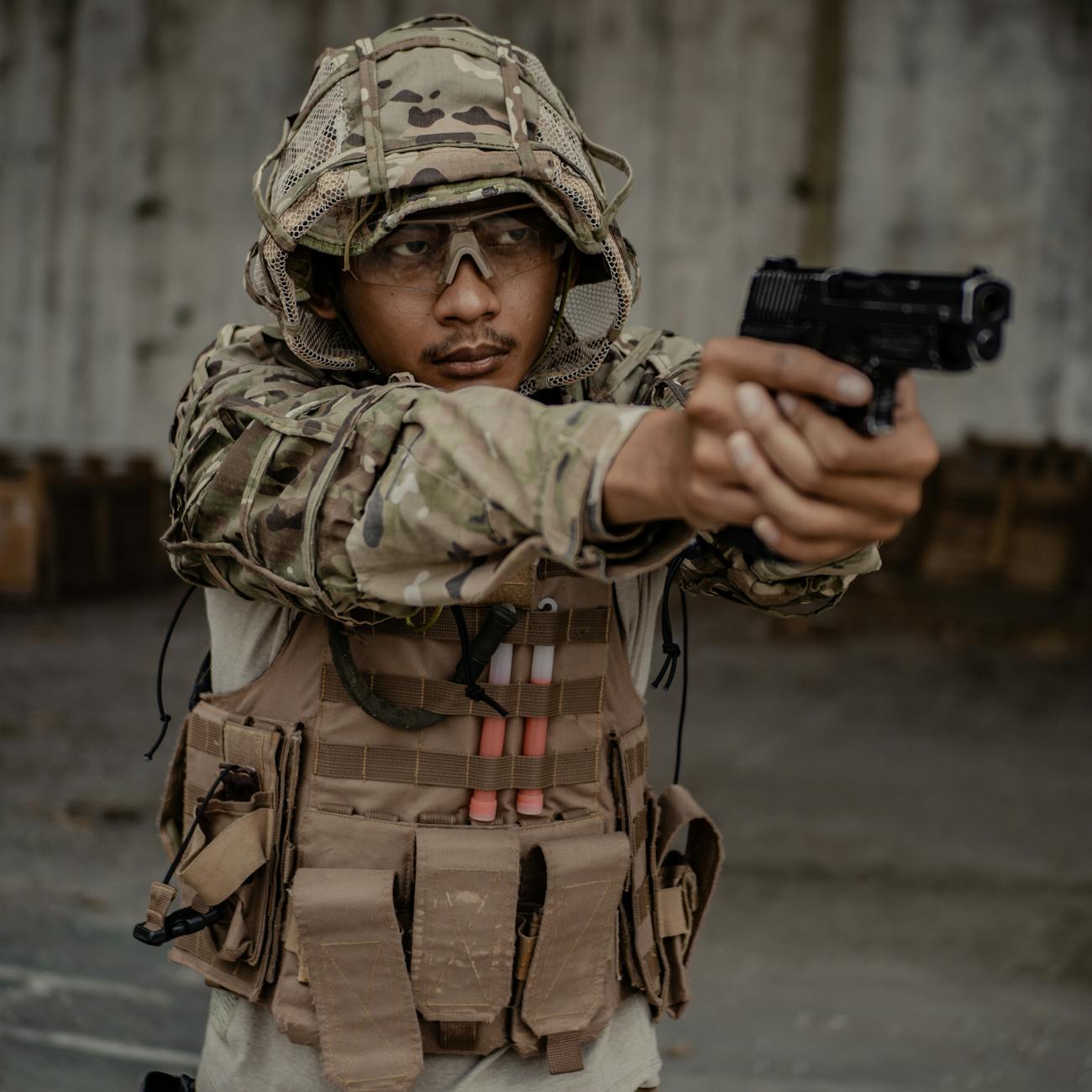
Combat stress is a significant issue that affects many military personnel who have been exposed to traumatic events during their service. It is essential for military and combat psychologists to have a strong understanding of key terms and vocabulary related to combat stress to effectively assess, treat, and support individuals experiencing these challenges.
**Combat Stress**: Combat stress, also known as combat and operational stress, refers to the psychological and emotional impact of exposure to traumatic events during military service. It can manifest in various ways, including post-traumatic stress disorder (PTSD), acute stress reaction, and other anxiety disorders.
**Post-Traumatic Stress Disorder (PTSD)**: PTSD is a mental health condition that can develop after experiencing a traumatic event. Symptoms may include flashbacks, nightmares, severe anxiety, and uncontrollable thoughts about the event. Individuals with PTSD may also experience avoidance behaviors and hypervigilance.
**Acute Stress Reaction**: Acute stress reaction is a short-term condition that occurs in response to a traumatic event. Symptoms may include anxiety, dissociation, confusion, and emotional numbness. While acute stress reaction typically resolves on its own, some individuals may go on to develop PTSD.
**Resilience**: Resilience refers to an individual's ability to adapt and bounce back from stressful or traumatic experiences. Building resilience is essential for military personnel to cope with the challenges of combat stress and maintain their mental well-being.
**Coping Strategies**: Coping strategies are techniques individuals use to manage stress and regulate their emotions. Examples of coping strategies include mindfulness, deep breathing exercises, physical activity, social support, and cognitive behavioral therapy.
**Trauma**: Trauma refers to a deeply distressing or disturbing experience that overwhelms an individual's ability to cope. Combat trauma can result from exposure to combat-related events, such as witnessing violence, injury, or death.
**Combat Exposure**: Combat exposure refers to the extent to which an individual has been involved in or witnessed combat-related events. High levels of combat exposure are associated with an increased risk of developing combat stress reactions.
**Psychological First Aid**: Psychological first aid is a supportive intervention provided to individuals in the immediate aftermath of a traumatic event. It aims to promote safety, calmness, connectedness, self-efficacy, and hope in individuals experiencing distress.
**Combat Stress Reaction**: Combat stress reaction (CSR) is a term used to describe the psychological and behavioral responses of military personnel to combat stressors. Symptoms of CSR may include confusion, disorientation, emotional numbing, and impaired decision-making.
**Secondary Traumatic Stress**: Secondary traumatic stress, also known as vicarious trauma, refers to the emotional and psychological distress experienced by individuals who are indirectly exposed to traumatic events through their work with trauma survivors. Military and combat psychologists may experience secondary traumatic stress when working with individuals who have been exposed to combat stress.
**Moral Injury**: Moral injury is a psychological response to experiencing or witnessing events that violate an individual's moral or ethical beliefs. It can result from actions taken or witnessed during combat that conflict with an individual's values, leading to feelings of guilt, shame, and moral distress.
**Compassion Fatigue**: Compassion fatigue is a form of burnout that results from the emotional and physical exhaustion of providing care and support to individuals who have experienced trauma. Military and combat psychologists may experience compassion fatigue when working with clients who have been exposed to combat stress.
**Reintegration**: Reintegration refers to the process of transitioning back to civilian life after military service. It involves adjusting to the demands of civilian society, reconnecting with family and friends, and addressing the psychological and emotional challenges that may arise during the reintegration process.
**Stigma**: Stigma refers to negative attitudes and beliefs that society holds towards individuals with mental health conditions, such as combat stress. Stigma can prevent individuals from seeking help and support for their mental health challenges and may contribute to feelings of shame and isolation.
**Evidence-Based Practices**: Evidence-based practices are interventions and treatments that have been scientifically proven to be effective through research and clinical trials. Military and combat psychologists should use evidence-based practices to assess and treat combat stress effectively.
**Trauma-Informed Care**: Trauma-informed care is an approach to providing services that recognizes the impact of trauma on individuals and emphasizes safety, trust, choice, collaboration, and empowerment in the healing process. Military and combat psychologists should adopt a trauma-informed care approach when working with individuals experiencing combat stress.
**Peer Support**: Peer support involves individuals with lived experience of combat stress providing support, guidance, and understanding to their peers who are going through similar challenges. Peer support can be a valuable resource for military personnel struggling with combat stress.
**Critical Incident Stress Debriefing (CISD)**: CISD is a structured group intervention designed to help individuals process and cope with traumatic events shortly after they occur. While CISD has been widely used in the past, there is some controversy over its effectiveness in preventing long-term psychological distress.
**Psychological Debriefing**: Psychological debriefing is a brief intervention aimed at helping individuals process and cope with traumatic events. It involves discussing the event, emotions, and coping strategies in a structured and supportive environment.
**Self-Care**: Self-care refers to the practice of taking care of one's physical, emotional, and mental well-being. Military and combat psychologists should prioritize self-care to prevent burnout and compassion fatigue while supporting individuals experiencing combat stress.
**Challenges in Treating Combat Stress**: Treating combat stress can present various challenges, including stigma, barriers to accessing care, cultural differences, and the complex nature of combat trauma. Military and combat psychologists must be aware of these challenges and tailor their interventions accordingly.
**Telehealth**: Telehealth involves the use of technology, such as video conferencing and phone calls, to deliver mental health services remotely. Telehealth can be a valuable tool for reaching individuals in remote or underserved areas and providing access to care for military personnel experiencing combat stress.
**Cultural Competence**: Cultural competence refers to the ability to understand, respect, and effectively work with individuals from diverse cultural backgrounds. Military and combat psychologists should be culturally competent to provide culturally sensitive care to military personnel experiencing combat stress.
**Prevention and Resilience-Building Programs**: Prevention and resilience-building programs aim to promote mental health and well-being among military personnel before they experience combat stress. These programs may include stress management training, resilience-building exercises, and mental health education.
**Psychological Assessment**: Psychological assessment involves the use of standardized tests, interviews, and observations to evaluate an individual's mental health status and identify symptoms of combat stress. Military and combat psychologists use psychological assessment to develop treatment plans and monitor progress.
**Cognitive Behavioral Therapy (CBT)**: CBT is a form of psychotherapy that focuses on identifying and changing negative thought patterns and behaviors. CBT is an evidence-based treatment for combat stress and PTSD, helping individuals develop coping skills and strategies to manage their symptoms.
**Eye Movement Desensitization and Reprocessing (EMDR)**: EMDR is a therapeutic approach used to treat trauma-related disorders, such as PTSD. It involves bilateral stimulation, such as eye movements or tapping, to help individuals process traumatic memories and reduce distress.
**Medication Management**: Medication management involves the use of psychotropic medications, such as antidepressants or anxiolytics, to treat symptoms of combat stress. Military and combat psychologists may collaborate with psychiatrists to prescribe and monitor medication for individuals with combat stress.
**Mindfulness-Based Interventions**: Mindfulness-based interventions, such as mindfulness meditation and yoga, focus on cultivating present-moment awareness and non-judgmental acceptance. These interventions can help individuals with combat stress reduce anxiety, improve emotional regulation, and increase resilience.
**Support Groups**: Support groups bring together individuals with similar experiences, such as combat stress, to share their stories, provide mutual support, and learn coping strategies. Support groups can be a valuable resource for military personnel seeking connection and understanding.
**Family Therapy**: Family therapy involves working with the family members of individuals experiencing combat stress to improve communication, address conflicts, and strengthen relationships. Family therapy can be beneficial in supporting the overall well-being of military personnel and their families.
**Peer-Mentoring Programs**: Peer-mentoring programs pair individuals who have successfully coped with combat stress with those who are currently struggling. Peer mentors provide guidance, support, and encouragement to their peers, helping them navigate the challenges of combat stress.
**Veterans Affairs Services**: Veterans Affairs (VA) services provide a range of benefits and support to military personnel and veterans, including mental health care, disability compensation, vocational rehabilitation, and housing assistance. Military and combat psychologists may collaborate with VA services to ensure comprehensive care for individuals with combat stress.
**Reintegration Programs**: Reintegration programs help military personnel transition back to civilian life after deployment. These programs may include job training, career counseling, mental health services, and peer support to facilitate a successful reintegration process for individuals with combat stress.
**Complementary and Alternative Therapies**: Complementary and alternative therapies, such as acupuncture, art therapy, and equine therapy, can be used to supplement traditional treatments for combat stress. These therapies may help individuals manage symptoms, reduce stress, and improve overall well-being.
**Continuing Education**: Continuing education is essential for military and combat psychologists to stay up-to-date on the latest research, treatments, and best practices for combat stress. Ongoing training and professional development help psychologists provide high-quality care to individuals experiencing combat stress.
**Burnout**: Burnout is a state of emotional, physical, and mental exhaustion caused by prolonged exposure to stress and overwhelming work demands. Military and combat psychologists are at risk of burnout due to the challenging nature of their work with individuals experiencing combat stress.
**Self-Compassion**: Self-compassion involves treating oneself with kindness, understanding, and acceptance during times of struggle or suffering. Military and combat psychologists should practice self-compassion to prevent burnout, maintain well-being, and sustain their ability to support others.
**Ethical Considerations**: Ethical considerations are principles and guidelines that govern the conduct of psychologists in their work with clients. Military and combat psychologists must adhere to ethical standards, such as confidentiality, informed consent, and boundaries, when providing care to individuals with combat stress.
**Interdisciplinary Collaboration**: Interdisciplinary collaboration involves working with professionals from different fields, such as psychiatry, social work, and occupational therapy, to provide comprehensive care to individuals with combat stress. Collaboration enhances the quality of care and promotes holistic treatment approaches.
**Trauma-Sensitive Language**: Trauma-sensitive language involves using respectful and non-triggering language when discussing traumatic events with individuals who have experienced combat stress. Military and combat psychologists should be mindful of their language to avoid retraumatizing or triggering clients.
**Crisis Intervention**: Crisis intervention involves providing immediate support and assistance to individuals experiencing acute distress or emotional crisis. Military and combat psychologists may use crisis intervention techniques to stabilize individuals in crisis and connect them with appropriate resources.
**Professional Boundaries**: Professional boundaries are guidelines that define the limits of the therapeutic relationship between psychologists and clients. Maintaining clear and ethical boundaries is essential for establishing trust, promoting safety, and ensuring the effectiveness of interventions for combat stress.
**Supervision and Consultation**: Supervision and consultation involve seeking guidance, feedback, and support from experienced professionals in the field of military and combat psychology. Supervision helps psychologists reflect on their work, address challenges, and enhance their clinical skills.
**Preventive Mental Health Strategies**: Preventive mental health strategies aim to promote mental well-being and resilience among military personnel before they experience combat stress. These strategies may include mental health screenings, stress management training, and peer support programs.
**Psychoeducation**: Psychoeducation involves providing individuals with information about mental health conditions, coping strategies, and available resources. Psychoeducation empowers individuals to understand and manage their symptoms of combat stress and seek appropriate support when needed.
**Community Resources**: Community resources, such as mental health clinics, veteran support organizations, and crisis hotlines, provide valuable support and services to individuals with combat stress. Military and combat psychologists should be familiar with community resources to help clients access the care they need.
**Cultural Humility**: Cultural humility involves acknowledging and respecting the cultural differences and diversity of individuals seeking care for combat stress. Military and combat psychologists should approach each client with cultural humility to provide culturally competent and sensitive treatment.
**Treatment Planning**: Treatment planning involves collaboratively developing a comprehensive and individualized plan to address the symptoms and needs of individuals with combat stress. Treatment plans may include therapy, medication, support services, and self-care strategies to promote healing and recovery.
**Recovery-Oriented Care**: Recovery-oriented care focuses on empowering individuals with combat stress to take an active role in their healing and recovery process. Military and combat psychologists should adopt a recovery-oriented approach that emphasizes hope, self-determination, and resilience in their work with clients.
**Trauma Processing**: Trauma processing involves helping individuals with combat stress process and make sense of their traumatic experiences in a safe and supportive environment. Trauma processing therapies, such as exposure therapy and narrative therapy, can help individuals integrate their traumatic memories and reduce distress.
**Case Management**: Case management involves coordinating and overseeing the care and services provided to individuals with combat stress. Military and combat psychologists may act as case managers to ensure continuity of care, address barriers to treatment, and advocate for their clients' needs.
**Clinical Supervision**: Clinical supervision involves receiving guidance, feedback, and support from a qualified supervisor to enhance clinical skills and ensure the quality of care provided to individuals with combat stress. Clinical supervision helps psychologists reflect on their work, address challenges, and grow professionally.
**Recovery Capital**: Recovery capital refers to the internal and external resources, such as coping skills, social support, and personal strengths, that individuals can draw upon to support their recovery from combat stress. Building recovery capital is essential for promoting resilience and well-being.
**Co-Occurring Disorders**: Co-occurring disorders refer to the presence of two or more mental health conditions, such as PTSD and substance use disorder, in an individual. Military and combat psychologists should be prepared to address co-occurring disorders in their assessment and treatment of combat stress.
**Peer Review**: Peer review involves the evaluation of a psychologist's clinical work by colleagues or peers in the field. Peer review helps ensure the quality and effectiveness of interventions for combat stress and promotes professional growth and accountability.
**Cultural Formulation Interview**: The cultural formulation interview is a structured tool used to assess an individual's cultural background, beliefs, values, and experiences that may influence their mental health. Military and combat psychologists may use the cultural formulation interview to provide culturally sensitive care to individuals with combat stress.
**Patient-Centered Care**: Patient-centered care involves collaborating with individuals with combat stress to develop treatment plans that address their unique needs, preferences, and goals. Military and combat psychologists should prioritize patient-centered care to promote engagement, empowerment, and positive outcomes for their clients.
**Integration of Care**: Integration of care involves coordinating mental health services with other medical, social, and community resources to provide comprehensive and holistic care to individuals with combat stress. Integration of care promotes continuity of services, reduces barriers to treatment, and improves outcomes for clients.
**Transdiagnostic Approaches**: Transdiagnostic approaches focus on targeting underlying processes and mechanisms shared across different mental health conditions, such as combat stress reactions. These approaches aim to develop interventions that can address a range of symptoms and promote more efficient and effective treatment outcomes.
**Telepsychology**: Telepsychology involves the delivery of psychological services, such as therapy and assessment, through telecommunication technologies. Telepsychology can expand access to care for individuals with combat stress, especially those in remote or underserved areas, and provide flexibility in service delivery.
**Resilience Training**: Resilience training programs aim to enhance individuals' coping skills, self-regulation, and adaptive strategies to promote resilience in the face of stress and adversity. Military personnel can benefit from resilience training to build psychological strength and maintain well-being in challenging environments.
**Psychotherapy**: Psychotherapy, also known as talk therapy, involves working with a trained therapist to explore and address mental health concerns, including combat stress reactions. Different types of psychotherapy, such as cognitive-behavioral therapy, exposure therapy, and psychodynamic therapy, can be effective in treating combat stress.
**Early Intervention**: Early intervention involves identifying and addressing combat stress reactions in their early stages to prevent the development of more severe mental health conditions, such as PTSD. Early intervention can help individuals build coping skills, access support, and reduce the long-term impact of combat stress.
**Community-Based Care**: Community-based care involves providing mental health services, support, and resources within the local community to individuals with combat stress. Community-based care can increase access to services, reduce stigma, and promote engagement in treatment for military personnel and veterans.
**Treatment Adherence**: Treatment adherence refers to individuals' willingness and ability to follow through with their treatment plans, including attending therapy sessions, taking medications as prescribed, and engaging in self-care activities. Military and combat psychologists should address barriers to treatment adherence to optimize outcomes for individuals with combat stress.
**Relapse Prevention**: Relapse prevention strategies aim to help individuals with combat stress identify triggers, develop coping skills, and build support networks to prevent the recurrence of symptoms or relapse into crisis. Military and combat psychologists can collaborate with clients to create personalized relapse prevention plans to support long-term recovery.
**Empowerment**: Empowerment involves supporting individuals with combat stress to take control of their lives, make informed decisions, and advocate for their needs. Military and combat psychologists should empower their clients to build confidence, resilience, and self-efficacy in managing their mental health challenges.
**Continuum of Care**: The continuum of care involves providing a range of services and supports, from prevention to intervention to recovery, to individuals with combat stress. Military and combat psychologists should consider the continuum of care in their treatment planning to ensure that clients receive comprehensive and coordinated services.
**Cultural Competence Training**: Cultural competence training provides psychologists with the knowledge, skills, and attitudes needed to work effectively with individuals from diverse cultural backgrounds. Military and combat psychologists should engage in cultural competence training to enhance their ability to provide culturally sensitive care to clients with combat stress.
**Trauma-Focused Cognitive Behavioral Therapy (TF-CBT)**: TF-CBT is a specialized form of cognitive-behavioral therapy designed to address the unique needs of individuals with trauma-related disorders, such as PTSD. TF-CBT integrates trauma processing techniques, skill-building exercises, and psychoeducation to help individuals recover from combat stress.
**Psychological Resilience**: Psychological resilience refers to an individual's capacity to adapt and thrive in the face of adversity, stress, and trauma. Military personnel with high levels of psychological resilience are better equipped to cope with the challenges of combat stress and maintain their mental well-being.
**Recovery-Oriented Language**: Recovery-oriented language involves using strengths-based, empowering, and hopeful language when discussing mental health challenges with individuals with combat stress. Military and combat psychologists should use recovery-oriented language to promote a sense of agency, autonomy, and optimism in their clients.
**Treatment Outcomes**: Treatment outcomes refer to the effects and results of interventions provided to individuals with combat stress. Military and combat psychologists should monitor treatment outcomes to assess the effectiveness of interventions, adjust treatment plans as needed, and promote positive outcomes for their clients.
**Professional Development**: Professional development involves engaging in ongoing training, education, and skill-building activities to enhance clinical expertise and stay current with best practices in the field of military and combat psychology. Professional development is essential for maintaining competence, improving outcomes, and delivering high-quality care to individuals with combat stress.
**
Key takeaways
- It is essential for military and combat psychologists to have a strong understanding of key terms and vocabulary related to combat stress to effectively assess, treat, and support individuals experiencing these challenges.
- **Combat Stress**: Combat stress, also known as combat and operational stress, refers to the psychological and emotional impact of exposure to traumatic events during military service.
- **Post-Traumatic Stress Disorder (PTSD)**: PTSD is a mental health condition that can develop after experiencing a traumatic event.
- **Acute Stress Reaction**: Acute stress reaction is a short-term condition that occurs in response to a traumatic event.
- Building resilience is essential for military personnel to cope with the challenges of combat stress and maintain their mental well-being.
- Examples of coping strategies include mindfulness, deep breathing exercises, physical activity, social support, and cognitive behavioral therapy.
- **Trauma**: Trauma refers to a deeply distressing or disturbing experience that overwhelms an individual's ability to cope.