
Hyperbaric Safety and Emergency Procedures
Hyperbaric Safety and Emergency Procedures are crucial aspects of hyperbaric medicine that ensure the safety of patients and healthcare providers during hyperbaric oxygen therapy (HBOT) sessions. Understanding key terms and vocabulary relat…
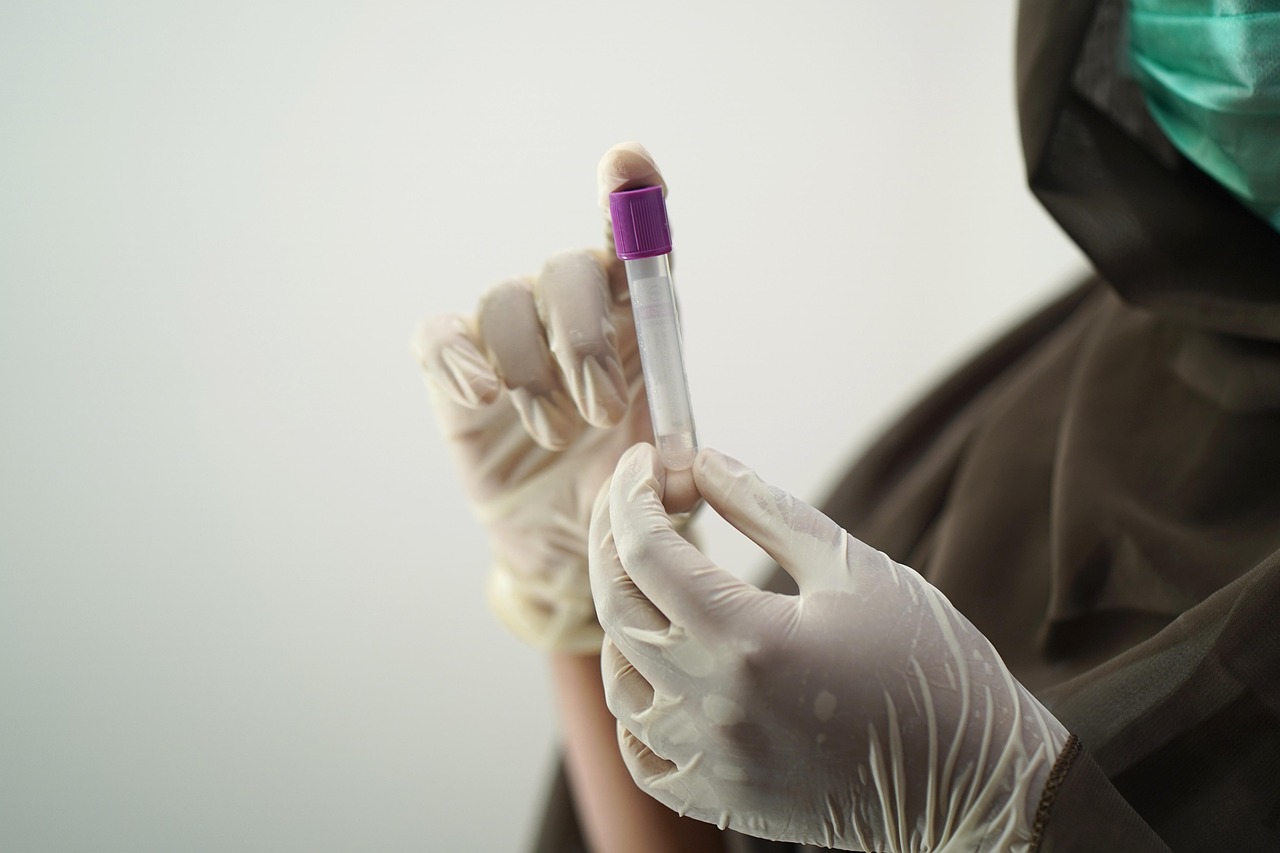
Hyperbaric Safety and Emergency Procedures are crucial aspects of hyperbaric medicine that ensure the safety of patients and healthcare providers during hyperbaric oxygen therapy (HBOT) sessions. Understanding key terms and vocabulary related to hyperbaric safety and emergency procedures is essential for healthcare professionals working in hyperbaric facilities.
1. **Hyperbaric Oxygen Therapy (HBOT):** Hyperbaric oxygen therapy involves breathing pure oxygen in a pressurized room or chamber. It is used to treat various medical conditions, including decompression sickness, carbon monoxide poisoning, and non-healing wounds.
2. **Hyperbaric Chamber:** A hyperbaric chamber is a sealed chamber where patients are exposed to increased atmospheric pressure while breathing pure oxygen. There are two main types of hyperbaric chambers: monoplace chambers, which accommodate one person, and multiplace chambers, which can treat multiple patients simultaneously.
3. **Atmospheric Pressure:** Atmospheric pressure is the pressure exerted by the weight of the atmosphere on the Earth's surface. In hyperbaric medicine, atmospheric pressure is increased inside the hyperbaric chamber to facilitate the delivery of oxygen to tissues.
4. **Barotrauma:** Barotrauma refers to tissue damage caused by changes in pressure. It can occur in the ears, sinuses, lungs, or other parts of the body during hyperbaric treatments. Common examples of barotrauma include ear pain, sinus squeeze, and pneumothorax.
5. **Decompression Sickness:** Decompression sickness, also known as "the bends," is a condition that occurs when dissolved gases (such as nitrogen) form bubbles in the bloodstream and tissues during rapid decompression. It can lead to symptoms such as joint pain, dizziness, and shortness of breath.
6. **Oxygen Toxicity:** Oxygen toxicity is a condition that occurs when the body is exposed to high levels of oxygen for an extended period. It can cause lung damage, seizures, and other serious complications. Monitoring oxygen levels and exposure time is crucial to prevent oxygen toxicity during HBOT.
7. **Fire Safety:** Fire safety protocols are essential in hyperbaric facilities due to the presence of pure oxygen and pressurized environments. Proper training, equipment maintenance, and fire suppression systems are necessary to prevent and manage fires in hyperbaric chambers.
8. **Emergency Decompression:** Emergency decompression may be required in cases of chamber malfunction, fire, or other emergencies. Rapidly reducing the pressure inside the chamber can prevent barotrauma and other complications in patients and staff.
9. **Air Breaks:** Air breaks are scheduled breaks during hyperbaric treatments where patients breathe room air instead of pure oxygen. Air breaks help prevent oxygen toxicity and allow the body to eliminate excess nitrogen, reducing the risk of decompression sickness.
10. **Hyperbaric Technologist:** A hyperbaric technologist is a healthcare professional trained to operate hyperbaric chambers, monitor patients during treatments, and respond to emergencies. They play a crucial role in ensuring the safety and effectiveness of HBOT sessions.
11. **Medical Director:** The medical director of a hyperbaric facility is responsible for overseeing patient care, treatment protocols, and safety procedures. They work closely with hyperbaric technologists and healthcare providers to ensure the highest standards of care in hyperbaric medicine.
12. **Chamber Lock:** The chamber lock is a mechanism that seals the hyperbaric chamber during treatments to maintain the desired pressure. It is essential for ensuring the safety and effectiveness of HBOT sessions.
13. **Emergency Stop Button:** The emergency stop button is a safety feature in hyperbaric chambers that allows for the immediate cessation of treatments in case of emergencies. Hyperbaric technologists are trained to use the emergency stop button to ensure patient safety.
14. **Gas Supply System:** The gas supply system in a hyperbaric facility delivers medical gases, such as oxygen and air, to the chamber during treatments. Proper maintenance and monitoring of the gas supply system are crucial for patient safety and treatment efficacy.
15. **Compression and Decompression:** Compression refers to the process of increasing pressure inside the hyperbaric chamber, while decompression involves reducing pressure to return to normal atmospheric levels. Proper compression and decompression protocols are essential for preventing barotrauma and other complications.
16. **Hyperbaric Safety Training:** Hyperbaric safety training is a comprehensive program that educates healthcare providers on the safe operation of hyperbaric chambers, emergency procedures, and patient care during HBOT sessions. Regular training and certification are essential for maintaining a culture of safety in hyperbaric facilities.
17. **Patient Monitoring:** Patient monitoring during hyperbaric treatments involves assessing vital signs, oxygen levels, and symptoms to ensure the safety and well-being of patients. Hyperbaric technologists are trained to monitor patients closely and respond to any changes in condition promptly.
18. **Emergency Response Plan:** An emergency response plan outlines procedures for responding to various emergencies, such as fires, equipment failures, or medical complications, during hyperbaric treatments. Regular drills and training are essential for preparing staff to handle emergencies effectively.
19. **Risk Management:** Risk management in hyperbaric medicine involves identifying, assessing, and mitigating risks associated with HBOT treatments. Strategies for risk management may include equipment maintenance, staff training, and quality assurance measures to ensure patient safety.
20. **Hyperbaric Indications and Contraindications:** Understanding the indications (conditions that can be treated with HBOT) and contraindications (conditions that make HBOT unsafe) is essential for healthcare providers prescribing hyperbaric treatments. Common indications include chronic wounds, radiation injuries, and carbon monoxide poisoning, while contraindications may include untreated pneumothorax, certain medications, and claustrophobia.
21. **Hyperbaric Treatment Tables:** Hyperbaric treatment tables are schedules that outline the pressure levels, treatment durations, and gas mixtures used during HBOT sessions. Following treatment tables accurately is essential for achieving optimal clinical outcomes and ensuring patient safety.
22. **Hyperbaric Facility Accreditation:** Hyperbaric facilities can obtain accreditation from organizations such as the Undersea and Hyperbaric Medical Society (UHMS) to demonstrate compliance with safety and quality standards in hyperbaric medicine. Accreditation indicates that a facility meets or exceeds best practices in patient care and safety.
23. **Quality Assurance:** Quality assurance programs in hyperbaric medicine involve monitoring and evaluating the quality of patient care, treatment outcomes, and safety protocols. Regular audits, reviews, and feedback mechanisms are essential for maintaining high standards of care in hyperbaric facilities.
24. **Hyperbaric Complications:** Complications of hyperbaric oxygen therapy may include oxygen toxicity, barotrauma, middle ear barotrauma, and claustrophobia. Healthcare providers should be aware of these complications and how to prevent or manage them effectively during HBOT sessions.
25. **Patient Informed Consent:** Obtaining informed consent from patients before starting hyperbaric treatments is essential to ensure they understand the risks, benefits, and alternatives to HBOT. Patients should be provided with information about the treatment, possible side effects, and expected outcomes to make an informed decision about their care.
26. **Hyperbaric Equipment Maintenance:** Regular maintenance and testing of hyperbaric equipment, such as compressors, oxygen delivery systems, and monitoring devices, are essential for ensuring the safety and effectiveness of HBOT treatments. An equipment maintenance schedule should be followed to prevent malfunctions and ensure patient safety.
27. **Hyperbaric Staff Training:** Ongoing training and education for hyperbaric staff, including hyperbaric technologists, nurses, and physicians, are essential for maintaining a high level of safety and quality in hyperbaric facilities. Staff should be trained on emergency procedures, patient monitoring, and treatment protocols to provide optimal care to patients undergoing HBOT.
28. **Hyperbaric Documentation:** Accurate and thorough documentation of hyperbaric treatments, patient assessments, and outcomes is essential for ensuring continuity of care, tracking treatment progress, and managing risk. Proper documentation also facilitates communication among healthcare providers and supports quality improvement initiatives in hyperbaric facilities.
29. **Hyperbaric Incident Reporting:** Reporting and investigating incidents, near-misses, or adverse events in hyperbaric facilities is essential for identifying safety issues, implementing corrective actions, and preventing future occurrences. Incident reporting promotes a culture of transparency, accountability, and continuous improvement in hyperbaric medicine.
30. **Hyperbaric Emergency Drills:** Conducting regular emergency drills and simulations in hyperbaric facilities helps prepare staff for handling emergencies effectively and efficiently. Practice scenarios may include fires, equipment failures, medical emergencies, or patient evacuations to ensure readiness and coordination among team members.
31. **Hyperbaric Facility Design:** Hyperbaric facilities should be designed and equipped to meet safety standards, regulatory requirements, and best practices in hyperbaric medicine. Factors to consider in facility design include chamber placement, emergency exits, gas supply systems, and infection control measures to ensure a safe environment for patients and staff.
32. **Hyperbaric Patient Transport:** Transporting patients to and from hyperbaric chambers safely and efficiently is essential for maintaining continuity of care and ensuring patient comfort. Proper training, equipment, and protocols should be in place for transferring patients with mobility issues, medical devices, or special needs to the hyperbaric facility.
33. **Hyperbaric Emergency Response Team:** Establishing an emergency response team in hyperbaric facilities ensures a coordinated and timely response to emergencies, such as fires, medical crises, or equipment failures. The team should be trained in emergency procedures, communication protocols, and patient care to mitigate risks and ensure patient safety.
34. **Hyperbaric Patient Assessment:** Comprehensive patient assessments before, during, and after hyperbaric treatments help healthcare providers monitor for complications, adjust treatment plans, and ensure patient well-being. Assessments may include vital signs, oxygen saturation, symptom evaluation, and documentation of treatment response.
35. **Hyperbaric Treatment Protocols:** Following standardized treatment protocols and guidelines for hyperbaric oxygen therapy is essential for delivering safe, effective, and consistent care to patients. Treatment protocols may include compression and decompression schedules, gas mixtures, treatment durations, and indications for therapy based on evidence-based practices.
36. **Hyperbaric Research and Innovation:** Ongoing research and innovation in hyperbaric medicine contribute to advancements in treatment modalities, safety protocols, and patient outcomes. Collaborating with researchers, participating in clinical trials, and staying informed about the latest developments in the field are essential for providing cutting-edge care in hyperbaric facilities.
37. **Hyperbaric Team Communication:** Effective communication among members of the hyperbaric team, including technologists, nurses, physicians, and support staff, is essential for ensuring patient safety, treatment coordination, and quality care. Clear, concise, and timely communication promotes teamwork, collaboration, and positive outcomes for patients undergoing HBOT.
38. **Hyperbaric Facility Inspections:** Regular inspections and audits of hyperbaric facilities by regulatory agencies, accreditation bodies, or internal quality assurance teams help ensure compliance with safety standards, equipment maintenance, and patient care protocols. Addressing any deficiencies or non-compliance issues promptly is essential for maintaining a safe and high-quality environment for hyperbaric treatments.
39. **Hyperbaric Legal and Ethical Considerations:** Understanding the legal and ethical considerations in hyperbaric medicine, such as informed consent, patient confidentiality, and professional liability, is essential for healthcare providers delivering HBOT. Compliance with laws, regulations, and ethical guidelines protects patients' rights, promotes trust, and minimizes risks in hyperbaric practice.
40. **Hyperbaric Continuing Education:** Engaging in ongoing professional development, continuing education, and training in hyperbaric medicine is essential for staying current with best practices, safety standards, and advancements in the field. Continuing education opportunities may include conferences, workshops, online courses, and certifications to enhance knowledge and skills in hyperbaric care.
In conclusion, mastering key terms and vocabulary related to hyperbaric safety and emergency procedures is essential for healthcare professionals working in hyperbaric medicine. By understanding these concepts and incorporating them into daily practice, healthcare providers can ensure the safety, effectiveness, and quality of hyperbaric oxygen therapy for patients in need of this specialized treatment.
Key takeaways
- Hyperbaric Safety and Emergency Procedures are crucial aspects of hyperbaric medicine that ensure the safety of patients and healthcare providers during hyperbaric oxygen therapy (HBOT) sessions.
- It is used to treat various medical conditions, including decompression sickness, carbon monoxide poisoning, and non-healing wounds.
- There are two main types of hyperbaric chambers: monoplace chambers, which accommodate one person, and multiplace chambers, which can treat multiple patients simultaneously.
- In hyperbaric medicine, atmospheric pressure is increased inside the hyperbaric chamber to facilitate the delivery of oxygen to tissues.
- It can occur in the ears, sinuses, lungs, or other parts of the body during hyperbaric treatments.
- **Decompression Sickness:** Decompression sickness, also known as "the bends," is a condition that occurs when dissolved gases (such as nitrogen) form bubbles in the bloodstream and tissues during rapid decompression.
- **Oxygen Toxicity:** Oxygen toxicity is a condition that occurs when the body is exposed to high levels of oxygen for an extended period.