
Quality Assurance in Hyperbaric Medicine
Quality Assurance in Hyperbaric Medicine involves the systematic monitoring and evaluation of processes and outcomes to ensure that the highest standards of care are maintained in hyperbaric oxygen therapy (HBOT) facilities. This quality as…
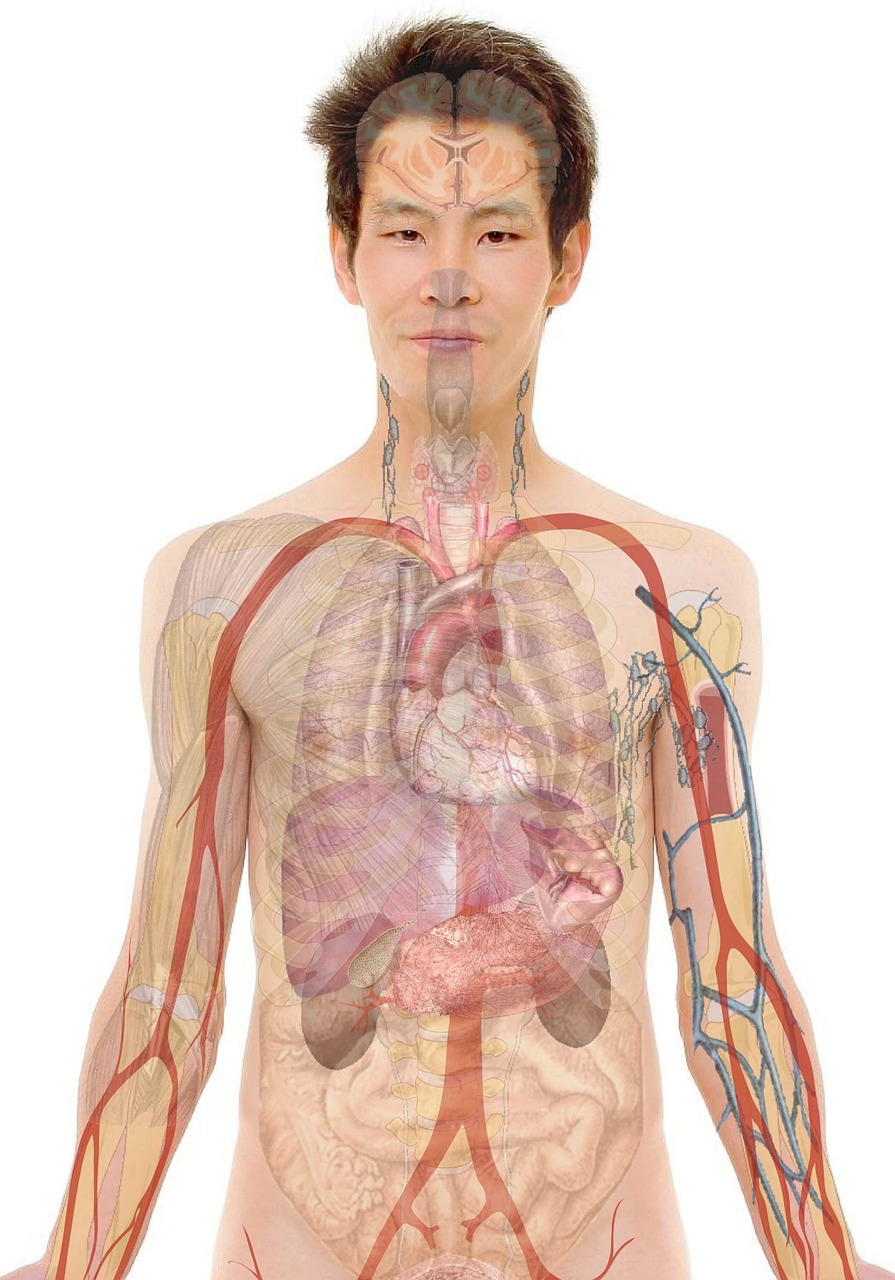
Quality Assurance in Hyperbaric Medicine involves the systematic monitoring and evaluation of processes and outcomes to ensure that the highest standards of care are maintained in hyperbaric oxygen therapy (HBOT) facilities. This quality assurance process is essential in healthcare settings to enhance patient safety, improve treatment outcomes, and optimize resource utilization.
Key Terms and Vocabulary:
1. Hyperbaric Oxygen Therapy (HBOT): A medical treatment that involves breathing 100% oxygen at pressures greater than sea level atmospheric pressure in a pressurized chamber. HBOT is used to treat various medical conditions, including decompression sickness, non-healing wounds, and carbon monoxide poisoning.
2. Quality Assurance (QA): A set of activities and processes designed to monitor, evaluate, and improve the quality of healthcare services. QA in hyperbaric medicine involves ensuring that HBOT facilities comply with established standards and guidelines to deliver safe and effective care to patients.
3. Accreditation: The process by which a healthcare facility is officially recognized as meeting specific quality and safety standards set by accrediting bodies. Accreditation demonstrates that the facility has met rigorous requirements for patient care, facility management, and clinical outcomes.
4. Hyperbaric Chamber: A sealed, pressurized enclosure in which patients receive HBOT. Hyperbaric chambers can be monoplace (designed for one patient) or multiplace (designed for multiple patients and medical staff).
5. Treatment Protocol: A standardized set of procedures and guidelines for delivering HBOT to patients. Treatment protocols outline the pressure, duration, and frequency of HBOT sessions based on the patient's condition and treatment goals.
6. Safety Protocols: Policies and procedures designed to ensure the safety of patients, staff, and visitors in hyperbaric facilities. Safety protocols include measures to prevent fires, monitor oxygen levels, and respond to medical emergencies during HBOT sessions.
7. Incident Reporting: The process of documenting and investigating adverse events, errors, or near-misses in hyperbaric medicine. Incident reporting helps identify system failures, improve processes, and prevent future patient harm.
8. Medical Director: A physician who oversees the medical operations of a hyperbaric medicine program. The medical director is responsible for developing treatment protocols, ensuring compliance with regulations, and supervising the clinical staff.
9. Hyperbaric Technologist: A healthcare professional trained to operate hyperbaric chambers, administer HBOT, and monitor patients during treatment. Hyperbaric technologists play a crucial role in delivering safe and effective care in hyperbaric facilities.
10. Performance Improvement: A continuous process of monitoring, analyzing, and improving the quality of care provided in hyperbaric medicine. Performance improvement activities aim to enhance patient outcomes, reduce risks, and optimize resource utilization.
11. Equipment Maintenance: The regular inspection, calibration, and repair of hyperbaric chambers, oxygen delivery systems, and monitoring devices. Proper equipment maintenance is essential to ensure the safety and efficacy of HBOT treatments.
12. Infection Control: Practices and protocols aimed at preventing the spread of infections in hyperbaric facilities. Infection control measures include hand hygiene, sterilization of equipment, and environmental cleaning to protect patients and staff from healthcare-associated infections.
13. Patient Education: The process of providing information to patients about their HBOT treatment, including potential risks, benefits, and expectations. Patient education helps improve treatment adherence, satisfaction, and outcomes.
14. Continuous Quality Improvement (CQI): An ongoing process of monitoring, analyzing, and improving the quality of care in hyperbaric medicine. CQI involves identifying opportunities for improvement, implementing changes, and evaluating the impact on patient care.
15. Risk Management: The process of identifying, assessing, and mitigating risks in hyperbaric medicine to prevent adverse events and ensure patient safety. Risk management strategies include conducting risk assessments, implementing safety protocols, and monitoring outcomes.
16. Documentation: The systematic recording of patient information, treatment plans, and outcomes in the medical record. Accurate and comprehensive documentation is essential for communication, continuity of care, and legal compliance in hyperbaric medicine.
17. Peer Review: A process in which healthcare professionals evaluate the quality of care provided by their peers in hyperbaric medicine. Peer review helps identify opportunities for improvement, share best practices, and maintain professional standards.
18. Benchmarking: The process of comparing performance data, outcomes, and processes in hyperbaric medicine against established benchmarks or best practices. Benchmarking helps identify areas for improvement, set goals, and track progress over time.
19. Root Cause Analysis: A systematic method for identifying the underlying causes of adverse events or errors in hyperbaric medicine. Root cause analysis aims to prevent recurrence by addressing the root causes of problems rather than just the symptoms.
20. Compliance: The adherence to laws, regulations, and standards governing hyperbaric medicine. Compliance with regulatory requirements ensures patient safety, quality of care, and legal protection for healthcare providers.
By familiarizing yourself with these key terms and vocabulary related to Quality Assurance in Hyperbaric Medicine, you can better understand the essential concepts, processes, and challenges involved in maintaining high standards of care in HBOT facilities. Remember that quality assurance is a continuous effort that requires collaboration, dedication, and a commitment to excellence in hyperbaric medicine.
Key takeaways
- Quality Assurance in Hyperbaric Medicine involves the systematic monitoring and evaluation of processes and outcomes to ensure that the highest standards of care are maintained in hyperbaric oxygen therapy (HBOT) facilities.
- Hyperbaric Oxygen Therapy (HBOT): A medical treatment that involves breathing 100% oxygen at pressures greater than sea level atmospheric pressure in a pressurized chamber.
- QA in hyperbaric medicine involves ensuring that HBOT facilities comply with established standards and guidelines to deliver safe and effective care to patients.
- Accreditation: The process by which a healthcare facility is officially recognized as meeting specific quality and safety standards set by accrediting bodies.
- Hyperbaric chambers can be monoplace (designed for one patient) or multiplace (designed for multiple patients and medical staff).
- Treatment protocols outline the pressure, duration, and frequency of HBOT sessions based on the patient's condition and treatment goals.
- Safety protocols include measures to prevent fires, monitor oxygen levels, and respond to medical emergencies during HBOT sessions.