
Anatomy and Physiology for Dance Fitness
Anatomy and Physiology for Dance Fitness:
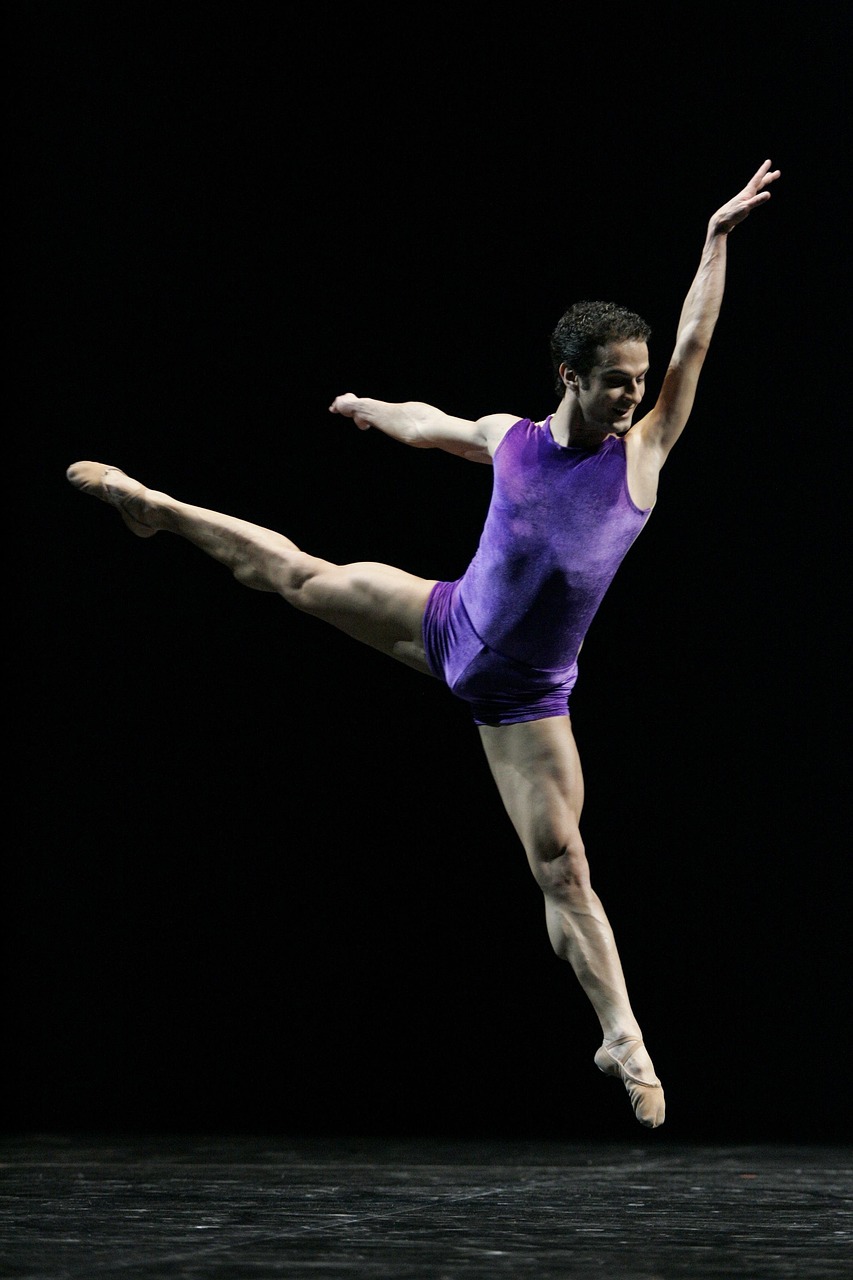
Anatomy and Physiology for Dance Fitness:
**Anatomy**:
Anatomy is the study of the structure of living organisms. In the context of dance fitness, understanding anatomy is crucial as it helps dancers and fitness enthusiasts to move efficiently, prevent injuries, and improve performance. Here are some key terms related to anatomy in dance fitness:
1. **Skeletal System**: - The skeletal system is composed of bones, which provide structure and support to the body. In dance fitness, having a strong skeletal system is essential for executing movements with precision and control.
2. **Muscular System**: - The muscular system consists of muscles that work together to facilitate movement. Strong and flexible muscles are important in dance fitness to enhance agility, power, and endurance.
3. **Joints**: - Joints are the points where bones meet and allow for movement. Understanding the different types of joints, such as ball-and-socket joints (e.g., hips) and hinge joints (e.g., knees), is crucial for executing various dance movements safely.
4. **Muscle Groups**: - Different muscle groups work together to perform specific movements in dance fitness. For example, the core muscles (abdominals, obliques, and lower back) play a key role in maintaining balance and stability during dance routines.
5. **Flexibility**: - Flexibility refers to the range of motion in a joint or group of joints. Improving flexibility through stretching exercises is important in dance fitness to prevent injuries and enhance performance.
6. **Posture**: - Posture refers to the alignment of the body parts in relation to each other. Maintaining good posture is crucial in dance fitness to optimize movement efficiency and reduce the risk of musculoskeletal issues.
7. **Balance**: - Balance is the ability to maintain control of the body's position. Developing balance through specific exercises and movements is essential for dancers to execute challenging choreography with grace and precision.
**Physiology**:
Physiology is the study of how living organisms function. In dance fitness, understanding physiological processes can help dancers and fitness enthusiasts optimize their performance and achieve their fitness goals. Here are some key terms related to physiology in dance fitness:
1. **Cardiovascular System**: - The cardiovascular system is responsible for circulating blood and oxygen throughout the body. Improving cardiovascular fitness through activities like dance cardio can enhance endurance and overall performance.
2. **Respiratory System**: - The respiratory system is responsible for breathing and supplying oxygen to the body. Proper breathing techniques are essential in dance fitness to support aerobic activities and prevent fatigue.
3. **Energy Systems**: - The body relies on different energy systems (e.g., aerobic and anaerobic) to produce energy for physical activity. Understanding how these energy systems work can help dancers optimize their training and performance.
4. **Metabolism**: - Metabolism refers to the chemical processes that occur in the body to maintain life. A faster metabolism can help dancers burn calories more efficiently and maintain a healthy weight.
5. **Muscle Contraction**: - Muscle contraction is the process by which muscles generate force to produce movement. Understanding how muscles contract can help dancers improve their strength and coordination in dance fitness routines.
6. **Recovery**: - Recovery is the process by which the body repairs and adapts to the stress of exercise. Incorporating proper rest, hydration, and nutrition into a dance fitness regimen is essential for optimizing recovery and preventing overtraining.
7. **Endorphins**: - Endorphins are chemicals produced by the brain that act as natural painkillers and mood enhancers. Engaging in dance fitness can stimulate endorphin release, leading to feelings of euphoria and reduced stress.
**Key Terms and Vocabulary**:
1. **Alignment**: - Alignment refers to the correct positioning of the body parts in relation to each other. Maintaining proper alignment is important in dance fitness to prevent injuries and optimize movement efficiency.
2. **Engagement**: - Engagement refers to the activation of specific muscles during movement. Focusing on muscle engagement can help dancers improve their strength, coordination, and performance in dance fitness routines.
3. **Core Strength**: - Core strength refers to the strength and stability of the muscles in the abdomen, lower back, and pelvis. Developing core strength is essential for maintaining good posture, balance, and control in dance fitness.
4. **Range of Motion**: - Range of motion refers to the distance and direction a joint can move. Improving range of motion through stretching exercises can help dancers perform movements with greater fluidity and ease.
5. **Plyometrics**: - Plyometrics are explosive exercises that involve rapid stretching and contracting of muscles. Incorporating plyometric movements into a dance fitness routine can improve power, agility, and coordination.
6. **Cross-Training**: - Cross-training involves participating in a variety of activities to improve overall fitness and prevent overuse injuries. Dancers can benefit from cross-training by incorporating activities like strength training, yoga, and Pilates into their routine.
7. **Hydration**: - Hydration refers to maintaining adequate fluid levels in the body. Staying hydrated is crucial in dance fitness to support performance, prevent fatigue, and aid in recovery.
8. **Nutrition**: - Nutrition plays a key role in fueling the body for physical activity and supporting overall health. Eating a balanced diet rich in nutrients can help dancers optimize their performance and recovery in dance fitness.
9. **Dynamic Stretching**: - Dynamic stretching involves moving the body through a full range of motion to prepare the muscles for activity. Incorporating dynamic stretching into a warm-up can improve flexibility, circulation, and performance in dance fitness.
10. **Static Stretching**: - Static stretching involves holding a stretch in a fixed position for a period of time. Performing static stretches after a dance fitness workout can help improve flexibility, reduce muscle tension, and promote relaxation.
**Practical Applications**:
1. **Warm-Up**: - Before starting a dance fitness workout, it is important to warm up the body with dynamic stretches and movements. This helps increase blood flow to the muscles, improve flexibility, and prepare the body for more intense activity.
2. **Cool Down**: - After completing a dance fitness routine, it is essential to cool down with static stretches and gentle movements. This helps reduce muscle soreness, improve flexibility, and promote relaxation.
3. **Progressive Overload**: - To continue improving in dance fitness, it is important to incorporate progressive overload into training. This involves gradually increasing the intensity, duration, or frequency of workouts to challenge the body and stimulate adaptation.
4. **Rest and Recovery**: - Giving the body adequate rest and recovery time is crucial in preventing overtraining and injuries. It is important to listen to the body's signals and incorporate rest days into a dance fitness regimen.
5. **Cross-Training**: - Incorporating cross-training activities like strength training, yoga, or Pilates can help dancers improve their overall fitness, prevent muscle imbalances, and reduce the risk of overuse injuries.
**Challenges**:
1. **Injury Prevention**: - One of the challenges in dance fitness is preventing injuries due to the repetitive nature of certain movements. Proper technique, alignment, and conditioning can help reduce the risk of injuries in dance fitness.
2. **Plateaus**: - Dancers may experience plateaus in their progress where they no longer see improvements in strength, flexibility, or performance. Changing up routines, setting new goals, and seeking guidance from a fitness professional can help overcome plateaus.
3. **Nutrition**: - Maintaining a balanced diet that meets the nutritional needs of a dancer can be challenging, especially with busy schedules and dietary restrictions. Working with a nutritionist or dietitian can help dancers optimize their nutrition for performance and recovery.
4. **Motivation**: - Staying motivated to consistently engage in dance fitness can be a challenge, especially when faced with obstacles or setbacks. Setting realistic goals, tracking progress, and finding enjoyment in the process can help maintain motivation in dance fitness.
5. **Adaptation**: - The body adapts to the demands placed on it, which can lead to a decrease in the effectiveness of certain workouts over time. Incorporating variety, progression, and recovery into a dance fitness routine can help prevent adaptation and continue seeing results.
By understanding the key terms and concepts in anatomy and physiology for dance fitness, dancers and fitness enthusiasts can enhance their performance, prevent injuries, and achieve their fitness goals effectively. Incorporating proper alignment, engagement, core strength, range of motion, and other principles into a dance fitness routine can lead to improved strength, flexibility, endurance, and overall well-being.
Key takeaways
- In the context of dance fitness, understanding anatomy is crucial as it helps dancers and fitness enthusiasts to move efficiently, prevent injuries, and improve performance.
- **Skeletal System**: - The skeletal system is composed of bones, which provide structure and support to the body.
- **Muscular System**: - The muscular system consists of muscles that work together to facilitate movement.
- **Joints**: - Joints are the points where bones meet and allow for movement.
- For example, the core muscles (abdominals, obliques, and lower back) play a key role in maintaining balance and stability during dance routines.
- Improving flexibility through stretching exercises is important in dance fitness to prevent injuries and enhance performance.
- Maintaining good posture is crucial in dance fitness to optimize movement efficiency and reduce the risk of musculoskeletal issues.