
Safety and Injury Prevention in Dance Fitness
Safety and Injury Prevention in Dance Fitness
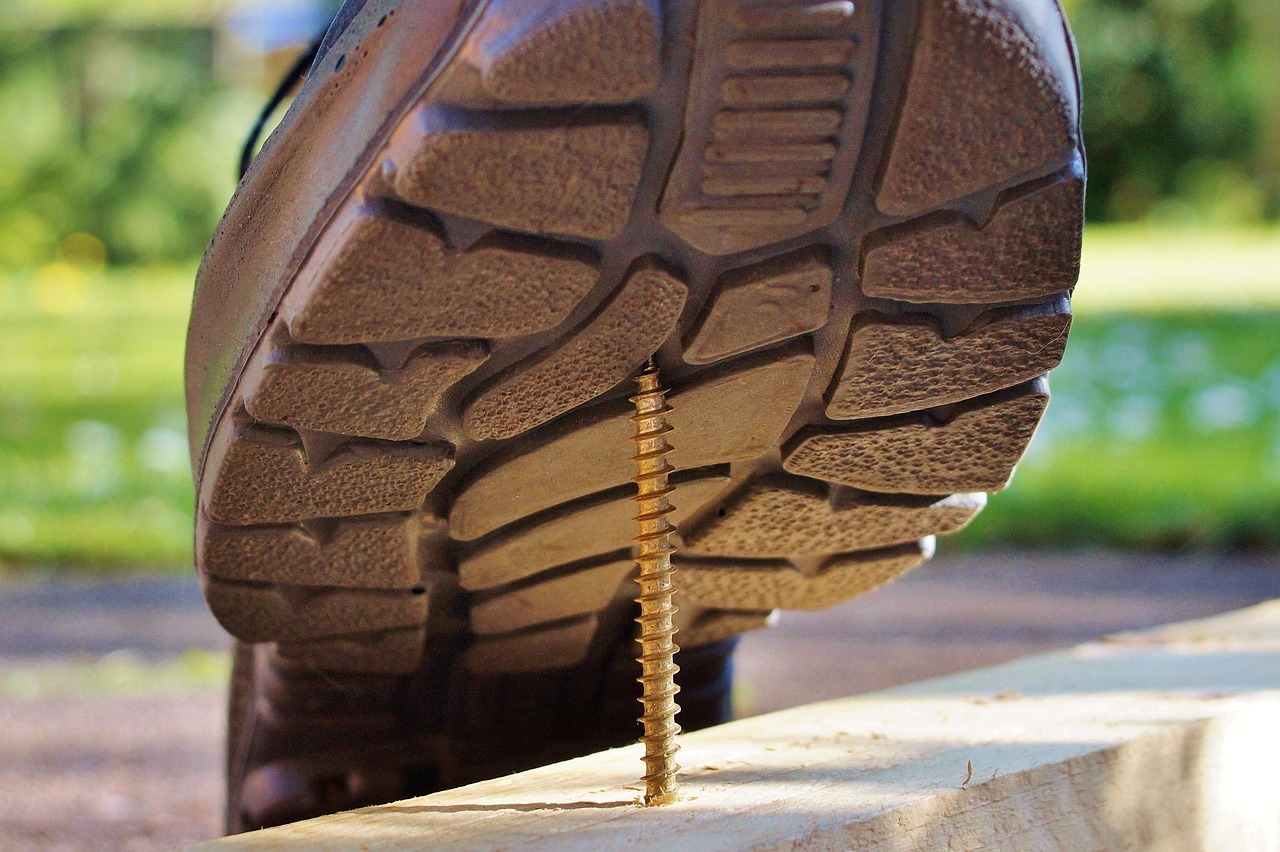
Safety and Injury Prevention in Dance Fitness
Dance fitness is a popular form of exercise that combines the benefits of dancing with the cardiovascular workout of a fitness class. While dance fitness can be a fun and effective way to stay in shape, it is essential to prioritize safety and injury prevention to ensure a positive and healthy experience for participants. This course will cover key terms and vocabulary related to safety and injury prevention in dance fitness.
Anatomy
Understanding the anatomy of the human body is crucial for preventing injuries in dance fitness. Knowledge of the musculoskeletal system, including muscles, bones, joints, ligaments, and tendons, can help instructors design safe and effective workouts. For example, knowing which muscles are involved in specific dance movements can help prevent overuse injuries.
Alignment
Alignment refers to the proper positioning of the body during exercise. In dance fitness, alignment is essential for preventing injuries and maximizing performance. Poor alignment can lead to muscle imbalances, joint pain, and increased risk of injury. Instructors should emphasize proper alignment in all movements to ensure participants are using correct form.
Warm-up
A warm-up is a crucial component of any exercise routine, including dance fitness. A proper warm-up helps increase blood flow to the muscles, improve flexibility, and prepare the body for more intense activity. Instructors should include dynamic stretches, mobility exercises, and cardiovascular movements in the warm-up to prevent injuries during the workout.
Cool-down
Just as important as the warm-up, a cool-down is essential for safely ending a dance fitness class. A cool-down helps reduce heart rate, prevent muscle soreness, and promote flexibility. Instructors should include static stretches, breathing exercises, and relaxation techniques in the cool-down to help participants recover from the workout.
Core Strength
Core strength is vital for stability, balance, and injury prevention in dance fitness. The core muscles, including the abdominals, obliques, and lower back, help support the spine and pelvis during movement. Instructors should incorporate exercises that target the core muscles to improve posture, alignment, and overall performance.
Flexibility
Flexibility is the range of motion in a joint or group of joints. In dance fitness, flexibility is essential for performing movements with ease and preventing injuries. Instructors should include stretching exercises, such as static, dynamic, and proprioceptive neuromuscular facilitation (PNF) stretches, to improve flexibility and reduce the risk of muscle strains.
Strength Training
Strength training is an important component of dance fitness for building muscle, increasing metabolism, and improving performance. Instructors should incorporate exercises that target major muscle groups, such as squats, lunges, push-ups, and planks, to enhance overall strength and endurance. Proper form and technique are crucial to prevent injuries during strength training.
Cardiovascular Fitness
Cardiovascular fitness is the ability of the heart, lungs, and blood vessels to deliver oxygen to the muscles during exercise. In dance fitness, cardiovascular fitness is essential for improving endurance, burning calories, and boosting overall health. Instructors should include high-intensity intervals, aerobic dance routines, and plyometric exercises to challenge the cardiovascular system.
Progressions and Modifications
Progressions and modifications are strategies used to adjust the difficulty of exercises to meet the needs of participants with varying fitness levels and abilities. Instructors should provide progressions to challenge advanced participants and modifications to accommodate beginners or individuals with injuries. By offering options for different skill levels, instructors can ensure a safe and inclusive environment for all participants.
Cueing
Cueing is the verbal and non-verbal communication used by instructors to guide participants through movements during a dance fitness class. Clear and concise cueing helps participants understand proper form, alignment, and timing. Instructors should use visual demonstrations, tactile cues, and motivational phrases to enhance the overall experience and prevent injuries.
Spatial Awareness
Spatial awareness is the ability to understand and navigate the space around you during movement. In dance fitness, spatial awareness is crucial for avoiding collisions, maintaining proper alignment, and executing choreography accurately. Instructors should emphasize spatial awareness by cueing participants to be mindful of their surroundings and encouraging them to move safely within the designated area.
Risk Management
Risk management involves identifying, assessing, and mitigating potential risks in a dance fitness class to ensure the safety of participants. Instructors should conduct regular safety inspections of the workout space, equipment, and props to prevent accidents. Additionally, instructors should be prepared to respond quickly and effectively to emergencies, such as injuries or medical incidents, by having a clear action plan in place.
Hydration
Proper hydration is crucial for maintaining performance, preventing dehydration, and promoting overall health in dance fitness. Participants should drink water before, during, and after a workout to stay hydrated and replenish fluids lost through sweat. Instructors should remind participants to bring a water bottle to class and take regular water breaks to prevent dehydration and overheating.
Rest and Recovery
Rest and recovery are essential components of a well-rounded exercise program, including dance fitness. Adequate rest allows the body to repair muscle tissue, replenish energy stores, and prevent overtraining. Instructors should encourage participants to listen to their bodies, prioritize sleep, and incorporate rest days into their weekly schedule to avoid burnout and reduce the risk of injuries.
Injury Prevention
Injury prevention involves taking proactive measures to reduce the risk of injuries during exercise. In dance fitness, injury prevention strategies include proper warm-up and cool-down, alignment cues, gradual progressions, modifications, and rest periods. Instructors should educate participants on common injuries, such as sprains, strains, and overuse injuries, and provide guidance on how to prevent them through proper technique and self-care practices.
Self-Care
Self-care refers to practices that promote physical, mental, and emotional well-being. In dance fitness, self-care is essential for preventing injuries, reducing stress, and enhancing performance. Participants should prioritize self-care activities, such as stretching, foam rolling, meditation, and massage, to support recovery, reduce muscle tension, and improve overall health.
Professional Development
Professional development involves continuing education and skill-building to enhance the knowledge and expertise of dance fitness instructors. Instructors should stay current on industry trends, research, and best practices to deliver safe and effective classes. By attending workshops, conferences, and certifications, instructors can expand their repertoire, refine their teaching skills, and provide a high-quality experience for participants.
Challenges
Challenges are obstacles or difficulties that instructors may encounter when teaching dance fitness. Common challenges include managing large class sizes, accommodating participants with different fitness levels, and adapting to diverse learning styles. Instructors should be prepared to address challenges by using effective communication, creativity, and adaptability to create a positive and inclusive environment for all participants.
Feedback
Feedback is information provided to instructors about their teaching methods, class structure, and participant experience. Constructive feedback helps instructors identify areas for improvement, refine their skills, and enhance the overall quality of their classes. Instructors should welcome feedback from participants, colleagues, and supervisors to continually grow and evolve as dance fitness professionals.
Community Engagement
Community engagement involves building relationships with participants, colleagues, and the broader dance fitness community to foster a sense of belonging and support. Instructors should create a welcoming and inclusive environment where participants feel valued, respected, and motivated to achieve their fitness goals. By engaging with the community, instructors can cultivate a loyal following, promote positive word-of-mouth, and contribute to the overall success of their dance fitness program.
Conclusion
In conclusion, safety and injury prevention are paramount in dance fitness to ensure a positive and rewarding experience for participants. By understanding key terms and vocabulary related to anatomy, alignment, warm-up, cool-down, core strength, flexibility, strength training, cardiovascular fitness, progressions, modifications, cueing, spatial awareness, risk management, hydration, rest and recovery, injury prevention, self-care, professional development, challenges, feedback, and community engagement, instructors can create a safe and supportive environment that promotes health, wellness, and success in dance fitness. Remember to prioritize safety, listen to your body, and enjoy the journey of dance fitness!
Key takeaways
- While dance fitness can be a fun and effective way to stay in shape, it is essential to prioritize safety and injury prevention to ensure a positive and healthy experience for participants.
- Knowledge of the musculoskeletal system, including muscles, bones, joints, ligaments, and tendons, can help instructors design safe and effective workouts.
- Instructors should emphasize proper alignment in all movements to ensure participants are using correct form.
- Instructors should include dynamic stretches, mobility exercises, and cardiovascular movements in the warm-up to prevent injuries during the workout.
- Instructors should include static stretches, breathing exercises, and relaxation techniques in the cool-down to help participants recover from the workout.
- Instructors should incorporate exercises that target the core muscles to improve posture, alignment, and overall performance.
- Instructors should include stretching exercises, such as static, dynamic, and proprioceptive neuromuscular facilitation (PNF) stretches, to improve flexibility and reduce the risk of muscle strains.