
Robotics and Automation in Agriculture
Robotics and Automation in Agriculture are revolutionizing the way farming is done by incorporating cutting-edge technologies to increase efficiency, productivity, and sustainability. In this Executive Certificate in Agricultural Robots and…
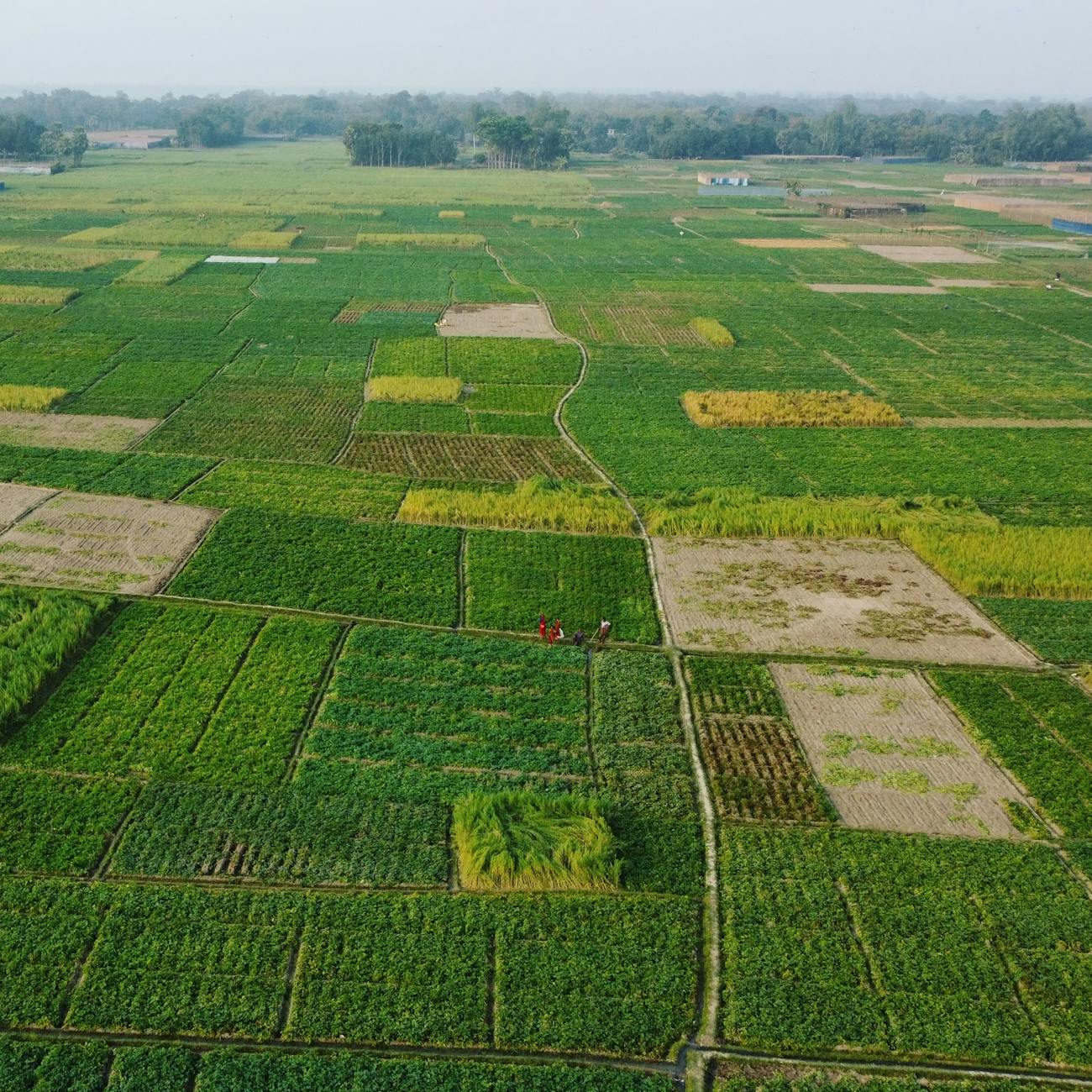
Robotics and Automation in Agriculture are revolutionizing the way farming is done by incorporating cutting-edge technologies to increase efficiency, productivity, and sustainability. In this Executive Certificate in Agricultural Robots and AI, we will explore key concepts and vocabulary essential for understanding the role of robots and automation in modern agriculture.
Robotics refers to the design, construction, operation, and use of robots to perform tasks traditionally done by humans. Robots in agriculture can range from autonomous vehicles for planting and harvesting to drones for crop monitoring and spraying.
Automation involves the use of technology to control and monitor agricultural processes without human intervention. Automation systems can include sensors, actuators, and control systems to optimize farming operations.
Artificial Intelligence (AI) is the simulation of human intelligence processes by machines, especially computer systems. AI algorithms can be used in agriculture to analyze data, make decisions, and improve overall efficiency.
Machine Learning is a subset of AI that enables machines to learn from data without being explicitly programmed. In agriculture, machine learning algorithms can be used to predict crop yields, detect diseases, and optimize resource usage.
Internet of Things (IoT) refers to the network of physical devices embedded with sensors, software, and connectivity to exchange data. In agriculture, IoT technology can be used to monitor soil moisture, temperature, and other environmental factors in real-time.
Autonomous Vehicles are self-driving machines that can perform tasks without human intervention. In agriculture, autonomous vehicles such as tractors and drones can plant seeds, apply fertilizers, and harvest crops with precision and efficiency.
Computer Vision is a field of AI that enables machines to interpret and understand visual information from the environment. In agriculture, computer vision technology can be used to identify weeds, pests, and diseases in crops for targeted treatment.
Robot Swarms are groups of robots that work together collaboratively to achieve a common goal. In agriculture, robot swarms can be used to cover large fields efficiently for tasks like planting, weeding, and harvesting.
Remote Sensing involves collecting data from a distance using sensors mounted on drones or satellites. Remote sensing technology in agriculture can provide valuable insights into crop health, soil conditions, and water management.
Precision Agriculture is a farming approach that uses technology to optimize inputs and maximize outputs on a field-by-field basis. Robotics and automation play a critical role in precision agriculture by enabling farmers to make data-driven decisions for better crop management.
Variable Rate Technology (VRT) allows farmers to apply inputs such as fertilizers, pesticides, and irrigation at variable rates based on real-time data. VRT systems leverage robotics and automation to optimize resource usage and reduce environmental impact.
Deep Learning is a subset of machine learning that uses artificial neural networks to learn complex patterns and make predictions. In agriculture, deep learning algorithms can be used for image recognition, yield forecasting, and plant disease diagnosis.
Bio-inspired Robotics draws inspiration from nature to design robots that mimic the behavior and capabilities of living organisms. In agriculture, bio-inspired robots can navigate complex environments, pollinate crops, and mimic the dexterity of human hands for delicate tasks.
Robotics Ethical Considerations involve addressing ethical issues related to the use of robots in agriculture, such as data privacy, job displacement, and environmental impact. It is essential to consider ethical implications when deploying robotics and automation systems on farms.
Challenges of Robotics and Automation in Agriculture include high initial costs, technical complexity, regulatory barriers, and resistance to adoption. Overcoming these challenges requires collaboration among farmers, researchers, policymakers, and technology providers to ensure the successful integration of robots and automation in agriculture.
Future Trends in Robotics and Automation in Agriculture include advancements in AI, robotics, and sensor technologies to further enhance farm efficiency, sustainability, and productivity. As technology continues to evolve, the future of agriculture will be shaped by innovative solutions that leverage robotics and automation to meet the growing demand for food worldwide.
In conclusion, the Executive Certificate in Agricultural Robots and AI will provide you with a comprehensive understanding of key terms and concepts related to robotics and automation in agriculture. By exploring these topics in-depth, you will be equipped with the knowledge and skills needed to harness the power of technology for sustainable and efficient farming practices.
Key takeaways
- Robotics and Automation in Agriculture are revolutionizing the way farming is done by incorporating cutting-edge technologies to increase efficiency, productivity, and sustainability.
- Robots in agriculture can range from autonomous vehicles for planting and harvesting to drones for crop monitoring and spraying.
- Automation involves the use of technology to control and monitor agricultural processes without human intervention.
- Artificial Intelligence (AI) is the simulation of human intelligence processes by machines, especially computer systems.
- In agriculture, machine learning algorithms can be used to predict crop yields, detect diseases, and optimize resource usage.
- Internet of Things (IoT) refers to the network of physical devices embedded with sensors, software, and connectivity to exchange data.
- In agriculture, autonomous vehicles such as tractors and drones can plant seeds, apply fertilizers, and harvest crops with precision and efficiency.