
Autonomous Vehicles in Agriculture
Autonomous Vehicles in Agriculture Key Terms and Vocabulary:
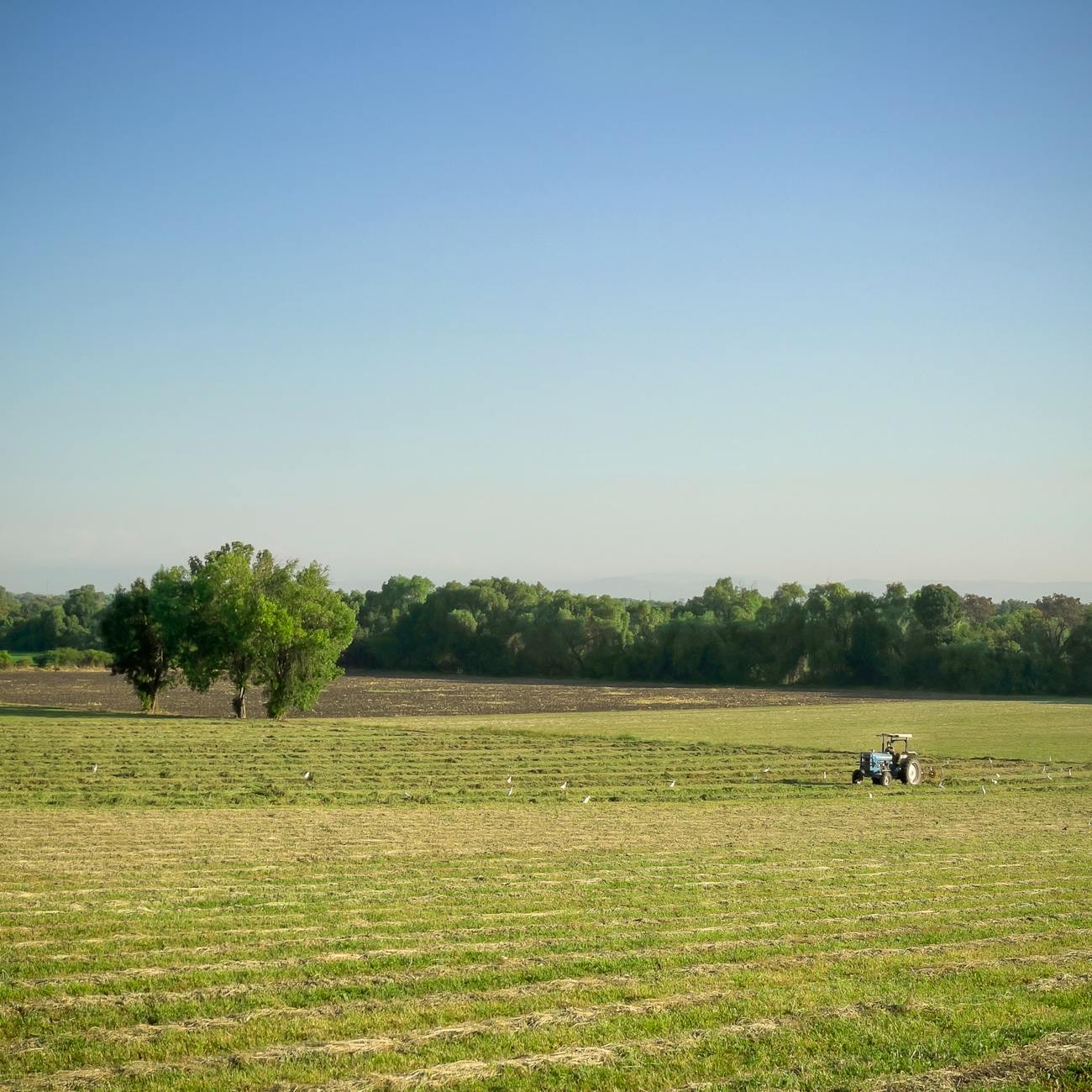
Autonomous Vehicles in Agriculture Key Terms and Vocabulary:
Autonomous Vehicles: Autonomous vehicles, also known as driverless vehicles or self-driving cars, are vehicles capable of navigating and operating without human input or control. They rely on a combination of sensors, cameras, radar, lidar, GPS, and artificial intelligence to perceive their surroundings and make decisions.
Artificial Intelligence (AI): Artificial intelligence refers to the simulation of human intelligence processes by machines, particularly computer systems. In autonomous vehicles, AI plays a crucial role in enabling the vehicle to interpret sensory data, make decisions, and navigate its environment.
Machine Learning: Machine learning is a subset of artificial intelligence that focuses on developing algorithms that can learn and improve from experience without being explicitly programmed. In autonomous vehicles, machine learning algorithms are used to analyze data and optimize vehicle performance.
Computer Vision: Computer vision is a field of artificial intelligence that enables computers to interpret and understand visual information from the real world. In autonomous vehicles, computer vision algorithms are used to identify objects, pedestrians, and obstacles on the road.
LiDAR (Light Detection and Ranging): LiDAR is a remote sensing technology that uses light in the form of a pulsed laser to measure distances to objects. In autonomous vehicles, LiDAR sensors are used to create high-resolution 3D maps of the surroundings, allowing the vehicle to navigate safely.
GPS (Global Positioning System): GPS is a satellite-based navigation system that provides location and time information to GPS receivers anywhere on Earth. Autonomous vehicles use GPS to determine their position and navigate to their destination accurately.
Precision Agriculture: Precision agriculture is a farming management concept that uses technology to optimize inputs and maximize yields. Autonomous vehicles in agriculture play a key role in precision agriculture by enabling farmers to automate tasks such as planting, spraying, and harvesting.
Crop Monitoring: Crop monitoring involves using sensors and drones to collect data on crop health, growth, and yield. Autonomous vehicles equipped with sensors and cameras can monitor crops in real-time, allowing farmers to make informed decisions about irrigation, fertilization, and pest control.
Weed Control: Weed control is a critical aspect of agriculture that involves managing unwanted plants that compete with crops for nutrients, water, and sunlight. Autonomous vehicles can be equipped with robotic arms and advanced imaging systems to detect and remove weeds without the need for herbicides.
Harvesting: Harvesting is the process of gathering mature crops from the field. Autonomous vehicles in agriculture can be used for automated harvesting tasks, such as picking fruits, vegetables, and grains, with precision and efficiency.
Soil Sampling: Soil sampling is the process of collecting soil samples to analyze nutrient levels, pH, and other soil properties. Autonomous vehicles equipped with soil sampling tools can collect samples from different locations in the field, providing valuable data for soil management decisions.
Yield Mapping: Yield mapping involves using sensors to measure and record crop yields in different parts of the field. Autonomous vehicles can create yield maps that show variations in crop productivity, helping farmers identify areas for improvement and optimize inputs.
Challenges of Autonomous Vehicles in Agriculture: Despite the many benefits of autonomous vehicles in agriculture, there are several challenges that need to be addressed for widespread adoption:
1. Cost: The initial cost of autonomous vehicles and related technology can be prohibitive for small and medium-sized farms. However, as technology advances and economies of scale improve, the cost is expected to decrease.
2. Data Privacy and Security: Autonomous vehicles collect a vast amount of data on crop health, soil conditions, and farm operations. Ensuring data privacy and security is essential to protect sensitive information from unauthorized access or misuse.
3. Regulatory and Legal Issues: Regulatory frameworks for autonomous vehicles in agriculture are still evolving, with issues related to liability, insurance, and safety standards needing to be addressed. Clear regulations are necessary to ensure the safe and responsible use of autonomous vehicles.
4. Integration with Existing Farming Practices: Integrating autonomous vehicles into existing farming practices can be challenging, especially for farmers who are used to traditional methods. Education and training are essential to help farmers adapt to new technology and maximize its benefits.
5. Limited Adaptability: Autonomous vehicles may not be suitable for all types of crops or farming environments. Certain crops, such as vineyards or orchards with complex layouts, may present challenges for autonomous navigation and operation.
Applications of Autonomous Vehicles in Agriculture: Despite the challenges, autonomous vehicles have the potential to revolutionize agriculture and offer a range of practical applications:
1. Precision Farming: Autonomous vehicles enable farmers to optimize inputs, reduce waste, and increase yields through precise planting, spraying, and harvesting. By using data-driven insights, farmers can make informed decisions to improve productivity and sustainability.
2. Labor Savings: Automating repetitive and labor-intensive tasks with autonomous vehicles can help farmers save time and reduce labor costs. This allows farmers to focus on higher-value activities, such as crop management and decision-making.
3. Environmental Benefits: Autonomous vehicles in agriculture can help reduce the use of chemicals, water, and fuel through targeted applications and optimized operations. By minimizing inputs and environmental impact, farmers can promote sustainable farming practices.
4. Increased Efficiency: Autonomous vehicles can operate 24/7 without fatigue or breaks, significantly increasing operational efficiency and productivity. With faster and more accurate task execution, farmers can achieve higher throughput and better resource utilization.
5. Data-Driven Insights: Autonomous vehicles generate a wealth of data on crop health, field conditions, and performance metrics. By analyzing this data, farmers can gain valuable insights into crop management, optimize production practices, and enhance overall farm profitability.
In conclusion, autonomous vehicles in agriculture represent a transformative technology that has the potential to revolutionize farming practices and improve productivity, sustainability, and profitability. By leveraging artificial intelligence, machine learning, and advanced sensors, autonomous vehicles can automate tasks, optimize inputs, and provide valuable insights for informed decision-making. Despite challenges such as cost, data privacy, and regulatory issues, the benefits of autonomous vehicles in agriculture are substantial, offering precision farming, labor savings, environmental benefits, increased efficiency, and data-driven insights for farmers worldwide. As technology continues to advance and adoption increases, autonomous vehicles are poised to play a crucial role in the future of agriculture, shaping the way we grow, harvest, and manage crops for years to come.
Key takeaways
- Autonomous Vehicles: Autonomous vehicles, also known as driverless vehicles or self-driving cars, are vehicles capable of navigating and operating without human input or control.
- Artificial Intelligence (AI): Artificial intelligence refers to the simulation of human intelligence processes by machines, particularly computer systems.
- Machine Learning: Machine learning is a subset of artificial intelligence that focuses on developing algorithms that can learn and improve from experience without being explicitly programmed.
- Computer Vision: Computer vision is a field of artificial intelligence that enables computers to interpret and understand visual information from the real world.
- LiDAR (Light Detection and Ranging): LiDAR is a remote sensing technology that uses light in the form of a pulsed laser to measure distances to objects.
- GPS (Global Positioning System): GPS is a satellite-based navigation system that provides location and time information to GPS receivers anywhere on Earth.
- Autonomous vehicles in agriculture play a key role in precision agriculture by enabling farmers to automate tasks such as planting, spraying, and harvesting.