
Automated Storage and Retrieval Systems
An Automated Storage and Retrieval System (AS/RS) is a computer-controlled system that automatically places and retrieves loads from defined storage locations within a warehouse. This system is designed to optimize storage capacity, improve…
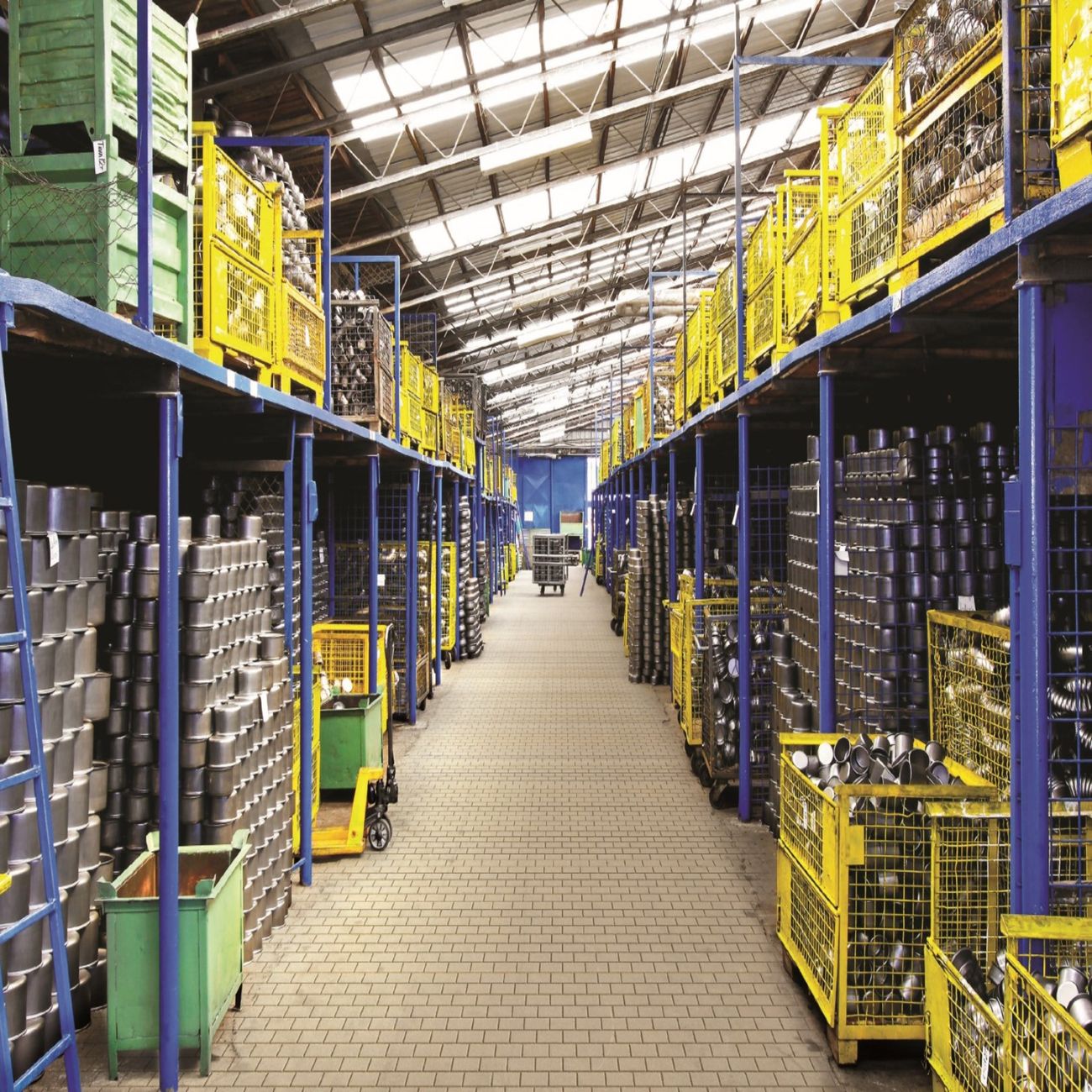
An Automated Storage and Retrieval System (AS/RS) is a computer-controlled system that automatically places and retrieves loads from defined storage locations within a warehouse. This system is designed to optimize storage capacity, improve efficiency, and reduce labor costs in warehouse operations. Understanding key terms and vocabulary associated with AS/RS is essential for professionals working in warehouse automation technology. Let's explore these terms in detail:
### 1. Automated Storage and Retrieval System (AS/RS) An AS/RS is a sophisticated system that uses a combination of equipment such as conveyors, shuttles, cranes, and robotic arms to automatically store and retrieve goods in a warehouse. These systems are commonly used in high-density storage facilities to maximize space utilization and enhance operational efficiency.
### 2. Storage and Retrieval Storage refers to the process of placing goods in designated locations within the warehouse, while retrieval involves the task of retrieving goods from their storage locations when needed. AS/RS systems automate these processes to streamline warehouse operations and minimize manual labor.
### 3. Shuttle System A shuttle system is a key component of AS/RS that uses shuttle robots to transport goods within the storage system. These shuttles move vertically and horizontally to access storage locations and retrieve items efficiently.
### 4. Carousel System A carousel system is a type of AS/RS that consists of rotating shelves or bins that bring goods to the operator for picking. The carousel rotates to present the required item to the operator, reducing picking time and improving order fulfillment speed.
### 5. Robotics Robotics plays a crucial role in AS/RS by automating various tasks such as picking, packing, and transporting goods within the warehouse. Robotic arms, autonomous mobile robots (AMRs), and automated guided vehicles (AGVs) are commonly used in AS/RS for efficient material handling.
### 6. Goods-to-Person The goods-to-person concept in AS/RS involves bringing goods directly to the operator for picking, eliminating the need for workers to travel to different storage locations. This approach improves picking efficiency and reduces labor costs in warehouse operations.
### 7. Automated Guided Vehicles (AGVs) AGVs are mobile robots equipped with navigation systems that enable them to move autonomously within the warehouse. These vehicles transport goods between storage locations, workstations, and shipping areas, enhancing material flow and operational efficiency.
### 8. Inventory Management Inventory management is a critical aspect of AS/RS that involves tracking, organizing, and controlling inventory levels within the warehouse. AS/RS systems integrate with inventory management software to enable real-time monitoring of stock levels and facilitate accurate order fulfillment.
### 9. Warehouse Control System (WCS) A WCS is a software system that controls and coordinates the operation of various equipment in an AS/RS. This system manages tasks such as storage, retrieval, picking, and replenishment, ensuring seamless integration of all components within the warehouse.
### 10. Pick-to-Light Pick-to-light is a picking technology used in AS/RS that uses light displays to guide operators to the correct storage locations for picking items. This system improves picking accuracy, reduces errors, and enhances order fulfillment speed in the warehouse.
### 11. Sortation System A sortation system is a component of AS/RS that automatically sorts and routes items to their designated locations within the warehouse. This system uses conveyors, diverters, and sensors to classify and direct goods based on predefined criteria such as destination, size, or weight.
### 12. AS/RS Configuration AS/RS systems can be configured in various layouts such as single-deep, double-deep, or multi-level storage structures. Each configuration offers unique advantages in terms of storage capacity, accessibility, and throughput, depending on the warehouse requirements.
### 13. Vertical Lift Module (VLM) A VLM is a storage system that consists of vertically arranged trays or shelves that move up and down to retrieve goods stored within the unit. VLMs maximize vertical space utilization and provide high-density storage solutions for small parts and inventory items.
### 14. Cross-Docking Cross-docking is a logistics strategy used in AS/RS to transfer goods directly from inbound to outbound trucks without storing them in the warehouse. This approach minimizes storage time, reduces handling costs, and accelerates order fulfillment for time-sensitive shipments.
### 15. Cycle Time Cycle time refers to the total time taken to complete a specific task or process within an AS/RS, such as storage, retrieval, or picking. Monitoring cycle times helps optimize system performance, identify bottlenecks, and improve overall efficiency in warehouse operations.
### 16. Error Rate Error rate measures the frequency of errors or discrepancies in order fulfillment, inventory management, or material handling processes within an AS/RS. Minimizing error rates is essential to ensure accurate and timely delivery of goods to customers and optimize warehouse operations.
### 17. AS/RS Integration AS/RS integration involves connecting the automated storage system with other warehouse technologies such as warehouse management systems (WMS), material handling equipment, and order processing systems. Seamless integration enhances system performance, data visibility, and operational efficiency.
### 18. Scalability Scalability refers to the ability of an AS/RS to expand or adapt to changing business requirements, such as increased storage capacity, throughput, or SKU diversity. Scalable systems can accommodate growth and evolving operational needs without significant disruptions or investments.
### 19. Energy Efficiency Energy efficiency is a critical consideration in AS/RS design and operation to reduce energy consumption, lower operating costs, and minimize environmental impact. Implementing energy-efficient components, such as LED lighting, regenerative drives, and power management systems, helps optimize system performance and sustainability.
### 20. Maintenance and Support Regular maintenance and support are essential for ensuring the reliability and longevity of AS/RS equipment and systems. Scheduled inspections, preventive maintenance tasks, and timely repairs help prevent downtime, extend equipment lifespan, and optimize system performance in warehouse operations.
### 21. Safety and Compliance Safety and compliance are top priorities in AS/RS implementation to protect workers, prevent accidents, and adhere to industry regulations and standards. Implementing safety features, training programs, and compliance protocols ensures a safe working environment and minimizes risks associated with automated material handling systems.
### 22. Return on Investment (ROI) ROI is a key performance indicator used to evaluate the financial benefits of investing in an AS/RS. Calculating ROI involves analyzing the costs, benefits, and payback period of implementing automated storage technology to determine the overall value and profitability of the investment.
### 23. Data Analytics Data analytics plays a crucial role in optimizing AS/RS performance by analyzing operational data, monitoring key metrics, and identifying trends and patterns in warehouse operations. Leveraging data analytics helps improve decision-making, optimize processes, and enhance overall efficiency in automated storage systems.
### 24. Continuous Improvement Continuous improvement is a fundamental principle in AS/RS operations that involves ongoing evaluation, optimization, and refinement of processes to achieve higher performance levels and operational excellence. Embracing a culture of continuous improvement fosters innovation, efficiency, and competitiveness in warehouse automation technology.
### 25. Challenges and Solutions Implementing and managing an AS/RS comes with various challenges such as system complexity, integration issues, maintenance requirements, and workforce adaptation. Addressing these challenges requires strategic planning, collaboration, training, and continuous improvement initiatives to optimize system performance and achieve operational goals.
### Conclusion Mastering the key terms and vocabulary associated with Automated Storage and Retrieval Systems is essential for professionals working in warehouse automation technology. Understanding these concepts enables individuals to effectively design, implement, and optimize AS/RS solutions to enhance warehouse operations, improve efficiency, and drive business success in the rapidly evolving logistics industry.
Key takeaways
- An Automated Storage and Retrieval System (AS/RS) is a computer-controlled system that automatically places and retrieves loads from defined storage locations within a warehouse.
- Automated Storage and Retrieval System (AS/RS) An AS/RS is a sophisticated system that uses a combination of equipment such as conveyors, shuttles, cranes, and robotic arms to automatically store and retrieve goods in a warehouse.
- Storage and Retrieval Storage refers to the process of placing goods in designated locations within the warehouse, while retrieval involves the task of retrieving goods from their storage locations when needed.
- Shuttle System A shuttle system is a key component of AS/RS that uses shuttle robots to transport goods within the storage system.
- Carousel System A carousel system is a type of AS/RS that consists of rotating shelves or bins that bring goods to the operator for picking.
- Robotics Robotics plays a crucial role in AS/RS by automating various tasks such as picking, packing, and transporting goods within the warehouse.
- Goods-to-Person The goods-to-person concept in AS/RS involves bringing goods directly to the operator for picking, eliminating the need for workers to travel to different storage locations.