
Simulation and Modeling in Warehousing
Simulation and Modeling in Warehousing
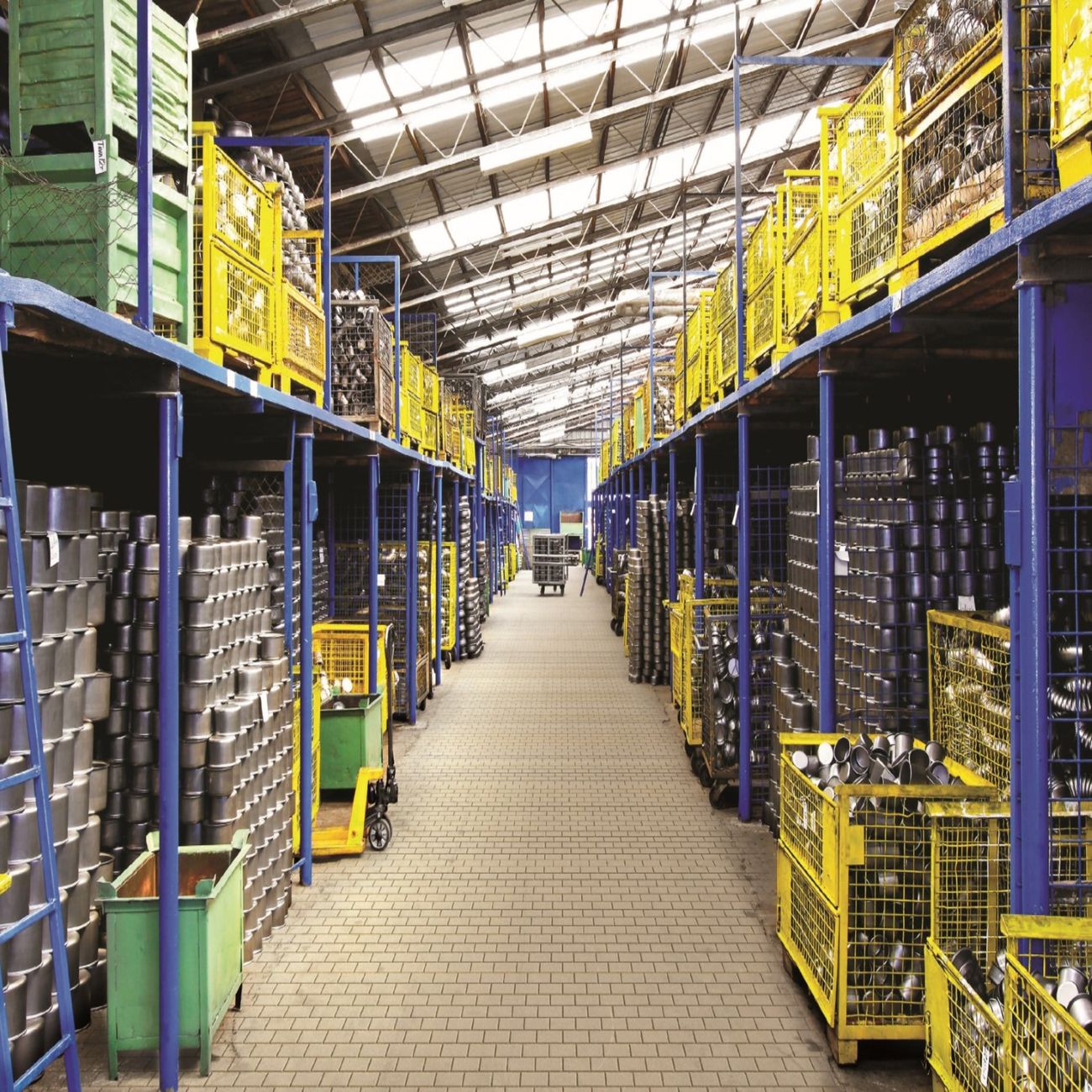
Simulation and Modeling in Warehousing
Simulation and modeling are powerful tools used in warehouse automation technology to predict, analyze, and optimize various processes within a warehouse environment. By creating virtual representations of real-world scenarios, these tools enable warehouse managers to make informed decisions, improve efficiency, and reduce operational costs. In this course, we will explore key terms and vocabulary related to simulation and modeling in warehousing to help you understand and apply these concepts effectively.
1. Simulation
Simulation is the process of creating a computer-based model of a real-world system or process to study its behavior over time. In the context of warehousing, simulation can be used to replicate various warehouse operations such as order picking, inventory management, and transportation to evaluate their performance under different conditions. By running simulations, warehouse managers can test different scenarios, identify bottlenecks, and optimize processes without disrupting actual operations.
2. Modeling
Modeling involves the development of mathematical or logical representations of a system or process to simulate its behavior. In warehousing, models can be used to represent warehouse layout, material flow, equipment utilization, and workforce allocation. These models help warehouse managers to understand the complex interactions within the warehouse environment and make data-driven decisions to improve overall efficiency.
3. Discrete Event Simulation
Discrete event simulation is a type of simulation that models the flow of discrete entities, such as orders, products, or vehicles, through a system over time. In warehousing, discrete event simulation can be used to analyze the movement of goods within the warehouse, optimize order picking routes, and determine the impact of changing demand patterns on warehouse operations. By simulating discrete events, warehouse managers can identify potential issues and implement solutions to improve workflow efficiency.
4. Continuous Simulation
Continuous simulation is a type of simulation that models the continuous behavior of a system over time using differential equations or mathematical formulas. In warehousing, continuous simulation can be used to predict the flow of inventory, monitor equipment performance, and optimize storage capacity. By simulating continuous processes, warehouse managers can make informed decisions to enhance productivity and reduce operating costs.
5. Agent-Based Modeling
Agent-based modeling is a simulation technique that represents individual entities, or agents, within a system and simulates their interactions to observe emergent behavior. In warehousing, agent-based modeling can be used to simulate the behavior of warehouse workers, robots, or vehicles to optimize resource allocation, minimize congestion, and improve overall efficiency. By modeling individual agents, warehouse managers can understand the impact of different factors on system performance and make informed decisions to enhance operational effectiveness.
6. Warehouse Layout
Warehouse layout refers to the physical arrangement of storage areas, aisles, racks, and equipment within a warehouse. The layout of a warehouse has a significant impact on operational efficiency, order picking speed, and overall productivity. By using simulation and modeling techniques, warehouse managers can evaluate different layout configurations, optimize storage space utilization, and minimize travel time for workers and equipment.
7. Material Flow
Material flow in warehousing refers to the movement of goods, products, or materials within a warehouse from receiving to storage to order fulfillment. Efficient material flow is essential for reducing lead times, minimizing inventory holding costs, and improving customer satisfaction. Simulation and modeling can help warehouse managers analyze material flow patterns, identify bottlenecks, and optimize workflows to streamline operations and increase throughput.
8. Inventory Management
Inventory management involves the control and monitoring of inventory levels within a warehouse to ensure adequate stock availability while minimizing carrying costs. Effective inventory management is critical for meeting customer demand, reducing stockouts, and optimizing storage space utilization. Simulation and modeling tools can help warehouse managers forecast demand, determine optimal reorder points, and optimize inventory replenishment strategies to improve inventory accuracy and reduce holding costs.
9. Workforce Allocation
Workforce allocation refers to the assignment of tasks and responsibilities to warehouse workers to optimize labor productivity and operational efficiency. Proper workforce allocation is essential for meeting order deadlines, reducing labor costs, and minimizing idle time. Simulation and modeling techniques can help warehouse managers analyze workforce requirements, evaluate staffing levels, and optimize labor scheduling to ensure optimal resource utilization and maximize throughput.
10. Challenges in Simulation and Modeling
While simulation and modeling offer numerous benefits for optimizing warehouse operations, there are several challenges that warehouse managers may encounter when implementing these techniques. Some common challenges include:
- Data Accuracy: Simulation and modeling rely on accurate and up-to-date data to produce meaningful results. Ensuring data accuracy can be challenging, especially when dealing with large volumes of data from multiple sources.
- Model Validation: Validating simulation models to ensure they accurately represent real-world scenarios can be complex and time-consuming. Warehouse managers must carefully validate their models to ensure they provide reliable insights for decision-making.
- Complexity: Warehouse operations are inherently complex, with multiple variables and interdependencies that can impact system performance. Developing accurate and comprehensive simulation models that capture this complexity can be challenging.
- Resource Constraints: Implementing simulation and modeling tools may require significant resources in terms of time, expertise, and technology. Warehouse managers must allocate resources effectively to ensure successful implementation and utilization of these tools.
- Integration with Warehouse Management Systems: Integrating simulation and modeling tools with existing warehouse management systems (WMS) and other software applications can be challenging. Ensuring seamless integration and data exchange between systems is essential for maximizing the value of simulation and modeling in warehousing.
Conclusion
In conclusion, simulation and modeling play a crucial role in optimizing warehouse operations and improving overall efficiency. By using these tools, warehouse managers can analyze complex systems, identify opportunities for improvement, and make data-driven decisions to enhance productivity and reduce operational costs. Understanding key terms and vocabulary related to simulation and modeling in warehousing is essential for effectively applying these techniques in real-world scenarios. With the knowledge gained from this course, you will be better equipped to leverage simulation and modeling to drive continuous improvement in warehouse automation technology.
Key takeaways
- By creating virtual representations of real-world scenarios, these tools enable warehouse managers to make informed decisions, improve efficiency, and reduce operational costs.
- In the context of warehousing, simulation can be used to replicate various warehouse operations such as order picking, inventory management, and transportation to evaluate their performance under different conditions.
- These models help warehouse managers to understand the complex interactions within the warehouse environment and make data-driven decisions to improve overall efficiency.
- In warehousing, discrete event simulation can be used to analyze the movement of goods within the warehouse, optimize order picking routes, and determine the impact of changing demand patterns on warehouse operations.
- Continuous simulation is a type of simulation that models the continuous behavior of a system over time using differential equations or mathematical formulas.
- In warehousing, agent-based modeling can be used to simulate the behavior of warehouse workers, robots, or vehicles to optimize resource allocation, minimize congestion, and improve overall efficiency.
- By using simulation and modeling techniques, warehouse managers can evaluate different layout configurations, optimize storage space utilization, and minimize travel time for workers and equipment.