
Cruise Operations in the Polar Regions
Cruise Operations in the Polar Regions
Cruise Operations in the Polar Regions
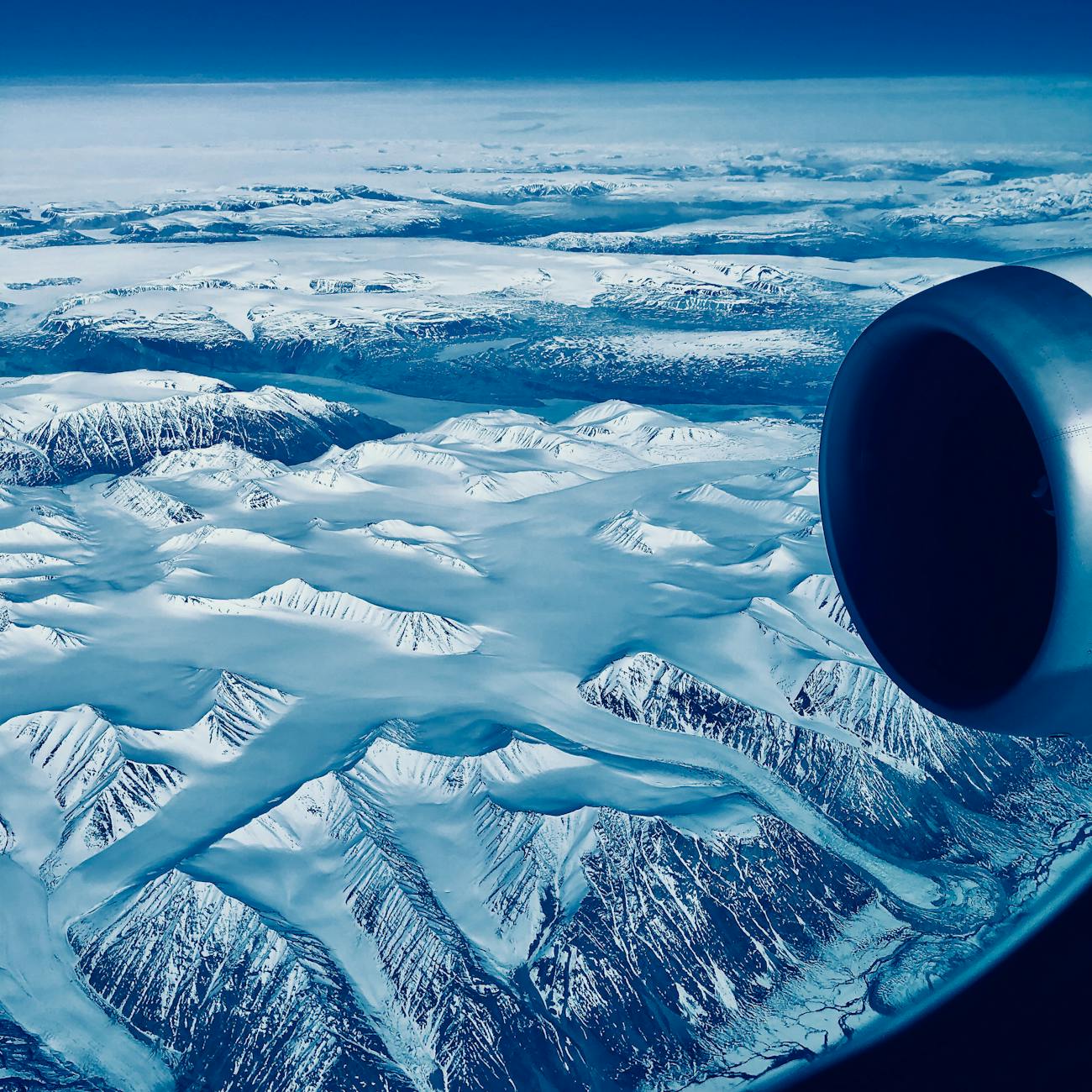
The Polar Regions, comprising the Arctic and Antarctic, have become increasingly popular destinations for cruise tourism. These unique and remote areas offer breathtaking landscapes, diverse wildlife, and the opportunity for travelers to experience the beauty of these pristine environments. However, operating cruises in the Polar Regions presents a set of challenges and considerations that are distinct from other cruise destinations. Understanding key terms and vocabulary related to cruise operations in the Polar Regions is essential for anyone involved in the industry.
Polar Tourism
Polar tourism refers to travel to the Arctic and Antarctic regions for recreational purposes. It encompasses a wide range of activities, including cruise expeditions, wildlife watching, hiking, and cultural experiences. The growth of polar tourism has raised concerns about environmental impacts, sustainability, and the need for responsible tourism practices to protect these fragile ecosystems.
Expedition Cruises
Expedition cruises are specialized voyages that focus on exploration, adventure, and education. These cruises typically operate in remote and challenging environments, such as the Polar Regions, where passengers have the opportunity to engage in activities like wildlife viewing, zodiac excursions, and guided hikes. Expedition cruises often cater to smaller groups of passengers seeking a more immersive and educational travel experience.
Polar Code
The Polar Code is a set of regulations established by the International Maritime Organization (IMO) to ensure the safety of ships operating in the Polar Regions. The code addresses various aspects of polar navigation, including ship design, crew training, and environmental protection measures. Compliance with the Polar Code is mandatory for ships operating in Arctic and Antarctic waters to minimize the risk of accidents and environmental damage.
Ice Class
Ice class refers to a classification system used to assess a ship's ability to navigate in icy waters. Ships operating in the Polar Regions must meet specific ice class standards to ensure they can safely navigate through sea ice and icebergs. Different ice classes designate the level of ice strengthening and other features necessary for ships to operate effectively in polar environments.
Icebreaker
An icebreaker is a specialized ship designed to break through ice-covered waters and create paths for other vessels. Icebreakers play a crucial role in facilitating safe navigation in the Polar Regions by clearing ice and escorting ships through icy conditions. These powerful vessels are essential for supporting cruise operations in areas where ice presents a significant obstacle to navigation.
Zodiac
A Zodiac is a type of inflatable boat commonly used in expedition cruises for transporting passengers between the cruise ship and shore. These versatile and maneuverable boats are ideal for accessing remote landing sites, exploring coastal areas, and observing wildlife up close. Zodiacs are essential for enhancing the expedition experience and enabling passengers to engage with the natural environment in the Polar Regions.
Wildlife Watching
Wildlife watching is a popular activity for passengers on polar cruises, providing opportunities to observe a diverse range of species in their natural habitats. From polar bears in the Arctic to penguins in Antarctica, the Polar Regions offer unparalleled wildlife viewing experiences. Cruise operators must adhere to guidelines and regulations to minimize disturbance to wildlife and ensure sustainable tourism practices.
Environmental Impact
The environmental impact of cruise operations in the Polar Regions is a significant concern due to the fragile nature of these ecosystems. Ships can generate pollution through emissions, wastewater discharge, and invasive species introduction, posing risks to wildlife and habitats. Sustainable practices, such as using low-sulfur fuels, implementing waste management systems, and adhering to wildlife viewing guidelines, are essential for reducing the environmental footprint of polar cruises.
Climate Change
Climate change is a critical issue affecting the Polar Regions, leading to rising temperatures, melting sea ice, and changes in wildlife populations. The impact of climate change on polar ecosystems has implications for cruise operations, including altered routes, shifting wildlife distributions, and changing ice conditions. Cruise operators must adapt to these environmental changes and promote awareness of climate issues among passengers to foster a deeper understanding of the challenges facing the Polar Regions.
Safety and Emergency Preparedness
Ensuring the safety of passengers and crew in the Polar Regions is paramount for cruise operators. The remote and harsh environment of the Arctic and Antarctic presents unique challenges in terms of emergency response, medical care, and search and rescue operations. Comprehensive safety protocols, emergency drills, and contingency plans are essential for managing risks and responding effectively to incidents in polar waters.
Cultural Considerations
Cultural considerations play a significant role in polar tourism, as indigenous communities have inhabited these regions for centuries. Respect for indigenous cultures, traditions, and land rights is essential for cruise operators to engage in responsible and sustainable tourism practices. Collaborating with local communities, supporting cultural initiatives, and promoting cross-cultural exchange are key aspects of fostering positive relationships with indigenous peoples in the Polar Regions.
Regulatory Compliance
Compliance with regulations and guidelines governing cruise operations in the Polar Regions is crucial for ensuring the sustainability and safety of these voyages. In addition to the Polar Code, cruise operators must adhere to national and international laws, environmental regulations, and industry standards to minimize impacts on the environment and wildlife. Regular audits, inspections, and certifications are conducted to verify compliance with regulatory requirements and promote best practices in polar tourism.
Remote Operations
Operating cruises in the Polar Regions involves navigating remote and isolated areas with limited infrastructure and support services. Cruise operators must plan for contingencies, such as medical emergencies, mechanical failures, and adverse weather conditions, to ensure the safety and well-being of passengers and crew. Remote operations require effective communication, emergency response capabilities, and logistical preparedness to address challenges that may arise in these challenging environments.
Weather and Ice Conditions
Weather and ice conditions are critical factors that impact cruise operations in the Polar Regions. The unpredictable nature of polar weather, including storms, fog, and high winds, can affect itinerary planning and navigation. Ice conditions, such as sea ice coverage and iceberg presence, require careful monitoring and assessment to ensure safe passage for ships. Cruise operators rely on weather forecasting, ice charts, and experienced crew members to make informed decisions and adapt to changing conditions during polar voyages.
Expedition Staff
Expedition staff play a vital role in delivering a memorable and educational experience for passengers on polar cruises. These knowledgeable and experienced professionals, including naturalists, historians, and expedition leaders, provide lectures, guided excursions, and wildlife sightings to enhance the overall expedition experience. Expedition staff are trained in safety procedures, environmental regulations, and wildlife conservation practices to ensure responsible and informative interactions with passengers in the Polar Regions.
Shore Excursions
Shore excursions are an integral part of polar cruises, allowing passengers to explore coastal areas, visit historical sites, and engage in outdoor activities. From hiking on glacier trails to kayaking in pristine fjords, shore excursions offer unique opportunities for passengers to immerse themselves in the natural beauty and cultural heritage of the Polar Regions. Cruise operators design diverse and enriching shore excursion programs to cater to the interests and preferences of passengers while promoting sustainable tourism practices.
Community Engagement
Community engagement is essential for cruise operators to build positive relationships with local communities in the Polar Regions. Supporting community development projects, collaborating with indigenous groups, and promoting cultural exchange initiatives contribute to the social and economic well-being of communities impacted by polar tourism. By involving local stakeholders in decision-making processes and fostering mutual respect and understanding, cruise operators can contribute to sustainable tourism development and responsible engagement with host communities.
Environmental Stewardship
Environmental stewardship is a core principle of sustainable cruise operations in the Polar Regions, emphasizing the protection and conservation of natural resources and ecosystems. Cruise operators implement initiatives to reduce carbon emissions, minimize waste generation, and promote wildlife conservation measures to mitigate the environmental impact of polar tourism. By adopting eco-friendly practices, supporting research and conservation efforts, and raising awareness among passengers, cruise operators can contribute to the long-term preservation of the Polar Regions for future generations.
Conclusion
In conclusion, cruise operations in the Polar Regions present a unique set of challenges and opportunities for the tourism industry. Understanding key terms and vocabulary related to polar tourism, expedition cruises, environmental impact, safety considerations, and cultural engagement is essential for cruise operators, expedition staff, and travelers to navigate these remote and pristine environments responsibly. By promoting sustainable practices, respecting indigenous cultures, and fostering environmental stewardship, cruise operators can offer memorable and enriching experiences for passengers while protecting the fragile ecosystems of the Arctic and Antarctic.
Key takeaways
- These unique and remote areas offer breathtaking landscapes, diverse wildlife, and the opportunity for travelers to experience the beauty of these pristine environments.
- The growth of polar tourism has raised concerns about environmental impacts, sustainability, and the need for responsible tourism practices to protect these fragile ecosystems.
- These cruises typically operate in remote and challenging environments, such as the Polar Regions, where passengers have the opportunity to engage in activities like wildlife viewing, zodiac excursions, and guided hikes.
- The Polar Code is a set of regulations established by the International Maritime Organization (IMO) to ensure the safety of ships operating in the Polar Regions.
- Different ice classes designate the level of ice strengthening and other features necessary for ships to operate effectively in polar environments.
- Icebreakers play a crucial role in facilitating safe navigation in the Polar Regions by clearing ice and escorting ships through icy conditions.
- Zodiacs are essential for enhancing the expedition experience and enabling passengers to engage with the natural environment in the Polar Regions.