
Polar Expedition Planning
Polar Expedition Planning
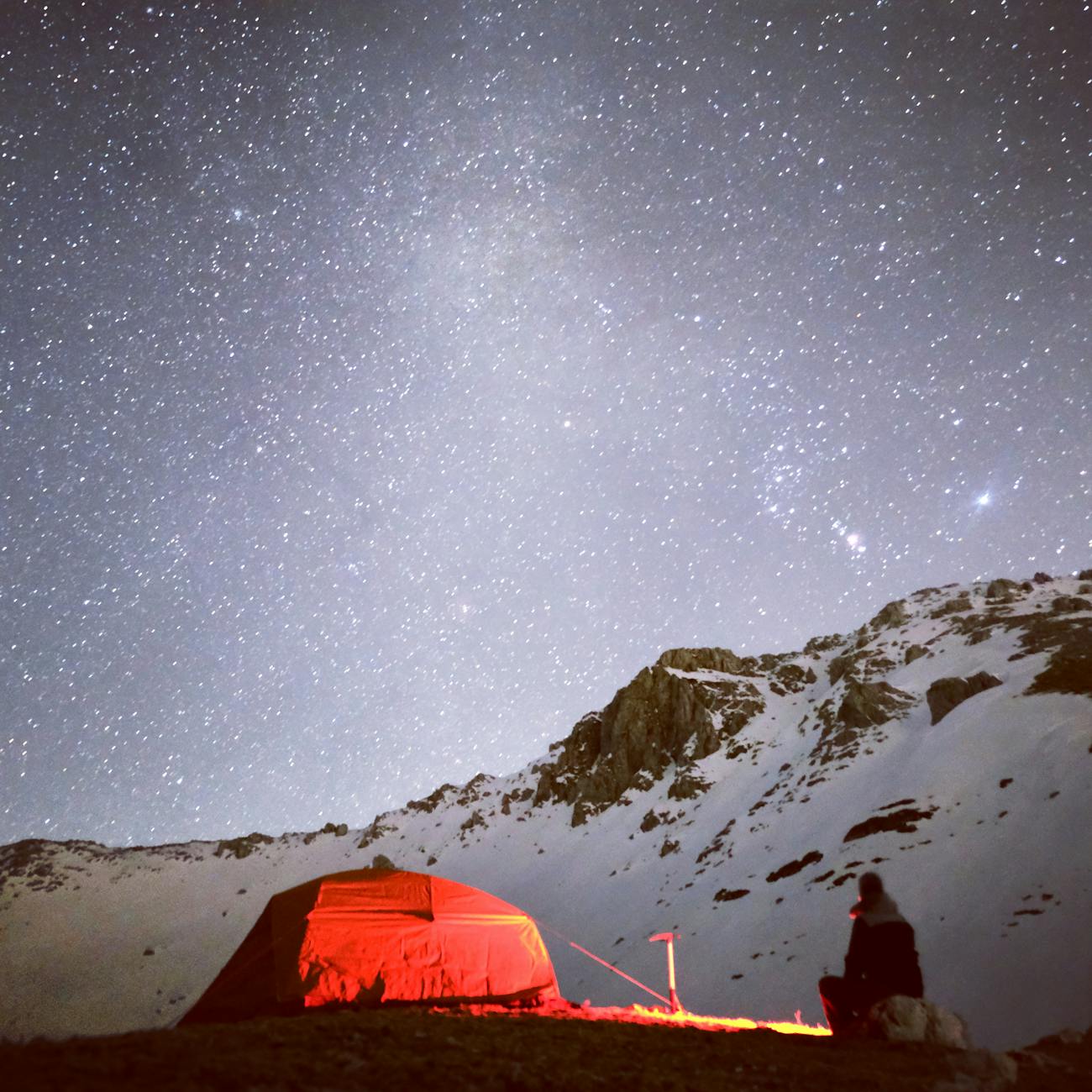
Polar Expedition Planning
Polar expedition planning is a complex process that involves meticulous preparation, organization, and consideration of various factors to ensure a safe and successful journey to the polar regions. From selecting the right equipment to understanding the unique challenges of polar environments, effective planning is essential for a smooth expedition experience.
Polar Regions
The polar regions refer to the areas around the North and South Poles, including the Arctic and Antarctic. These regions are characterized by extreme cold temperatures, vast ice sheets, and unique wildlife. Due to their remote and harsh nature, polar expeditions require careful planning and preparation to mitigate risks and ensure the safety of participants.
Expedition Objectives
Before embarking on a polar expedition, it is crucial to define clear objectives for the trip. These objectives may vary depending on the purpose of the expedition, whether it is for scientific research, adventure tourism, or personal exploration. Setting specific goals helps guide the planning process and ensures that the expedition stays on track.
Risk Assessment
One of the most important aspects of polar expedition planning is conducting a thorough risk assessment. This involves identifying potential hazards and evaluating the likelihood and consequences of each risk. By understanding the risks involved, expedition planners can develop strategies to mitigate these risks and enhance the safety of the expedition.
Logistics
Logistics play a critical role in polar expedition planning, as these regions are remote and challenging to access. Logistics involve organizing transportation, accommodation, food supplies, equipment, and communication systems for the expedition. Effective logistics planning is essential for ensuring that all necessary resources are in place to support the expedition team.
Equipment
Choosing the right equipment is key to the success of a polar expedition. This includes clothing, footwear, camping gear, navigation tools, communication devices, and safety equipment. All equipment should be carefully selected based on the specific requirements of the expedition and the conditions of the polar environment.
Training and Preparation
Proper training and preparation are essential for expedition team members to cope with the physical and mental challenges of a polar journey. Training may include wilderness survival skills, cold weather camping techniques, navigation training, and emergency response protocols. By adequately preparing team members, expedition planners can enhance the safety and success of the expedition.
Environmental Considerations
Polar expeditions must be conducted with the utmost respect for the fragile polar environment. Expedition planners should adhere to strict environmental guidelines to minimize the impact of the expedition on the local ecosystem. This includes practicing Leave No Trace principles, respecting wildlife, and following designated routes to avoid damaging sensitive habitats.
Weather and Climate
The weather and climate in the polar regions are notoriously harsh and unpredictable. Extreme cold temperatures, high winds, and blizzards are common in these areas, presenting significant challenges for expedition planning. It is essential to monitor weather forecasts closely and be prepared to adjust plans accordingly to ensure the safety of the expedition team.
Communication
Effective communication is vital for the success of a polar expedition. Reliable communication systems, such as satellite phones, radios, or emergency beacons, are essential for staying in touch with team members, receiving weather updates, and calling for help in case of an emergency. Clear communication protocols should be established before the expedition begins.
Navigation
Navigation in the polar regions can be challenging due to the lack of landmarks, extreme weather conditions, and shifting ice formations. Expedition team members must be proficient in using GPS devices, maps, compasses, and other navigation tools to navigate safely through the polar environment. Proper navigation skills are crucial for avoiding getting lost or stranded.
Emergency Preparedness
Despite careful planning, emergencies can still occur during a polar expedition. Expedition planners should develop comprehensive emergency response plans that outline procedures for handling medical emergencies, equipment failures, severe weather events, or other unexpected situations. All team members should be trained in first aid and emergency protocols.
Group Dynamics
The success of a polar expedition also depends on the dynamics within the expedition team. Effective leadership, clear communication, teamwork, and conflict resolution skills are essential for maintaining a positive group dynamic throughout the journey. Expedition planners should consider team composition and dynamics when selecting participants for the expedition.
Cultural Sensitivity
When planning a polar expedition that involves interactions with indigenous communities or visiting sensitive cultural sites, it is important to approach these interactions with cultural sensitivity and respect. Expedition planners should educate team members about local customs, traditions, and protocols to ensure that interactions are positive and respectful.
Permitting and Regulations
Polar expeditions may require permits or approvals from relevant authorities, especially in protected areas or sensitive environments. Expedition planners should familiarize themselves with local regulations, permitting requirements, and conservation guidelines to ensure compliance with legal and environmental standards. Failure to obtain necessary permits can result in fines or other penalties.
Health and Safety
Maintaining the health and safety of expedition team members is a top priority during a polar journey. This includes ensuring access to medical supplies, emergency evacuation plans, hygiene practices, and proper nutrition. Expedition planners should also consider the physical and mental well-being of team members throughout the expedition.
Budgeting
Budgeting is a critical aspect of polar expedition planning, as these journeys can be costly due to the remote locations, specialized equipment, transportation, and logistical requirements. Expedition planners should carefully estimate all expenses, including transportation, accommodation, permits, insurance, equipment rentals, and contingency funds, to develop a realistic budget for the expedition.
Time Management
Effective time management is essential for keeping the expedition on schedule and achieving its objectives within the allocated timeframe. Expedition planners should create detailed itineraries, set realistic deadlines, and allocate time for unforeseen delays or emergencies. By managing time effectively, expedition planners can maximize the efficiency and success of the journey.
Stakeholder Engagement
Engaging with stakeholders, such as local communities, government agencies, tour operators, and conservation organizations, is crucial for the success of a polar expedition. Collaboration with stakeholders can help ensure access to resources, obtain necessary permits, and build positive relationships with the local community. Expedition planners should communicate openly and transparently with all stakeholders involved.
Technology and Innovation
Advancements in technology and innovation have revolutionized polar expedition planning in recent years. From satellite imagery and GPS tracking to lightweight and durable equipment, technology has made it easier to navigate, communicate, and stay safe in the polar regions. Expedition planners should leverage technological tools to enhance the efficiency and safety of the expedition.
Challenges and Considerations
Polar expedition planning presents a unique set of challenges and considerations that require careful attention and preparation. These challenges may include extreme weather conditions, isolation, wildlife encounters, navigation difficulties, logistics constraints, and health risks. By anticipating and addressing these challenges proactively, expedition planners can minimize risks and ensure a successful journey.
Conclusion
In conclusion, polar expedition planning is a complex and multifaceted process that requires careful consideration of various factors to ensure a safe and successful journey. From risk assessment and logistics planning to equipment selection and environmental considerations, effective planning is essential for navigating the challenges of the polar regions. By following best practices, leveraging technology, and prioritizing safety, expedition planners can create memorable and rewarding experiences for participants in polar tourism.
Key takeaways
- Polar expedition planning is a complex process that involves meticulous preparation, organization, and consideration of various factors to ensure a safe and successful journey to the polar regions.
- Due to their remote and harsh nature, polar expeditions require careful planning and preparation to mitigate risks and ensure the safety of participants.
- These objectives may vary depending on the purpose of the expedition, whether it is for scientific research, adventure tourism, or personal exploration.
- By understanding the risks involved, expedition planners can develop strategies to mitigate these risks and enhance the safety of the expedition.
- Logistics involve organizing transportation, accommodation, food supplies, equipment, and communication systems for the expedition.
- All equipment should be carefully selected based on the specific requirements of the expedition and the conditions of the polar environment.
- Proper training and preparation are essential for expedition team members to cope with the physical and mental challenges of a polar journey.