
Climate Change and Adaptation
Climate Change and Adaptation are critical issues that have significant implications for finance and sustainability. In this explanation, we will discuss key terms and vocabulary related to these topics.
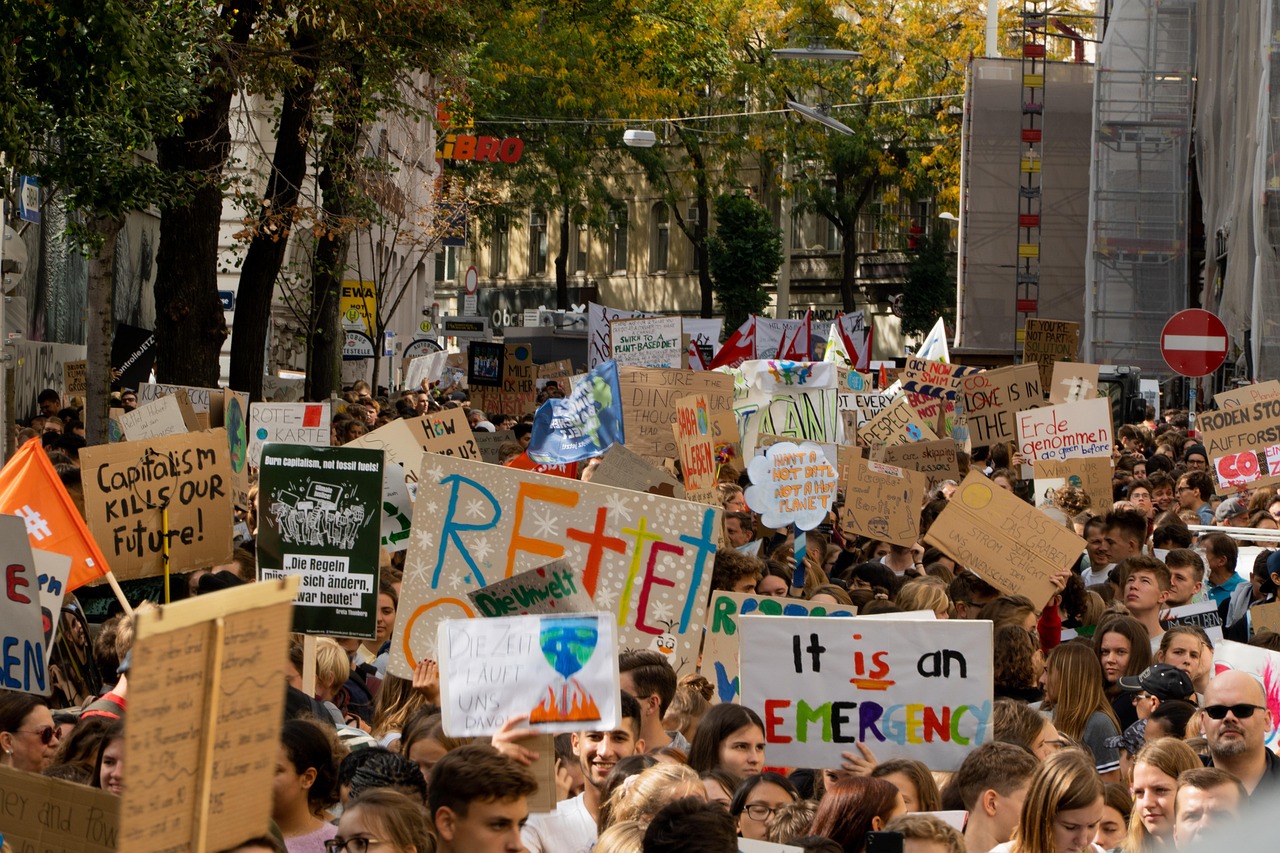
Climate Change and Adaptation are critical issues that have significant implications for finance and sustainability. In this explanation, we will discuss key terms and vocabulary related to these topics.
Climate Change: Climate change refers to long-term shifts in temperatures and weather patterns. Most climate scientists agree that humans are causing climate change by releasing large amounts of greenhouse gases into the atmosphere, primarily through the burning of fossil fuels such as coal, oil, and gas.
Greenhouse Gases (GHGs): Greenhouse gases are gases in Earth's atmosphere that trap heat. The main greenhouse gases are carbon dioxide (CO2), methane (CH4), and nitrous oxide (N2O). Human activities, such as burning fossil fuels and deforestation, have increased the concentration of these gases in the atmosphere, leading to global warming and climate change.
Global Warming: Global warming is the long-term increase in Earth's average temperature. It is caused by the buildup of greenhouse gases in the atmosphere, which trap heat from the sun and prevent it from escaping back into space.
Mitigation: Mitigation refers to efforts to reduce or prevent greenhouse gas emissions. This can be achieved through various means, such as transitioning to renewable energy sources, improving energy efficiency, and promoting sustainable land use practices.
Adaptation: Adaptation refers to efforts to adjust to the impacts of climate change. This can include measures such as building sea walls to protect against rising sea levels, developing drought-resistant crops, and improving infrastructure to withstand extreme weather events.
Resilience: Resilience refers to the ability of a system to withstand and recover from shocks and stresses, including those caused by climate change. A resilient system is able to absorb disturbances while still maintaining its function and structure.
Sustainability: Sustainability refers to the practice of meeting the needs of the present without compromising the ability of future generations to meet their own needs. It involves balancing economic, social, and environmental factors to create a more just and equitable world.
Carbon Footprint: A carbon footprint is the total amount of greenhouse gases emitted by an individual, organization, or product. It is typically measured in units of carbon dioxide equivalent (CO2e).
Carbon Pricing: Carbon pricing is a market-based approach to reducing greenhouse gas emissions. It involves setting a price on carbon, either through a carbon tax or a cap-and-trade system, to incentivize businesses and individuals to reduce their carbon footprint.
Renewable Energy: Renewable energy is energy that comes from resources that are naturally replenished, such as solar, wind, and hydro power. Renewable energy sources are becoming increasingly important as the world transitions away from fossil fuels.
Energy Efficiency: Energy efficiency refers to the use of less energy to perform the same task. Improving energy efficiency can help reduce greenhouse gas emissions and lower energy costs.
Circular Economy: A circular economy is an economic system that is restorative and regenerative by design. It aims to keep resources in use for as long as possible, reduce waste and pollution, and regenerate natural systems.
Natural Capital: Natural capital refers to the stock of natural assets, such as forests, water, and soil, that provide valuable ecosystem services, such as air and water filtration, pollination, and carbon sequestration.
Sustainable Development Goals (SDGs): The Sustainable Development Goals are a set of 17 interconnected goals adopted by the United Nations in 2015. They aim to end poverty, protect the planet, and ensure peace and prosperity for all.
Climate Finance: Climate finance refers to the flow of funds from developed countries to developing countries to support climate change mitigation and adaptation efforts. It can come from various sources, including public and private sector investments.
Climate Risk: Climate risk refers to the potential negative impacts of climate change on human and natural systems. It can include physical risks, such as damage to infrastructure from extreme weather events, and transition risks, such as changes in policy and technology that can impact the value of assets.
Climate-related Financial Disclosures (TCFD): The Task Force on Climate-related Financial Disclosures is a market-driven initiative that aims to improve the reporting of climate-related financial risks and opportunities. It provides a framework for companies to disclose information on their governance, strategy, risk management, and metrics related to climate change.
Stranded Assets: Stranded assets are assets that have become obsolete or non-performing due to changes in the economy, technology, or policy. In the context of climate change, stranded assets can include fossil fuel reserves that become uneconomical to extract and use due to carbon pricing or other regulatory measures.
Green Bonds
Key takeaways
- Climate Change and Adaptation are critical issues that have significant implications for finance and sustainability.
- Most climate scientists agree that humans are causing climate change by releasing large amounts of greenhouse gases into the atmosphere, primarily through the burning of fossil fuels such as coal, oil, and gas.
- Human activities, such as burning fossil fuels and deforestation, have increased the concentration of these gases in the atmosphere, leading to global warming and climate change.
- It is caused by the buildup of greenhouse gases in the atmosphere, which trap heat from the sun and prevent it from escaping back into space.
- This can be achieved through various means, such as transitioning to renewable energy sources, improving energy efficiency, and promoting sustainable land use practices.
- This can include measures such as building sea walls to protect against rising sea levels, developing drought-resistant crops, and improving infrastructure to withstand extreme weather events.
- Resilience: Resilience refers to the ability of a system to withstand and recover from shocks and stresses, including those caused by climate change.