
Energy Economics and Transition
Energy Economics and Transition are key concepts in the field of sustainable finance. Here are some important terms and vocabulary related to these topics:
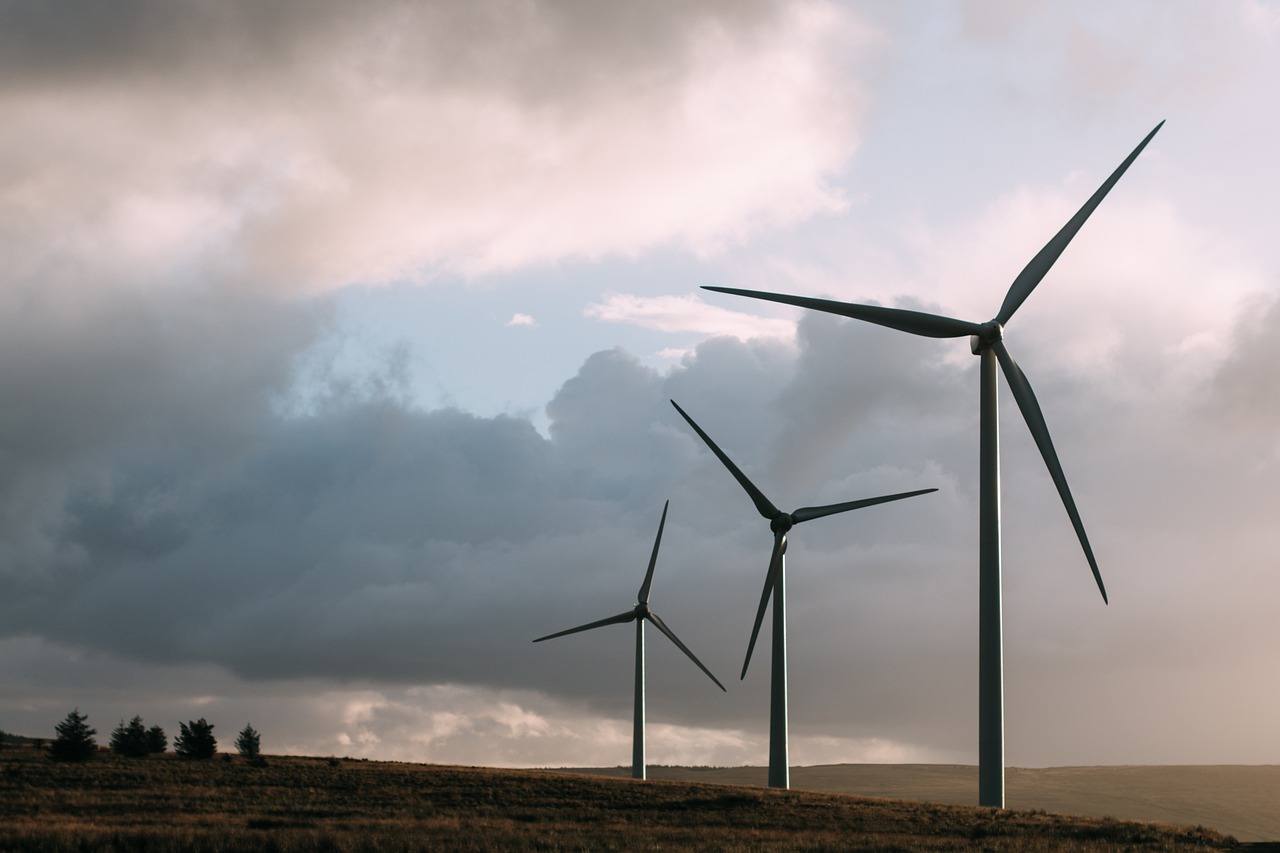
Energy Economics and Transition are key concepts in the field of sustainable finance. Here are some important terms and vocabulary related to these topics:
1. **Energy Economics**: This is the study of how energy is produced, distributed, and consumed, and how these activities affect the economy. Energy economics examines the relationship between energy supply and demand, and how changes in this relationship can impact economic growth, employment, and the environment. 2. **Transition**: In the context of energy, transition refers to the shift from fossil fuels to renewable energy sources, such as wind, solar, and hydro power. This transition is necessary to reduce greenhouse gas emissions and mitigate climate change. 3. **Renewable Energy**: Renewable energy is energy that comes from natural resources that can be replenished over time, such as sunlight, wind, and water. Renewable energy sources are becoming increasingly important as the world seeks to reduce its dependence on fossil fuels. 4. **Fossil Fuels**: Fossil fuels are energy sources that are formed from the remains of ancient plants and animals. Examples of fossil fuels include coal, oil, and natural gas. Fossil fuels are non-renewable, meaning they cannot be replenished over time. 5. **Carbon Pricing**: Carbon pricing is a market-based approach to reducing greenhouse gas emissions. It involves setting a price on carbon emissions, either through a carbon tax or a cap-and-trade system. This provides an economic incentive for businesses and individuals to reduce their carbon footprint. 6. **Energy Efficiency**: Energy efficiency refers to using less energy to perform the same task. Energy efficiency can be achieved through a variety of means, including improving insulation in buildings, using more efficient appliances, and optimizing industrial processes. 7. **Decentralized Energy Systems**: Decentralized energy systems are energy systems that are not reliant on a central power plant. Instead, they generate power locally, often through renewable energy sources such as solar panels or wind turbines. Decentralized energy systems can provide a more reliable and resilient energy supply, as they are less vulnerable to outages and disruptions. 8. **Energy Storage**: Energy storage is the process of storing energy for later use. This is becoming increasingly important as the world transitions to renewable energy sources, as these sources are often intermittent and may not always be available when needed. Energy storage technologies include batteries, pumped hydro storage, and thermal storage. 9. **Energy Policy**: Energy policy refers to the laws, regulations, and incentives that govern the production, distribution, and consumption of energy. Energy policy can have a significant impact on the transition to renewable energy and the reduction of greenhouse gas emissions. 10. **Energy Security**: Energy security refers to the ability of a country or region to reliably and sustainably meet its energy needs. Energy security is becoming increasingly important as the world transitions to renewable energy sources and becomes more dependent on a diverse range of energy suppliers.
Examples and Practical Applications:
* A carbon tax is a type of carbon pricing that involves setting a price on carbon emissions. For example, a carbon tax of $50 per ton of carbon dioxide emissions would increase the cost of gasoline by about 45 cents per gallon. This provides an economic incentive for individuals and businesses to reduce their carbon footprint, either by using less energy or by switching to renewable energy sources. * Energy efficiency measures can significantly reduce energy consumption and costs. For example, improving insulation in a building can reduce heating and cooling costs by up to 20%. Using more efficient appliances, such as LED light bulbs or Energy Star-rated appliances, can also help reduce energy consumption and costs. * Decentralized energy systems can provide a more reliable and resilient energy supply. For example, a community that installs solar panels on rooftops and uses battery storage can generate and store its own power, reducing its dependence on the grid and providing a more reliable energy supply.
Challenges:
* Transitioning to renewable energy sources can be challenging, as it requires significant investment in new infrastructure and technology. It also requires changes to energy policies and regulations to support the transition. * Carbon pricing can be politically difficult to implement, as it involves increasing the cost of energy for consumers and businesses. It is important to carefully design carbon pricing policies to minimize the impact on low-income households and to provide incentives for businesses to reduce their carbon footprint. * Energy security can be a challenge, particularly for countries that are heavily reliant on a single energy source or supplier. Diversifying the energy mix and increasing energy efficiency can help improve energy security.
In conclusion, understanding the key terms and vocabulary related to Energy Economics and Transition is essential for anyone working in the field of sustainable finance. By understanding these concepts, professionals can make informed decisions about energy investments, policies, and strategies that support the transition to a more sustainable and secure energy future.
Key takeaways
- Energy Economics and Transition are key concepts in the field of sustainable finance.
- This is becoming increasingly important as the world transitions to renewable energy sources, as these sources are often intermittent and may not always be available when needed.
- For example, a community that installs solar panels on rooftops and uses battery storage can generate and store its own power, reducing its dependence on the grid and providing a more reliable energy supply.
- It is important to carefully design carbon pricing policies to minimize the impact on low-income households and to provide incentives for businesses to reduce their carbon footprint.
- By understanding these concepts, professionals can make informed decisions about energy investments, policies, and strategies that support the transition to a more sustainable and secure energy future.