
Emergency Planning and Response
Emergency Planning and Response in the context of Health and Safety for Events is a critical aspect that ensures the safety and well-being of individuals attending events. This emergency planning involves preparing for potential risks and h…
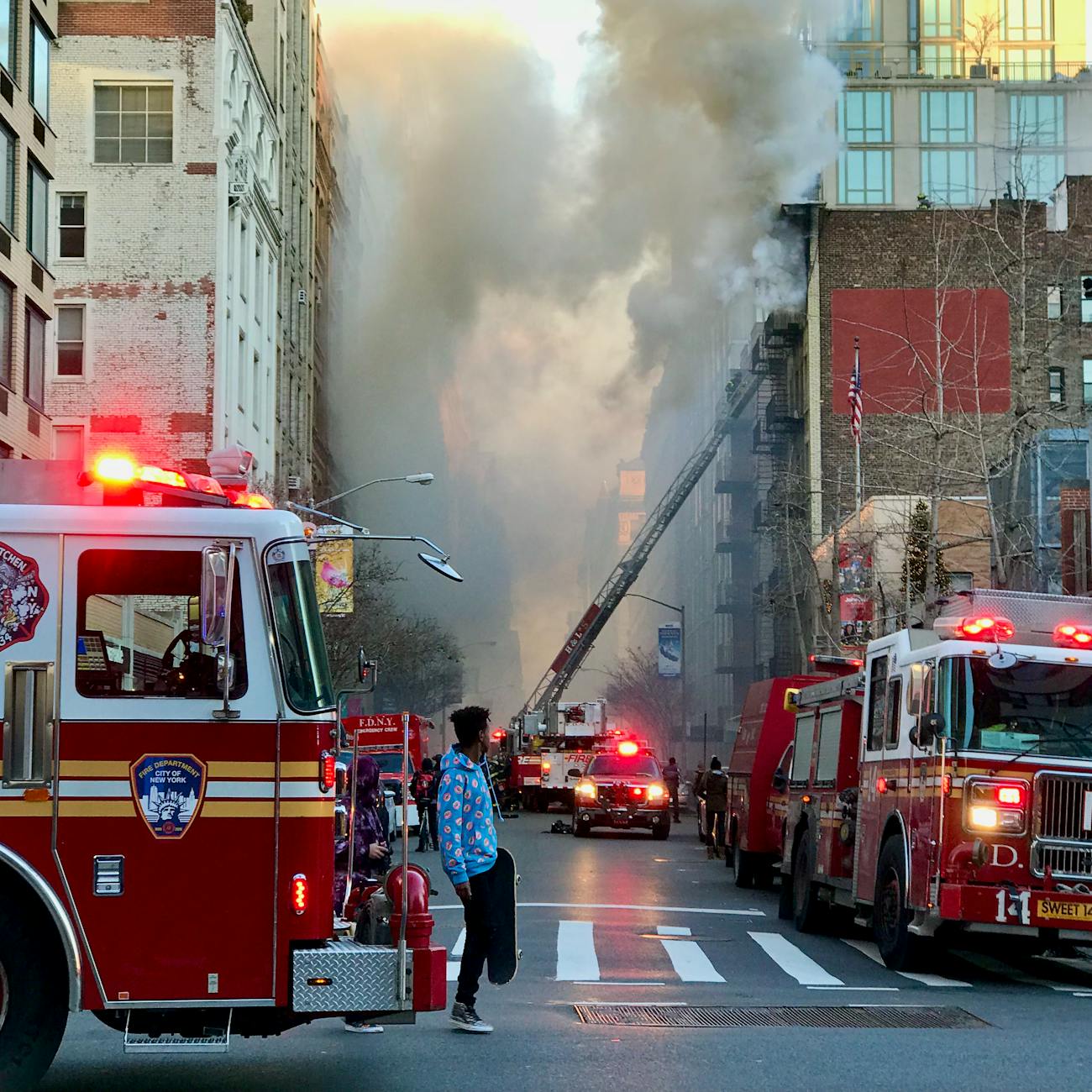
Emergency Planning and Response in the context of Health and Safety for Events is a critical aspect that ensures the safety and well-being of individuals attending events. This emergency planning involves preparing for potential risks and having strategies in place to respond effectively in case of emergencies. It is essential for event organizers to have a thorough understanding of key terms and vocabulary related to emergency planning and response to ensure the success of their events and the safety of participants.
Emergency Planning:
Emergency planning is the process of developing strategies, guidelines, and protocols to prepare for and respond to emergencies effectively. It involves identifying potential risks, assessing vulnerabilities, and creating a comprehensive plan to mitigate these risks and respond appropriately in case of emergencies. Emergency planning is crucial for events of all sizes to ensure the safety of attendees, staff, and stakeholders.
Key Terms and Vocabulary:
1. Risk Assessment: Risk assessment is the process of identifying, analyzing, and evaluating potential risks that could impact the event. This includes identifying hazards, assessing the likelihood of these hazards occurring, and evaluating the potential consequences. A risk assessment helps event organizers understand the risks involved and develop strategies to mitigate them.
2. Hazard: A hazard is any potential source of harm or danger that could cause harm to individuals or property. Hazards can be natural, such as severe weather or earthquakes, or man-made, such as fires or chemical spills. Identifying hazards is a crucial step in emergency planning to assess risks and develop appropriate response strategies.
3. Emergency Response Plan: An emergency response plan is a documented set of procedures and protocols that outline how to respond to emergencies effectively. This plan includes roles and responsibilities, communication protocols, evacuation procedures, and steps to follow in different emergency scenarios. Having a well-defined emergency response plan is essential for ensuring a coordinated and efficient response to emergencies.
4. Evacuation Plan: An evacuation plan is a specific part of the emergency response plan that outlines procedures for safely evacuating individuals from the event venue in case of emergencies. This plan includes evacuation routes, assembly points, procedures for assisting individuals with disabilities, and communication methods to ensure a swift and orderly evacuation.
5. Incident Command System (ICS): The Incident Command System (ICS) is a standardized emergency management system used to coordinate and manage emergency response efforts. ICS establishes a clear hierarchy of command, assigns roles and responsibilities to responders, and facilitates communication and coordination among all involved parties. Implementing ICS helps ensure a structured and efficient response to emergencies.
6. Mass Casualty Incident (MCI): A mass casualty incident (MCI) is an event in which a significant number of individuals are injured or require medical assistance. MCIs can result from natural disasters, accidents, or deliberate acts of violence. Event organizers must have protocols in place to respond to MCIs, including triage procedures, medical treatment protocols, and coordination with emergency services.
7. Shelter-in-Place: Shelter-in-place is a protective action strategy that instructs individuals to remain indoors and seek shelter during emergencies such as severe weather, chemical spills, or security threats. Sheltering-in-place helps protect individuals from external hazards and allows responders to assess the situation and provide further instructions. Event organizers should include shelter-in-place procedures in their emergency planning.
8. Business Continuity Plan: A business continuity plan is a comprehensive strategy that outlines procedures to ensure the continuity of operations and services during and after emergencies. This plan includes measures to protect critical assets, maintain essential functions, and recover operations in a timely manner. Having a business continuity plan is essential for events to minimize disruptions and ensure the safety and well-being of attendees.
9. Tabletop Exercise: A tabletop exercise is a simulation-based training activity that allows key stakeholders to test and evaluate the effectiveness of the emergency response plan. During a tabletop exercise, participants discuss and role-play various emergency scenarios, identify gaps in the plan, and practice decision-making and communication skills. Conducting tabletop exercises helps improve preparedness and response capabilities.
10. Crisis Communication: Crisis communication is the process of communicating information to stakeholders, media, and the public during emergencies. Effective crisis communication involves providing timely and accurate information, addressing concerns and rumors, and maintaining transparency and credibility. Event organizers should have a crisis communication plan in place to ensure clear and consistent messaging during emergencies.
Practical Applications:
1. Scenario-Based Training: Scenario-based training involves creating realistic emergency scenarios and conducting drills to test the effectiveness of the emergency response plan. Event organizers can simulate various emergencies, such as fires, medical emergencies, or severe weather, and observe how responders and participants react. Scenario-based training helps identify strengths and weaknesses in the plan and allows for continuous improvement.
2. Collaboration with Emergency Services: Collaborating with local emergency services, such as fire departments, police, and medical services, is essential for effective emergency planning and response. Event organizers should establish relationships with emergency services, communicate their event plans and emergency procedures, and coordinate response efforts. Collaborating with emergency services ensures a coordinated and timely response to emergencies.
Challenges:
1. Resource Constraints: One of the primary challenges in emergency planning and response for events is resource constraints. Limited budget, staff, and equipment can hinder the implementation of comprehensive emergency plans and training programs. Event organizers must prioritize resource allocation for emergency preparedness and seek alternative funding sources to overcome resource constraints.
2. Communication and Coordination: Effective communication and coordination among stakeholders, responders, and participants are essential for a successful emergency response. However, challenges such as language barriers, technical issues, or conflicting priorities can impede communication efforts during emergencies. Event organizers should establish clear communication protocols, conduct regular training on communication skills, and address potential barriers to effective communication.
In conclusion, emergency planning and response are critical components of Health and Safety for Events, ensuring the safety and well-being of individuals attending events. By understanding key terms and vocabulary related to emergency planning, event organizers can develop comprehensive plans, respond effectively to emergencies, and mitigate risks. Practical applications, such as scenario-based training and collaboration with emergency services, can enhance preparedness and response capabilities. Despite challenges such as resource constraints and communication issues, proactive planning, training, and collaboration can help overcome these obstacles and ensure the success of events.
Key takeaways
- It is essential for event organizers to have a thorough understanding of key terms and vocabulary related to emergency planning and response to ensure the success of their events and the safety of participants.
- It involves identifying potential risks, assessing vulnerabilities, and creating a comprehensive plan to mitigate these risks and respond appropriately in case of emergencies.
- Risk Assessment: Risk assessment is the process of identifying, analyzing, and evaluating potential risks that could impact the event.
- Identifying hazards is a crucial step in emergency planning to assess risks and develop appropriate response strategies.
- Emergency Response Plan: An emergency response plan is a documented set of procedures and protocols that outline how to respond to emergencies effectively.
- Evacuation Plan: An evacuation plan is a specific part of the emergency response plan that outlines procedures for safely evacuating individuals from the event venue in case of emergencies.
- ICS establishes a clear hierarchy of command, assigns roles and responsibilities to responders, and facilitates communication and coordination among all involved parties.