
Occupational Health and Safety Management
Occupational Health and Safety Management
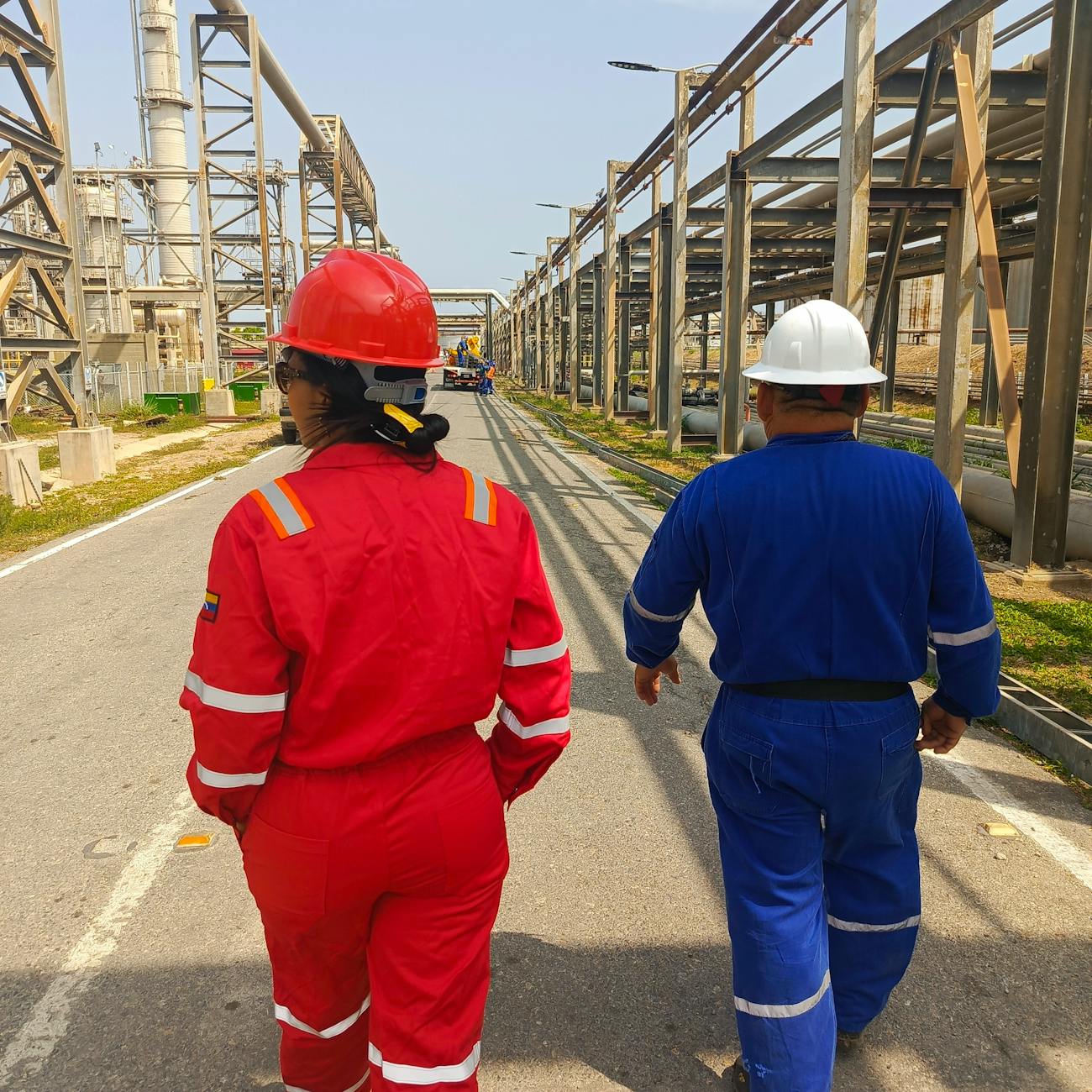
Occupational Health and Safety Management
Occupational Health and Safety Management (OHS) refers to the practices, policies, and systems put in place by organizations to ensure the health, safety, and well-being of their employees in the workplace. It involves identifying and controlling risks to prevent accidents, injuries, and illnesses while promoting a safe working environment. OHS management is a critical aspect of any organization's operations as it not only protects employees but also ensures compliance with legal requirements and enhances overall productivity.
Key Terms and Vocabulary
Hazard
A hazard is any source of potential harm or adverse health effect on a person. Hazards can be chemical, biological, physical, ergonomic, or psychosocial in nature. Identifying hazards in the workplace is essential for implementing effective control measures to minimize risks to employees.
Risk Assessment
Risk assessment is the process of evaluating the likelihood and severity of potential hazards in the workplace. It involves identifying hazards, assessing the level of risk they pose, and implementing control measures to reduce or eliminate those risks.
Control Measures
Control measures are actions taken to eliminate or reduce risks in the workplace. These measures can include engineering controls (e.g., installing barriers), administrative controls (e.g., implementing safety procedures), and personal protective equipment (PPE).
Workplace Safety Culture
Workplace safety culture refers to the attitudes, beliefs, perceptions, and values that employees and management share regarding safety in the workplace. A positive safety culture fosters a safe working environment where employees are encouraged to report hazards and near misses without fear of reprisal.
Emergency Response Plan
An emergency response plan is a set of procedures and protocols designed to respond to emergencies such as fires, natural disasters, or medical emergencies in the workplace. Having an effective emergency response plan in place can save lives and minimize damage to property.
Accident Investigation
Accident investigation is the process of examining the causes of workplace accidents to prevent similar incidents from occurring in the future. It involves gathering information, analyzing data, and identifying root causes to implement corrective actions.
Occupational Health
Occupational health focuses on the physical, mental, and social well-being of workers in relation to their work environment. It includes the prevention of work-related illnesses, injuries, and diseases through health promotion, risk assessment, and surveillance.
Workplace Ergonomics
Workplace ergonomics is the science of designing workspaces, tools, and tasks to fit the capabilities and limitations of workers. Ergonomic principles aim to prevent musculoskeletal disorders and improve overall comfort and productivity.
Workplace Inspection
Workplace inspection involves systematically examining the workplace for hazards, unsafe conditions, and practices. Regular inspections help identify potential risks and ensure compliance with safety regulations.
Health and Safety Legislation
Health and safety legislation refers to laws and regulations that govern workplace health and safety practices. Compliance with legislation is mandatory for all organizations to protect the health and safety of their employees.
Occupational Hygiene
Occupational hygiene is the science of identifying, assessing, and controlling workplace hazards that may affect the health and well-being of workers. This includes exposure to chemicals, noise, vibration, and other physical agents.
Work-Related Stress
Work-related stress is a harmful reaction that occurs when job demands exceed an individual's ability to cope. It can lead to physical and mental health issues, decreased productivity, and absenteeism if not managed effectively.
Safety Data Sheets
Safety Data Sheets (SDS) are documents that provide detailed information about the hazards of chemical products, including composition, handling procedures, and emergency response measures. Employers are required to provide SDS for all hazardous chemicals used in the workplace.
Personal Protective Equipment (PPE)
Personal protective equipment is equipment worn to minimize exposure to hazards that cannot be eliminated through engineering or administrative controls. Examples of PPE include gloves, safety glasses, respirators, and hard hats.
Workplace Violence
Workplace violence refers to any act or threat of physical violence, harassment, intimidation, or other disruptive behavior that occurs in the workplace. Employers are responsible for preventing and addressing workplace violence to ensure the safety of their employees.
Health and Safety Training
Health and safety training provides employees with the knowledge and skills necessary to work safely and prevent injuries in the workplace. Training should cover topics such as hazard identification, emergency procedures, and the proper use of PPE.
Incident Reporting
Incident reporting is the process of documenting and investigating workplace incidents, near misses, and hazards. Prompt reporting allows organizations to address issues quickly and prevent future accidents.
Occupational Safety and Health Administration (OSHA)
The Occupational Safety and Health Administration (OSHA) is a federal agency in the United States that sets and enforces workplace safety and health regulations. OSHA standards aim to protect workers from hazards and promote a safe working environment.
Workplace Wellness Programs
Workplace wellness programs are initiatives designed to promote the health and well-being of employees. These programs may include fitness challenges, mental health resources, and healthy eating options to support a healthy workforce.
Challenges in Occupational Health and Safety Management
Implementing effective occupational health and safety management practices can be challenging for organizations due to various factors, including:
- Resistance to Change: Employees may resist new safety initiatives or procedures that disrupt their routines or workflows. - Budget Constraints: Allocating resources for safety training, equipment, and programs can be challenging for organizations with limited budgets. - Compliance Issues: Keeping up with changing health and safety regulations and ensuring compliance with legal requirements can be complex. - Cultural Differences: Managing safety practices in diverse workplaces with different cultural norms and values can be challenging. - Lack of Awareness: Some employees may lack awareness of safety hazards or the importance of following safety protocols.
Conclusion
Occupational health and safety management is a crucial aspect of any organization's operations to protect the health and well-being of employees. By implementing effective policies, procedures, and training programs, organizations can create a safe working environment and prevent accidents and injuries. It is essential for organizations to stay informed about the latest health and safety regulations and best practices to ensure compliance and promote a positive safety culture.
Key takeaways
- Occupational Health and Safety Management (OHS) refers to the practices, policies, and systems put in place by organizations to ensure the health, safety, and well-being of their employees in the workplace.
- Identifying hazards in the workplace is essential for implementing effective control measures to minimize risks to employees.
- It involves identifying hazards, assessing the level of risk they pose, and implementing control measures to reduce or eliminate those risks.
- Control measures are actions taken to eliminate or reduce risks in the workplace.
- Workplace safety culture refers to the attitudes, beliefs, perceptions, and values that employees and management share regarding safety in the workplace.
- An emergency response plan is a set of procedures and protocols designed to respond to emergencies such as fires, natural disasters, or medical emergencies in the workplace.
- Accident investigation is the process of examining the causes of workplace accidents to prevent similar incidents from occurring in the future.