
Robotics for Dental Procedures
Robotics for Dental Procedures: Robotics in dentistry refers to the use of advanced technology, particularly robots, to assist in various dental procedures. These robots are designed to perform tasks such as tooth preparation, implant place…
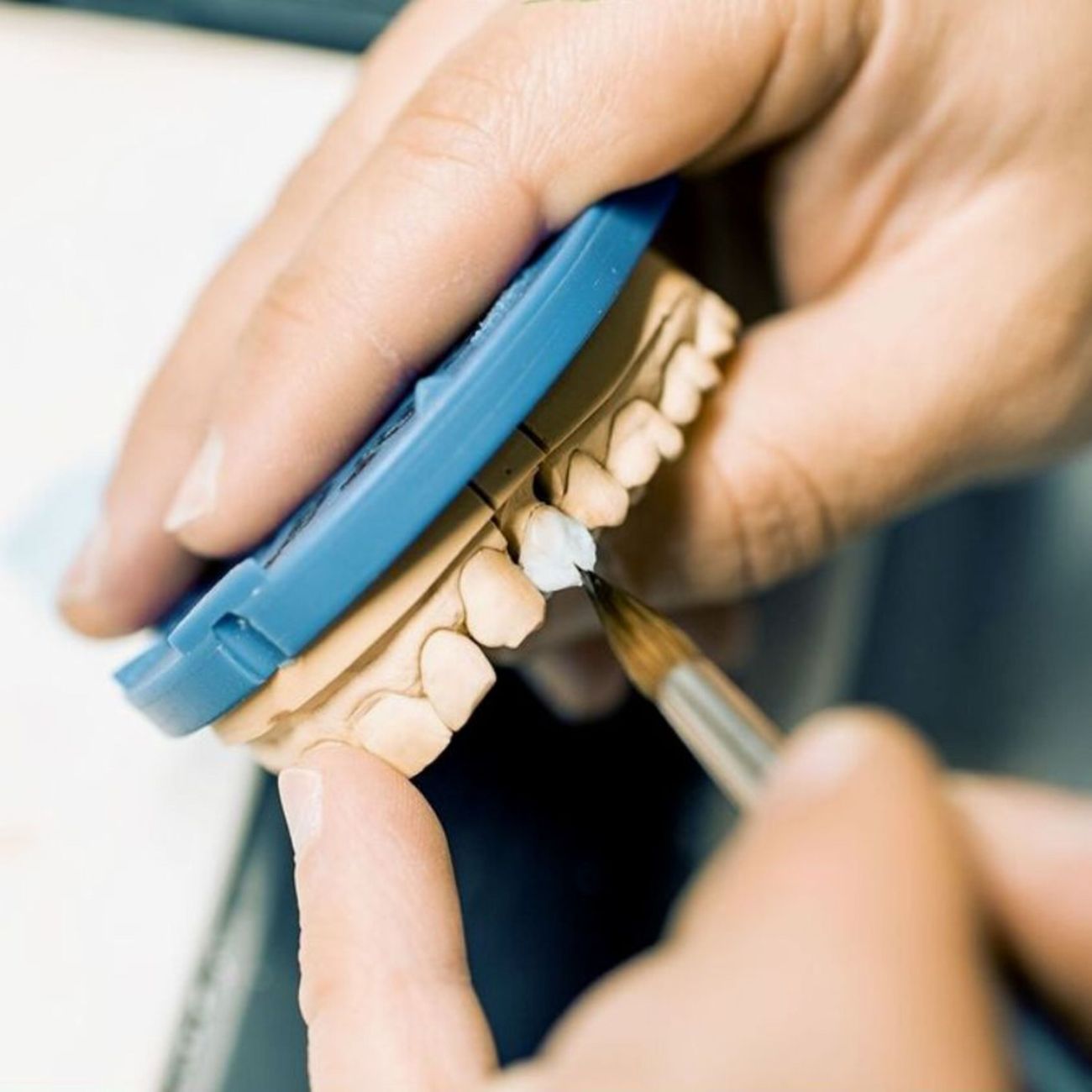
Robotics for Dental Procedures: Robotics in dentistry refers to the use of advanced technology, particularly robots, to assist in various dental procedures. These robots are designed to perform tasks such as tooth preparation, implant placement, and other intricate procedures with precision and accuracy.
AI for Advanced General Dentistry: Artificial Intelligence (AI) is revolutionizing the field of dentistry by providing advanced tools and technologies to improve diagnosis, treatment planning, and patient care. AI algorithms can analyze vast amounts of data to assist dentists in making informed decisions and delivering personalized treatment plans.
Key Terms and Vocabulary:
1. Robotics: Robotics is a branch of engineering and technology that deals with the design, construction, operation, and application of robots. In dentistry, robots are used to perform tasks that require precision and dexterity, such as drilling, tooth extraction, and implant placement.
2. Artificial Intelligence (AI): Artificial Intelligence refers to the simulation of human intelligence in machines that are programmed to think and act like humans. In dentistry, AI is used to analyze patient data, assist in diagnosis, and create treatment plans based on the information gathered.
3. Automation: Automation is the use of control systems to operate and control processes without human intervention. In dentistry, automation can be seen in robotic systems that perform tasks such as tooth preparation and implant placement with minimal human involvement.
4. Machine Learning: Machine Learning is a subset of AI that enables machines to learn from data and improve their performance over time without being explicitly programmed. In dentistry, machine learning algorithms can analyze patient data to predict outcomes and assist in treatment planning.
5. 3D Printing: 3D printing is a manufacturing process that creates three-dimensional objects by layering material based on a digital model. In dentistry, 3D printing is used to create dental implants, crowns, and other prosthetic devices with precision and accuracy.
6. Virtual Reality (VR): Virtual Reality is a computer-generated environment that simulates a realistic experience. In dentistry, VR technology is used for training purposes, allowing students and dentists to practice procedures in a simulated environment before performing them on patients.
7. Haptic Feedback: Haptic feedback is the use of tactile sensations to communicate with users. In dentistry, haptic feedback technology is used in robotic systems to provide dentists with a sense of touch and pressure while performing procedures, improving accuracy and precision.
8. Teledentistry: Teledentistry is the use of telecommunications technology to provide dental care remotely. Dentists can diagnose, consult, and monitor patients through video conferencing and other virtual platforms, expanding access to care in remote or underserved areas.
9. CAD/CAM: Computer-Aided Design/Computer-Aided Manufacturing (CAD/CAM) is a technology that allows dentists to design and fabricate dental restorations, such as crowns and bridges, using computer software and automated manufacturing processes for precise and customized results.
10. Intraoral Scanners: Intraoral scanners are devices used to capture digital impressions of the mouth and teeth, eliminating the need for messy traditional impression materials. These scans provide accurate data for designing dental restorations and treatment plans.
11. Biocompatibility: Biocompatibility refers to the ability of a material to interact safely with biological systems without causing harm. In dentistry, biocompatible materials are used for dental implants, prosthetics, and other devices to ensure compatibility with the human body.
12. Cone Beam Computed Tomography (CBCT): Cone Beam Computed Tomography is a specialized imaging technique that provides detailed 3D images of the teeth, jaw, and surrounding structures. CBCT is used in dentistry for accurate diagnosis, treatment planning, and implant placement.
13. Robotics-Assisted Surgery: Robotics-assisted surgery involves the use of robotic systems to assist surgeons in performing minimally invasive procedures with precision and control. In dentistry, robotics-assisted surgery is used for procedures such as implant placement and orthognathic surgery.
14. Endodontic Robotics: Endodontic robotics involves the use of robotic systems to assist in root canal procedures, such as cleaning and shaping the root canals with precision and efficiency. These systems help dentists achieve optimal results in complex endodontic cases.
15. Implantology: Implantology is a branch of dentistry that focuses on the placement and restoration of dental implants to replace missing teeth. Robotics in implantology can assist in precise implant placement, improving success rates and patient outcomes.
16. Periodontal Robotics: Periodontal robotics involves the use of robotic systems to assist in periodontal procedures, such as scaling and root planing, with precision and efficiency. These systems help dentists provide optimal care for patients with gum disease.
17. Prosthodontics: Prosthodontics is a dental specialty that focuses on the restoration and replacement of teeth using prosthetic devices, such as crowns, bridges, and dentures. Robotics in prosthodontics can assist in fabricating custom-made prostheses with high precision and accuracy.
18. Augmented Reality (AR): Augmented Reality is a technology that superimposes computer-generated images onto the real world. In dentistry, AR can be used for treatment planning, guiding dentists during procedures, and enhancing patient education and communication.
19. Stereolithography: Stereolithography is a 3D printing technology that uses a laser to cure liquid resin into solid objects layer by layer. In dentistry, stereolithography is used to fabricate surgical guides, models, and other dental devices with high accuracy and resolution.
20. Nanorobotics: Nanorobotics involves the design and construction of nanoscale robots that can perform tasks at the molecular and cellular levels. In dentistry, nanorobotics holds the potential for targeted drug delivery, biofilm removal, and other advanced applications for oral health.
21. Remote Monitoring: Remote monitoring involves the use of sensors and digital technology to track patients' oral health status and treatment progress from a distance. Dentists can monitor patients' compliance with oral hygiene routines, orthodontic treatments, and other interventions remotely.
22. Workflow Optimization: Workflow optimization refers to the process of streamlining and improving the efficiency of dental procedures through the use of technology and automation. Robotics and AI can help dentists optimize workflows, reduce errors, and enhance patient satisfaction.
23. Data Security: Data security is the protection of sensitive patient information and digital records from unauthorized access, theft, or misuse. Dentists must ensure that patient data collected through robotics and AI systems is encrypted, backed up, and compliant with privacy regulations.
24. Ethical Considerations: Ethical considerations in robotics and AI for dentistry involve issues such as patient consent, data privacy, transparency, and accountability. Dentists must uphold ethical standards and guidelines when using advanced technologies to ensure patient trust and well-being.
25. Training and Education: Training and education in robotics and AI for dentistry are essential for dentists, dental students, and dental professionals to acquire the skills and knowledge needed to leverage these technologies effectively. Continuous learning and professional development are key to staying current in the rapidly evolving field of dental technology.
Practical Applications:
Robotics and AI have numerous practical applications in dentistry, including:
- Guided implant surgery: Robotics-assisted systems can help dentists place dental implants with high precision and accuracy, improving implant success rates and patient outcomes. - Automated restorations: CAD/CAM technology allows dentists to design and fabricate dental restorations, such as crowns and bridges, in a single visit, saving time and improving patient convenience. - Virtual treatment planning: AI algorithms can analyze patient data, such as 3D scans and medical history, to create personalized treatment plans and simulate outcomes before performing procedures. - Remote consultations: Teledentistry platforms enable dentists to consult with patients remotely, provide virtual diagnoses, and monitor treatment progress without the need for in-person visits. - Patient education: Augmented Reality tools can enhance patient education by visualizing treatment options, demonstrating procedures, and improving communication between dentists and patients.
Challenges:
Despite the benefits of robotics and AI in dentistry, there are several challenges to consider, including:
- Cost: Implementing robotics and AI technologies in dental practices can be expensive, requiring significant investment in equipment, training, and maintenance. - Integration: Integrating robotics and AI systems with existing dental workflows and processes can be complex and time-consuming, requiring careful planning and coordination. - Regulation: Ensuring compliance with regulations and standards for data security, patient privacy, and ethical use of technology is essential to protect patient rights and mitigate legal risks. - Training: Dentists and dental professionals need comprehensive training and education to effectively use robotics and AI tools, requiring ongoing professional development and upskilling. - Acceptance: Some patients may have reservations or concerns about receiving treatment from robotic systems or AI algorithms, requiring dentists to address fears and build trust through communication and education.
In conclusion, robotics and AI are transforming the field of dentistry by providing advanced tools and technologies to improve patient care, treatment outcomes, and practice efficiency. Dentists who embrace these innovations can enhance their skills, expand their services, and deliver high-quality care in the digital age. By understanding key terms, practical applications, and challenges in robotics and AI for dentistry, dental professionals can navigate the evolving landscape of dental technology and harness its potential to revolutionize oral health care.
Key takeaways
- Robotics for Dental Procedures: Robotics in dentistry refers to the use of advanced technology, particularly robots, to assist in various dental procedures.
- AI for Advanced General Dentistry: Artificial Intelligence (AI) is revolutionizing the field of dentistry by providing advanced tools and technologies to improve diagnosis, treatment planning, and patient care.
- Robotics: Robotics is a branch of engineering and technology that deals with the design, construction, operation, and application of robots.
- Artificial Intelligence (AI): Artificial Intelligence refers to the simulation of human intelligence in machines that are programmed to think and act like humans.
- In dentistry, automation can be seen in robotic systems that perform tasks such as tooth preparation and implant placement with minimal human involvement.
- Machine Learning: Machine Learning is a subset of AI that enables machines to learn from data and improve their performance over time without being explicitly programmed.
- 3D Printing: 3D printing is a manufacturing process that creates three-dimensional objects by layering material based on a digital model.