
Cultural and Spiritual Considerations in Paediatric Palliative Care
Cultural and Spiritual Considerations in Paediatric Palliative Care
Cultural and Spiritual Considerations in Paediatric Palliative Care
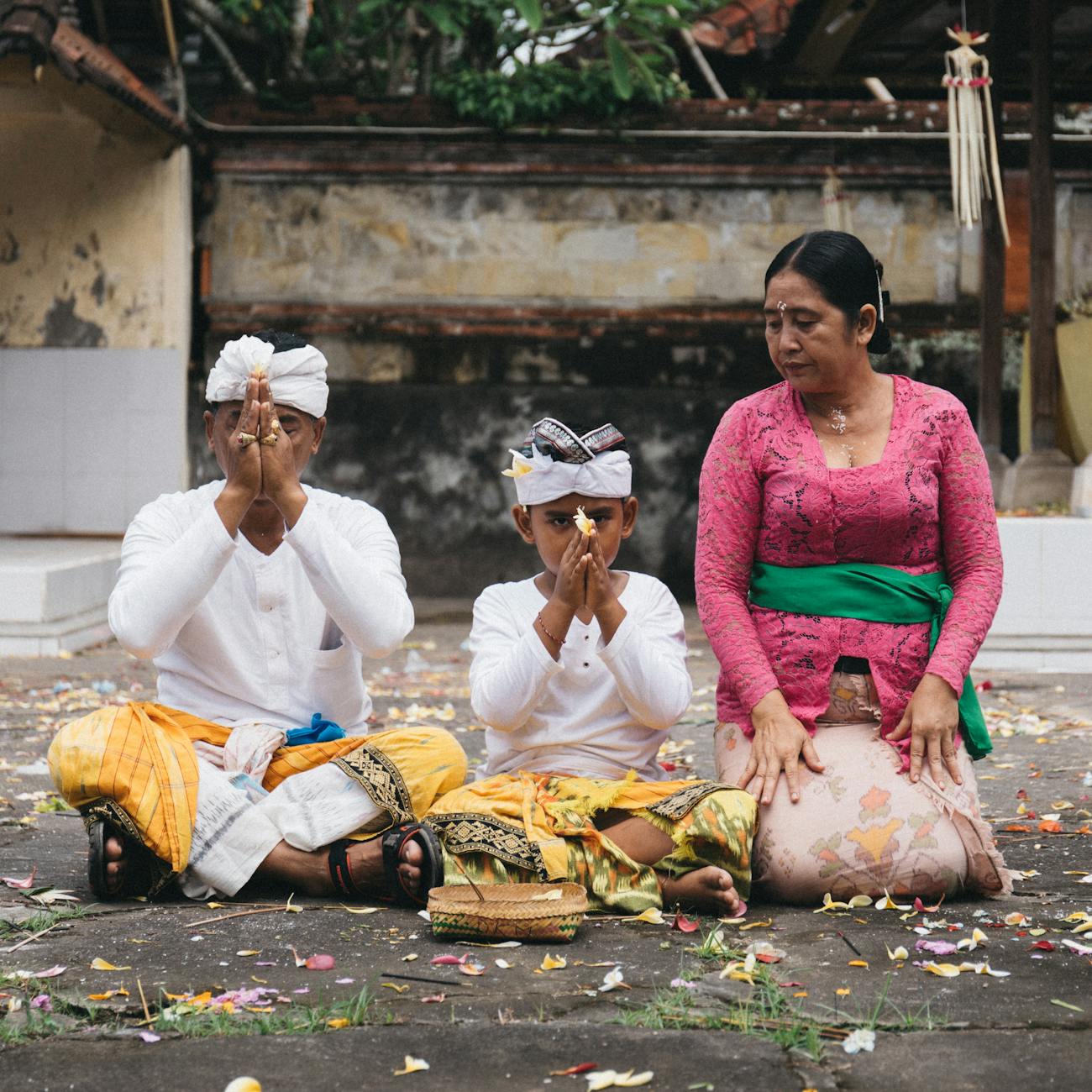
In the field of paediatric palliative care, it is crucial to recognize and address the diverse cultural and spiritual beliefs of patients and their families. Understanding these considerations is essential for providing holistic and compassionate care to children facing life-limiting conditions. This guide will explore key terms and vocabulary related to cultural and spiritual considerations in paediatric palliative care.
Culture
Culture refers to the shared values, beliefs, traditions, and practices of a particular group of people. It encompasses various aspects of life, including language, religion, customs, and social norms. In paediatric palliative care, understanding the cultural background of patients and families is essential for delivering culturally sensitive care. Cultural factors can influence how individuals perceive illness, death, and end-of-life care. It is important to respect and accommodate cultural differences to ensure that patients receive care that aligns with their values and preferences.
Spirituality
Spirituality is a broad concept that involves seeking meaning and purpose in life, as well as a connection to something greater than oneself. It can encompass religious beliefs, practices, values, and experiences. In paediatric palliative care, spirituality plays a significant role in how patients and families cope with illness, suffering, and loss. Addressing spiritual needs can enhance the quality of life for children with life-limiting conditions and their families. Healthcare providers should be sensitive to the spiritual beliefs and practices of patients and offer support that aligns with their spiritual values.
Cultural Competence
Cultural competence refers to the ability of healthcare providers to effectively work with individuals from diverse cultural backgrounds. It involves understanding and respecting the cultural beliefs, values, and practices of patients and adapting care to meet their specific needs. In paediatric palliative care, cultural competence is essential for building trusting relationships with patients and families and delivering personalized care. Healthcare providers should receive training in cultural competence to ensure that they can effectively communicate and collaborate with individuals from different cultural backgrounds.
Spiritual Assessment
Spiritual assessment involves evaluating a patient's spiritual beliefs, values, and practices to understand how these aspects may impact their healthcare decisions and preferences. In paediatric palliative care, conducting a spiritual assessment can help healthcare providers identify the spiritual needs of patients and families and provide appropriate support. It is essential to approach spiritual assessment with sensitivity and respect, allowing patients and families to share their beliefs and concerns openly. By addressing spiritual needs, healthcare providers can enhance the spiritual well-being of patients and support them in coping with the challenges of serious illness.
Advance Care Planning
Advance care planning involves discussing and documenting a patient's preferences for medical care in the event that they are unable to make decisions for themselves. It allows patients to express their values, goals, and wishes regarding end-of-life care and helps healthcare providers ensure that care aligns with the patient's wishes. In paediatric palliative care, advance care planning is essential for supporting children and families in making difficult decisions about treatment and end-of-life care. Healthcare providers should engage in advance care planning discussions with sensitivity and respect, allowing families to express their cultural and spiritual values in the decision-making process.
Family-Centered Care
Family-centered care is an approach to healthcare that recognizes the importance of involving families in the care of pediatric patients. It acknowledges that families are essential partners in the care team and that their input and involvement are crucial for decision-making and care planning. In paediatric palliative care, family-centered care is essential for supporting families in coping with the challenges of caring for a child with a life-limiting condition. Healthcare providers should collaborate with families, respect their cultural and spiritual beliefs, and involve them in decision-making to ensure that care is family-centered and responsive to their needs.
Interdisciplinary Team
An interdisciplinary team is a group of healthcare professionals from different disciplines who collaborate to provide comprehensive care to patients. In paediatric palliative care, an interdisciplinary team typically includes physicians, nurses, social workers, chaplains, and other healthcare providers who work together to address the physical, emotional, social, and spiritual needs of patients and families. Collaboration among team members is essential for delivering holistic care that addresses the diverse needs of pediatric patients with life-limiting conditions. Healthcare providers should communicate effectively, respect each other's expertise, and work together to develop individualized care plans that reflect the cultural and spiritual values of patients and families.
Communication
Effective communication is essential in paediatric palliative care to ensure that patients, families, and healthcare providers can openly discuss concerns, preferences, and goals of care. Communication should be sensitive, clear, and respectful of cultural and spiritual beliefs. Healthcare providers should listen actively, ask open-ended questions, and use language that is appropriate for the patient's age and developmental level. By fostering open communication, healthcare providers can build trust with patients and families, address their concerns, and collaborate effectively in care planning and decision-making.
Pain and Symptom Management
Pain and symptom management are essential components of paediatric palliative care to ensure that children with life-limiting conditions are comfortable and experience the best possible quality of life. Healthcare providers should assess and treat pain and other symptoms promptly and effectively, taking into account the child's cultural and spiritual beliefs. Pain management strategies may include medications, complementary therapies, and non-pharmacological interventions. It is important to involve patients and families in decision-making about pain and symptom management and to respect their preferences for care.
Bereavement Support
Bereavement support involves providing emotional, psychological, and spiritual support to families following the death of a child. In paediatric palliative care, bereavement support is essential for helping families cope with grief and loss and adjust to life without their child. Healthcare providers should offer compassionate care, listen to families' concerns, and provide resources for grief counseling and support groups. Bereavement support should be culturally sensitive and respectful of families' spiritual beliefs to ensure that families receive the support they need during the grieving process.
Challenges
Paediatric palliative care presents unique challenges related to cultural and spiritual considerations. Healthcare providers may encounter language barriers, cultural differences in beliefs about illness and death, and challenges in addressing spiritual needs. It is important for healthcare providers to be aware of their own biases and assumptions and to approach care with cultural humility and sensitivity. Building trust with patients and families from diverse cultural backgrounds requires open communication, respect for cultural beliefs, and a willingness to learn from patients and families.
Conclusion
In conclusion, cultural and spiritual considerations play a significant role in paediatric palliative care. Understanding and addressing the cultural and spiritual beliefs of patients and families is essential for providing compassionate and holistic care. Healthcare providers should strive to be culturally competent, conduct spiritual assessments, engage in advance care planning, and offer family-centered care that respects the values and preferences of patients and families. By addressing cultural and spiritual considerations, healthcare providers can enhance the quality of life for children with life-limiting conditions and support families in coping with the challenges of serious illness and loss.
Key takeaways
- In the field of paediatric palliative care, it is crucial to recognize and address the diverse cultural and spiritual beliefs of patients and their families.
- In paediatric palliative care, understanding the cultural background of patients and families is essential for delivering culturally sensitive care.
- Healthcare providers should be sensitive to the spiritual beliefs and practices of patients and offer support that aligns with their spiritual values.
- Healthcare providers should receive training in cultural competence to ensure that they can effectively communicate and collaborate with individuals from different cultural backgrounds.
- In paediatric palliative care, conducting a spiritual assessment can help healthcare providers identify the spiritual needs of patients and families and provide appropriate support.
- Healthcare providers should engage in advance care planning discussions with sensitivity and respect, allowing families to express their cultural and spiritual values in the decision-making process.
- Healthcare providers should collaborate with families, respect their cultural and spiritual beliefs, and involve them in decision-making to ensure that care is family-centered and responsive to their needs.