
Supporting Families in Paediatric Palliative Care
Supporting Families in Paediatric Palliative Care
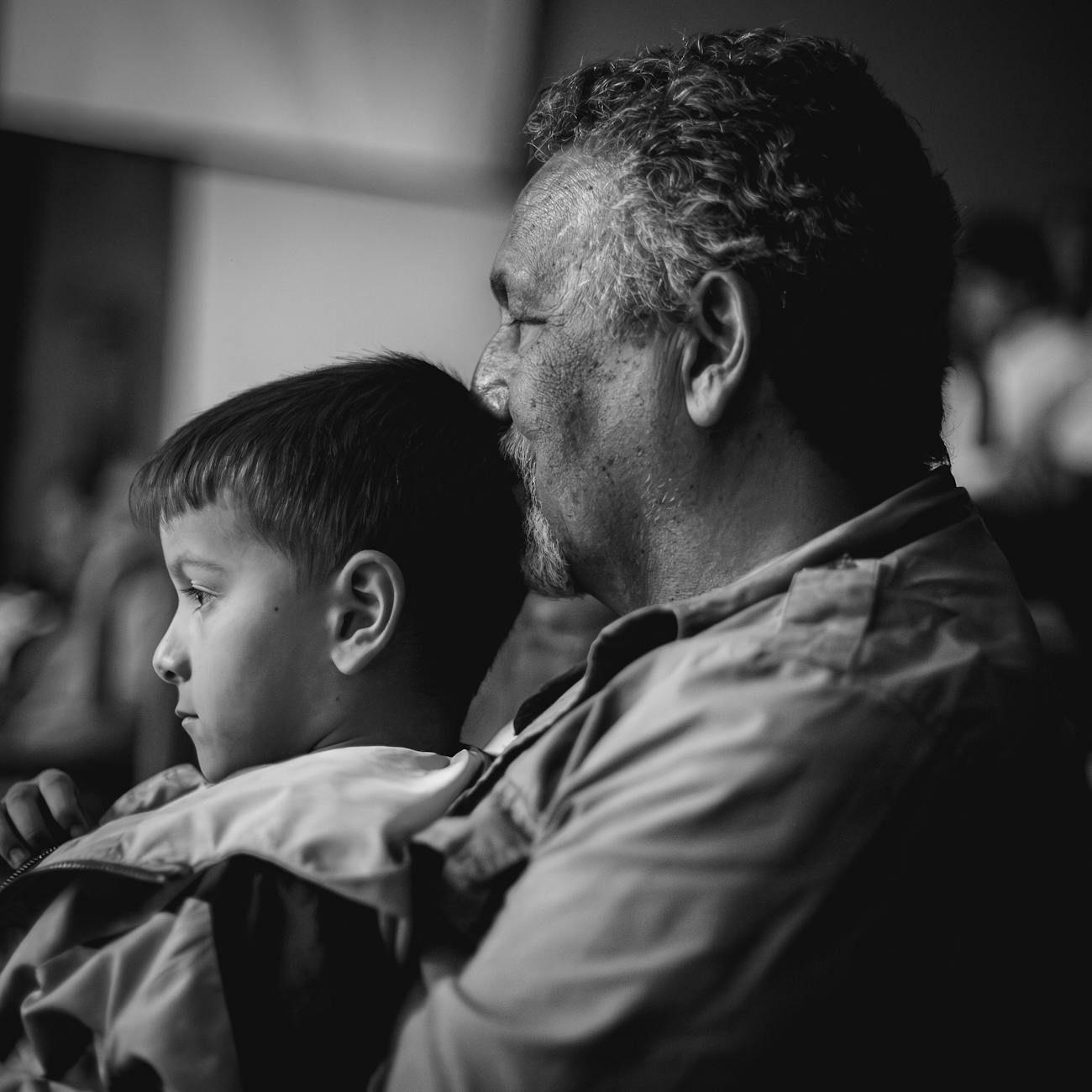
Supporting Families in Paediatric Palliative Care
Supporting families in paediatric palliative care is a crucial aspect of providing holistic and compassionate care to children with life-limiting illnesses. It involves not only addressing the medical needs of the child but also providing emotional, psychological, social, and spiritual support to the entire family unit. This comprehensive approach ensures that families feel supported, informed, and empowered throughout their journey with their child's illness.
Key Terms and Vocabulary:
1. Palliative Care: Palliative care is specialized medical care for people with serious illnesses. It focuses on providing relief from the symptoms and stress of a serious illness, with the goal of improving quality of life for both the patient and their family. In paediatric palliative care, the focus is on children with life-limiting illnesses.
2. Life-Limiting Illness: A life-limiting illness is a condition for which there is no reasonable hope of cure and from which the child will die. These illnesses may be chronic, progressive, and degenerative, requiring ongoing medical care and support.
3. Holistic Care: Holistic care considers the physical, emotional, social, and spiritual needs of the patient and their family. It aims to provide comprehensive support that addresses all aspects of well-being.
4. Family-Centered Care: Family-centered care recognizes the family as the constant in a child's life and seeks to involve them in all aspects of the child's care. It acknowledges the expertise and unique perspective that families bring to the care team.
5. Advance Care Planning: Advance care planning involves discussing and documenting a child's and family's wishes and preferences for future medical care. This process helps ensure that the child's care aligns with their values and goals.
6. Palliative Care Team: The palliative care team is a multidisciplinary team of healthcare professionals who work together to provide specialized care to children with life-limiting illnesses and their families. This team may include physicians, nurses, social workers, chaplains, and other specialists.
7. Respite Care: Respite care provides temporary relief to family caregivers by allowing them to take a break from their caregiving responsibilities. This service can help prevent caregiver burnout and support the overall well-being of the family.
8. Bereavement Support: Bereavement support involves providing emotional and practical support to families following the death of a child. This support may include counseling, support groups, and resources to help families navigate the grieving process.
9. Psychosocial Support: Psychosocial support addresses the emotional and social needs of children and families facing life-limiting illnesses. This support may include counseling, therapy, and support groups to help families cope with the challenges they are facing.
10. Symptom Management: Symptom management focuses on controlling and relieving the symptoms of a child's illness, such as pain, nausea, and fatigue. Effective symptom management is essential in providing quality palliative care.
11. Communication Skills: Communication skills are essential in paediatric palliative care to facilitate open and honest discussions with children and families about their illness, treatment options, and end-of-life care. Effective communication helps build trust and understanding within the care team.
12. Cultural Competence: Cultural competence involves understanding and respecting the cultural beliefs, values, and practices of children and families from diverse backgrounds. Cultural competence is essential in providing individualized and culturally sensitive care.
13. Spiritual Care: Spiritual care addresses the spiritual and existential needs of children and families facing life-limiting illnesses. It may involve providing support, guidance, and resources to help families find meaning and purpose in their experience.
14. End-of-Life Care: End-of-life care focuses on providing comfort and support to children and families as they approach the end of life. This care may involve pain management, symptom control, emotional support, and spiritual care to ensure a peaceful and dignified transition.
15. Decision-Making: Decision-making in paediatric palliative care involves collaborating with children and families to make informed decisions about their care. It requires considering the child's wishes, values, and goals, as well as the input of the care team.
16. Quality of Life: Quality of life in paediatric palliative care refers to the overall well-being and comfort of the child and family. It involves addressing physical, emotional, social, and spiritual needs to ensure the highest possible quality of life.
17. Supportive Care: Supportive care focuses on providing physical, emotional, and practical support to children and families facing life-limiting illnesses. This care aims to alleviate suffering and enhance quality of life for the entire family unit.
18. Transition Planning: Transition planning involves preparing children and families for transitions in care, such as moving from curative to palliative care or from hospital to home. It ensures continuity of care and support throughout the care journey.
19. Parental Advocacy: Parental advocacy involves parents advocating for the best interests of their child within the healthcare system. It may involve speaking up for their child's needs, seeking second opinions, and ensuring that their child's wishes are respected.
20. Interdisciplinary Collaboration: Interdisciplinary collaboration involves healthcare professionals from different disciplines working together to provide comprehensive care to children and families. It promotes a holistic approach to care that addresses all aspects of well-being.
Supporting families in paediatric palliative care requires a collaborative and compassionate approach that addresses the unique needs and challenges faced by children and families dealing with life-limiting illnesses. By providing holistic care, effective communication, and cultural competence, healthcare professionals can help families navigate their journey with compassion and dignity.
Key takeaways
- It involves not only addressing the medical needs of the child but also providing emotional, psychological, social, and spiritual support to the entire family unit.
- It focuses on providing relief from the symptoms and stress of a serious illness, with the goal of improving quality of life for both the patient and their family.
- Life-Limiting Illness: A life-limiting illness is a condition for which there is no reasonable hope of cure and from which the child will die.
- Holistic Care: Holistic care considers the physical, emotional, social, and spiritual needs of the patient and their family.
- Family-Centered Care: Family-centered care recognizes the family as the constant in a child's life and seeks to involve them in all aspects of the child's care.
- Advance Care Planning: Advance care planning involves discussing and documenting a child's and family's wishes and preferences for future medical care.
- Palliative Care Team: The palliative care team is a multidisciplinary team of healthcare professionals who work together to provide specialized care to children with life-limiting illnesses and their families.