
Automated Disease Detection in Retinal Imaging
Automated disease detection in retinal imaging is a key application of artificial intelligence (AI) in ophthalmology. This process involves the use of advanced algorithms and machine learning techniques to analyze retinal images and identif…
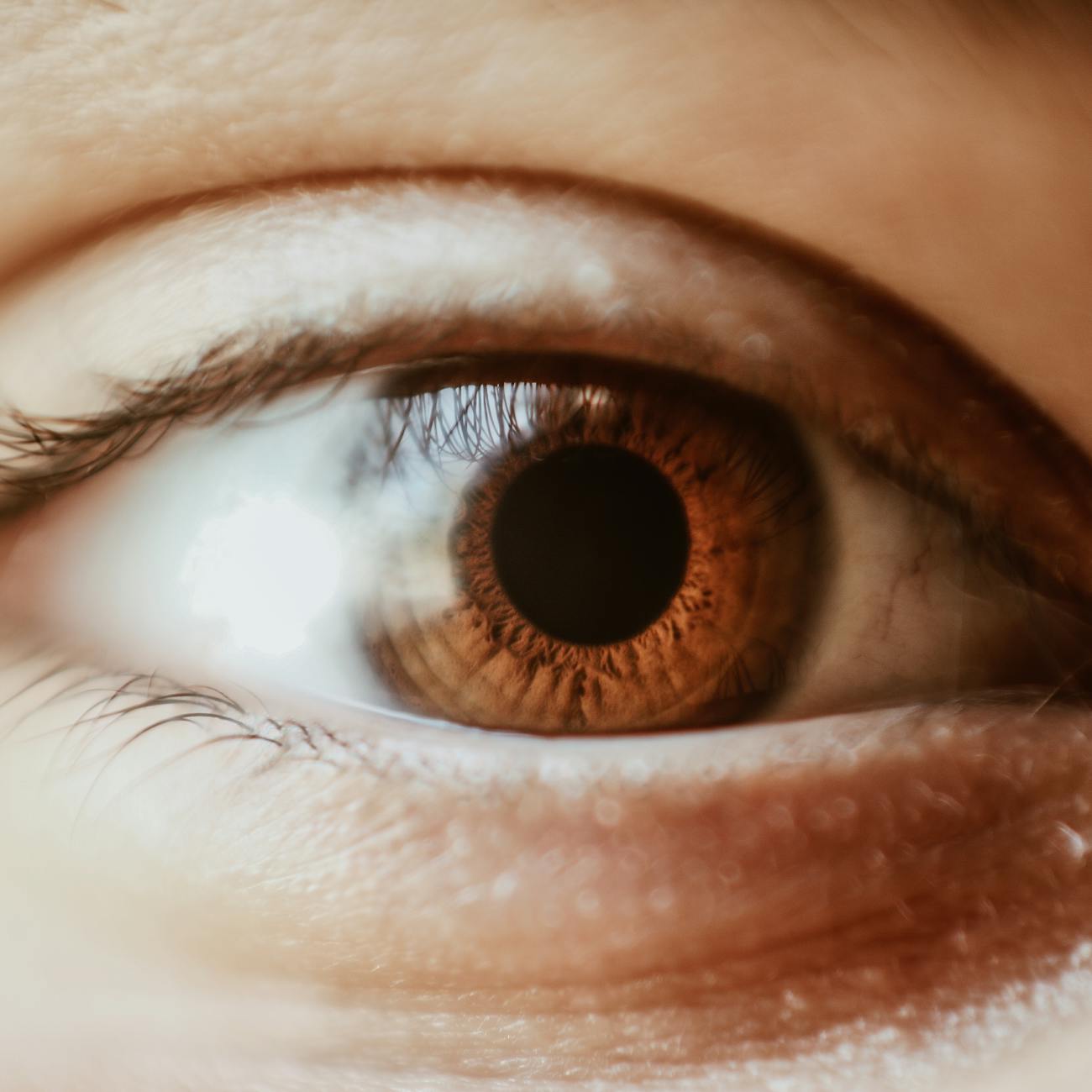
Automated disease detection in retinal imaging is a key application of artificial intelligence (AI) in ophthalmology. This process involves the use of advanced algorithms and machine learning techniques to analyze retinal images and identify signs of various diseases, such as diabetic retinopathy, age-related macular degeneration, and glaucoma. In this explanation, we will discuss some of the key terms and vocabulary related to automated disease detection in retinal imaging in the context of a Postgraduate Certificate in AI in Ophthalmology.
1. Retinal imaging: Retinal imaging is the process of capturing images of the inside of the eye, specifically the retina, using specialized cameras and imaging techniques. These images can provide valuable information about the health of the eye and can be used to diagnose and monitor various eye conditions and diseases. 2. Artificial intelligence (AI): AI refers to the development of computer systems that can perform tasks that typically require human intelligence, such as visual perception, speech recognition, and decision-making. AI is being increasingly used in ophthalmology to automate various tasks, including disease detection in retinal imaging. 3. Machine learning: Machine learning is a type of AI that involves the use of algorithms to analyze data and learn patterns and trends. In the context of automated disease detection in retinal imaging, machine learning algorithms are trained on large datasets of retinal images and are able to identify signs of various diseases based on the patterns and features learned from the training data. 4. Deep learning: Deep learning is a type of machine learning that involves the use of artificial neural networks, which are modeled after the structure and function of the human brain. Deep learning algorithms are able to learn and extract features from large datasets of retinal images, making them particularly well-suited for automated disease detection. 5. Convolutional neural networks (CNNs): CNNs are a type of deep learning algorithm that are commonly used for image analysis and classification tasks. In the context of automated disease detection in retinal imaging, CNNs are trained on large datasets of retinal images and are able to identify signs of various diseases by learning and extracting features from the images. 6. Image segmentation: Image segmentation is the process of dividing an image into multiple regions or segments based on specific criteria, such as color, texture, or intensity. In the context of automated disease detection in retinal imaging, image segmentation is used to isolate and analyze specific areas of the retina, such as the optic disc or blood vessels, in order to identify signs of disease. 7. Optic disc: The optic disc is the circular area at the back of the eye where the optic nerve enters the eye. It is an important structure in the eye and is often used as a reference point for measuring various aspects of the eye, such as the cup-to-disc ratio, which can be used to diagnose and monitor glaucoma. 8. Blood vessels: The blood vessels in the retina are responsible for delivering oxygen and nutrients to the retina. Abnormalities in the blood vessels, such as narrowing or leakage, can be signs of various eye conditions and diseases, including diabetic retinopathy and age-related macular degeneration. 9. Diabetic retinopathy: Diabetic retinopathy is a common complication of diabetes that affects the blood vessels in the retina. It is a leading cause of blindness in working-age adults and is typically characterized by the presence of microaneurysms, hemorrhages, and exudates in the retina. 10. Age-related macular degeneration (AMD): AMD is a common eye condition that affects the macula, which is the central area of the retina responsible for sharp, central vision. AMD is typically characterized by the presence of drusen, which are yellowish deposits that form under the retina, and can lead to the loss of central vision if left untreated. 11. Glaucoma: Glaucoma is a group of eye conditions that damage the optic nerve and can lead to vision loss and blindness. It is typically characterized by an increase in pressure within the eye, which can damage the optic nerve and lead to the loss of peripheral vision. 12. Sensitivity and specificity: Sensitivity and specificity are statistical measures used to evaluate the performance of a diagnostic test. Sensitivity refers to the ability of a test to correctly identify true positives, while specificity refers to the ability of a test to correctly identify true negatives. 13. Receiver operating characteristic (ROC) curve: An ROC curve is a graphical representation of the performance of a diagnostic test. It plots the true positive rate (sensitivity) against the false positive rate (1-specificity) for a range of threshold values. 14. Area under the ROC curve (AUC): The AUC is a measure of the overall performance of a diagnostic test, with higher values indicating better performance. An AUC of 1.0 indicates a perfect test, while an AUC of 0.5 indicates a test with no discriminatory power. 15. Challenges: There are several challenges associated with automated disease detection in retinal imaging, including the need for large and diverse datasets for training and testing algorithms, the need for robust and accurate algorithms that can generalize to different populations and imaging devices, and the need for user-friendly and accessible tools for clinical implementation.
In conclusion, automated disease detection in retinal imaging is a key application of AI in ophthalmology. This process involves the use of advanced algorithms and machine learning techniques to analyze retinal images and identify signs of various diseases. Key terms and vocabulary related to automated disease detection in retinal imaging include retinal imaging, artificial intelligence (AI), machine learning, deep learning, convolutional neural networks (CNNs), image segmentation, optic disc, blood vessels, diabetic retinopathy, age-related macular degeneration (AMD), glaucoma, sensitivity and specificity, receiver operating characteristic (ROC) curve, area under the ROC curve (AUC), and challenges. Understanding these terms and concepts is essential for anyone pursuing a Postgraduate Certificate in AI in Ophthalmology.
Key takeaways
- This process involves the use of advanced algorithms and machine learning techniques to analyze retinal images and identify signs of various diseases, such as diabetic retinopathy, age-related macular degeneration, and glaucoma.
- In the context of automated disease detection in retinal imaging, image segmentation is used to isolate and analyze specific areas of the retina, such as the optic disc or blood vessels, in order to identify signs of disease.
- This process involves the use of advanced algorithms and machine learning techniques to analyze retinal images and identify signs of various diseases.