
Diagnosis and Assessment of ADHD
Attention Deficit Hyperactivity Disorder (ADHD) is a neurodevelopmental disorder that affects both children and adults. It is characterized by symptoms of inattention, hyperactivity, and impulsivity that interfere with daily functioning. Th…
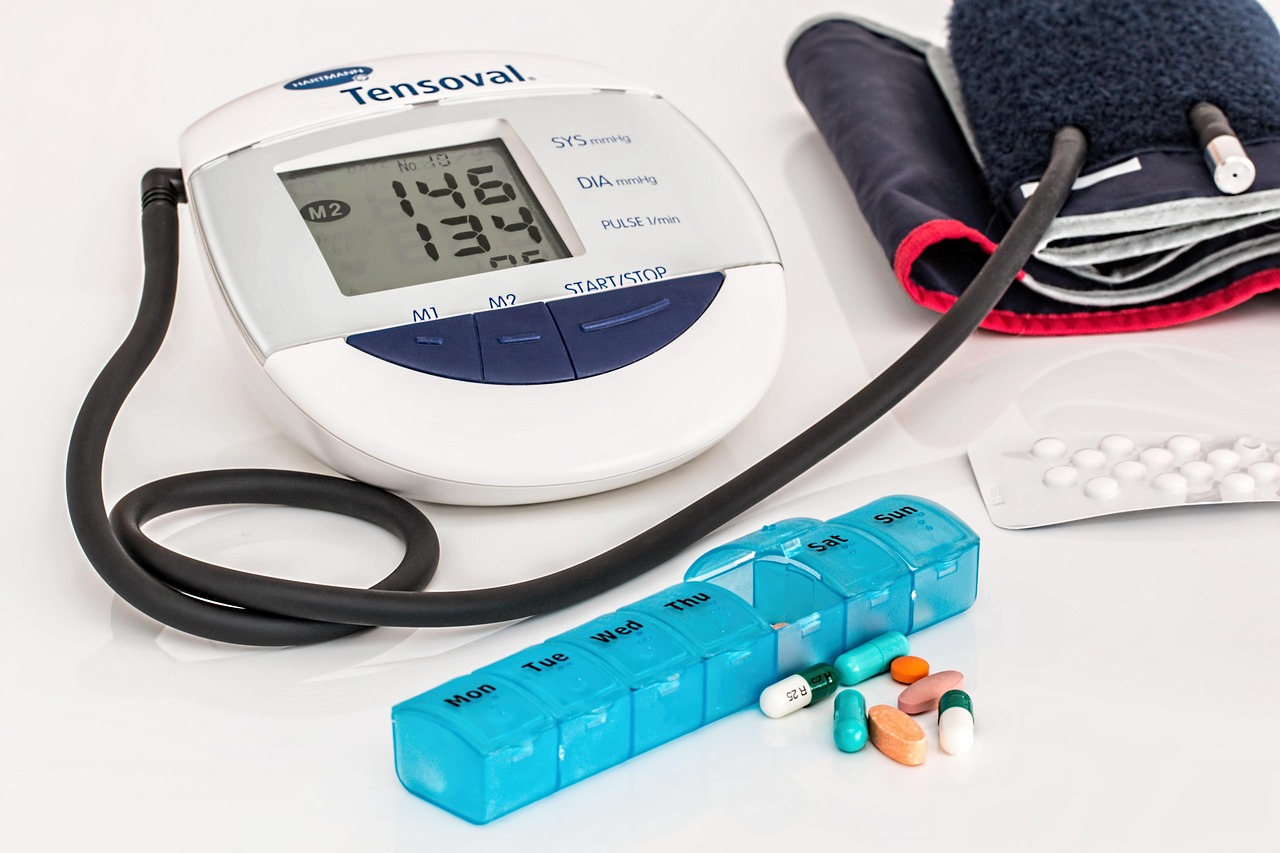
Attention Deficit Hyperactivity Disorder (ADHD) is a neurodevelopmental disorder that affects both children and adults. It is characterized by symptoms of inattention, hyperactivity, and impulsivity that interfere with daily functioning. The Diagnosis and Assessment of ADHD is a critical step in identifying the disorder and developing an effective treatment plan. The following key terms and vocabulary are essential in understanding the process of diagnosing and assessing ADHD in the context of the Advanced Certificate in ADHD Medication Management:
1. DSM-5: The Diagnostic and Statistical Manual of Mental Disorders, Fifth Edition (DSM-5) is a manual published by the American Psychiatric Association that provides criteria for diagnosing mental health disorders, including ADHD. 2. Inattention: Inattention is a core symptom of ADHD that includes difficulty sustaining attention, easily getting distracted, and forgetfulness. 3. Hyperactivity: Hyperactivity is a core symptom of ADHD that includes excessive motor activity, fidgeting, and difficulty sitting still. 4. Impulsivity: Impulsivity is a core symptom of ADHD that includes acting without thinking, interrupting others, and difficulty waiting for one's turn. 5. Onset: The onset of ADHD symptoms typically occurs before the age of 12, although symptoms may not be diagnosed until later in life. 6. Symptoms: The symptoms of ADHD include inattention, hyperactivity, and impulsivity, which must be present for at least six months and occur in two or more settings. 7. Diagnostic criteria: The diagnostic criteria for ADHD include specific symptoms, their duration, and the impact on daily functioning. 8. Differential diagnosis: Differential diagnosis is the process of distinguishing ADHD from other mental health disorders with similar symptoms, such as anxiety or mood disorders. 9. Assessment tools: Assessment tools for ADHD include rating scales, self-report measures, and objective measures of attention and cognitive functioning. 10. Clinical interview: A clinical interview is a structured or unstructured conversation between the clinician and the individual to gather information about symptoms, medical history, and psychosocial functioning. 11. Rating scales: Rating scales are questionnaires completed by the individual, parents, or teachers that assess the presence and severity of ADHD symptoms. 12. Self-report measures: Self-report measures are questionnaires completed by the individual that assess their subjective experience of ADHD symptoms. 13. Objective measures: Objective measures are tests that assess attention and cognitive functioning, such as computerized tests of attention or neuropsychological assessments. 14. Comorbidity: Comorbidity refers to the presence of two or more mental health disorders in the same individual, such as ADHD and anxiety or depression. 15. Medication management: Medication management is the process of prescribing and monitoring medication for ADHD, including selecting the appropriate medication, dosage, and frequency.
Diagnosing and assessing ADHD involves a comprehensive evaluation of symptoms, medical history, and psychosocial functioning. The process typically begins with a clinical interview to gather information about the individual's symptoms, medical history, and any concerns or questions they may have. The clinician may also use rating scales and self-report measures to assess the severity and impact of ADHD symptoms.
Objective measures, such as computerized tests of attention or neuropsychological assessments, may also be used to assess cognitive functioning. These measures can help to identify any underlying cognitive deficits that may be contributing to ADHD symptoms.
In addition to assessing ADHD symptoms, the clinician must also consider any other mental health disorders that may be present. Comorbidity is common in individuals with ADHD, and the presence of other disorders can impact the diagnosis and treatment of ADHD. For example, an individual with ADHD and anxiety may require different treatment than an individual with ADHD and no other disorders.
Once a diagnosis of ADHD has been made, medication management may be necessary. Medication management involves selecting the appropriate medication, dosage, and frequency based on the individual's symptoms, medical history, and any other mental health disorders that may be present. The clinician must also monitor the individual's response to medication and make adjustments as necessary.
Challenges in diagnosing and assessing ADHD can arise when symptoms are mild or overlap with other mental health disorders. In these cases, a comprehensive evaluation may be necessary to distinguish ADHD from other disorders and develop an effective treatment plan. Additionally, cultural and linguistic differences may impact the assessment of ADHD symptoms, and clinicians must be aware of these factors when evaluating individuals from diverse backgrounds.
In summary, the diagnosis and assessment of ADHD involves a comprehensive evaluation of symptoms, medical history, and psychosocial functioning. Key terms and vocabulary, including DSM-5, inattention, hyperactivity, impulsivity, onset, symptoms, diagnostic criteria, differential diagnosis, assessment tools, clinical interview, rating scales, self-report measures, objective measures, comorbidity, and medication management, are essential in understanding the process of diagnosing and assessing ADHD. Challenges in diagnosing and assessing ADHD can arise when symptoms are mild or overlap with other mental health disorders, and clinicians must be aware of these factors when evaluating individuals from diverse backgrounds.
References: American Psychiatric Association. (2013). Diagnostic and statistical manual of mental disorders (5th ed.). Arlington, VA: American Psychiatric Publishing.
Centers for Disease Control and Prevention. (2021). ADHD. Retrieved from
National Institute of Mental Health. (2021). Attention-deficit/hyperactivity disorder. Retrieved from
World Health Organization. (2021). Attention-deficit/hyperactivity disorder. Retrieved from
Key takeaways
- The Diagnosis and Assessment of ADHD is a critical step in identifying the disorder and developing an effective treatment plan.
- DSM-5: The Diagnostic and Statistical Manual of Mental Disorders, Fifth Edition (DSM-5) is a manual published by the American Psychiatric Association that provides criteria for diagnosing mental health disorders, including ADHD.
- The process typically begins with a clinical interview to gather information about the individual's symptoms, medical history, and any concerns or questions they may have.
- Objective measures, such as computerized tests of attention or neuropsychological assessments, may also be used to assess cognitive functioning.
- For example, an individual with ADHD and anxiety may require different treatment than an individual with ADHD and no other disorders.
- Medication management involves selecting the appropriate medication, dosage, and frequency based on the individual's symptoms, medical history, and any other mental health disorders that may be present.
- Additionally, cultural and linguistic differences may impact the assessment of ADHD symptoms, and clinicians must be aware of these factors when evaluating individuals from diverse backgrounds.