
Transportation English
Transportation English is a critical area of study in the Global Certificate in English for Tourism and Hospitality. This section will cover key terms and vocabulary that are essential for understanding and communicating effectively in the …
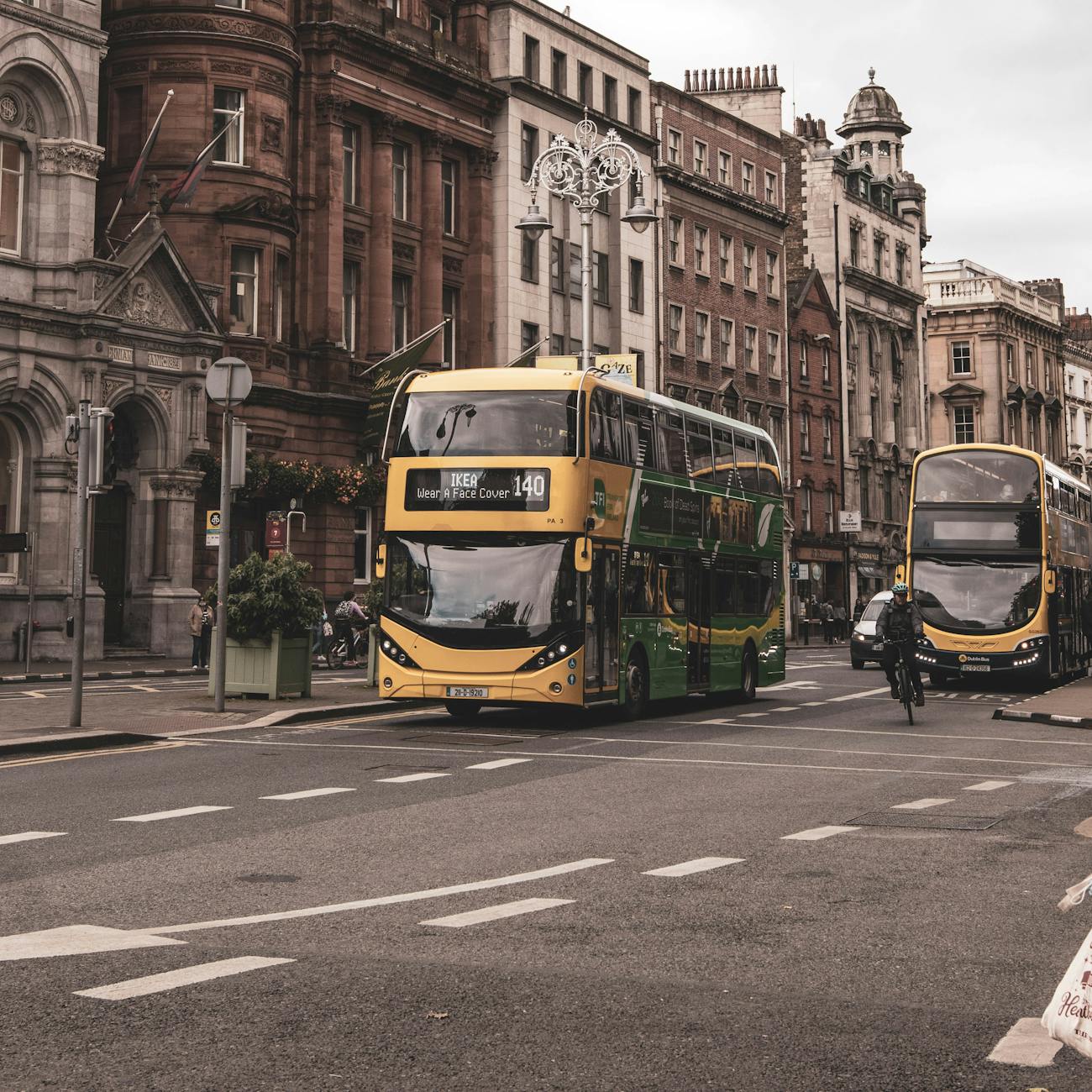
Transportation English is a critical area of study in the Global Certificate in English for Tourism and Hospitality. This section will cover key terms and vocabulary that are essential for understanding and communicating effectively in the transportation sector of the tourism and hospitality industry.
1. Transportation Modes
Transportation modes refer to the various means of transporting people and goods from one place to another. The main transportation modes are:
* Air: This mode of transport involves the use of airplanes, helicopters, and other aircraft to move people and goods through the air. * Road: This mode of transport involves the use of cars, buses, trucks, and other vehicles to move people and goods on roads and highways. * Rail: This mode of transport involves the use of trains to move people and goods on tracks. * Water: This mode of transport involves the use of ships, boats, and other watercraft to move people and goods on waterways, such as rivers, lakes, and oceans.
2. Ticketing
Ticketing is the process of issuing tickets for transportation. There are different types of ticketing systems, including:
* Paper tickets: These are physical tickets that are issued to passengers and must be presented at the time of travel. * E-tickets: These are electronic tickets that are issued via email or mobile device and can be scanned at the time of travel. * Open tickets: These are tickets that allow passengers to travel on a specific route at a later date.
3. Schedules
Schedules refer to the timetables for transportation services. They include information such as departure and arrival times, as well as the duration of the journey. It is essential to check schedules regularly, as they can change due to various factors, such as weather conditions or maintenance work.
4. Baggage
Baggage refers to the personal belongings that passengers bring with them when they travel. There are different types of baggage, including:
* Checked baggage: This is baggage that is checked in at the airport and transported in the cargo hold of the aircraft. * Carry-on baggage: This is baggage that passengers are allowed to bring on board the aircraft and store in the overhead bin or under the seat in front of them.
5. Airport Terminology
Airports have their own unique terminology, including:
* Check-in: This is the process of registering for a flight and dropping off checked baggage. * Gate: This is the location where passengers board the aircraft. * Security checkpoint: This is the area where passengers are screened for security purposes before boarding the aircraft. * Baggage claim: This is the area where passengers retrieve their checked baggage after arriving at their destination.
6. Rail Terminology
Rail travel also has its own unique terminology, including:
* Platform: This is the area where passengers board and exit trains. * Carriage: This is a train car that carries passengers. * Sleeper: This is a type of carriage that has beds for passengers who are traveling overnight. * Timetable: This is the schedule for train departures and arrivals.
7. Road Terminology
Road travel has its own set of terminology, including:
* Highway: This is a major road that connects cities and towns. * Interstate: This is a type of highway that is part of the national highway system in the United States. * Toll road: This is a road that requires drivers to pay a fee to use it. * Traffic circle: This is a circular intersection where drivers travel around a central island.
8. Water Terminology
Water travel also has its own unique terminology, including:
* Port: This is a harbor or dock where ships and boats load and unload passengers and cargo. * Deck: This is the outdoor area of a ship or boat. * Cabin: This is a room on a ship or boat where passengers sleep. * Berth: This is a bed or bunk on a ship or boat.
9. Challenges in Transportation English
One of the challenges in Transportation English is the use of technical jargon and industry-specific terminology. It is essential to have a solid understanding of these terms to communicate effectively with colleagues, passengers, and customers.
Another challenge is the need to communicate in a clear and concise manner, particularly in emergency situations. It is crucial to be able to provide accurate and timely information to passengers and customers to ensure their safety and satisfaction.
10. Practical Applications of Transportation English
Transportation English is essential for anyone working in the tourism and hospitality industry, particularly in roles related to transportation services. This includes positions such as:
* Travel agent: Travel agents help customers plan and book travel arrangements, including transportation services. * Tour operator: Tour operators organize and lead tours, which often involve transportation services. * Airline representative: Airline representatives assist passengers with check-in, boarding, and other aspects of air travel. * Train conductor: Train conductors ensure the safe and efficient operation of trains, including collecting tickets and making announcements. * Bus driver: Bus drivers operate buses for public transportation or tour companies. * Ship captain: Ship captains are responsible for the safe and efficient operation of ships, including navigation and crew management.
11. Examples of Transportation English in Use
Here are some examples of how Transportation English is used in the tourism and hospitality industry:
* Airline representative: "Welcome to our airline. May I see your ticket, please? Yes, you are checked in for Flight 123 to Paris, departing from Gate 5 at 2:30 pm. You have assigned seating in Row 12. Your luggage has been checked through to your final destination. Thank you for choosing our airline." * Tour operator: "Good morning, everyone. Welcome to our tour of the city. We will be traveling by bus today, so please make sure to bring your tickets with you. Our first stop will be the historical center of the city, where we will visit the famous cathedral. After that, we will head to the waterfront for a lunch cruise on the river. Please make sure to be back at the bus by 1:30 pm for the afternoon portion of our tour." * Train conductor: "Good afternoon, ladies and gentlemen. This is the 10:00 am train to New York City. Please make sure to have your tickets ready for inspection. We will be making stops in Philadelphia and Baltimore before arriving in New York. The dining car is open for breakfast and lunch, and we will be making announcements for each stop. Thank you for choosing our rail service." * Bus driver: "Good morning, everyone. This is the 8:00 am bus to the city center. Please make sure to have your tickets ready for inspection. We will be making stops at the train station, the bus depot, and the city center. Please remain seated while the bus is in motion and use the handrails when entering and exiting the bus. Thank you for choosing our bus service." * Ship captain: "Good evening, passengers. This is the captain speaking. We are currently sailing through the Mediterranean Sea, and we expect to arrive in Barcelona tomorrow morning at 10:00 am. The weather is clear, and the seas are calm. Dinner will be served in the dining room at 7:00 pm, and there will be live music in the lounge after dinner. Thank you for choosing our cruise line."
In conclusion, Transportation English is a critical area of study in the Global Certificate in English for Tourism and Hospitality. By understanding key terms and vocabulary, learners can communicate effectively in the transportation sector of the tourism and hospitality industry. Whether working as a travel agent, tour operator, airline representative, train conductor, bus driver, or ship captain, Transportation English is essential for success in this field.
Key takeaways
- This section will cover key terms and vocabulary that are essential for understanding and communicating effectively in the transportation sector of the tourism and hospitality industry.
- Transportation modes refer to the various means of transporting people and goods from one place to another.
- * Water: This mode of transport involves the use of ships, boats, and other watercraft to move people and goods on waterways, such as rivers, lakes, and oceans.
- Ticketing is the process of issuing tickets for transportation.
- * E-tickets: These are electronic tickets that are issued via email or mobile device and can be scanned at the time of travel.
- It is essential to check schedules regularly, as they can change due to various factors, such as weather conditions or maintenance work.
- Baggage refers to the personal belongings that passengers bring with them when they travel.