
Food and Beverage English
Food and Beverage (F&B) English is a specialized form of English used in the global hospitality industry. It includes terminology related to food preparation, service, and presentation. In this explanation, we will cover key terms and vocab…
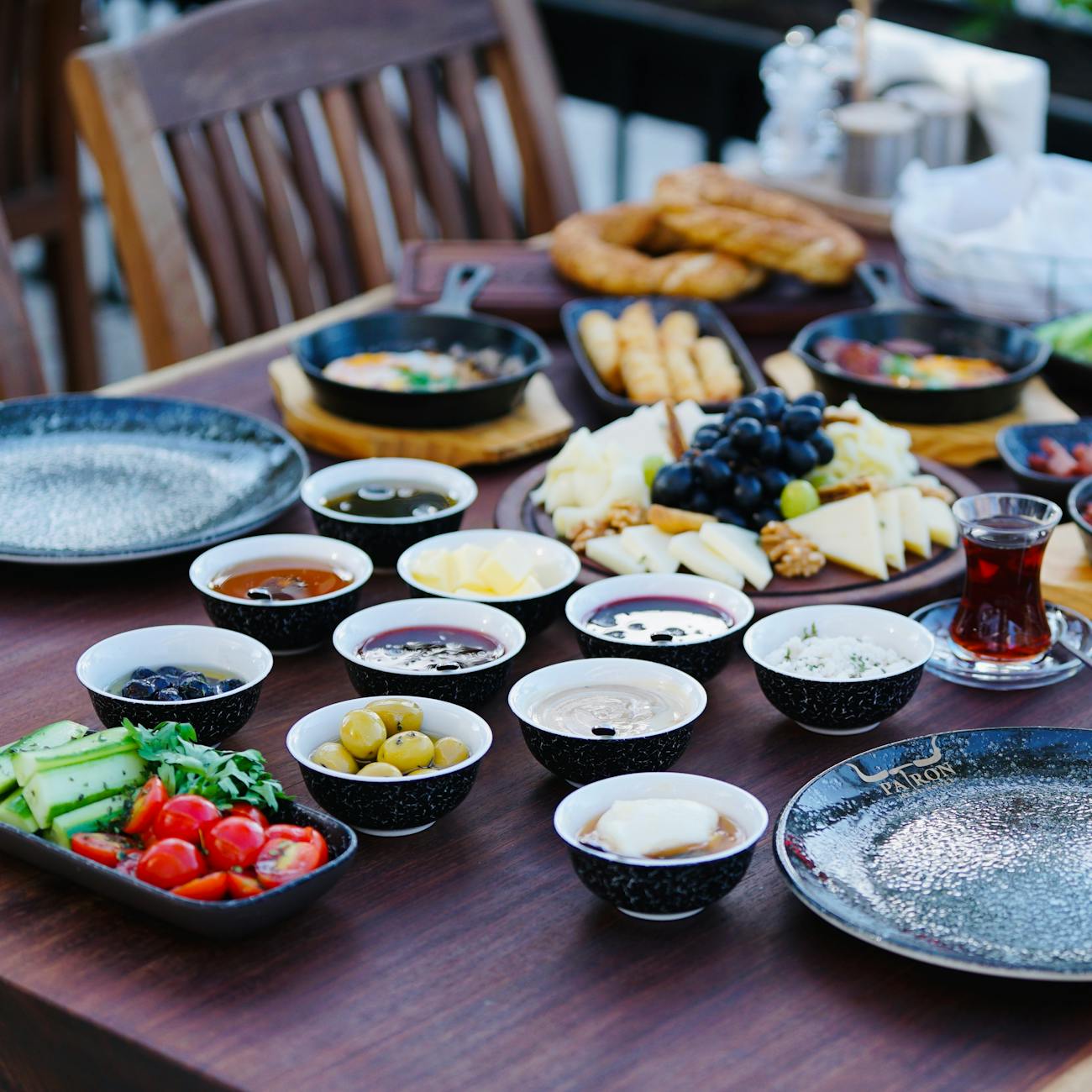
Food and Beverage (F&B) English is a specialized form of English used in the global hospitality industry. It includes terminology related to food preparation, service, and presentation. In this explanation, we will cover key terms and vocabulary related to F&B English in the context of the Global Certificate in English for Tourism and Hospitality.
Menu: A list of food and drinks available at a restaurant, hotel, or other food service establishment.
* Example: The menu offers a variety of dishes, including pasta, salads, and sandwiches. * Practical application: When taking a guest's order, it is important to be familiar with the menu offerings and any specials of the day. * Challenge: Try memorizing the menu of a local restaurant and using the terms correctly when ordering.
Course: A series of dishes served at one time during a meal.
* Example: The first course was a salad, followed by the main course of grilled chicken and vegetables. * Practical application: When explaining the menu to guests, it is helpful to describe the courses in the order they will be served. * Challenge: Practice describing a meal in terms of courses, including appetizers, entrees, and desserts.
Appetizer: A small dish served before the main course to stimulate the appetite.
* Example: The appetizer menu included options such as bruschetta and shrimp cocktail. * Practical application: When recommending appetizers to guests, suggest dishes that will complement their main course. * Challenge: Try preparing a homemade appetizer and using the correct terminology to describe it.
Entrée: The main dish served during a meal.
* Example: The entrée options included steak, salmon, and vegetable lasagna. * Practical application: When taking a guest's order, make sure to clarify whether they are ordering an appetizer or entrée. * Challenge: Practice describing an entrée in detail, including cooking methods and ingredients.
Dessert: A sweet dish served after the main course.
* Example: The dessert menu featured a variety of cakes, pies, and ice cream. * Practical application: When recommending desserts to guests, suggest dishes that will pair well with their entrée or wine. * Challenge: Try preparing a homemade dessert and using the correct terminology to describe it.
Table d'hôte: A fixed-price menu that includes a set number of courses.
* Example: The table d'hôte menu offered a three-course meal for $30. * Practical application: When recommending the table d'hôte menu to guests, explain what courses are included and any options for customization. * Challenge: Practice explaining the concept of a table d'hôte menu and its benefits to guests.
À la carte: A menu that allows guests to order individual dishes instead of a fixed-price menu.
* Example: The à la carte menu offered a variety of dishes, including salads, sandwiches, and entrées. * Practical application: When recommending the à la carte menu to guests, explain the concept and the benefits of ordering individual dishes. * Challenge: Practice describing the à la carte menu options and their ingredients to guests.
Pairing: The act of matching food and drinks to enhance their flavors.
* Example: The wine list included recommendations for pairing with each entrée. * Practical application: When recommending wines or drinks to guests, suggest pairings that will complement their meal. * Challenge: Try pairing different wines or drinks with a meal and noticing how the flavors change.
Portion: The amount of food served in a single serving.
* Example: The portion size of the pasta dish was generous. * Practical application: When taking a guest's order, clarify the portion size of each dish and offer to adjust it if necessary. * Challenge: Practice estimating portion sizes and adjusting them based on guest preferences.
Presentation: The way food is arranged and served on a plate.
* Example: The presentation of the dish was visually appealing and added to the dining experience. * Practical application: When plating food, pay attention to the arrangement and garnishing to make it visually attractive. * Challenge: Try presenting a dish in a creative way and noticing the guest's reaction.
Tasting menu: A menu that allows guests to sample several dishes in smaller portions.
* Example: The tasting menu offered a variety of dishes, including appetizers, entrees, and desserts. * Practical application: When recommending a tasting menu to guests, explain the concept and the benefits of trying multiple dishes. * Challenge: Practice describing the different dishes on a tasting menu and their flavors.
Special requests: Accommodations made for guests with dietary restrictions or preferences.
* Example: The restaurant offered gluten-free and vegetarian options for guests with special requests. * Practical application: When taking a guest's order, ask about any dietary restrictions or preferences and offer to adjust the dish accordingly. * Challenge: Practice accommodating special requests and making guests feel welcome.
Local cuisine: Food and drinks that are specific to a particular region or culture.
* Example: The restaurant featured local cuisine, including seafood dishes and regional wines. * Practical application: When recommending dishes to guests, suggest local specialties and highlight their unique flavors. * Challenge: Try researching local cuisine and preparing a dish using traditional methods and ingredients.
Seasonal ingredients: Foods that are available during a specific season.
* Example: The menu featured seasonal ingredients, including fresh berries and summer vegetables. * Practical application: When planning menus, use seasonal ingredients to create dishes that are fresh and flavorful. * Challenge: Practice identifying seasonal ingredients and incorporating them into menus.
Sustainable sourcing: The practice of obtaining food and drinks from environmentally responsible sources.
* Example: The restaurant sourced ingredients from local farmers and fishermen to promote sustainability. * Practical application: When sourcing ingredients, prioritize environmentally responsible suppliers and highlight their products on the menu. * Challenge: Practice sourcing ingredients sustainably and educating guests about the benefits.
Allergen: A substance that can cause an allergic reaction in some people.
* Example: The menu included a list of common allergens, such as nuts and shellfish. * Practical application: When taking a guest's order, ask about any allergies and offer to adjust the dish accordingly. * Challenge: Practice identifying common allergens and accommodating guests with allergies.
In conclusion, F&B English is a specialized form of English used in the global hospitality industry. Understanding key terms and vocabulary related to F&B English is essential for anyone working in the industry. By mastering these terms, you can communicate effectively with guests, recommend dishes and drinks, and create a positive dining experience. Practice using these terms in real-life situations and expanding your knowledge of F&B English to enhance your career in the hospitality industry.
Key takeaways
- In this explanation, we will cover key terms and vocabulary related to F&B English in the context of the Global Certificate in English for Tourism and Hospitality.
- Menu: A list of food and drinks available at a restaurant, hotel, or other food service establishment.
- * Practical application: When taking a guest's order, it is important to be familiar with the menu offerings and any specials of the day.
- Course: A series of dishes served at one time during a meal.
- * Practical application: When explaining the menu to guests, it is helpful to describe the courses in the order they will be served.
- Appetizer: A small dish served before the main course to stimulate the appetite.
- * Practical application: When recommending appetizers to guests, suggest dishes that will complement their main course.