
Green Roof Technology
Green Roof Technology is a sustainable building practice that involves the installation of a vegetated roof on top of a structure. This technology has gained popularity in recent years due to its numerous environmental and economic benefits…
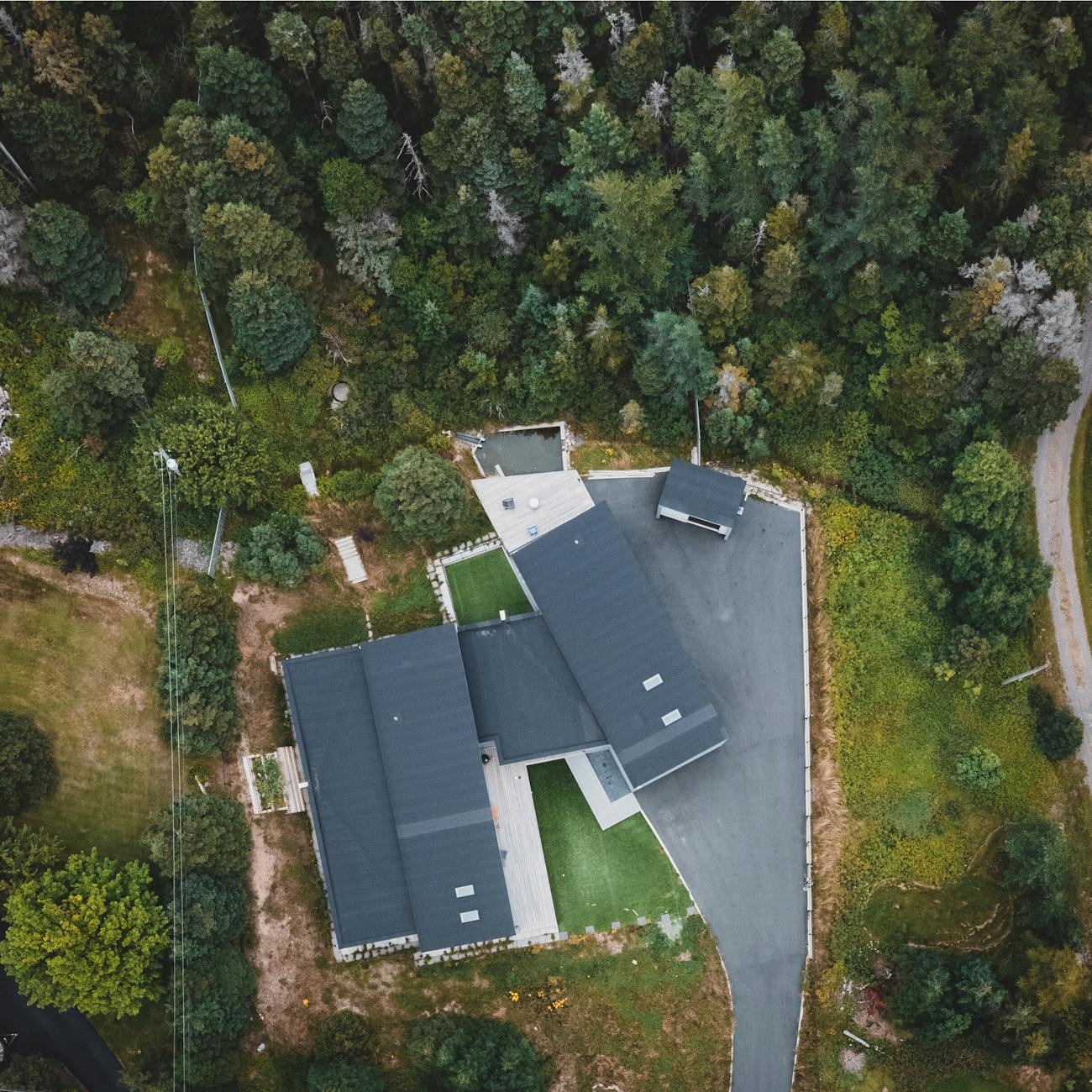
Green Roof Technology is a sustainable building practice that involves the installation of a vegetated roof on top of a structure. This technology has gained popularity in recent years due to its numerous environmental and economic benefits. Green roofs can be found on a variety of buildings, from residential homes to commercial complexes and even industrial facilities. In this course, we will explore the key terms and vocabulary associated with Green Roof Technology to provide a comprehensive understanding of this innovative approach to sustainable building.
1. **Green Roof**: A green roof, also known as a living roof, is a roof that is partially or completely covered with vegetation and a growing medium, planted over a waterproofing membrane. Green roofs can be extensive (shallow soil depth) or intensive (deeper soil depth) depending on the type of vegetation and the maintenance required.
2. **Vegetation**: The plants that are grown on a green roof. These plants can include grasses, sedums, wildflowers, and even small shrubs or trees depending on the type of green roof and the structural capacity of the building.
3. **Growing Medium**: The soil or substrate in which the vegetation on a green roof grows. The growing medium is carefully selected to provide adequate nutrients, drainage, and moisture retention for the plants to thrive in the rooftop environment.
4. **Waterproofing Membrane**: A layer of material that prevents water from seeping into the building structure underneath the green roof. This membrane is essential for protecting the building from water damage and ensuring the longevity of the green roof system.
5. **Sustainable Design**: The practice of designing buildings and structures that minimize their environmental impact and resource consumption. Green roofs are considered a sustainable design feature because they help reduce energy consumption, improve air quality, and mitigate the urban heat island effect.
6. **Urban Heat Island Effect**: The phenomenon where urban areas experience higher temperatures than surrounding rural areas due to human activities and the built environment. Green roofs can help mitigate the urban heat island effect by providing natural insulation and cooling properties.
7. **Stormwater Management**: The practice of managing rainwater runoff to prevent flooding and reduce pollution. Green roofs are effective in stormwater management as they can absorb and retain rainwater, reducing the burden on municipal drainage systems.
8. **Biodiversity**: The variety of plant and animal species in a given ecosystem. Green roofs can support biodiversity by providing habitat for insects, birds, and other wildlife in urban environments where natural green spaces are limited.
9. **Energy Efficiency**: The use of technology and design strategies to reduce energy consumption and improve building performance. Green roofs contribute to energy efficiency by insulating the building and reducing the need for heating and cooling, thus lowering energy costs.
10. **Lifecycle Cost**: The total cost of owning and maintaining a building or structure over its lifetime. Green roofs have been shown to have a favorable lifecycle cost compared to traditional roofing systems due to their energy-saving benefits and extended lifespan.
11. **LEED Certification**: Leadership in Energy and Environmental Design (LEED) is a green building certification program that recognizes buildings for their sustainable design and construction practices. Green roofs can contribute to earning points towards LEED certification in categories such as energy efficiency and stormwater management.
12. **Green Infrastructure**: A network of natural and semi-natural features that provide ecological benefits and support urban sustainability. Green roofs are considered a form of green infrastructure as they help improve air quality, reduce urban heat island effects, and enhance biodiversity in cities.
13. **Maintenance**: Regular upkeep and care required to ensure the health and longevity of a green roof system. Maintenance tasks may include weeding, pruning, irrigation, and monitoring for pests or drainage issues.
14. **Roof Load**: The weight that a roof structure can safely support, including the weight of the green roof system, vegetation, growing medium, and any additional components. It is essential to consider roof load capacity when designing and installing a green roof to prevent structural damage.
15. **Insulation**: The material used to reduce heat transfer between the interior and exterior of a building. Green roofs provide natural insulation by absorbing solar radiation and reducing heat gain in the summer, as well as retaining heat in the winter, resulting in energy savings and improved comfort indoors.
16. **Aesthetics**: The visual appeal of a green roof and its impact on the surrounding environment. Green roofs can enhance the aesthetics of a building, provide green space in urban areas, and contribute to a sense of well-being for occupants.
17. **Air Quality**: The cleanliness and purity of the air in a given environment. Green roofs improve air quality by capturing airborne pollutants, reducing greenhouse gas emissions, and producing oxygen through photosynthesis.
18. **Community Engagement**: Involving local residents, businesses, and organizations in the planning, design, and maintenance of green roof projects. Community engagement is essential for fostering support for green infrastructure initiatives and creating shared spaces that benefit the entire community.
19. **Resilience**: The ability of a green roof system to withstand environmental stressors such as extreme weather events, climate change, and natural disasters. Green roofs can enhance the resilience of buildings by providing additional insulation, reducing stormwater runoff, and improving air quality.
20. **Challenges**: Despite their many benefits, green roofs also present challenges that must be addressed to ensure successful implementation. These challenges may include high initial costs, limited availability of skilled professionals, building code restrictions, and ongoing maintenance requirements.
In conclusion, Green Roof Technology offers a sustainable and innovative approach to building design that provides numerous environmental, economic, and social benefits. By understanding the key terms and vocabulary associated with green roofs, participants in the Global Certificate in Green Building Technologies course will be better equipped to design, implement, and maintain green roof systems that contribute to a more sustainable built environment.
Key takeaways
- In this course, we will explore the key terms and vocabulary associated with Green Roof Technology to provide a comprehensive understanding of this innovative approach to sustainable building.
- **Green Roof**: A green roof, also known as a living roof, is a roof that is partially or completely covered with vegetation and a growing medium, planted over a waterproofing membrane.
- These plants can include grasses, sedums, wildflowers, and even small shrubs or trees depending on the type of green roof and the structural capacity of the building.
- The growing medium is carefully selected to provide adequate nutrients, drainage, and moisture retention for the plants to thrive in the rooftop environment.
- **Waterproofing Membrane**: A layer of material that prevents water from seeping into the building structure underneath the green roof.
- Green roofs are considered a sustainable design feature because they help reduce energy consumption, improve air quality, and mitigate the urban heat island effect.
- **Urban Heat Island Effect**: The phenomenon where urban areas experience higher temperatures than surrounding rural areas due to human activities and the built environment.