
Green Building Policies and Regulations
Green Building Policies and Regulations:
Green Building Policies and Regulations:
Green building policies and regulations are essential tools used by governments and organizations to promote sustainable construction practices. These policies aim to reduce the environmental impact of buildings, improve energy efficiency, and create healthier indoor environments. Additionally, they help address climate change by reducing greenhouse gas emissions and promoting the use of renewable resources.
Key Terms:
1. LEED Certification: LEED stands for Leadership in Energy and Environmental Design. It is a globally recognized green building certification program that provides a framework for sustainable building design, construction, operation, and maintenance.
2. Energy Efficiency: Energy efficiency refers to the use of technology and practices that require less energy to perform the same function. In buildings, energy-efficient design can reduce energy consumption, lower utility bills, and decrease greenhouse gas emissions.
3. Sustainable Materials: Sustainable materials are environmentally friendly building materials that have a reduced impact on the environment throughout their lifecycle. These materials are often sourced locally, are recyclable, and have low embodied energy.
4. Renewable Energy: Renewable energy sources are sources of energy that are replenished naturally and can be used indefinitely. Examples include solar, wind, and geothermal energy. Using renewable energy reduces reliance on fossil fuels and lowers greenhouse gas emissions.
5. Life Cycle Assessment: Life cycle assessment (LCA) is a method used to evaluate the environmental impacts of a product, material, or building over its entire life cycle. LCA considers factors such as raw material extraction, manufacturing, transportation, use, and disposal.
6. Urban Heat Island Effect: The urban heat island effect refers to the phenomenon where urban areas experience higher temperatures than surrounding rural areas due to human activities and the built environment. Green building policies aim to mitigate this effect through strategies such as green roofs and reflective materials.
7. Water Conservation: Water conservation involves reducing water usage through efficient fixtures, rainwater harvesting, greywater recycling, and landscaping practices. Green building policies often include requirements for water-efficient design to minimize water consumption.
8. Indoor Air Quality: Indoor air quality refers to the quality of the air inside a building, which can affect the health and comfort of occupants. Green building policies address indoor air quality by specifying ventilation systems, low-emission materials, and pollutant control measures.
9. Net Zero Energy Building: A net-zero energy building is a building that produces as much energy as it consumes over the course of a year. These buildings typically incorporate energy-efficient design, renewable energy systems, and energy storage technologies.
10. Greenhouse Gas Emissions: Greenhouse gas emissions are gases that trap heat in the Earth's atmosphere, leading to global warming and climate change. Buildings are significant contributors to greenhouse gas emissions, primarily through energy consumption for heating, cooling, and lighting.
Importance of Green Building Policies and Regulations:
Green building policies and regulations play a crucial role in advancing sustainable development and addressing environmental challenges. By setting standards and requirements for sustainable construction practices, these policies drive innovation, improve building performance, and create healthier and more resilient communities. Some of the key benefits of green building policies include:
1. Environmental Protection: Green building policies help reduce the environmental impact of buildings by promoting energy efficiency, water conservation, and the use of sustainable materials. This, in turn, helps preserve natural resources, reduce pollution, and mitigate climate change.
2. Energy Savings: By promoting energy-efficient design and renewable energy systems, green building policies help reduce energy consumption in buildings. This leads to lower utility bills for building owners and occupants and decreases reliance on fossil fuels.
3. Health and Well-being: Green building policies focus on improving indoor air quality, daylighting, and thermal comfort, which can enhance the health and well-being of building occupants. By creating healthier indoor environments, these policies contribute to occupant productivity and satisfaction.
4. Resilience and Adaptation: Green building policies help increase the resilience of buildings and communities to climate change impacts such as extreme weather events and rising temperatures. By incorporating resilient design strategies, buildings can better withstand environmental challenges.
5. Economic Benefits: Green building policies can stimulate economic growth by creating new markets for sustainable products and services, promoting innovation in the construction industry, and generating green jobs. Additionally, energy-efficient buildings can result in long-term cost savings for owners and tenants.
6. Global Leadership: Green building policies demonstrate a commitment to sustainability and environmental stewardship, positioning cities, states, and countries as leaders in the global green building movement. By adopting stringent standards and ambitious goals, governments can inspire others to follow suit.
Challenges in Implementing Green Building Policies:
While green building policies offer numerous benefits, they also face challenges in implementation and enforcement. Some of the common challenges include:
1. Cost Considerations: One of the main challenges of green building policies is the perceived higher initial costs associated with sustainable design and construction. Building owners and developers may be reluctant to invest in green building practices due to concerns about affordability.
2. Knowledge and Training: Implementing green building policies requires a high level of technical expertise and knowledge of sustainable design principles. Lack of awareness and training among architects, engineers, and contractors can hinder the successful implementation of green building practices.
3. Regulatory Barriers: In some cases, existing building codes and regulations may pose barriers to the adoption of green building practices. Conflicting requirements, outdated standards, or bureaucratic hurdles can impede progress towards sustainable construction.
4. Market Perceptions: Building occupants and investors may have misconceptions about green building practices, perceiving them as less comfortable, less attractive, or less durable than conventional construction methods. Overcoming these perceptions requires education and outreach efforts.
5. Policy Alignment: Green building policies must be aligned with broader sustainability goals and integrated into comprehensive urban planning strategies. Lack of coordination among different government agencies and stakeholders can lead to fragmented or inconsistent policies.
6. Monitoring and Evaluation: Effective implementation of green building policies requires robust monitoring and evaluation mechanisms to track progress, assess performance, and identify areas for improvement. Insufficient data collection and reporting can hinder the effectiveness of these policies.
Examples of Green Building Policies and Regulations:
1. Energy Codes: Many jurisdictions have adopted energy codes that set minimum requirements for energy efficiency in new and existing buildings. These codes typically include provisions for insulation, HVAC systems, lighting, and renewable energy systems.
2. Green Building Certifications: Green building certifications such as LEED, BREEAM, and Green Star provide frameworks for sustainable building design and construction. Buildings that meet the criteria for these certifications are recognized for their environmental performance.
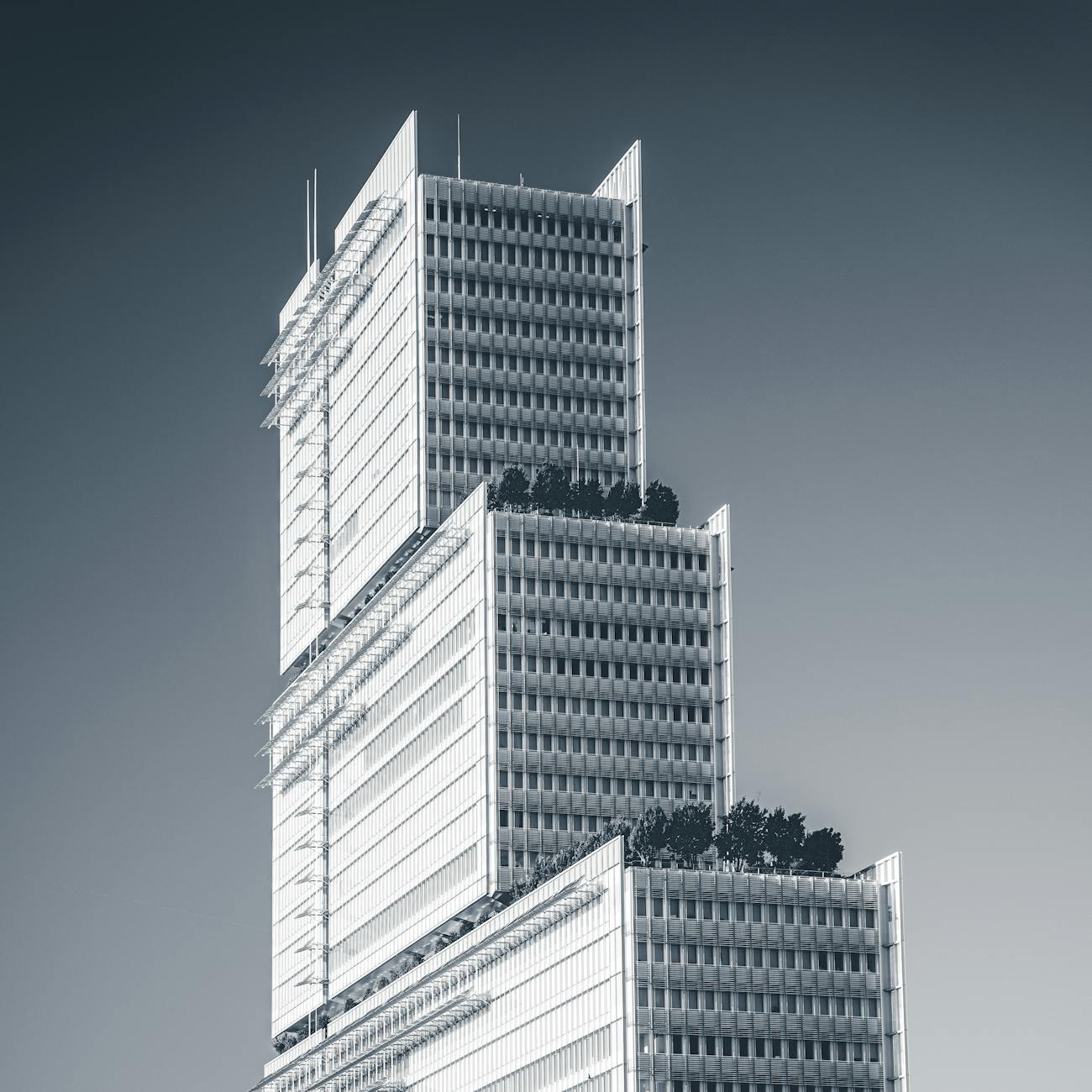
3. Green Roofs: Some cities require or incentivize the installation of green roofs on new developments to mitigate the urban heat island effect, reduce stormwater runoff, and improve air quality. Green roofs also provide additional green space in urban areas.
4. Water Efficiency Standards: Water efficiency standards mandate the use of water-saving fixtures, rainwater harvesting systems, and drought-tolerant landscaping to reduce water consumption in buildings. These standards help conserve water resources and reduce water bills.
5. Net Zero Energy Targets: Some jurisdictions have set targets for buildings to achieve net-zero energy status, meaning they produce as much energy as they consume. These targets drive innovation in building design, energy efficiency, and renewable energy technologies.
6. Zero Carbon Buildings: Zero carbon building policies aim to eliminate carbon emissions from buildings by promoting energy efficiency, renewable energy, and carbon offsets. These policies align with global efforts to reduce greenhouse gas emissions and combat climate change.
Conclusion:
Green building policies and regulations are vital tools for promoting sustainable construction practices, reducing environmental impact, and addressing climate change. By setting standards for energy efficiency, water conservation, indoor air quality, and material selection, these policies drive innovation, enhance building performance, and create healthier and more resilient communities. Despite facing challenges in implementation and enforcement, green building policies offer numerous benefits in terms of environmental protection, energy savings, health and well-being, economic growth, and global leadership. Moving forward, continued efforts to overcome barriers, increase awareness, and improve policy alignment will be essential to accelerating the adoption of green building practices worldwide.
Key takeaways
- Green building policies and regulations are essential tools used by governments and organizations to promote sustainable construction practices.
- It is a globally recognized green building certification program that provides a framework for sustainable building design, construction, operation, and maintenance.
- Energy Efficiency: Energy efficiency refers to the use of technology and practices that require less energy to perform the same function.
- Sustainable Materials: Sustainable materials are environmentally friendly building materials that have a reduced impact on the environment throughout their lifecycle.
- Renewable Energy: Renewable energy sources are sources of energy that are replenished naturally and can be used indefinitely.
- Life Cycle Assessment: Life cycle assessment (LCA) is a method used to evaluate the environmental impacts of a product, material, or building over its entire life cycle.
- Urban Heat Island Effect: The urban heat island effect refers to the phenomenon where urban areas experience higher temperatures than surrounding rural areas due to human activities and the built environment.