
Principles of Livestock Genomics
Genomics is a field of biology that focuses on the structure, function, evolution, and mapping of genomes. Livestock genomics specifically deals with the genetic makeup of domesticated animals, such as cattle, sheep, pigs, and chickens. Thi…
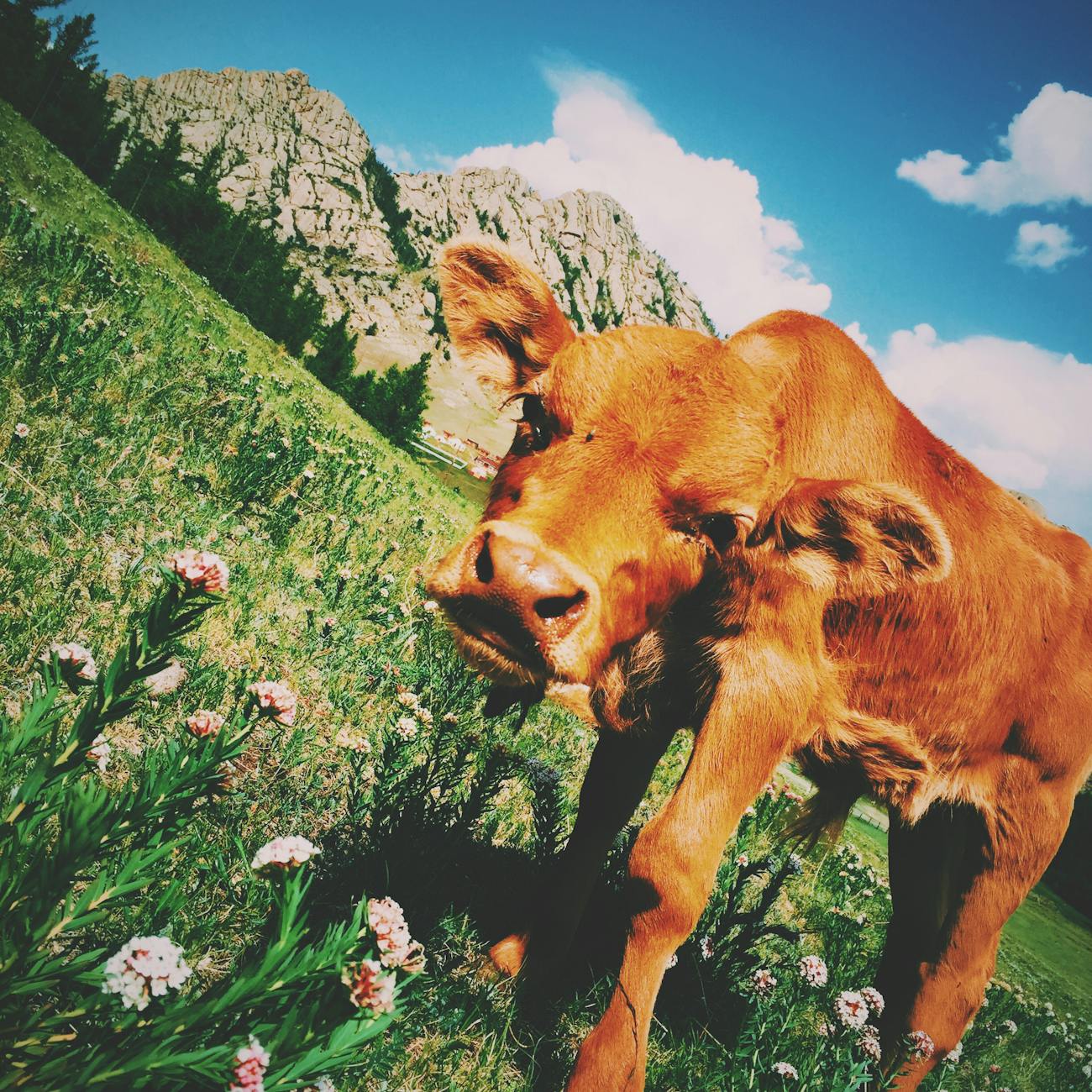
Genomics is a field of biology that focuses on the structure, function, evolution, and mapping of genomes. Livestock genomics specifically deals with the genetic makeup of domesticated animals, such as cattle, sheep, pigs, and chickens. This course, the Postgraduate Certificate in Livestock Genomics, delves into the principles and applications of genomics in livestock production and breeding. To fully grasp the concepts in this course, it is essential to understand key terms and vocabulary that are commonly used in the field of livestock genomics. Let's explore these terms in detail:
1. **Genome**: The genome of an organism is its complete set of DNA, including all of its genes. It contains all the information needed to build and maintain that organism. In livestock genomics, the genome of animals is of particular interest as it influences various traits such as growth rate, milk production, disease resistance, and more.
2. **Genotype**: The genotype of an organism refers to its genetic makeup, the specific combination of alleles it carries for a particular gene or set of genes. In livestock genomics, genotype plays a crucial role in determining the phenotype or observable characteristics of animals.
3. **Phenotype**: The phenotype of an organism refers to its observable traits, such as color, size, behavior, and productivity. Phenotypes are the result of interactions between an organism's genotype and its environment.
4. **Allele**: An allele is a variant form of a gene that can result in different phenotypic traits. For example, in cattle, there are different alleles for coat color, which can result in animals with black, red, or white coats.
5. **Single Nucleotide Polymorphism (SNP)**: SNPs are variations in a single nucleotide that occur at specific positions in the genome. They are the most common type of genetic variation among individuals and can be used as genetic markers in livestock genomics studies.
6. **Genetic Marker**: A genetic marker is a specific DNA sequence with a known location on a chromosome that is associated with a particular gene or trait. Genetic markers are used to identify and track genes of interest in livestock breeding programs.
7. **Quantitative Trait Loci (QTL)**: QTLs are regions of the genome that are associated with variations in quantitative traits, such as milk yield, growth rate, or disease resistance. Identifying QTLs can help breeders select animals with desirable traits.
8. **Genomic Selection**: Genomic selection is a breeding strategy that uses genomic information to predict the genetic merit of animals. By analyzing the entire genome of an individual, breeders can make more accurate selection decisions and accelerate genetic gain.
9. **Marker-Assisted Selection (MAS)**: MAS is a breeding method that uses genetic markers to assist in selecting for specific traits. By identifying markers linked to desirable traits, breeders can improve the efficiency of selection and breeding programs.
10. **Genome-Wide Association Study (GWAS)**: GWAS is a method used to identify genetic variants associated with specific traits or diseases. By analyzing the genomes of a large number of individuals, researchers can pinpoint regions of the genome that influence a trait of interest.
11. **Haplotype**: A haplotype is a set of closely linked genetic markers or alleles on a chromosome that are inherited together. Haplotypes can provide information about the genetic diversity and ancestry of livestock populations.
12. **Genomic Inbreeding**: Genomic inbreeding refers to the increase in homozygosity caused by mating closely related individuals. Inbreeding can lead to the expression of deleterious recessive alleles and reduced genetic diversity in livestock populations.
13. **Genome Editing**: Genome editing is a technology that allows scientists to make precise changes to the DNA of an organism. Techniques such as CRISPR/Cas9 can be used to introduce or correct genetic mutations in livestock for various purposes, including disease resistance and improved production traits.
14. **Transcriptomics**: Transcriptomics is the study of all the RNA transcripts produced by the genome of an organism. It provides insights into gene expression patterns and regulatory mechanisms in response to different conditions or treatments.
15. **Epigenetics**: Epigenetics refers to changes in gene expression that are not caused by alterations in the DNA sequence itself. Epigenetic modifications, such as DNA methylation and histone acetylation, can influence gene activity and phenotypic traits in livestock.
16. **Metagenomics**: Metagenomics is the study of the genetic material recovered directly from environmental samples, such as the gut microbiome of livestock. It allows researchers to analyze the genetic diversity and functions of microbial communities associated with animals.
17. **Genomic Prediction**: Genomic prediction is a statistical method used to estimate the genetic merit of animals based on their genomic information. By combining genotype data with phenotypic records, breeders can predict the breeding value of individuals more accurately.
18. **Functional Genomics**: Functional genomics is the study of how genes interact and function within an organism. It aims to understand the biological processes and pathways that control various traits in livestock, providing insights into gene function and regulation.
19. **Comparative Genomics**: Comparative genomics is the study of similarities and differences in the genomes of different species. By comparing the genetic sequences of livestock species with other organisms, researchers can identify conserved genes, evolutionary relationships, and genetic adaptations.
20. **Bioinformatics**: Bioinformatics is the application of computer science and statistics to analyze and interpret biological data, such as DNA sequences and gene expression profiles. In livestock genomics, bioinformatics tools are essential for processing and analyzing large-scale genomic datasets.
21. **Genetic Diversity**: Genetic diversity refers to the variation in genetic makeup within a population or species. Maintaining genetic diversity is important in livestock breeding to avoid inbreeding depression and adapt to changing environmental conditions.
22. **Selective Breeding**: Selective breeding is the process of choosing animals with desirable traits to be parents of the next generation. By selecting for specific traits, such as milk production or meat quality, breeders can improve the overall performance of livestock populations.
23. **Population Genetics**: Population genetics is the study of genetic variation and evolutionary processes within populations. It helps researchers understand how genetic diversity is maintained, how traits are inherited, and how populations adapt to their environment.
24. **Genetic Improvement**: Genetic improvement refers to the process of enhancing the genetic makeup of livestock populations through selective breeding and genetic technologies. It aims to increase the productivity, health, and resilience of animals for sustainable agriculture.
25. **Genome Assembly**: Genome assembly is the process of reconstructing the complete DNA sequence of an organism's genome from short DNA sequences generated by sequencing technologies. Accurate genome assemblies are essential for studying the genetic architecture of livestock species.
26. **Genetic Engineering**: Genetic engineering is the manipulation of an organism's genetic material using biotechnology tools. In livestock, genetic engineering can be used to introduce new traits, such as disease resistance or enhanced growth, into animals.
27. **Genomic Data Analysis**: Genomic data analysis involves the processing, interpretation, and visualization of large-scale genomic datasets. It requires expertise in bioinformatics, statistics, and computational biology to extract meaningful information from genomic data in livestock genomics research.
28. **Phylogenetics**: Phylogenetics is the study of the evolutionary relationships between species based on genetic data. By analyzing genetic sequences, researchers can reconstruct the evolutionary history of livestock species and infer their genetic relatedness.
29. **Genomic Variation**: Genomic variation refers to differences in DNA sequences among individuals within a population. Understanding genomic variation is crucial for identifying genetic markers, QTLs, and other genomic features associated with important traits in livestock.
30. **Genomic Epidemiology**: Genomic epidemiology combines genomics and epidemiology to study the spread and evolution of pathogens in livestock populations. By sequencing the genomes of pathogens, researchers can track disease outbreaks, monitor transmission patterns, and inform control strategies.
By familiarizing yourself with these key terms and vocabulary in livestock genomics, you will be better equipped to understand the principles and applications of genomics in livestock production and breeding. The field of livestock genomics is rapidly advancing, with new technologies and tools continually being developed to enhance genetic improvement and sustainability in animal agriculture. As you progress through this course, keep these key terms in mind and explore how they are applied in real-world scenarios to address challenges and opportunities in livestock genomics.
Key takeaways
- This course, the Postgraduate Certificate in Livestock Genomics, delves into the principles and applications of genomics in livestock production and breeding.
- In livestock genomics, the genome of animals is of particular interest as it influences various traits such as growth rate, milk production, disease resistance, and more.
- **Genotype**: The genotype of an organism refers to its genetic makeup, the specific combination of alleles it carries for a particular gene or set of genes.
- **Phenotype**: The phenotype of an organism refers to its observable traits, such as color, size, behavior, and productivity.
- For example, in cattle, there are different alleles for coat color, which can result in animals with black, red, or white coats.
- They are the most common type of genetic variation among individuals and can be used as genetic markers in livestock genomics studies.
- **Genetic Marker**: A genetic marker is a specific DNA sequence with a known location on a chromosome that is associated with a particular gene or trait.