
Genomic Selection in Livestock
Genomic Selection in Livestock is a cutting-edge technique that harnesses the power of genetic information to improve breeding programs, enhance animal productivity, and drive genetic progress in livestock populations. This advanced genomic…
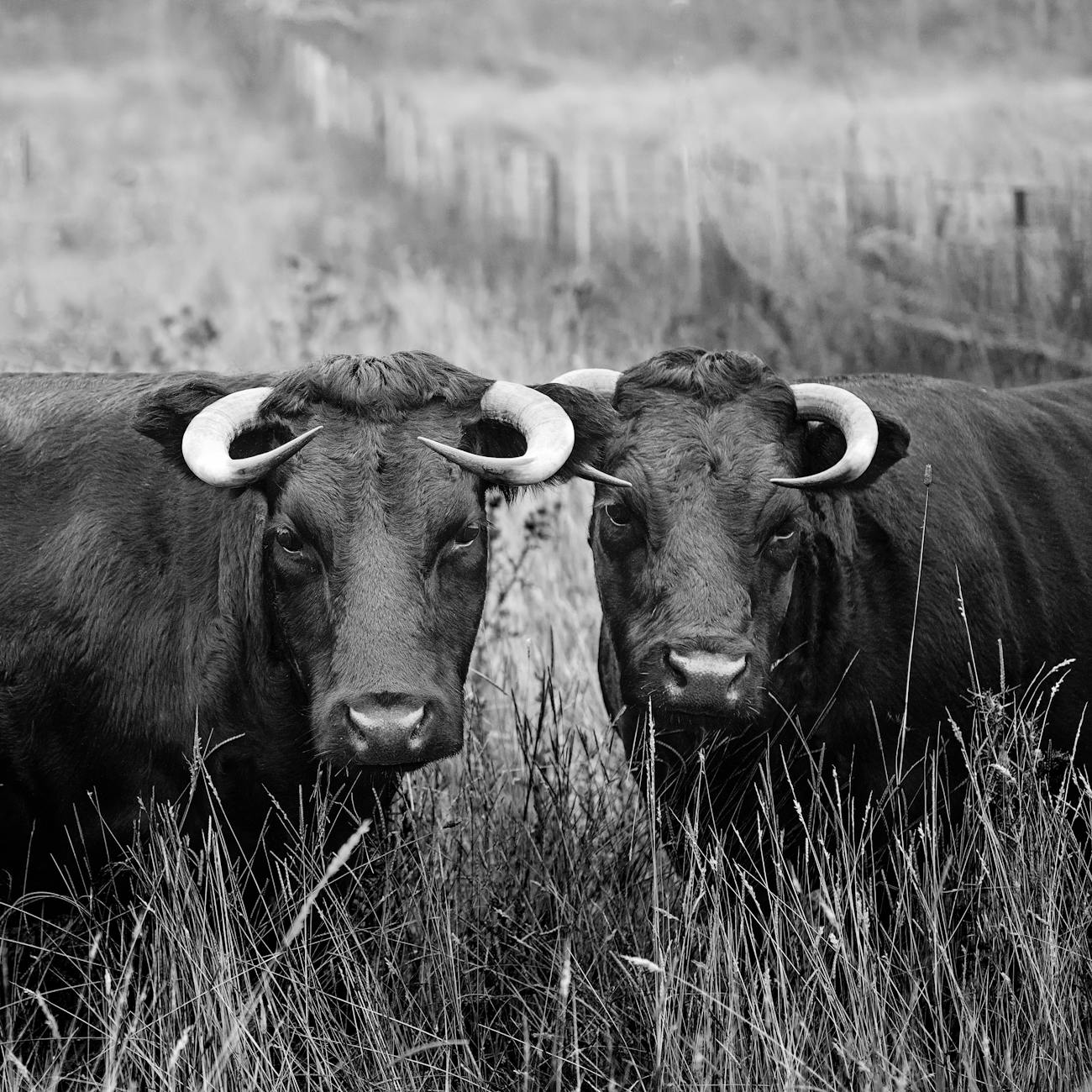
Genomic Selection in Livestock is a cutting-edge technique that harnesses the power of genetic information to improve breeding programs, enhance animal productivity, and drive genetic progress in livestock populations. This advanced genomic technology has revolutionized the way breeders select animals for breeding, enabling them to make more informed decisions based on the genetic potential of individuals. In this course, we will delve into the key terms and vocabulary essential for understanding and implementing Genomic Selection in Livestock.
### 1. Genomic Selection: Genomic Selection is a method that uses genomic information to predict the genetic merit of animals for certain traits. It involves genotyping animals for thousands of genetic markers distributed across the genome and then using this information to estimate the breeding value of individuals. Genomic Selection has been widely adopted in livestock breeding programs due to its ability to accelerate genetic gain and improve selection accuracy.
### 2. Single Nucleotide Polymorphism (SNP): Single Nucleotide Polymorphisms, or SNPs, are the most common type of genetic variation found in the genome. They are single base pair differences in DNA sequences among individuals within a population. SNPs are used as genetic markers in Genomic Selection to identify regions of the genome associated with specific traits of interest.
### 3. Marker-Assisted Selection (MAS): Marker-Assisted Selection is a breeding method that uses molecular markers, such as SNPs, to assist in the selection of animals based on their genetic makeup. MAS predates Genomic Selection and is a precursor to the more advanced genomic technologies used in modern breeding programs.
### 4. Quantitative Trait Loci (QTL): Quantitative Trait Loci are genomic regions that are associated with variation in quantitative traits, such as growth rate, milk production, or disease resistance. Identifying QTL through genetic mapping can help breeders understand the genetic architecture of complex traits and inform selection decisions.
### 5. Breeding Value: Breeding Value is a measure of an individual's genetic merit for a specific trait. It represents the additive genetic contribution of an animal to its offspring's performance for that trait. Breeding values are estimated using pedigree information, phenotypic data, and now genomic information in Genomic Selection.
### 6. Genomic Estimated Breeding Value (GEBV): Genomic Estimated Breeding Value is a breeding value estimated using genomic information, such as SNP markers. GEBVs are more accurate than traditional breeding values because they capture a larger proportion of an animal's genetic variation, especially for traits with low heritability.
### 7. Genotyping: Genotyping is the process of determining an individual's genetic makeup by analyzing DNA samples for specific genetic markers, such as SNPs. High-throughput genotyping technologies have made it cost-effective to genotype thousands of animals for Genomic Selection.
### 8. Genome-Wide Association Study (GWAS): Genome-Wide Association Study is a statistical method used to identify genetic variants associated with traits of interest by analyzing genotype data from a large number of individuals. GWAS can pinpoint regions of the genome that influence complex traits and help prioritize candidate genes for further study.
### 9. Genomic Prediction: Genomic Prediction is the process of predicting an individual's genetic merit for one or more traits based on its genomic information. It involves training prediction models on a reference population with known phenotypes and genotypes to make accurate predictions for new individuals in the population.
### 10. Genetic Selection Index: Genetic Selection Index is a tool that combines multiple traits into a single value to facilitate selection decisions. Breeders can use a selection index to simultaneously improve several traits while accounting for their economic importance and genetic correlations.
### 11. Genomic Selection Models: Genomic Selection Models are statistical algorithms used to predict breeding values using genomic information. Different models, such as Ridge Regression, Bayesian Lasso, and Genomic BLUP, have been developed to account for genetic architecture, population structure, and other factors affecting the accuracy of genomic predictions.
### 12. Accuracy of Genomic Predictions: The Accuracy of Genomic Predictions refers to how well the predicted breeding values match the true genetic merit of animals. High prediction accuracy is crucial for successful implementation of Genomic Selection, as it determines the reliability of selection decisions and the rate of genetic gain achieved in a breeding program.
### 13. Genomic Selection in Different Livestock Species: Genomic Selection has been successfully applied in various livestock species, including dairy cattle, beef cattle, pigs, poultry, and sheep. Each species presents unique challenges and opportunities for implementing Genomic Selection to improve production efficiency, product quality, and disease resistance.
### 14. Challenges of Genomic Selection in Livestock: Despite its many advantages, Genomic Selection also faces several challenges in livestock breeding programs. These challenges include the high cost of genotyping, the need for large reference populations, the potential for overfitting prediction models, and the ethical considerations surrounding genetic manipulation and selection.
### 15. Practical Applications of Genomic Selection: Genomic Selection has a wide range of practical applications in livestock breeding, such as increasing milk yield in dairy cows, improving feed efficiency in pigs, enhancing meat quality in beef cattle, and enhancing disease resistance in poultry. By harnessing the power of genomics, breeders can accelerate genetic progress and enhance the sustainability of livestock production systems.
### Conclusion: In conclusion, understanding the key terms and vocabulary of Genomic Selection in Livestock is essential for mastering this advanced breeding technology. By familiarizing yourself with concepts such as SNP, GEBV, GWAS, and Genomic Prediction, you can leverage genomic information to make more informed breeding decisions, drive genetic progress, and achieve sustainable improvements in livestock populations. As you progress through this course, remember to apply these concepts to real-world breeding scenarios and explore the challenges and opportunities of implementing Genomic Selection in different livestock species.
Key takeaways
- Genomic Selection in Livestock is a cutting-edge technique that harnesses the power of genetic information to improve breeding programs, enhance animal productivity, and drive genetic progress in livestock populations.
- It involves genotyping animals for thousands of genetic markers distributed across the genome and then using this information to estimate the breeding value of individuals.
- Single Nucleotide Polymorphism (SNP): Single Nucleotide Polymorphisms, or SNPs, are the most common type of genetic variation found in the genome.
- Marker-Assisted Selection (MAS): Marker-Assisted Selection is a breeding method that uses molecular markers, such as SNPs, to assist in the selection of animals based on their genetic makeup.
- Quantitative Trait Loci (QTL): Quantitative Trait Loci are genomic regions that are associated with variation in quantitative traits, such as growth rate, milk production, or disease resistance.
- Breeding values are estimated using pedigree information, phenotypic data, and now genomic information in Genomic Selection.
- GEBVs are more accurate than traditional breeding values because they capture a larger proportion of an animal's genetic variation, especially for traits with low heritability.