
Developing Child-Friendly Spaces
Child-Friendly Spaces (CFS) are safe, inclusive, and accessible environments designed to meet the specific needs of children, particularly in times of crisis or emergency. Creating Child-Friendly Spaces is crucial to ensuring that children …
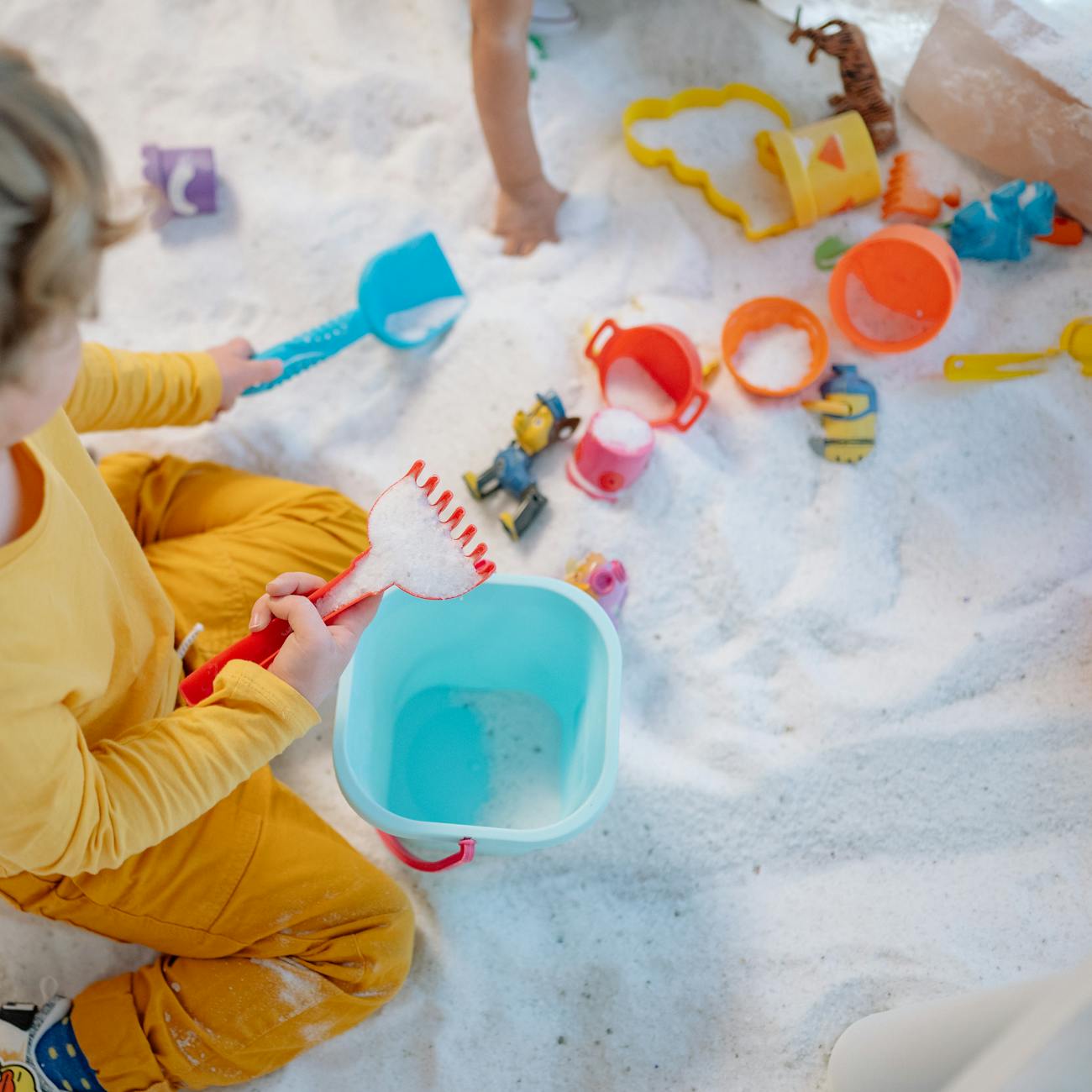
Child-Friendly Spaces (CFS) are safe, inclusive, and accessible environments designed to meet the specific needs of children, particularly in times of crisis or emergency. Creating Child-Friendly Spaces is crucial to ensuring that children have a supportive and nurturing environment where they can play, learn, and socialize. In this course, we will explore the key terms and vocabulary related to Developing Child-Friendly Spaces and Environment Design.
1. **Child-Friendly**: The term "child-friendly" refers to environments, products, or services that are designed with the best interests of children in mind. These spaces should prioritize the safety, well-being, and development of children.
2. **Child-Centered**: Child-centered approaches focus on the needs, perspectives, and experiences of children. Child-Friendly Spaces should be child-centered, ensuring that children are actively involved in the design and decision-making processes.
3. **Inclusive**: Inclusive Child-Friendly Spaces are welcoming to all children, regardless of their abilities, backgrounds, or identities. These spaces should be accessible and accommodating to diverse groups of children.
4. **Safe**: Safety is a top priority in Child-Friendly Spaces. These environments should be free from physical hazards, violence, abuse, and discrimination. Safety measures should be in place to protect children from harm.
5. **Accessible**: Child-Friendly Spaces should be easily accessible to all children, including those with disabilities. Accessibility features such as ramps, wide doorways, and sensory-friendly designs should be incorporated into the space.
6. **Playful**: Play is essential for children's development, and Child-Friendly Spaces should provide opportunities for play and recreation. Playful elements such as toys, games, and creative materials should be available for children to engage with.
7. **Learning**: Child-Friendly Spaces should support children's learning and education. These spaces can include educational resources, books, art supplies, and interactive activities that promote learning and skill development.
8. **Socialization**: Children thrive in social environments, and Child-Friendly Spaces should encourage positive social interactions. These spaces should promote teamwork, communication, and cooperation among children.
9. **Empowerment**: Child-Friendly Spaces should empower children to express themselves, make choices, and take on leadership roles. Children should feel valued, respected, and heard in these spaces.
10. **Resilience**: Child-Friendly Spaces play a crucial role in building children's resilience in the face of adversity. These spaces provide a sense of stability, security, and support during challenging times.
11. **Environmental Design**: Environmental design refers to the planning, design, and management of physical environments. In the context of Child-Friendly Spaces, environmental design focuses on creating spaces that are conducive to children's well-being and development.
12. **Spatial Planning**: Spatial planning involves organizing and arranging physical spaces to optimize their functionality and usability. In Child-Friendly Spaces, spatial planning should consider the needs and activities of children.
13. **Sensory Design**: Sensory design considers how the physical environment impacts the sensory experiences of individuals. In Child-Friendly Spaces, sensory design aims to create stimulating, engaging, and comfortable environments for children.
14. **Biophilic Design**: Biophilic design incorporates elements of nature into the built environment to enhance well-being and connection to the natural world. Child-Friendly Spaces can benefit from biophilic design by including plants, natural light, and outdoor spaces.
15. **Universal Design**: Universal design is the concept of creating products and environments that are accessible to people of all ages and abilities. Child-Friendly Spaces should embrace universal design principles to ensure inclusivity and accessibility.
16. **Community Engagement**: Community engagement involves involving local communities in the planning, design, and implementation of Child-Friendly Spaces. Engaging community members can help ensure that the spaces meet the specific needs and preferences of children and families.
17. **Participatory Design**: Participatory design is an approach that involves actively involving end-users in the design process. In the context of Child-Friendly Spaces, participatory design ensures that children have a voice in shaping their environments.
18. **Monitoring and Evaluation**: Monitoring and evaluation are essential components of designing and maintaining Child-Friendly Spaces. Regular monitoring and evaluation help assess the impact, effectiveness, and sustainability of the spaces.
19. **Child Protection**: Child protection is a key consideration in Child-Friendly Spaces to ensure that children are safe from harm, abuse, and exploitation. Child protection policies and procedures should be in place to safeguard children's well-being.
20. **Psychosocial Support**: Psychosocial support refers to the emotional and social support provided to children facing challenges or trauma. Child-Friendly Spaces should offer psychosocial support through counseling, play therapy, and other interventions.
21. **Child Participation**: Child participation involves actively involving children in decision-making processes that affect them. Child-Friendly Spaces should prioritize child participation to empower children and promote their rights.
22. **Child Rights**: Child rights are the fundamental rights that every child is entitled to, including the right to education, health, protection, and participation. Child-Friendly Spaces should uphold and promote children's rights.
23. **Child Development**: Child development refers to the physical, cognitive, emotional, and social growth and maturation of children. Child-Friendly Spaces should support and enhance children's development through age-appropriate activities and resources.
24. **Cultural Sensitivity**: Cultural sensitivity involves respecting and valuing the cultural beliefs, practices, and identities of children and families. Child-Friendly Spaces should be culturally sensitive to ensure that they are inclusive and welcoming to all.
25. **Gender Equality**: Gender equality is the principle of treating individuals of all genders equally and fairly. Child-Friendly Spaces should promote gender equality by challenging stereotypes, addressing gender-based discrimination, and providing equal opportunities for all children.
26. **Conflict Resolution**: Conflict resolution skills are essential in Child-Friendly Spaces to help children navigate conflicts and disagreements peacefully. These spaces should promote cooperation, empathy, and communication to resolve conflicts effectively.
27. **Emergency Preparedness**: Child-Friendly Spaces should have emergency preparedness plans in place to respond to crises, disasters, or emergencies. These plans should prioritize the safety and well-being of children in times of need.
28. **Child-Friendly Infrastructure**: Child-Friendly Infrastructure refers to the physical structures, facilities, and amenities that are designed to meet the needs of children. Examples include playgrounds, schools, healthcare facilities, and recreational spaces.
29. **Child-Friendly Policies**: Child-Friendly Policies are guidelines, regulations, and standards that promote the well-being and rights of children. These policies should be implemented in Child-Friendly Spaces to ensure children's safety and development.
30. **Child-Friendly Programming**: Child-Friendly Programming involves designing and implementing activities, events, and services that cater to the needs and interests of children. Child-Friendly Spaces should offer diverse and engaging programming for children.
In conclusion, Developing Child-Friendly Spaces and Environment Design requires a comprehensive understanding of key terms and concepts related to child development, safety, inclusivity, and well-being. By creating Child-Friendly Spaces that are child-centered, inclusive, and empowering, we can provide children with supportive and nurturing environments where they can learn, play, and thrive.
Key takeaways
- Child-Friendly Spaces (CFS) are safe, inclusive, and accessible environments designed to meet the specific needs of children, particularly in times of crisis or emergency.
- **Child-Friendly**: The term "child-friendly" refers to environments, products, or services that are designed with the best interests of children in mind.
- Child-Friendly Spaces should be child-centered, ensuring that children are actively involved in the design and decision-making processes.
- **Inclusive**: Inclusive Child-Friendly Spaces are welcoming to all children, regardless of their abilities, backgrounds, or identities.
- These environments should be free from physical hazards, violence, abuse, and discrimination.
- Accessibility features such as ramps, wide doorways, and sensory-friendly designs should be incorporated into the space.
- **Playful**: Play is essential for children's development, and Child-Friendly Spaces should provide opportunities for play and recreation.